These tiny marsupials mate for hours on end until the stress literally kills every male
In the forests of Australia lives a small, mouse-like creature with one of the most extreme love lives in the animal kingdom. Once a year the males throw themselves into a frenzy of mating so relentless that it destroys their bodies from the inside. By the end of the season, every single male antechinus is dead, worn out by sex.
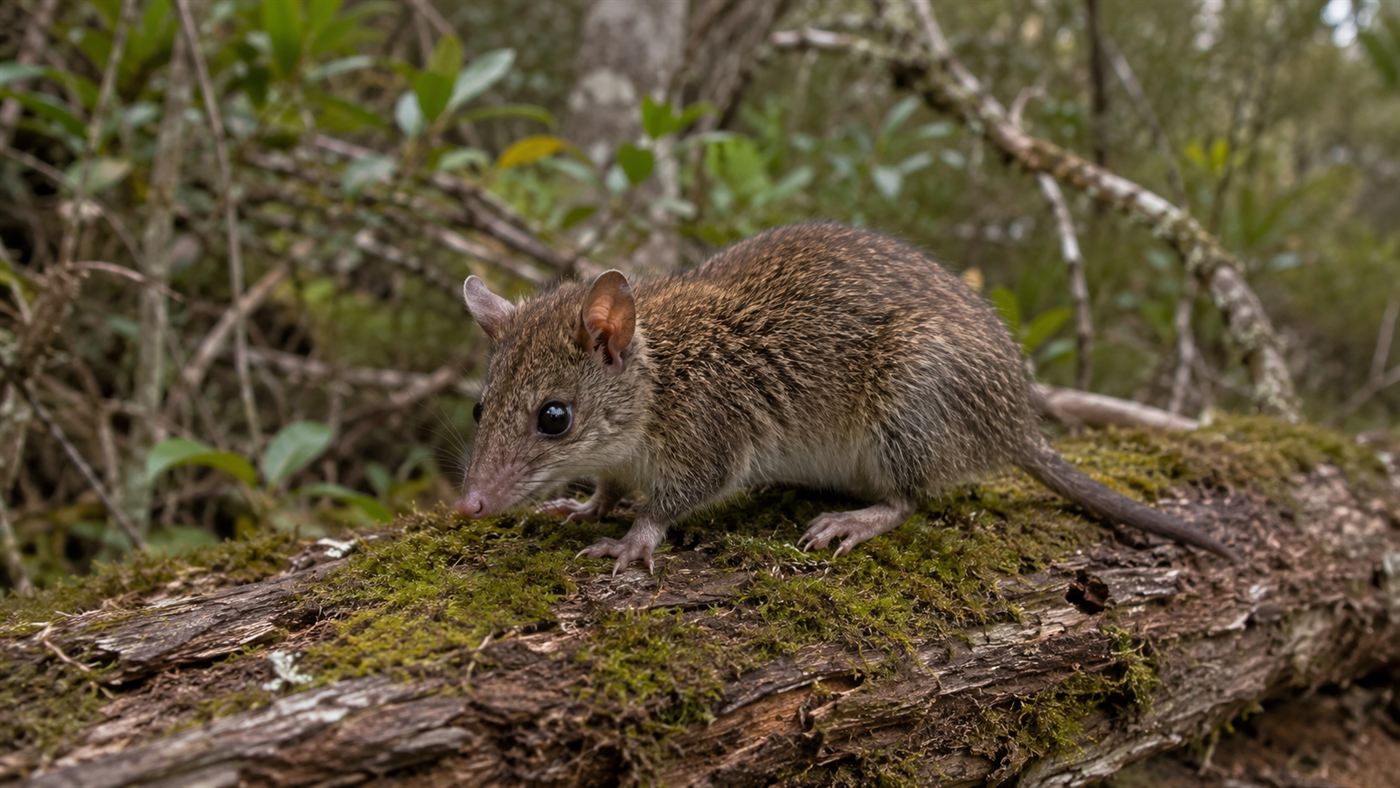
It looks like an ordinary mouse, but the antechinus lives and dies by an extraordinary rule. Illustration: Watts & Wild.
Nature is full of creatures that give everything to reproduce, but few take it as far as this one. The antechinus is a tiny insect-eating marsupial, easily mistaken for a mouse, that has evolved a strategy biologists call suicidal reproduction. The males do not just risk their lives to breed; their death is built into the plan.
It sounds like a horror story, but underneath the drama is a cold, elegant piece of evolutionary logic that explains why an animal might be designed to mate itself to death.
A mouse that is not a mouse
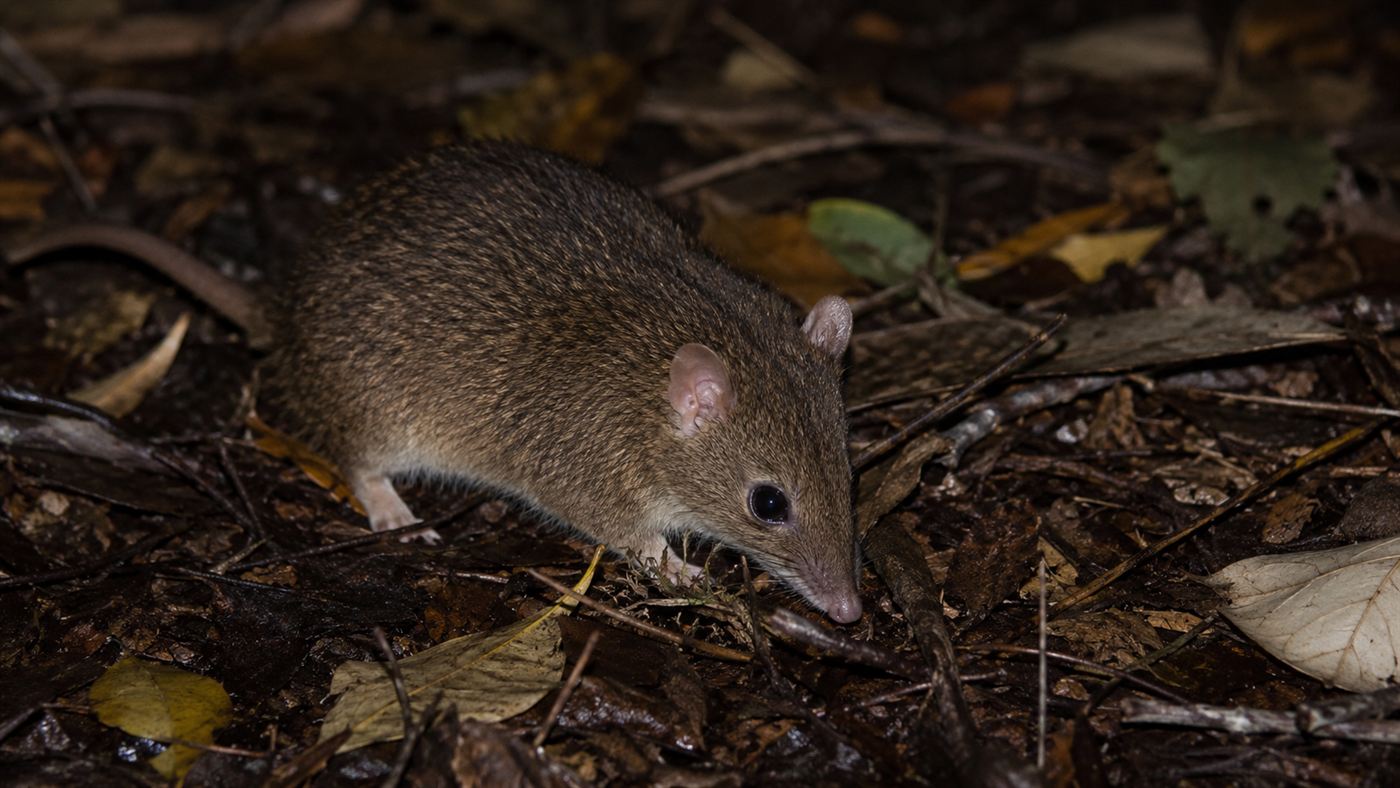
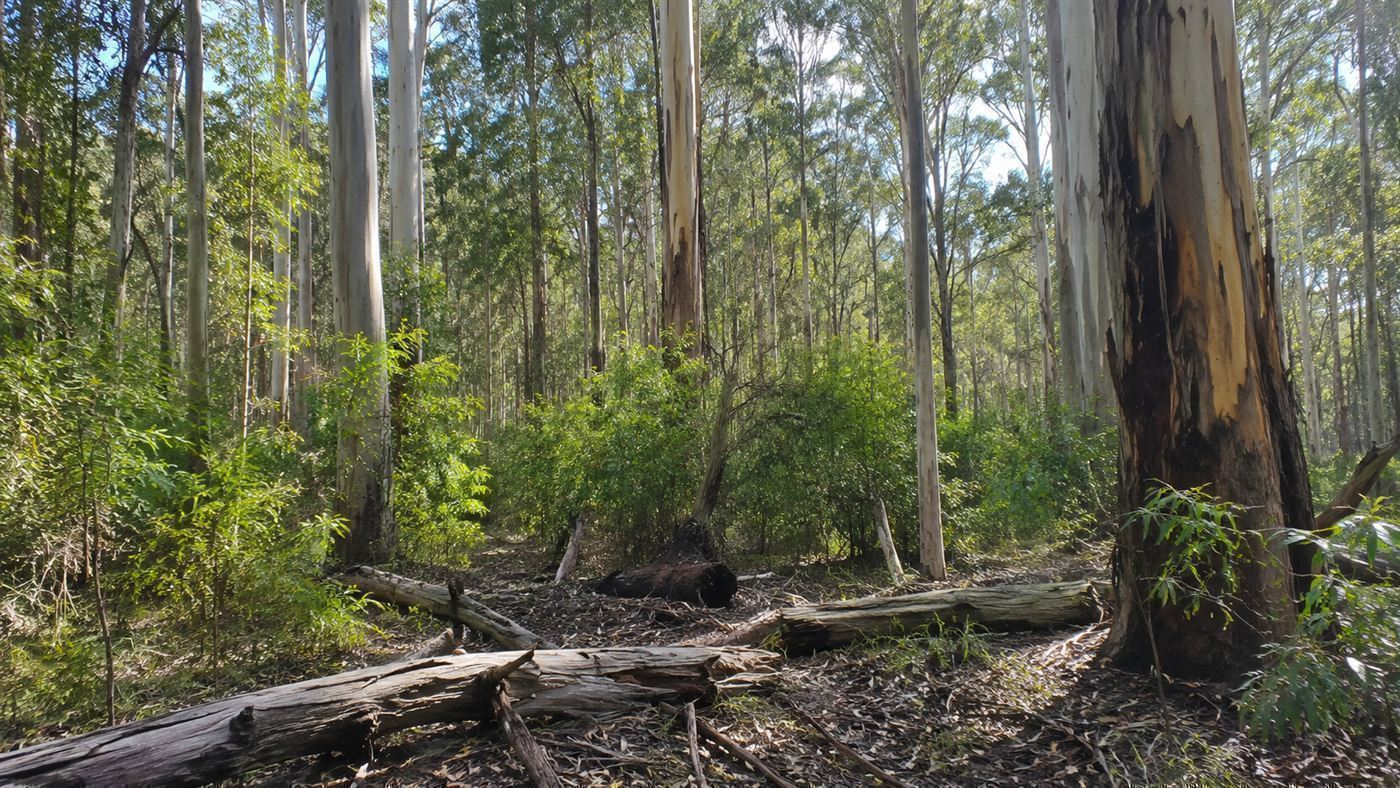
First, a quick correction, because the antechinus fools almost everyone. Despite looking like a small brown house mouse, it is not a rodent at all but a marsupial, a distant cousin of kangaroos and possums that raises its young in the pouch-like way marsupials do. There are around a dozen species, scurrying through the leaf litter of Australian forests and hunting insects.
For most of the year they live fairly ordinary little lives. But everything about the antechinus, its body, its hormones, its lifespan, is quietly built around one short, violent window each year when all of that changes.
Why the antechinus mates itself to death
When the breeding season arrives, usually lasting just two or three weeks, the males abandon all restraint. They mate with as many females as they can find, in sessions that can last up to fourteen hours at a time, barely stopping to eat or sleep as they race from one partner to the next.
It is a marathon that no body could sustain for long, and theirs are not built to. The males throw every scrap of energy into these frantic days, because for them there will be no second chance, no next year. This single season is the entire point of their existence, and they spend their lives on it completely.
Killed by their own hormones
What actually kills them is not exhaustion in the ordinary sense, but their own body chemistry running out of control. To power the mating frenzy, the males flood their systems with stress hormones. In the antechinus, the mechanism that should switch those hormones off fails, so the levels keep rising until they wreck the immune system, leaving the animals open to infections, internal bleeding and collapse.
The result is a synchronised die-off. Within a few weeks of the breeding season, often almost overnight, every male in the population sickens and dies together, their fur falling out and their bodies failing. For a brief, eerie period, the species exists as a population of pregnant females and not a single living adult male. It is one of the most dramatic mass deaths in the natural world, and it happens on schedule, every single year.
Why would evolution build such a thing?
This is the part that turns a grisly oddity into a fascinating puzzle. Why would natural selection favour males that destroy themselves? The leading answer is a brutal arithmetic of competition. In these forests, food comes in a short, predictable burst each year, so females time the birth of their young to that feast, which squeezes all mating into one narrow window.
When every female is fertile at the same time for only a couple of weeks, the prize goes to whichever male can father the most offspring in that sliver of time. A male who holds nothing back, who pours all his energy and even his survival into out-competing rivals' sperm, leaves more young behind than a cautious one who lives to try again. Over countless generations, that ruthless logic produced an animal for whom living past the breeding season simply does not pay.
Why do antechinus males die after mating?
In short, because for them, all-out reproduction beats survival. The body is essentially programmed to convert itself entirely into the effort of breeding, with no resources held back for staying alive afterwards. It is not an accident or a disease, but a strategy, one in which a brief blaze of reproduction is worth more than a longer, quieter life.
The exact reasons are still debated, and not every related marsupial does it, but the broad picture is clear: this is sexual competition pushed to its absolute limit. The antechinus shows that evolution does not care about an individual's wellbeing, only about how many young it leaves behind.
Do female antechinus survive?
They do, and that is the quieter half of the story. The females generally live on after the males have died, carrying and raising the next generation, and some can breed for a second year. So the antechinus does not really mate itself into extinction; it mates one whole sex out of existence each year, then rebuilds from the survivors.
Sadly, several antechinus species are now threatened by habitat loss and introduced predators, which makes their strange biology more than a curiosity. An animal that spends its males so freely has little margin for error, and protecting the forests they live in matters all the more. The antechinus is a reminder that nature's most astonishing strategies are often also its most fragile.
A tiny marsupial that pours its whole body into a single season of mating and then dies with all its brothers is one of evolution's most unsettling designs. Is a short life spent entirely on the next generation a tragedy, or just a very different way of measuring a life well lived? Tell us what you think in the comments.
Related reading: the anglerfish, whose tiny males take extreme reproduction in the opposite direction by fusing permanently to the female.