In 1948 Idaho dropped 76 beavers out of planes by parachute to rebuild its wetlands, and 75 of them landed and got straight to work
It is the kind of story that sounds invented, and yet there is film to prove it. In 1948 the state of Idaho loaded dozens of live beavers into wooden crates, flew them over the mountains, and floated them down to the wilderness floor under war-surplus parachutes. The parachuting beavers were not a stunt. They were a clever fix for a real problem.
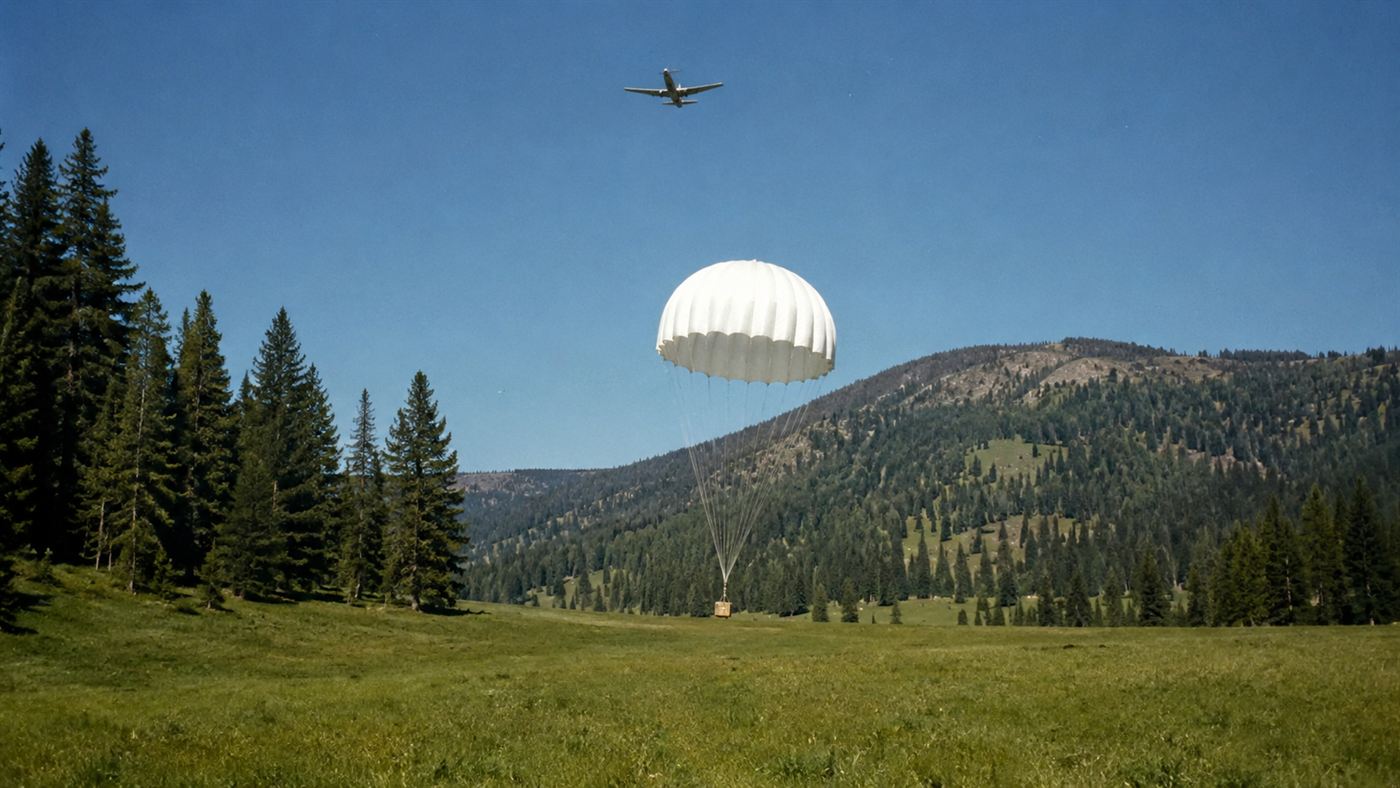
A beaver crate drifts down under a surplus parachute into the Idaho backcountry. Illustration: Watts & Wild.
After the Second World War, the area around the growing town of McCall was filling up with people, and the local beavers were getting in the way. They flooded orchards and irrigation ditches and chewed through anything they fancied, and the obvious answer was to move them somewhere wild and empty. The trouble was getting them there.
The chosen destination, the remote Chamberlain Basin in central Idaho, had no roads. Hauling beavers in by truck and then by packhorse over the mountains was slow, expensive and rough on the animals, which overheated and grew sick and aggressive on the long journey. An Idaho Fish and Game officer named Elmo Heter sat down to find a better way, and his eye landed on a stack of leftover military parachutes.
How the parachuting beavers actually flew
Heter's idea was to drop the beavers in by air, but a beaver is a strong, sharp-toothed animal that would happily gnaw its way out of any normal cage. So he designed a special box: two halves hinged together like a suitcase, held shut by the tension of the parachute lines, and rigged so that the moment it hit the ground and the lines went slack, the box sprang open on its own and let the beaver walk free.
Each crate carried a pair of beavers and a parachute, with breathing holes for the flight. As Boise State Public Radio recounted when the story resurfaced, the boxes were dropped from low altitude into meadows where the beavers could find water and start building. It was cheap, it was fast, and it was far gentler on the animals than the overland slog.
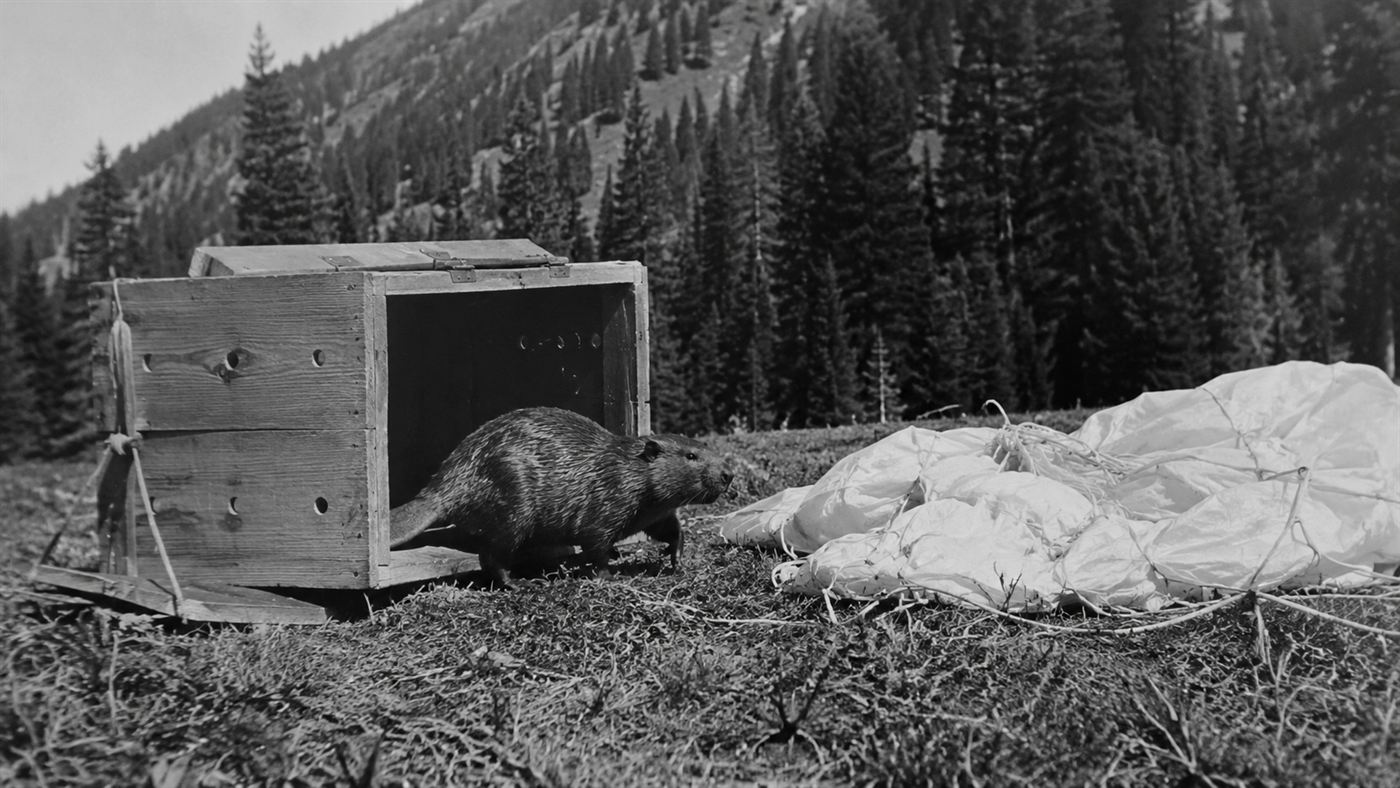
The test beaver called Geronimo
Before risking the whole shipment, Heter needed to be sure the boxes worked, so he enlisted a single brave volunteer, an old beaver the crew nicknamed Geronimo. Geronimo was dropped over and over in test runs, riding the crate down again and again until the design was reliable, by which point he had apparently grown quite used to the whole business.
He earned his retirement. When the real operation went ahead, Geronimo was placed in one of the boxes himself, along with three young females, and parachuted off to start a new life in the basin he had helped make safe for the rest. It is hard not to root for him.
Did the parachuting beavers survive?
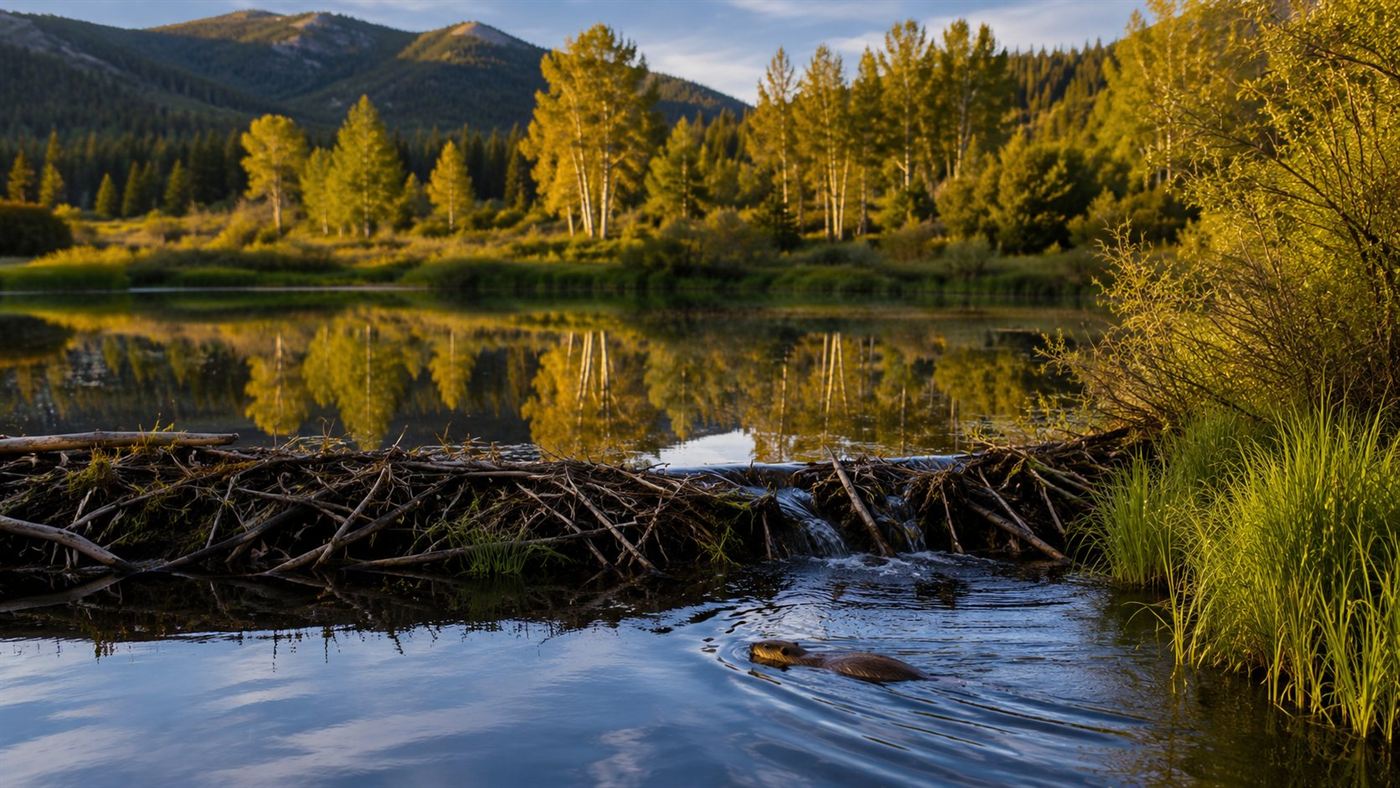
Almost all of them did. Of the 76 beavers dropped into the wilderness, 75 came through it fine. The single casualty was a beaver that managed to climb out of the top of its box in mid-air and fell. Everyone else landed, shook themselves off, and did exactly what beavers do, felling trees, damming streams and flooding meadows back into the wetlands the basin had been missing.
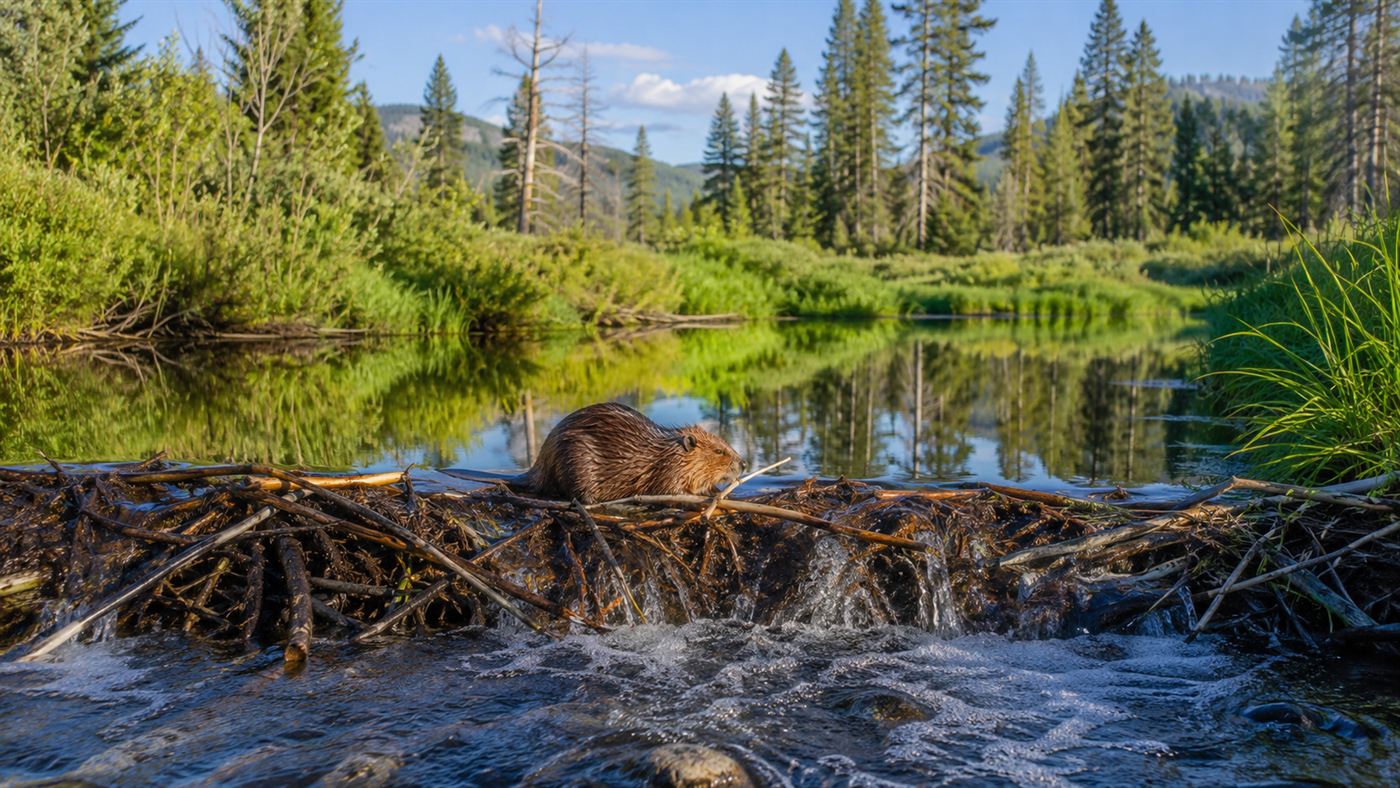
Those dams did real ecological work, slowing water, storing it through dry spells, and creating ponds that fish, birds and other wildlife moved straight into. The descendants of those airborne pioneers still keep the basin wet today, which is about the best result any wildlife manager could ask for.
The film everyone thought was lost
For decades the whole episode survived mostly as a tall tale, because the film Idaho Fish and Game had shot of it seemed to have vanished. Then in 2015 an agency historian, going through old reels, found it misfiled under the wrong label. As Smithsonian magazine reported, the restored footage of crates floating down and beavers waddling out of them turned a half-forgotten legend back into documented fact, and a minor internet sensation.
The honest catch
Told today, "they parachuted beavers" lands as either adorable or slightly cruel, and it is worth being fair about both. By the standards of 1948 this was the kindest option on the table, far less deadly than dragging the animals over the mountains, and the survival rate proves it. That said, it was not painless: one beaver died, and poor Geronimo was bounced out of an aeroplane more times than any animal would choose. Modern wildlife agencies move beavers in gentler ways now. The lasting point is not really the parachutes at all. It is that beavers are such effective natural engineers that a state went to these lengths to put them back, and got a thriving wetland in return.
Seventy-six beavers jumped out of aeroplanes to rebuild a wilderness, and almost all of them stuck the landing. Brilliant wildlife engineering or a wonderfully strange idea that just happened to work? Tell us what you think in the comments.
Related reading: Decades on, beavers are being welcomed back to do the same job in California's dried-out rivers.