Over one lake in Venezuela the sky fills with lightning almost every night of the year, so reliably that sailors steered by it for centuries and called it the beacon of Maracaibo
Most lightning is a rare, random event you are lucky or unlucky to witness. In one corner of Venezuela it is closer to a timetable, a storm that shows up over the same patch of water night after night after night, putting on the most concentrated electrical display anywhere on the planet.
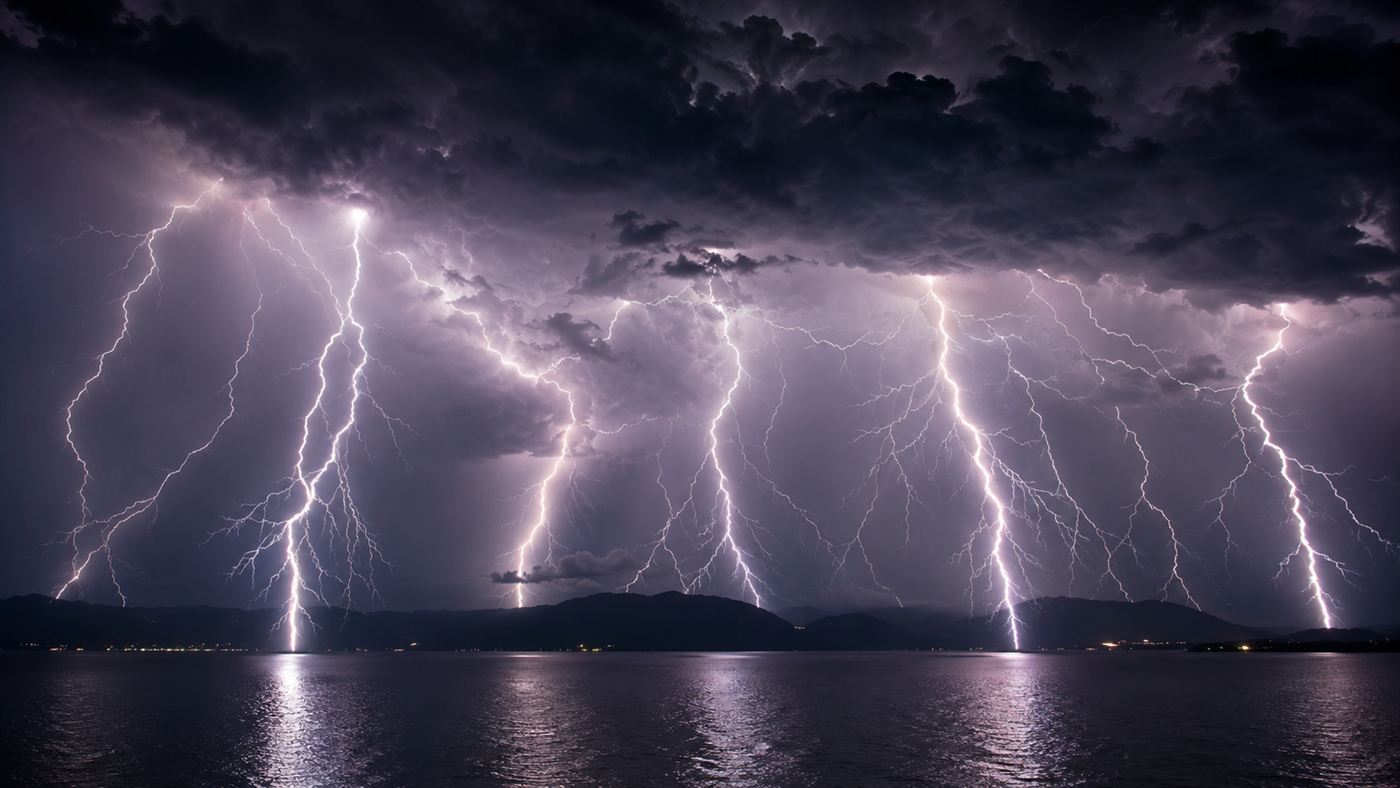
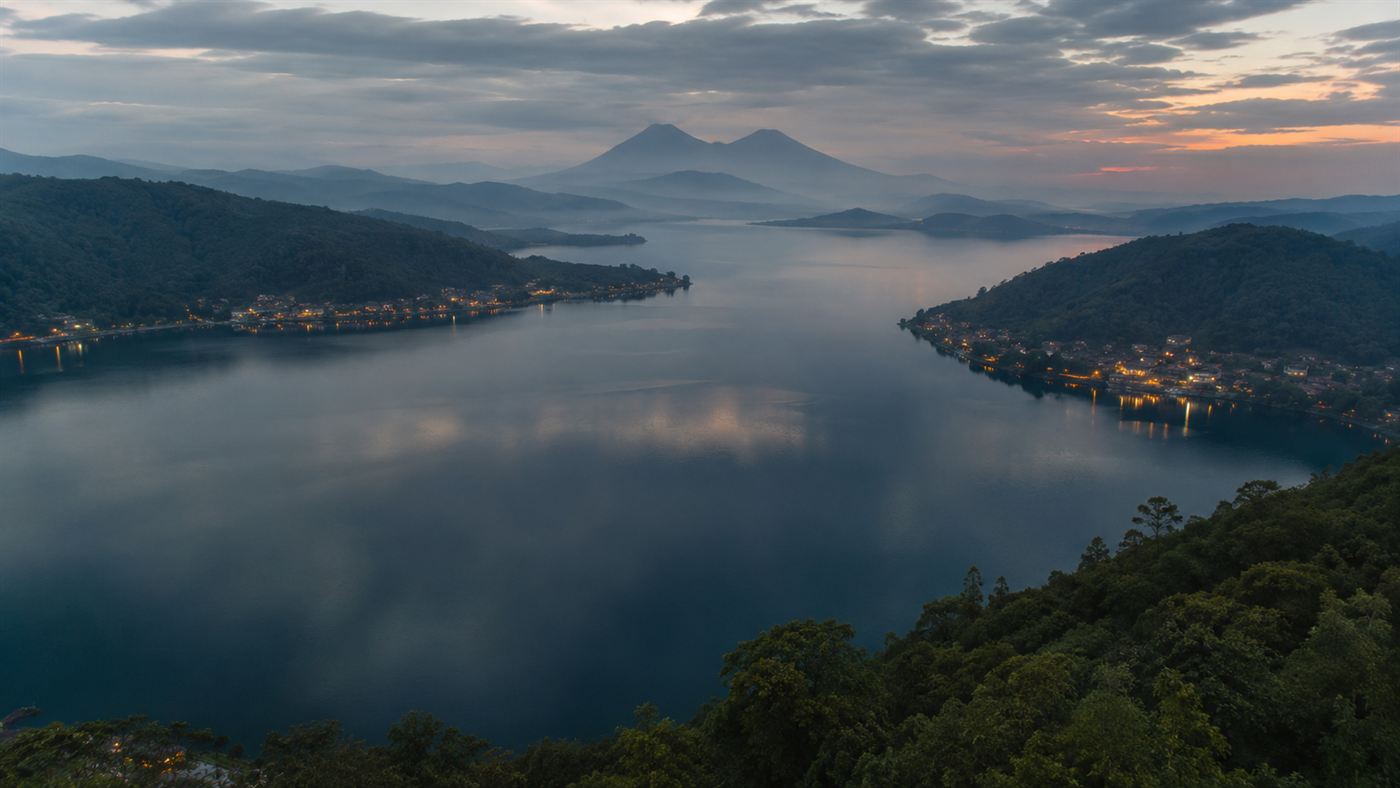
The Catatumbo lightning over Lake Maracaibo, the most lightning-struck place on Earth. Illustration: Watts & Wild.
In early 2010, something happened over Lake Maracaibo in Venezuela that frightened the people who lived around it: the lightning stopped. For weeks the night sky over the lake, which for as long as anyone could remember had crackled and flashed almost without pause, fell dark and silent, and there were genuine fears that one of the planet's strangest natural wonders had died. As the record of the Catatumbo lightning notes, the storm went quiet for about six weeks during a severe drought before it returned. That scare is the best proof of just how constant the thing normally is.
Because on a normal year, the lightning here is not an event. It is the weather.
The Catatumbo lightning is a storm with a schedule
The phenomenon is known as the Catatumbo lightning, or simply the Everlasting Storm, and it gathers over the marshy mouth where the Catatumbo River empties into Lake Maracaibo.
Add it up and this small patch of water records the highest density of lightning anywhere on Earth, on the order of 250 strikes per square kilometre every year.
Stand on the shore on the right night and the horizon does not flicker, it pulses, a near continuous strobe of silent flashes far out over the water, often too distant for the thunder to reach you.
It is less like a storm and more like the sky has a heartbeat.
Why it happens in exactly this spot
For centuries people reached for the supernatural, or at least the chemical, to explain it, and a popular old idea blamed methane bubbling up from the swamps and oil fields below.
The real answer is geography behaving like a machine.
Lake Maracaibo sits in a basin almost surrounded by mountains, with the high ridges of the Andes and the Perijá range walling the plain in on three sides.
Each day the tropical sun loads the warm air over the lake and marshes with heat and moisture.
At night, cool air spilling down off those mountain walls slams into that warm, wet, unstable air and forces it violently upward, again and again, over the very same spot.
The result is a thunderstorm that keeps regenerating in place rather than drifting away, a permanent engine for making lightning bolted to one bend in the map.
The lighthouse made of weather
What turns this from a meteorological oddity into a human story is what people did with it.
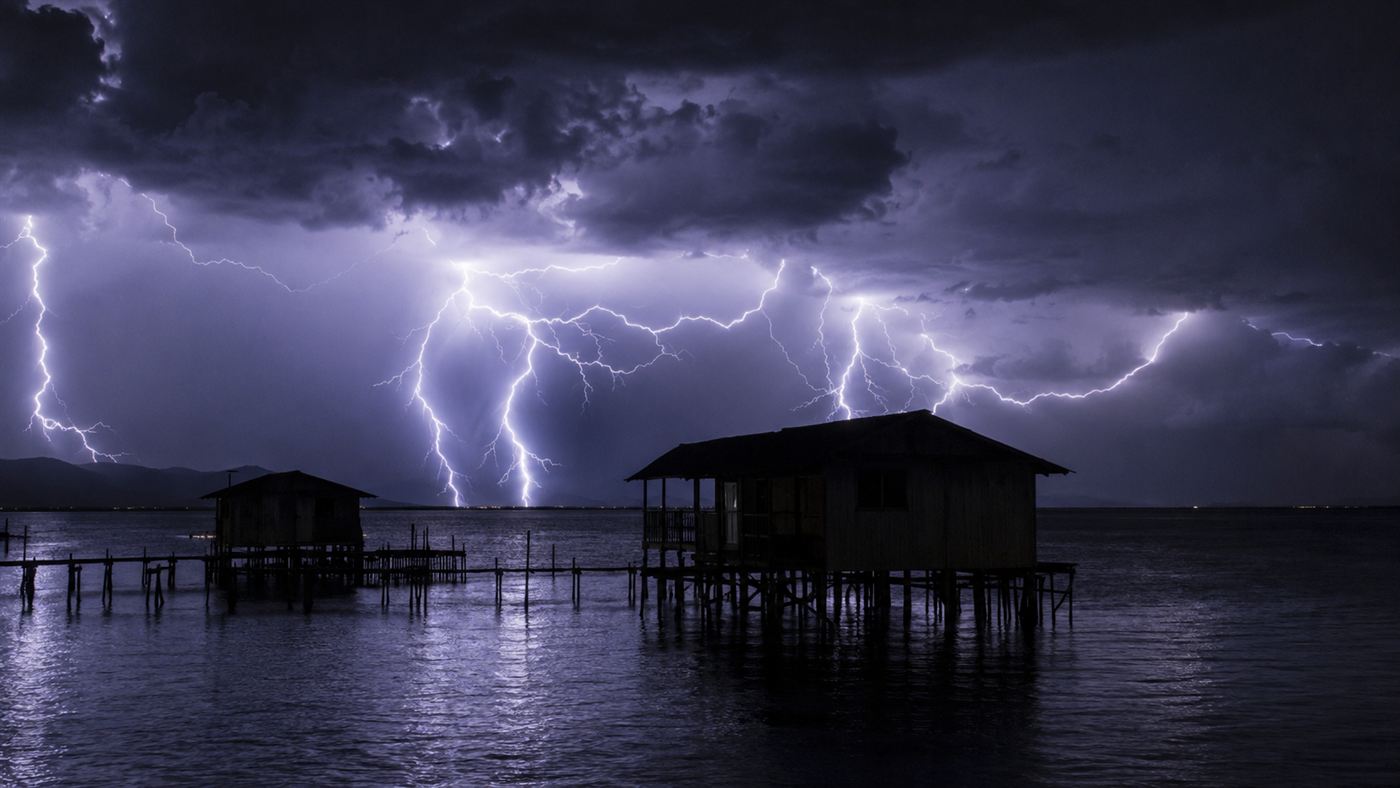
A light that appears in the same place almost every night, visible for hundreds of kilometres out at sea, is not just a spectacle, it is a navigation aid.
As NASA's Earth science writers explain, sailors came to rely on the glow as a fixed point and gave it a name, the Maracaibo Beacon, using the everlasting flicker on the horizon to find the coast and the mouth of the lake long before there were electric lighthouses.
It became woven into local identity as well, proud enough to be stamped onto the flag and coat of arms of the surrounding Zulia state.
A region had taken the most violent thing the sky can do and turned it into a landmark, a guide, even a symbol of home.
The honest catch
It is tempting to call something this reliable eternal, which is exactly the word the legend uses, but the 2010 silence is a warning against that.
The storm is not a fixed feature of the planet so much as the output of a delicate balance, the right heat, the right moisture, the right mountains, all lining up night after night, and when a deep drought tipped that balance, the everlasting storm simply switched off for a month and a half.
A changing climate that shifts rainfall and temperature in the basin could dim or disrupt it in ways nobody can fully predict.
There is a quieter catch too, which is how little we still know it up close.
The lightning happens over a remote, swampy, often troubled corner of Venezuela, which has kept scientists and cameras at arm's length, so much of what is written about it, including some of the eye-watering record numbers, comes from estimates and satellites rather than someone standing under it with instruments night after night. Other strange lights have had the opposite treatment, like the Hessdalen lights in Norway, studied with cameras and radar for forty years.
None of that dims the wonder.
If anything it sharpens it.
The most electric place on the entire planet is a marshy river mouth most of the world has never heard of, lit up almost every night by nothing more exotic than warm air, cold mountains and time.
One small lake in Venezuela hosts the most concentrated lightning on the planet, so dependable that sailors once steered by it, yet fragile enough to vanish for weeks when the weather tilts.
Would you travel to stand under a storm that performs almost every single night, or is some lightning best admired from very far away? Tell us what you think in the comments.
Related reading: Deep in the Peruvian Amazon runs a river so hot it can cook anything that falls in, and for years scientists insisted it could not possibly exist.