Almost no one has heard of the Bessemer process, but this sparky trick for making cheap steel in 1856 quietly built the railways, bridges and skyscrapers of the modern world
Some inventions get all the glory, the light bulb, the telephone, the aeroplane. Others reshape the world just as profoundly and are almost invisible. The Bessemer process is one of those. You have probably never heard its name, and you almost certainly live inside what it made.
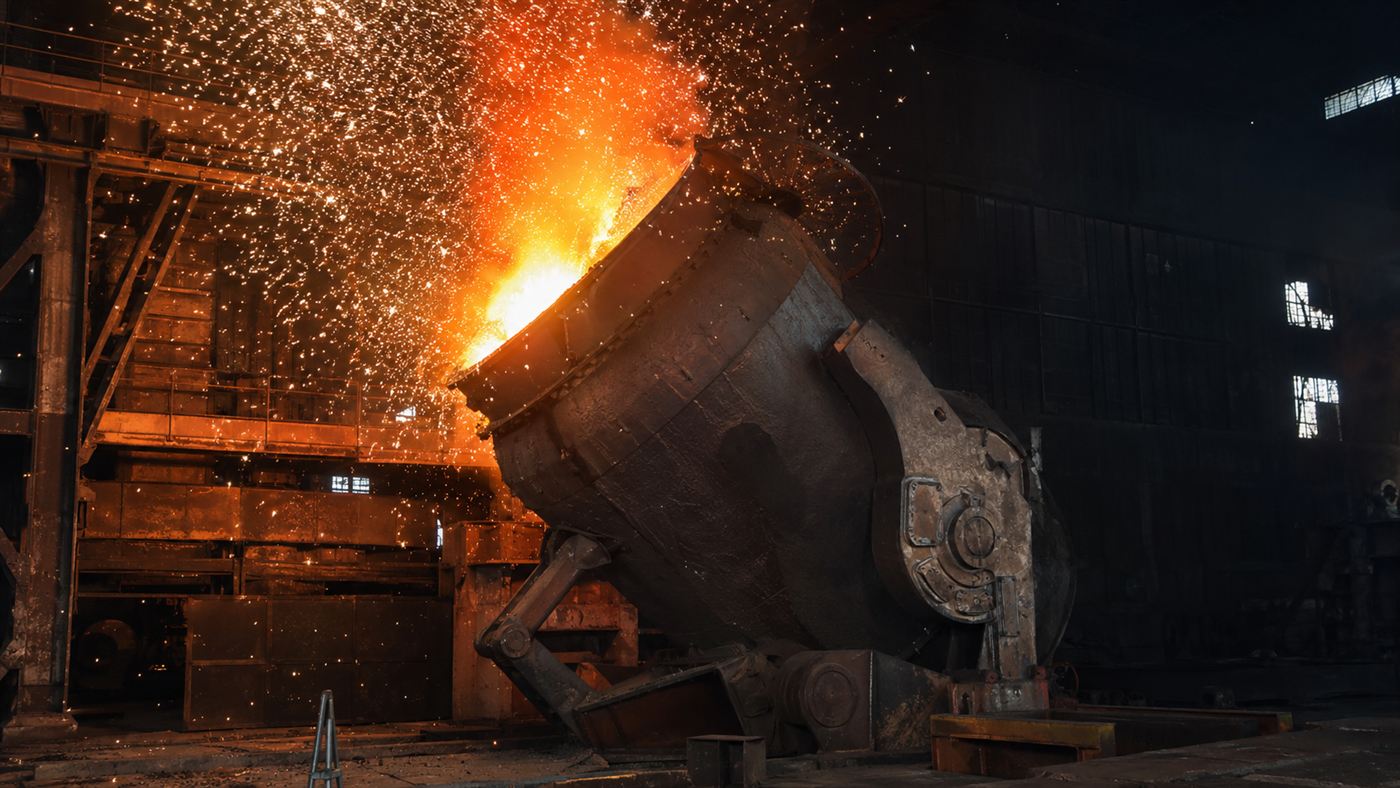
A Bessemer converter in full blast, turning molten iron into cheap steel. Illustration: Watts & Wild.
The Bessemer process sounds like the driest thing imaginable, a bit of 19th-century metallurgy about blowing air through hot iron. But its consequences are anything but dry. It is the reason cities can rise into the sky, the reason railways could span continents, the reason bridges could leap across great rivers. Before it, steel was a rare and pricey material. After it, steel was everywhere, and the world we recognise today became possible.
As Britannica describes, the Bessemer process was the first inexpensive method for mass-producing steel from molten pig iron, and it kicked off what is sometimes called the Age of Steel. It was, in a very literal sense, the process that gave the modern world its skeleton, even if the man behind it never became a household name.
The short version: Before the 1850s, steel was rare and expensive, so builders used weaker iron. Around 1856 Henry Bessemer found that blowing air through molten iron burned off its impurities and made steel cheaply, in bulk. That collapse in the price of steel enabled railways, bridges, ships and skyscrapers, and powered the Second Industrial Revolution that shaped the world we live in.
A world short of steel
To feel why this mattered, you have to understand the problem with iron. Builders of the early 1800s mainly had two forms of it. Cast iron was hard but brittle, liable to crack and shatter under stress. Wrought iron was tough and bendable but relatively soft and weak. steel, iron with just the right amount of carbon, was far stronger and more versatile than either, the ideal building material.
The trouble was that steel was extremely expensive. It could only be made in small batches by slow, fuel-hungry methods, so it was reserved for precious items like sword blades, springs, cutlery and fine tools. Using it to build a bridge or a railway line was unthinkable, like paving a road with silver. The world was hungry for steel and simply could not afford it, and that scarcity put a hard ceiling on what engineers could build.
Blowing air through molten iron
Then came a wonderfully counter-intuitive idea. Henry Bessemer, an English inventor with a long list of patents to his name, worked out that you could purify molten iron by blasting cold air straight through it. It sounds like a way to cool the metal down, but the opposite happens. The oxygen in the air violently burns away the excess carbon and other impurities in the iron, and that burning releases enormous heat, keeping the metal molten with no extra fuel at all.
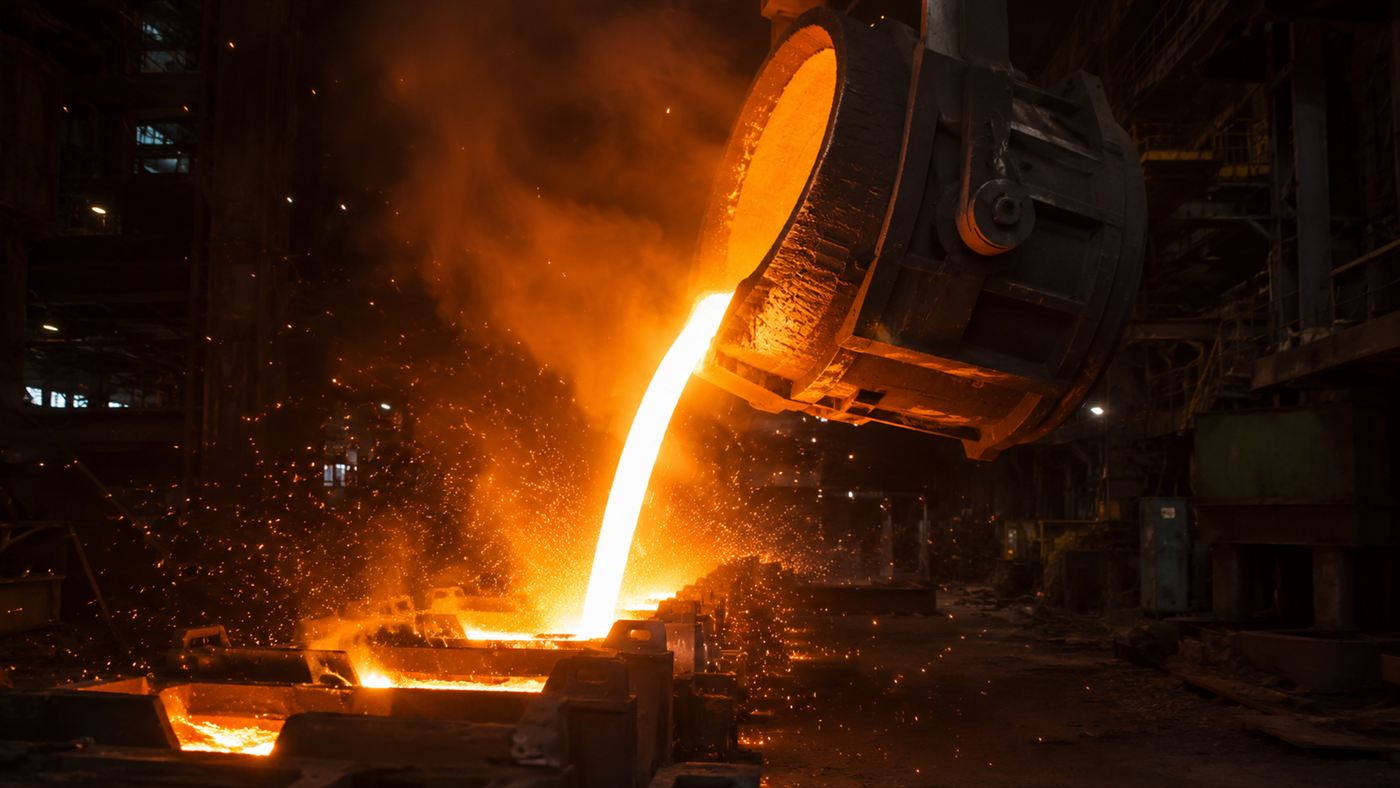
In a big pear-shaped vessel called a converter, the reaction is spectacular, a roaring geyser of sparks and flame that lasts around twenty minutes and transforms a charge of brittle pig iron into usable steel. Where the old methods produced steel by the pound over days, the converter produced it by the tonne in minutes. It was a staggering leap in speed and scale, and it sent the cost of steel plunging.
The problem, and the fix
The early process had a serious flaw. It only worked well with iron ores low in phosphorus, and much of the world's iron, including a lot of Europe's, was rich in it, producing steel that was dangerously brittle. For a while this limited how widely the method could spread, and it caused real trouble and disappointment.
The fix came from others. A young metallurgist named Sidney Gilchrist Thomas devised a way to line the converter with a chemical base that soaked up the phosphorus, unlocking the process for the world's common ores. And across the Atlantic, an American named William Kelly had independently hit on a similar air-blowing idea around the same time as Bessemer, leading to a tangle over who really invented it. The cheap-steel revolution, it turned out, was not one man's doing but a collision of several.
How the Bessemer process built the modern world
However the credit is shared, the result was world-changing. As the Bessemer process and its improvements spread, the price of steel collapsed, and suddenly engineers could use it for things that had been impossible. Railways relaid their tracks in tough steel rather than soft iron, letting trains run faster, heavier and safer, and rail networks exploded across continents.
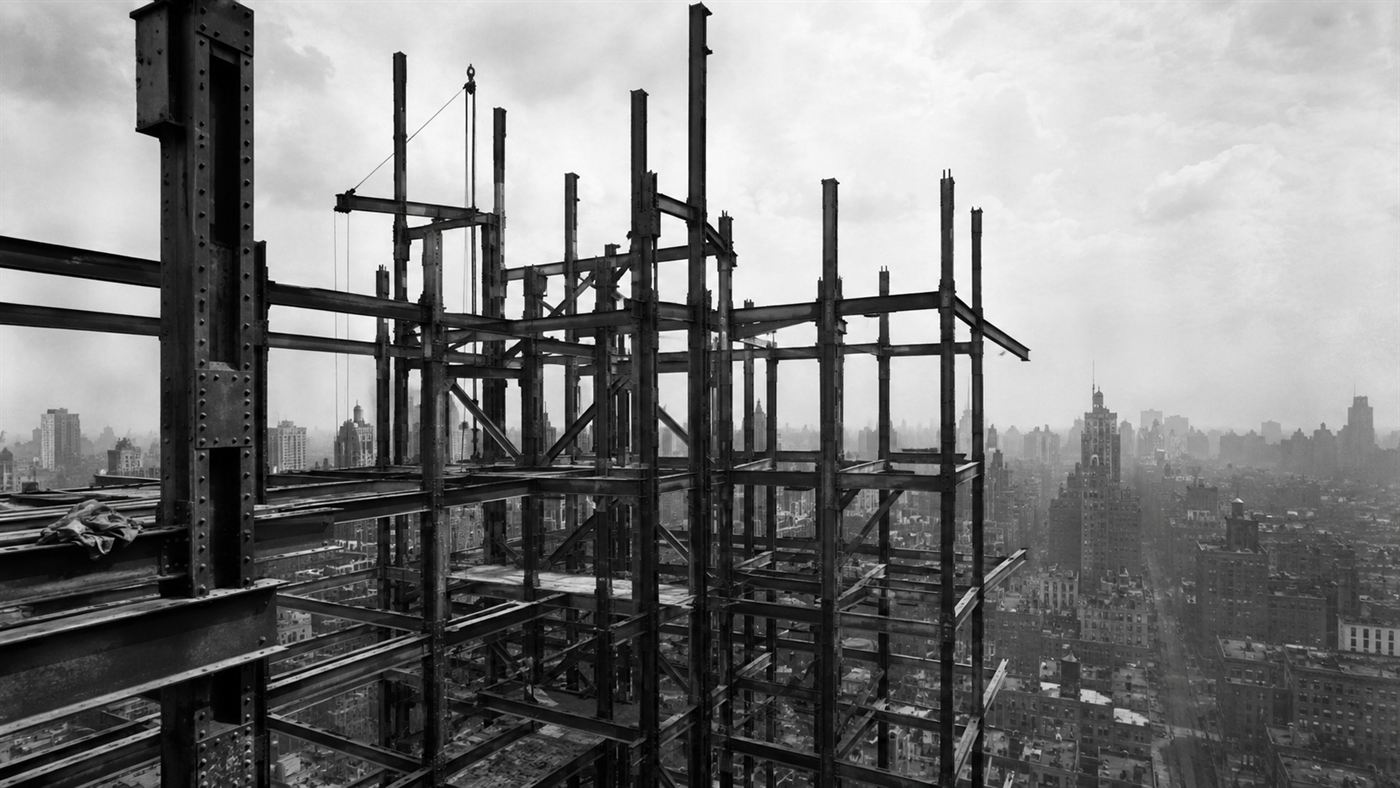
Then the buildings changed. Cheap steel beams meant you could build a frame strong enough to hold up a tower far taller than brick or stone allowed, and the steel-framed skyscraper was born, sending cities upward. Bridges grew longer, ships grew bigger, and factories filled with steel machinery. This flood of affordable steel was the backbone of the Second Industrial Revolution, and it minted vast fortunes, none larger than that of Andrew Carnegie, who built an empire on Bessemer steel and became one of the richest men in history.
The invisible foundation
What is striking is how completely this revolution has faded into the background. Almost everyone has heard of Edison or the Wright brothers, but hardly anyone can tell you who Henry Bessemer was, even though the results of his process surround us every single day. The steel in the rails under a train, the beams inside every large building, the frame of every car and bridge, all of it descends from that roaring converter.
It is a reminder that some of the most powerful inventions are the ones we stop noticing precisely because they succeed so completely. Steel became so cheap and so ordinary that we take it utterly for granted, and with it we forgot the moment it stopped being a luxury. The modern world stands on a foundation of cheap steel, and the process that poured that foundation runs quietly beneath our feet, unseen and mostly unremembered.
The honest catch
A fair account has to complicate the hero story. The neat idea of a lone genius named Bessemer is not quite right, because William Kelly's independent work muddies the question of who was first, and Sidney Gilchrist Thomas's fix was what truly made the method work for most of the world's iron. The revolution was collaborative and contested, not a single flash of one man's brilliance.
And the Age of Steel had a harsh underside. The mills that poured all that cheap steel were brutal, dangerous places, where workers laboured punishing hours amid molten metal for low pay, and disputes over those conditions turned bloody, as in the famous Homestead strike at one of Carnegie's plants. The same abundant steel also armoured battleships and built the machinery of ever larger wars. Cheap steel gave us soaring cities and continent-spanning railways, and it was forged, quite literally, in fire and often in suffering. The Bessemer process built the modern world, but it is worth remembering the full cost of the foundation, and the many hands, credited and uncredited, that laid it.
A sparky trick in a Victorian foundry quietly built the skyline you live under. Should the Bessemer process be remembered as one of history's most important inventions, or is it fitting that the technologies which shape us most deeply are the ones we notice least? Tell us what you think in the comments.
Related reading: The Silver Bridge, a reminder that the steel holding up our world can hide fatal flaws, or James Watt, whose steam engine powered the industrial age that steel would build, or the Liberty ships America welded from that steel to out-build a war.
More from Watts & Wild
More in Industry & Mega-Builds →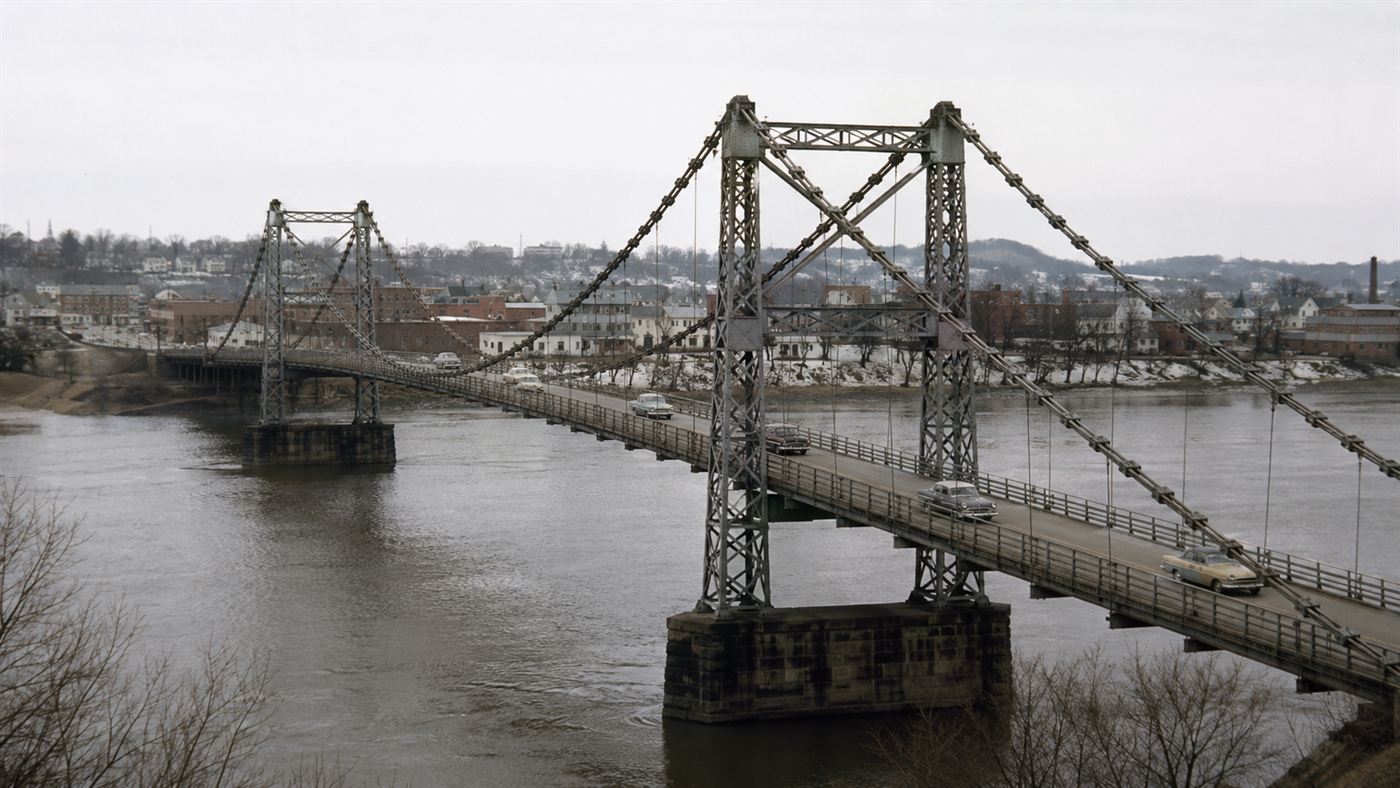

Bruno writes about energy history, industrial disasters, and the people who shaped the technologies we take for granted. He is based in Brazil.