Thousands of geese fell dead onto a Montana lake so acidic it dissolves metal, then two chemists found the microbes thriving in the Berkeley Pit were making new cancer and antibiotic drugs
The Berkeley Pit in Butte, Montana is a mile-wide crater of water so poisonous that a flock of snow geese landing on it in 2016 died by the thousands. Yet the microbes that somehow live in that acid have handed two Montana chemists a string of promising new medicines.
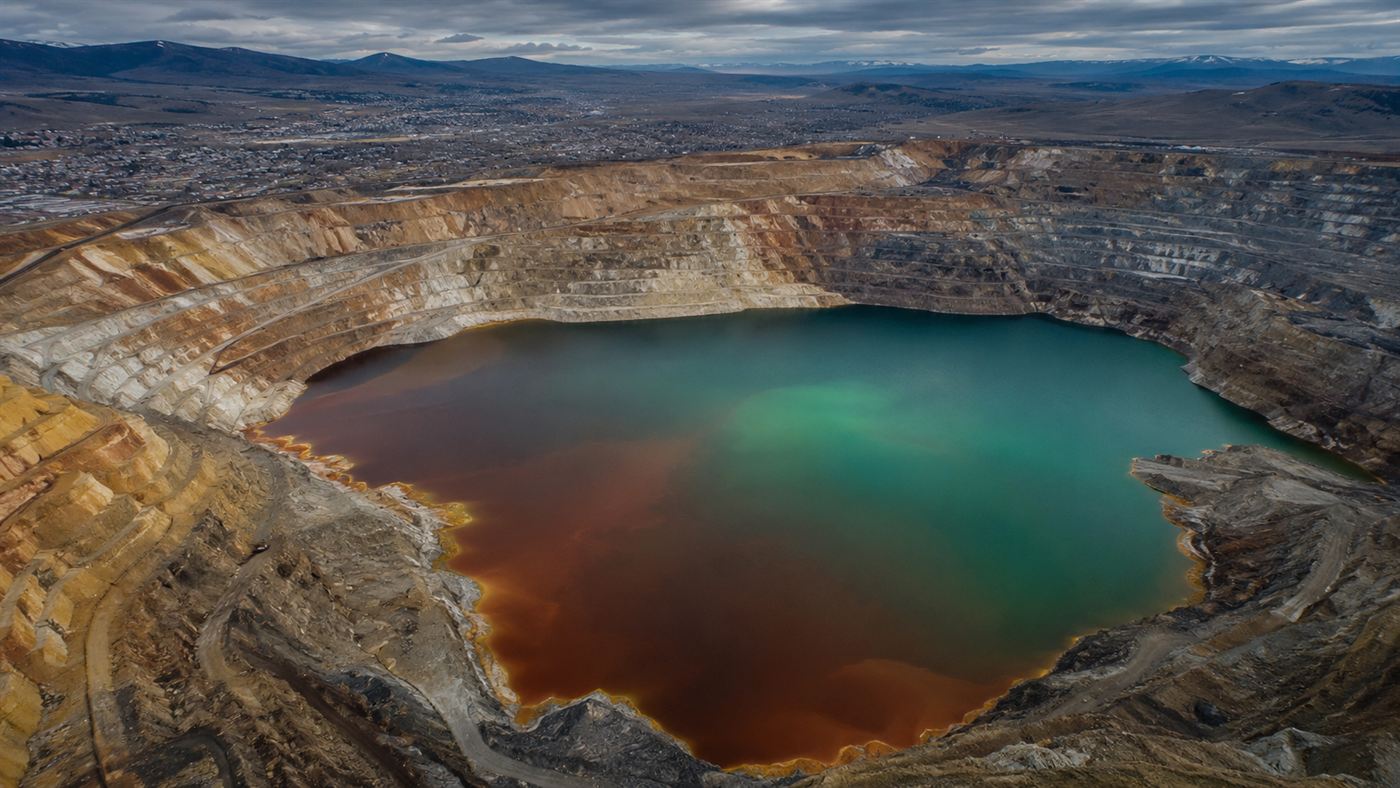
The pit near Butte, Montana holds a lake of acidic, metal-laden water inside a played-out copper mine. Illustration: Watts & Wild.
The Berkeley Pit does not look like a place where anything should be alive. It is a mile-long crater on the edge of Butte, Montana, filled almost 900 feet deep with rust and teal water that is roughly as acidic as lemon juice and thick with dissolved copper, arsenic, cadmium and zinc. On the night of November 28, 2016, an estimated 60,000 migrating snow geese, forced down by a sudden snowstorm, mistook it for a safe pond. Within days, thousands of them were dead.
For decades the pit was written off as a dead zone, one corner of the largest Superfund site in North America. Then two chemists at Montana Tech, Andrea and Don Stierle, went looking for life in the poison, and found it. As the American Chemical Society's C&EN has reported, the fungi and bacteria they pulled from the Berkeley Pit have produced a run of compounds no one had ever seen, molecules that kill cancer cells, calm inflammation, and stop drug-resistant bacteria cold.
The short version: the Berkeley Pit is a flooded copper mine in Butte, Montana whose water is acidic and metal-laden enough to kill birds on contact. Microbes that adapted to survive there produce unusual molecules, and researchers have turned several of them into promising early leads for anticancer, anti-inflammatory and antibiotic drugs.
What is the Berkeley Pit, and why is the water so deadly?
The Berkeley Pit opened in July 1955, when the Anaconda Copper Mining Company began carving a giant open pit out of the richest hill in America, the copper deposit that built Butte, Montana. Digging stopped on April 22, 1982, and the pumps that had kept the old underground workings dry were switched off. Groundwater began to rise, seeping through fractured rock full of pyrite and metal ores.
That is where the trouble starts. When water and oxygen meet sulfide minerals, they brew sulfuric acid in a runaway reaction called acid mine drainage, and the acid then strips more metals out of the surrounding rock. The pit now holds around 50 billion gallons of that brew, roughly as acidic as lemon juice, carrying dissolved copper, arsenic, cadmium and zinc. It is not a lake so much as a slowly concentrating chemical bath, and it is still rising.
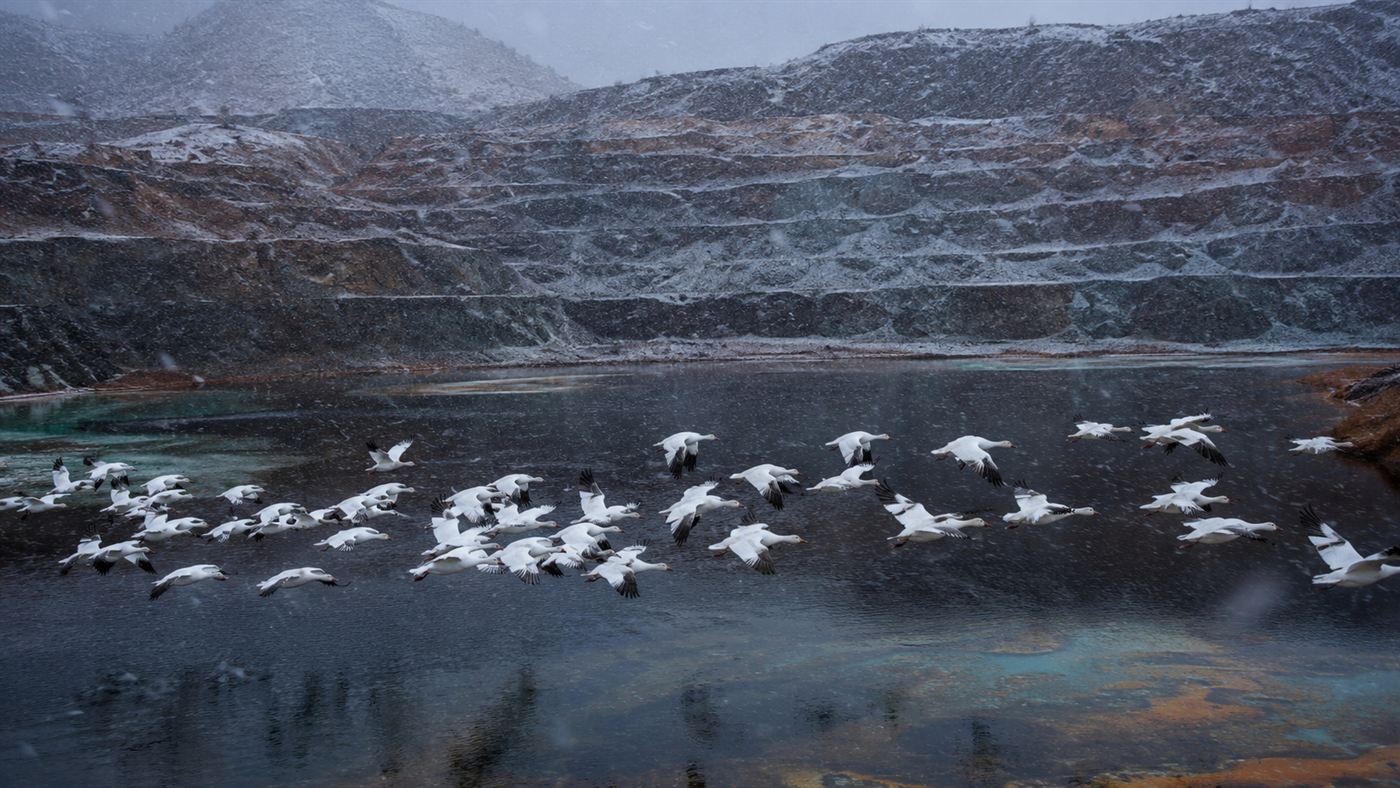
The night the sky rained snow geese
The 2016 disaster was not the first. In November 1995, a flock came down on the water during a storm and 342 snow geese were found dead, a toll that shocked Butte and put the pit on the map as a killer of birds. Autopsies described insides burned and blistered by the acid. Ever since, the companies responsible have run a small army of deterrents, from rifle-fire noisemakers to spotlights and drones, to keep flocks from settling.
Those defenses were overwhelmed on that November night in 2016, when CNN reported that roughly 60,000 snow geese descended at once and the water turned white with birds. Crews worked for days to haze the survivors off. It was a blunt reminder of just how lethal the pit still is, and it is the reason the same water becoming a source of medicine feels almost impossible. Birds die at human-built sites in other grim ways too, like the ones scorched midair at a solar plant in the Mojave.
The two chemists who went looking for life in the poison
Andrea Stierle already had a fungus named after her before she ever sampled the pit. In 1993 she and her colleagues found Taxomyces andreanae, a fungus living in Pacific yew bark that makes paclitaxel, the blockbuster cancer drug better known as Taxol. The organism carries her name, andreanae, in the scientific record. So when locals joked that nothing could survive in the Berkeley Pit, she and her husband Don, both natural-products chemists at Montana Tech, took it as a question rather than a fact.
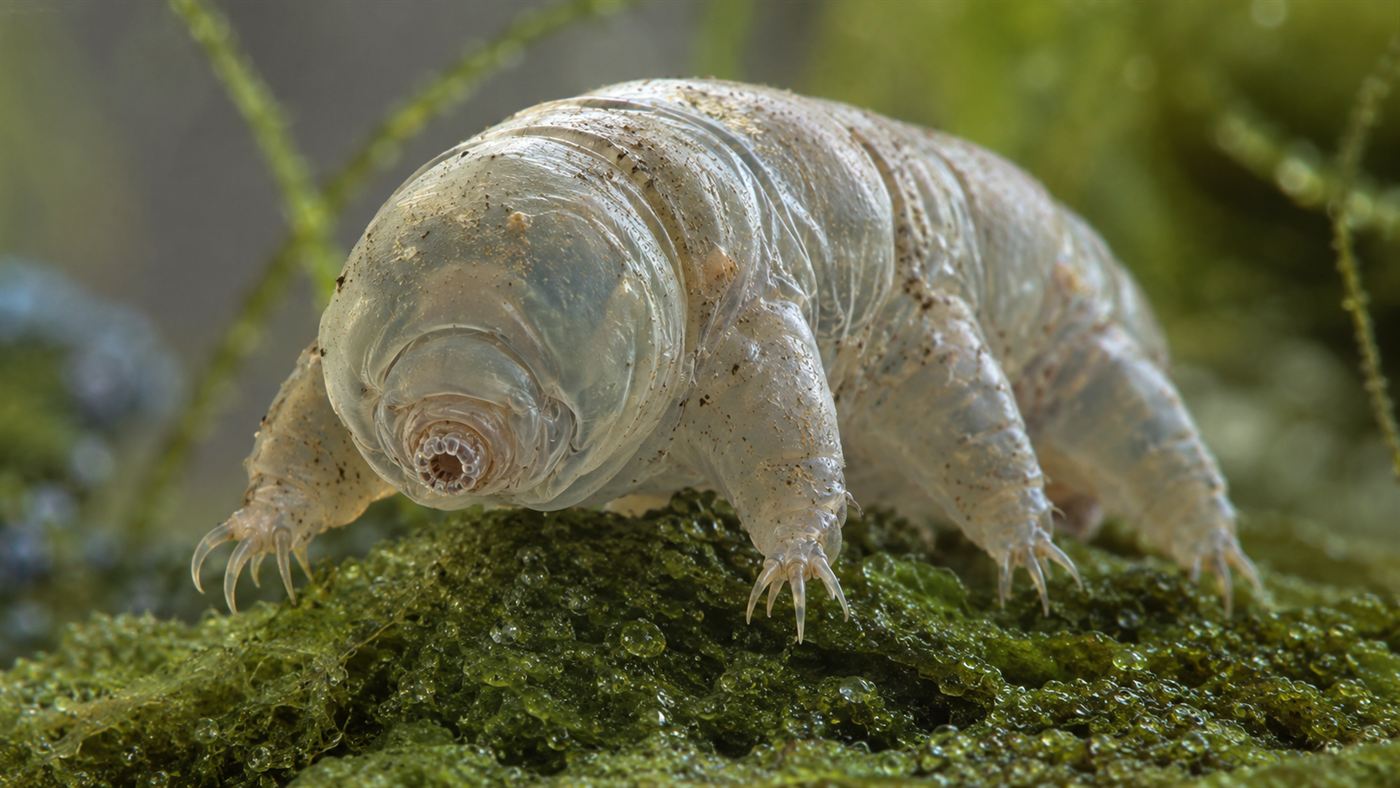
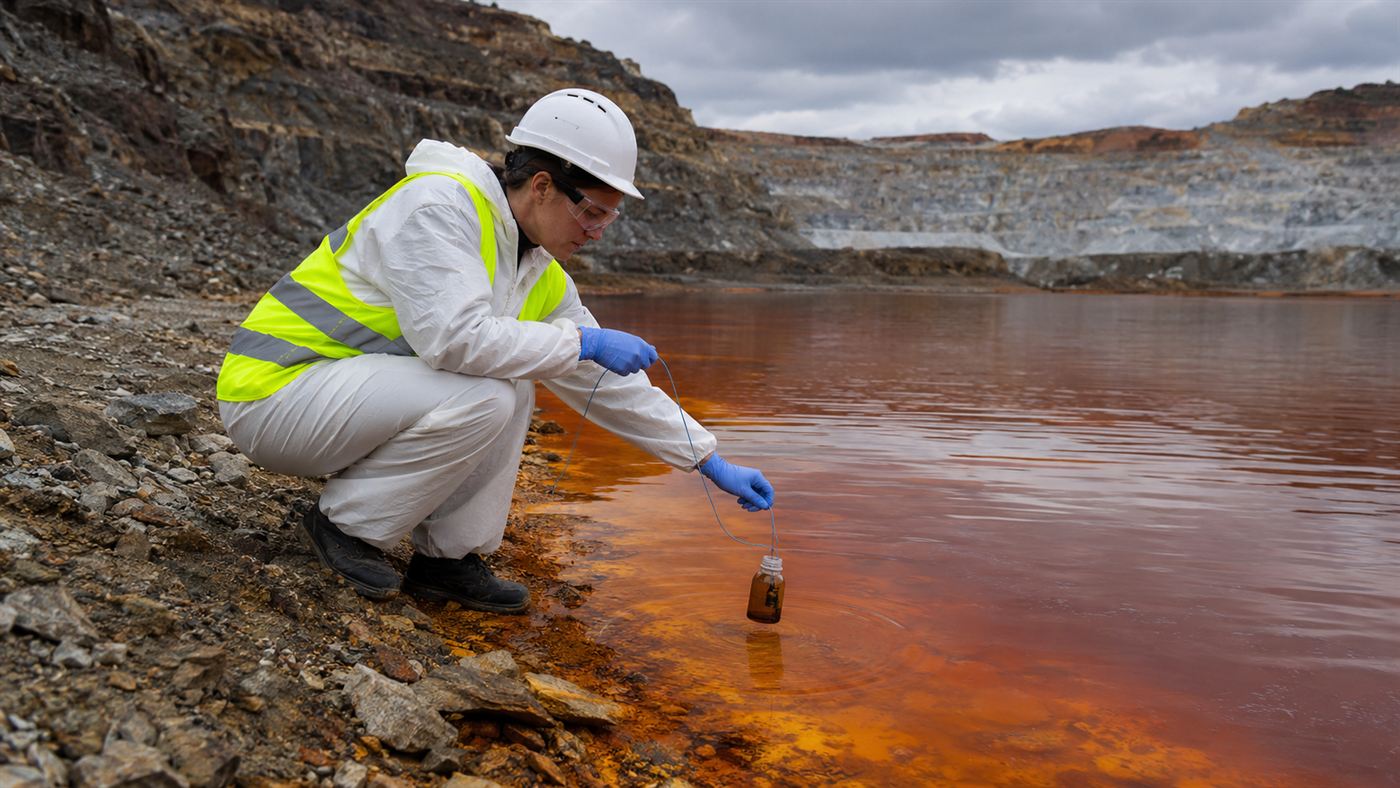
They lowered ropes and sampling gear into water that most people would not touch, and hauled up fungi and bacteria that had no business being alive. These are extremophiles, organisms tuned to conditions that would destroy an ordinary cell, the same knack for survival that lets tardigrades shrug off the vacuum of space. To fend off the metals and acid, the pit's microbes appear to churn out defensive chemistry, and it is that chemistry the Stierles have spent three decades cataloguing.
What did scientists find living in the Berkeley Pit?
The headline discovery is an antibiotic. In 2017 the Stierles reported berkeleylactone A, a new macrolide that appears only when two Penicillium fungi from the pit are grown together, and that kills drug-resistant Staphylococcus aureus, the hospital superbug MRSA. Grown alone, neither fungus makes it. Forced to compete in a shared dish, they switch on a chemical weapon that had never been described, one of sixteen new molecules from that single pairing.
It was not a one-off. Years earlier the same lab pulled berkelic acid out of a pit fungus, a molecule that showed selective activity against ovarian cancer cells in the lab. Others in the family, the berkeleyones, act on the inflammasome, the cellular alarm system behind a long list of inflammatory diseases. Each came from an organism that, by every textbook, should not exist in water that acidic and that full of heavy metal.
Why a Superfund site became a medicine cabinet
There is a logic to hunting for drugs in the worst water in America. These extremophiles live under relentless chemical stress, so they evolve unusual defenses, and those defenses are often exactly the kind of small, potent molecules that make good medicine. A Superfund site scarred by acid mine drainage is, in that sense, an evolutionary pressure cooker, and the pit is one of the most extreme on Earth. What reads as an environmental catastrophe is also an untapped natural library of extremophiles.
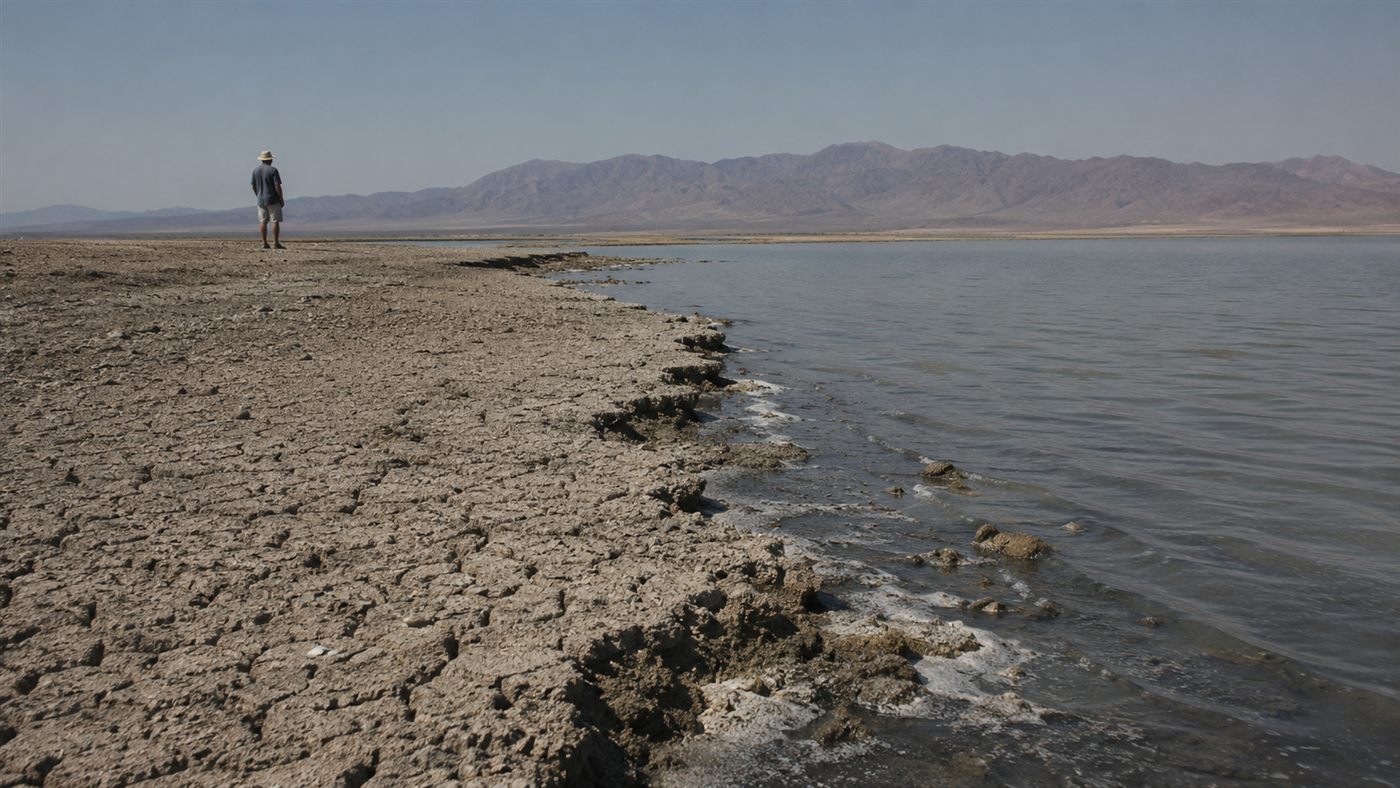
The idea has spread beyond Montana. Researchers now bioprospect other poisoned American places, from the mine tailings of Picher, Oklahoma to acid streams and industrial lagoons, on the same hunch: that life pushed to the edge invents chemistry we cannot. It reframes a liability as an asset, without pretending the liability ever went away. The toxic dust blowing off California's shrinking Salton Sea is a reminder that these damaged places carry real human costs at the same time.
The honest catch
None of this makes the Berkeley Pit good news, and it is worth being blunt about the limits. The compounds are early-stage laboratory leads, not approved drugs. Berkeleylactone A and berkelic acid have shown promise in a dish, but the road from an interesting molecule to something a doctor can prescribe is long, expensive, and littered with failures. Most natural-product leads never make it.
The pit itself remains a slow-motion hazard. Its water is still climbing toward a critical level of 5,410 feet above sea level, the line past which the acid could threaten Butte's groundwater, and a treatment plant now runs to hold it back, likely forever. Finding medicine in the poison is a genuine scientific gift, but it is not redemption. The cleanest version of this story is the one where the mine is never abandoned full of acid in the first place.
A lake acidic enough to kill thousands of geese in a night has quietly become one of the strangest drug-discovery sites on the planet. Would you trust a medicine that started life in the most poisonous water in America? Tell us what you think in the comments.
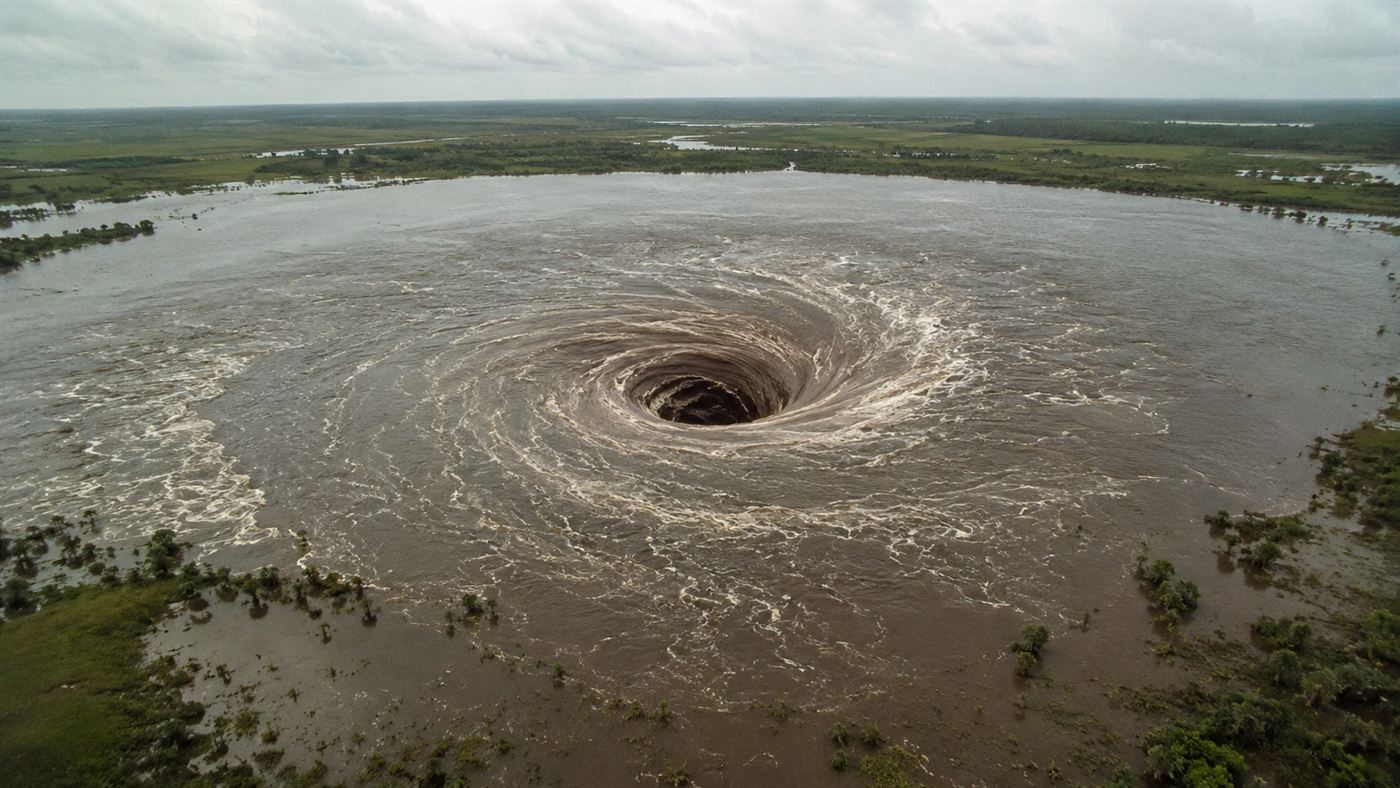
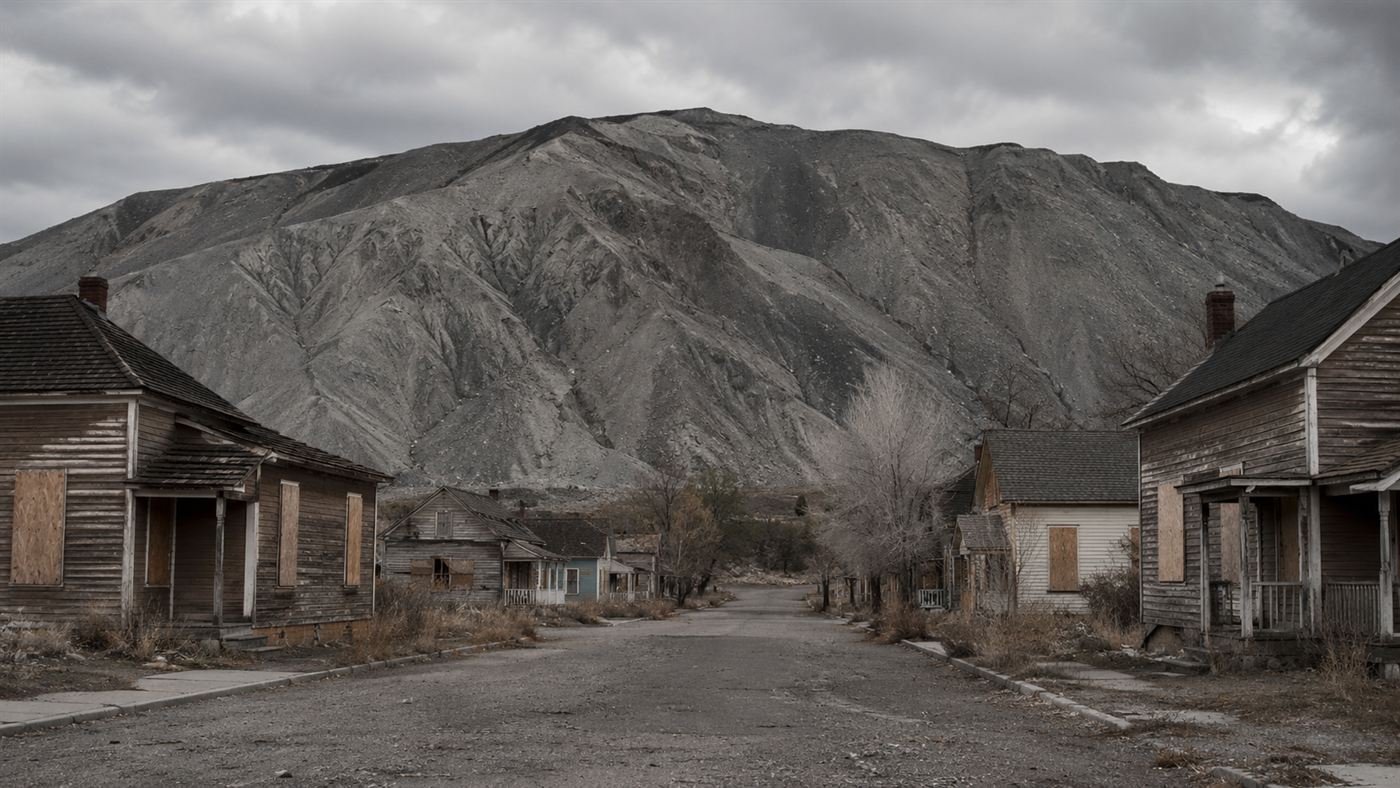
Related reading: how a drilling crew turned Lake Peigneur into a whirlpool when a rig punched into a salt mine, and why a mining boom left Picher, Oklahoma too poisoned to live in. See also how a microbe from a Yellowstone hot spring gave us the enzyme behind every PCR test.