A scientist was told nothing could live in Yellowstone's boiling springs, but the microbe Thomas Brock found there in 1966 gave the world Taq polymerase, the enzyme that makes every PCR and COVID test possible
Every COVID swab, every DNA fingerprint, every read of the human genome leans on a single tough enzyme called Taq polymerase. It did not come from a lab. It came from pond scum in a scalding Yellowstone spring that scientists once swore was too hot for anything to live in.
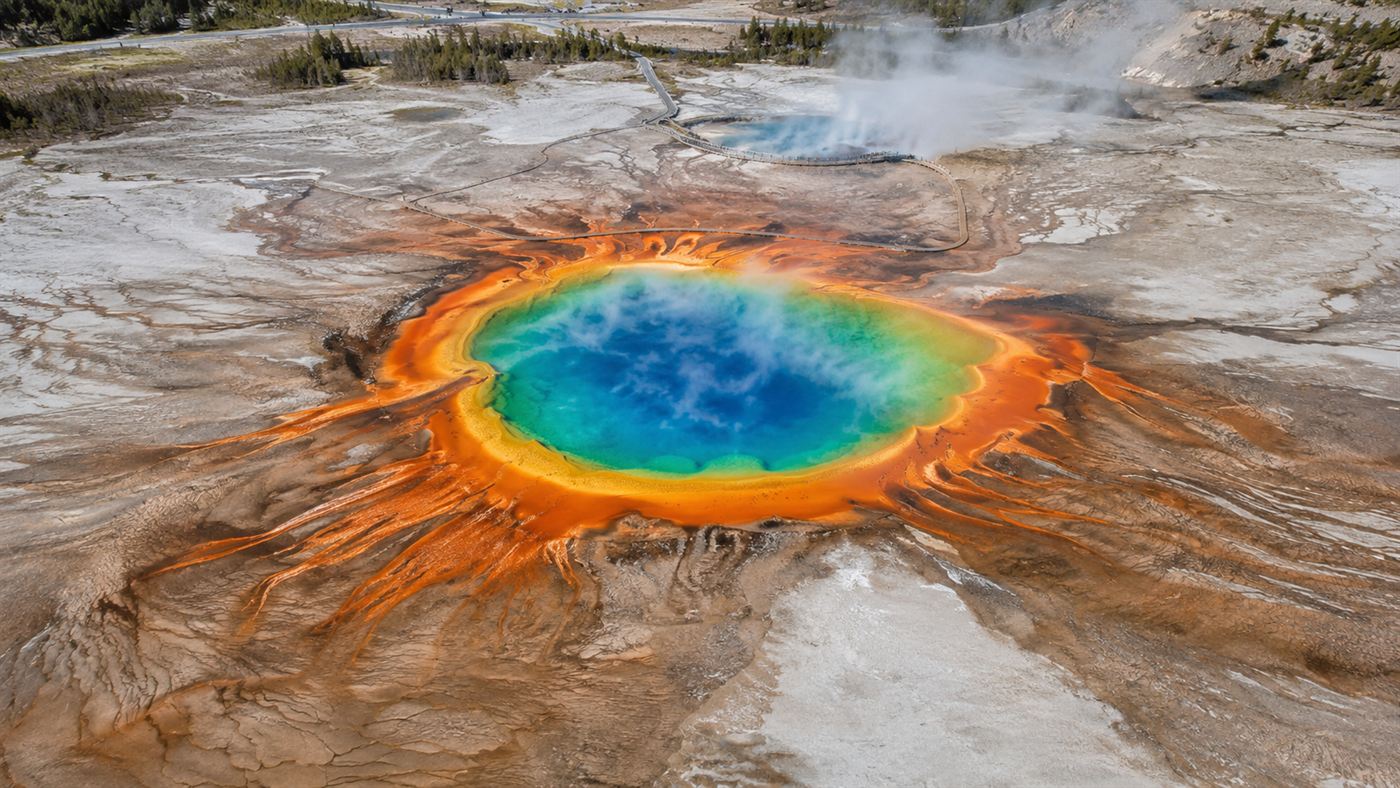
The vivid colors of a Yellowstone hot spring come from heat-loving microbes, one of which changed biology. Illustration: Watts & Wild.
In 1966, a microbiologist named Thomas Brock was poking around the steaming edges of a Yellowstone hot spring, in water hot enough to scald, when he found something that was not supposed to exist. Living in the near-boiling runoff were mats of bacteria, thriving at temperatures the textbooks said should sterilize them. One of those microbes would go on to quietly power a revolution in medicine, and almost no one outside science knows its name.
That microbe is Thermus aquaticus, and the enzyme it makes, Taq polymerase, is now one of the most important molecules in the world. As the U.S. Geological Survey has documented, Brock's discovery in Yellowstone laid the groundwork for a technique that would earn a Nobel Prize and become a fixture of every modern lab. The whole story starts with a man who refused to believe a hot spring was dead.
The short version: Taq polymerase is a heat-resistant enzyme from a microbe found in a Yellowstone hot spring in 1966. Because it keeps working at temperatures that destroy other enzymes, it made the DNA-copying method called PCR practical and cheap. That single enzyme now underpins DNA forensics, genetic research, and the COVID tests used around the world.
What is Taq polymerase and where did it come from?
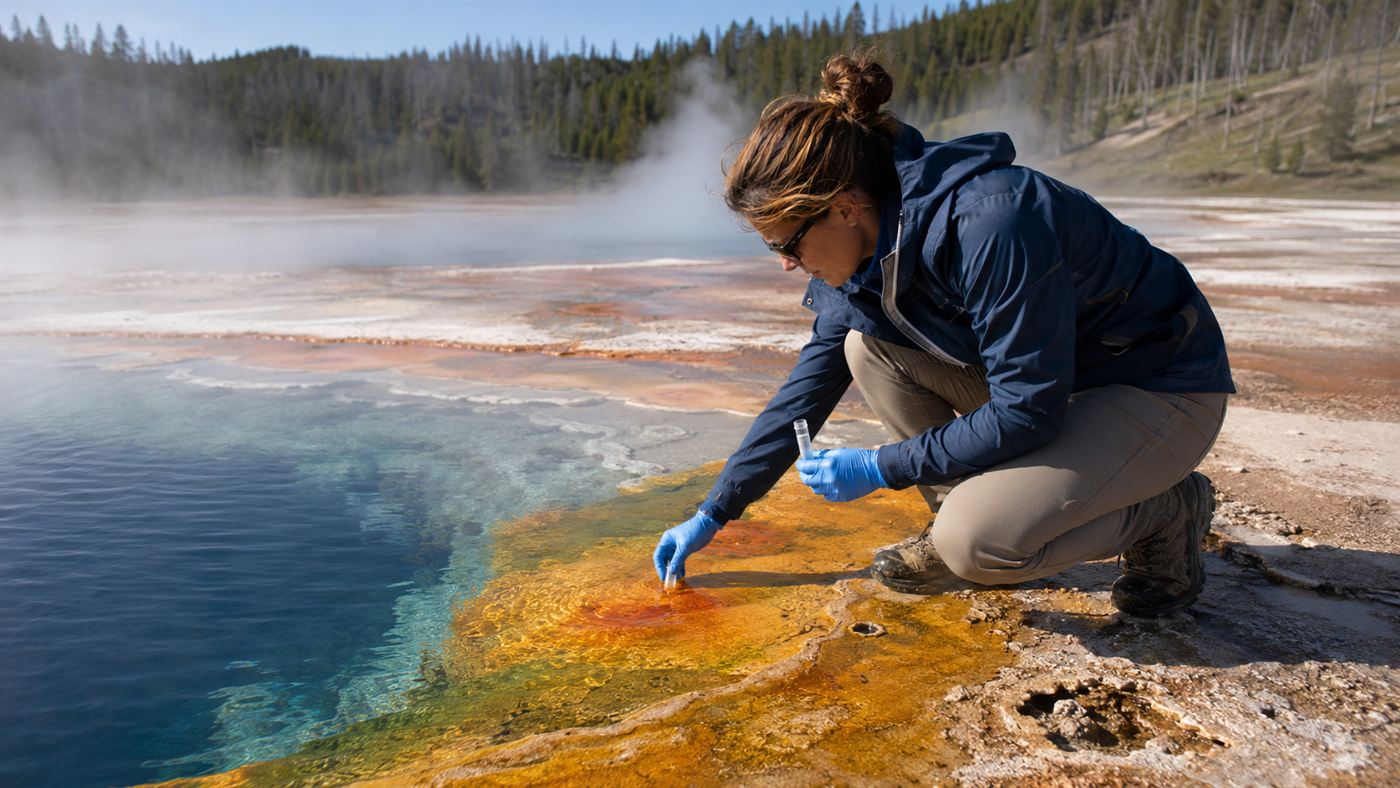
To make sense of why this matters, start with the microbe. When Brock and his undergraduate student Hudson Freeze sampled a spring called Mushroom Pool, they pulled up bacteria living happily at about 71 degrees Celsius, over 160 Fahrenheit. At the time, most scientists believed life gave out well below that, so the find rewrote the rules and helped launch the whole study of extremophiles, organisms that thrive where nothing should.
The key was not just the bug but its machinery. Like all living things, Thermus aquaticus copies its DNA using an enzyme, but its version had evolved to keep working in near-boiling water instead of falling apart. That heat-proof copier is Taq polymerase, named for the microbe, and its stubborn toughness is the entire reason it would later become priceless.
The man who found life where it could not be
Thomas Brock was not looking for a billion-dollar molecule. He was a curious scientist who simply did not accept the assumption that Yellowstone's hot springs were lifeless, and he went to look for himself. What he found reshaped biology's sense of where life can exist, from deep-sea vents to acidic pits, and he published it openly.
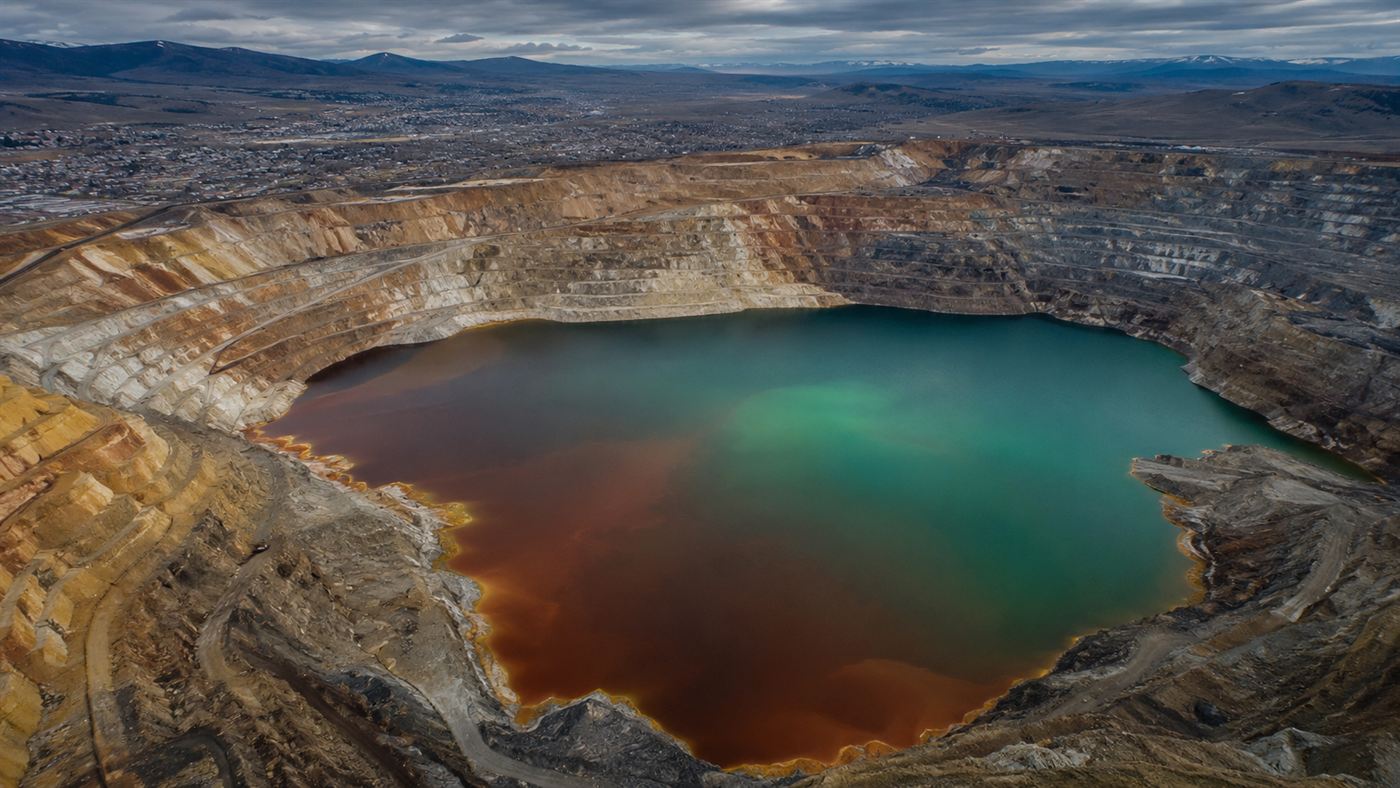
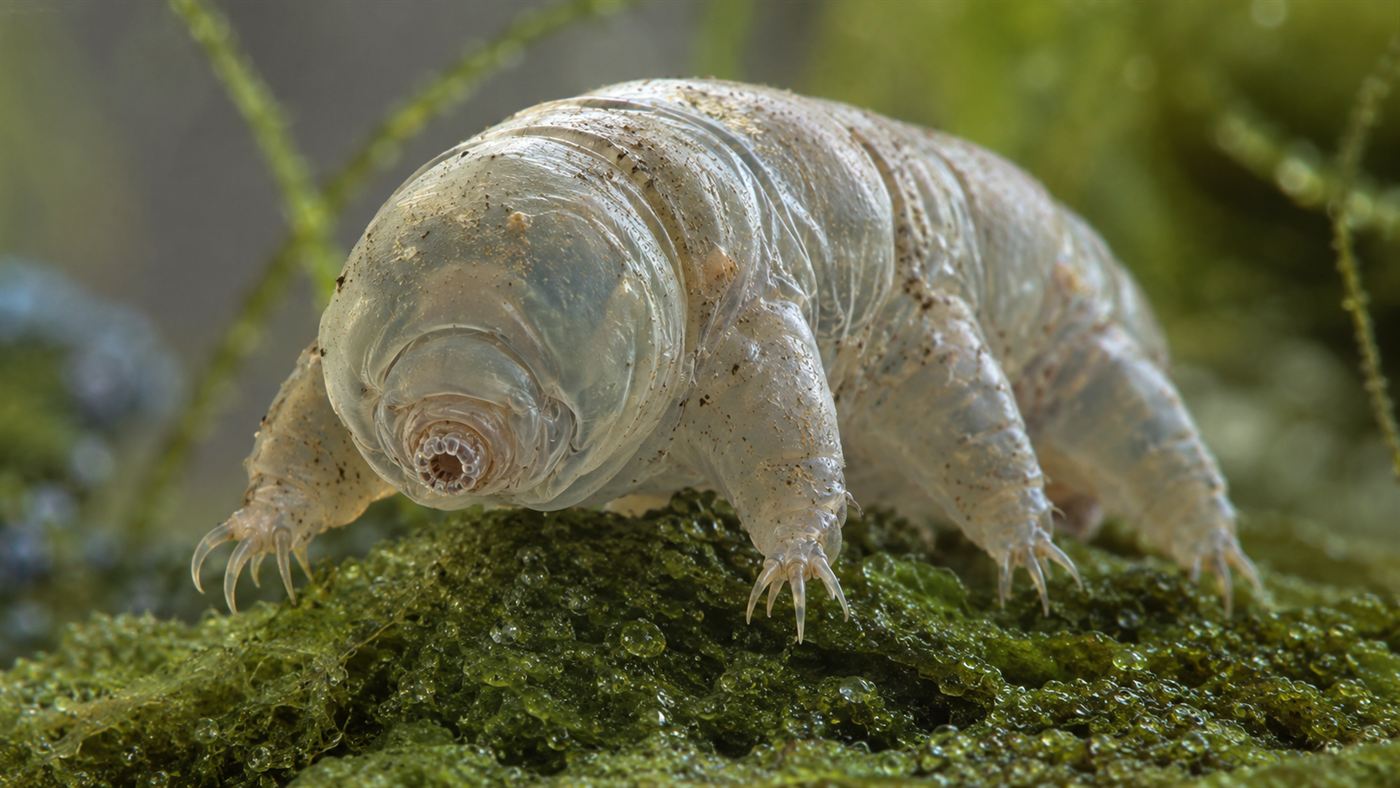
Crucially, Brock did the generous thing: he deposited his Thermus aquaticus strain in a public collection so any researcher could order it. He had no idea that a plain act of scientific sharing was handing the future a tool worth a fortune. The same instinct to look where others assumed there was nothing shows up again and again, in the microbes pulled from a toxic mine pit that make new antibiotics, and in the tardigrades that survive the vacuum of space.
How a hot-spring bug made PCR possible
The leap came almost twenty years later. In 1983 a chemist named Kary Mullis, working at the company Cetus, dreamed up the polymerase chain reaction, or PCR, a way to copy a tiny scrap of DNA into billions of copies. It was a brilliant idea with a practical flaw: the process needs repeated cycles of heating and cooling, and the ordinary enzyme Mullis used was destroyed by the heat and had to be added again every single cycle.
The fix was sitting in a freezer, discovered in Yellowstone years earlier. When researchers swapped in Taq polymerase around 1986, everything changed, because the enzyme shrugged off the heat and only had to be added once. That let the whole reaction run automatically in a machine. A clever idea that had been slow and painful overnight became fast, cheap, and something a machine could do while everyone went home. Mullis won the 1993 Nobel Prize in Chemistry for PCR.
Why is Taq polymerase important for COVID and DNA testing?
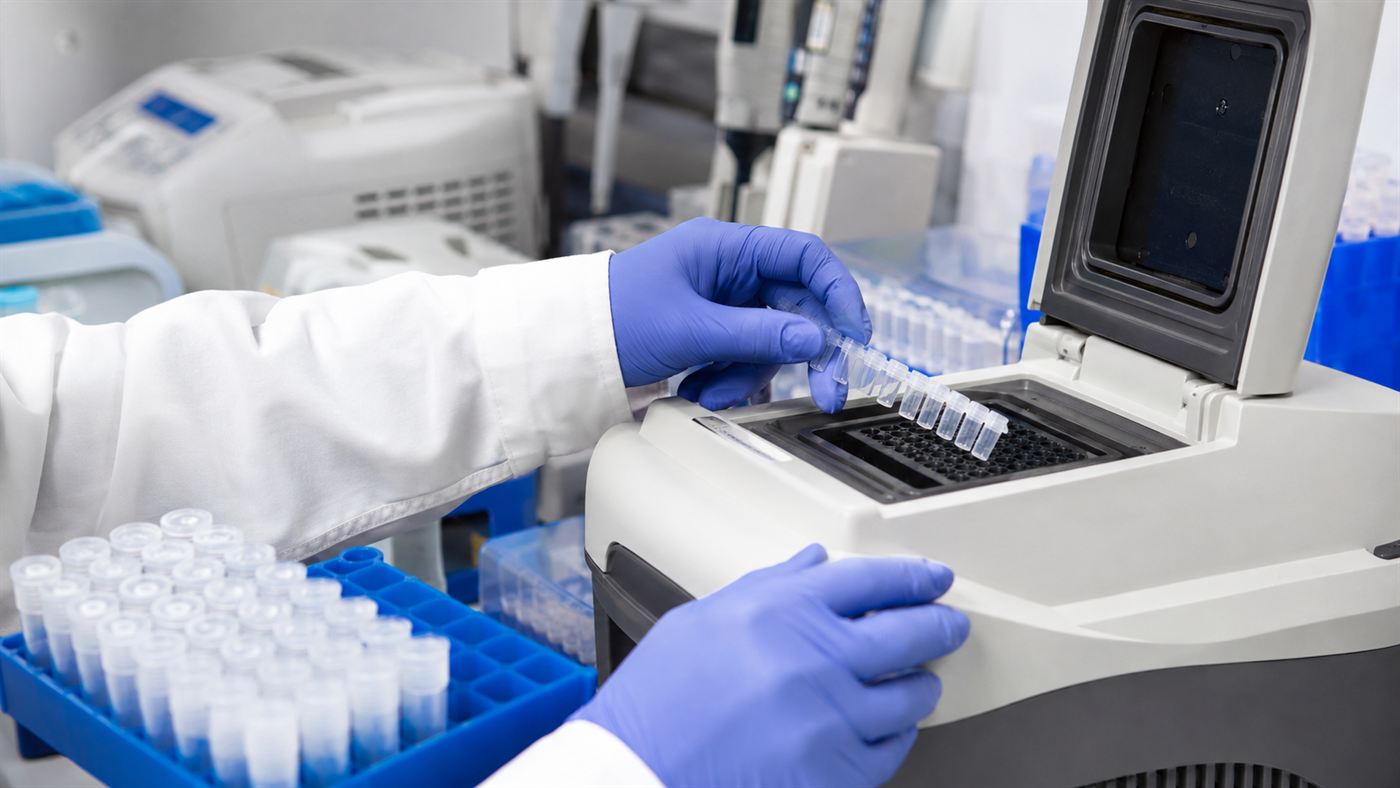
Once PCR was automated, it spread into nearly every corner of biology. It is how a PCR test detects the coronavirus, copying any viral genetic material in a swab until there is enough to see. It is how crime labs match DNA from a few cells at a scene, how doctors test for inherited diseases, and how researchers read genomes. The reading of the entire human genome relied on it.
None of that works without a polymerase that can take the heat, which is why a bug from a national park ended up in billions of dollars of laboratory equipment. When the COVID-19 pandemic hit, the standard diagnostic was a PCR test, meaning a microbe scooped from a Yellowstone spring in 1966 was quietly at work in testing tents and hospitals all over the planet in 2020.
The honest catch
The heroic version of this story, one curious man saves the world, leaves a lot out. PCR was the work of many hands: Mullis had the core idea, but colleagues at Cetus like Randall Saiki and David Gelfand did the work of putting Taq to use, and Brock and Freeze found the microbe in the first place. Great tools rarely have a single author, however tidy that would be.
There is also an uncomfortable money trail. Brock gave his strain away for free, yet the commercial rights to PCR and Taq were later sold for around 300 million dollars, and neither Brock nor Yellowstone nor the public saw royalties from the microbe's fortune. That gap helped spark a long fight over bioprospecting, the question of who profits when a discovery is scooped from public land. Yellowstone has since pushed for benefit-sharing deals, but the case remains a cautionary tale about the value hidden in wild places, and who ends up owning it.
A microbe scooped from a boiling spring turned out to be one of the most valuable discoveries in the history of biology, and it was hiding in plain sight in a national park. How many more world-changing tools are sitting undiscovered in wild places we have barely sampled? Tell us what you think in the comments.
Related reading: how a phantom serial killer turned out to be DNA contamination, and how scientists are now editing human DNA to cure sickle cell.