Almost everyone in Whittier, Alaska lives in the same 14-story building, a former Cold War barracks reached only by a one-lane tunnel that cars and trains share and that locks shut at night
Whittier, Alaska is one of the strangest towns in America. Almost all of its roughly 270 residents live in a single 14-story building, a leftover Cold War barracks that holds the school link, the shop, the police and the church, and the only road in is a one-lane tunnel shared with the trains.
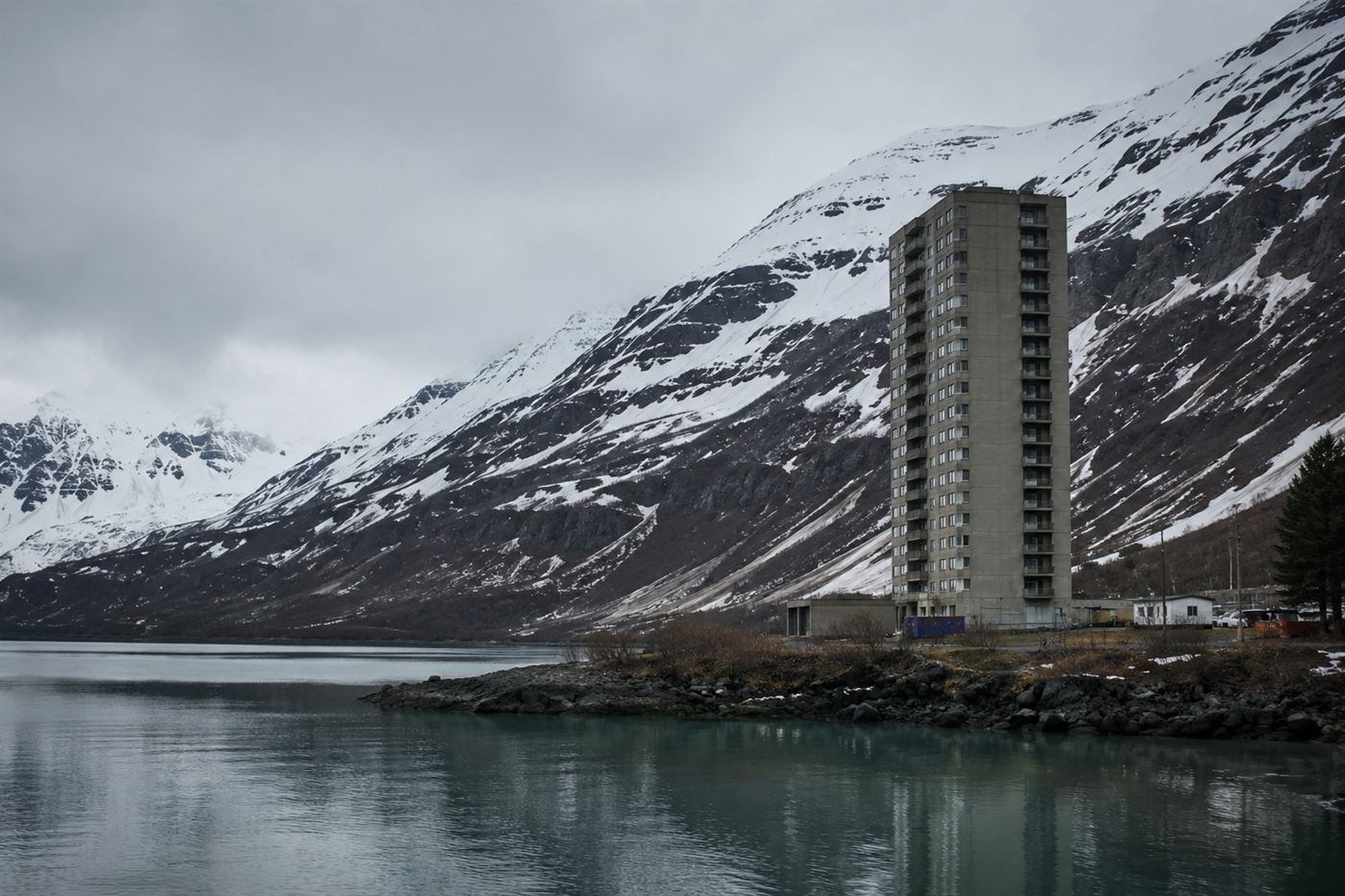
Almost the whole town of Whittier lives in this one Cold War tower by the fjord. Illustration: Watts & Wild.
Whittier, Alaska might be the only town on Earth where you can take your child to school, buy groceries, see a doctor, mail a letter and go to church without ever stepping outside. That is because almost everyone in Whittier lives, works and shops inside the same building, a 14-story concrete tower called Begich Towers, on a fjord ringed by mountains and battered by some of the worst weather in the state.
It was never meant to be a town. The US Army built this place in the 1950s, on a secret port it had carved out of the wilderness during the Second World War, and when the soldiers left, the civilians simply moved into the buildings they left behind. Today around 270 people call it home, almost all of them under one roof.
Whittier is a small town in Alaska where almost all of its roughly 270 residents live in a single 14-story building, Begich Towers, a former army barracks. The building holds a shop, a clinic, a post office, a police station and a church. The only land route in is the one-lane Anton Anderson tunnel, shared by cars and trains, which closes every night.
A whole town inside one building
In a place this cold, having the shop and the doctor a warm elevator ride away is not a quirk but a lifeline.
The children are the clearest example, because the school sits in a separate building reached by an enclosed walkway, so kids can get to class in a blizzard without putting on a coat.
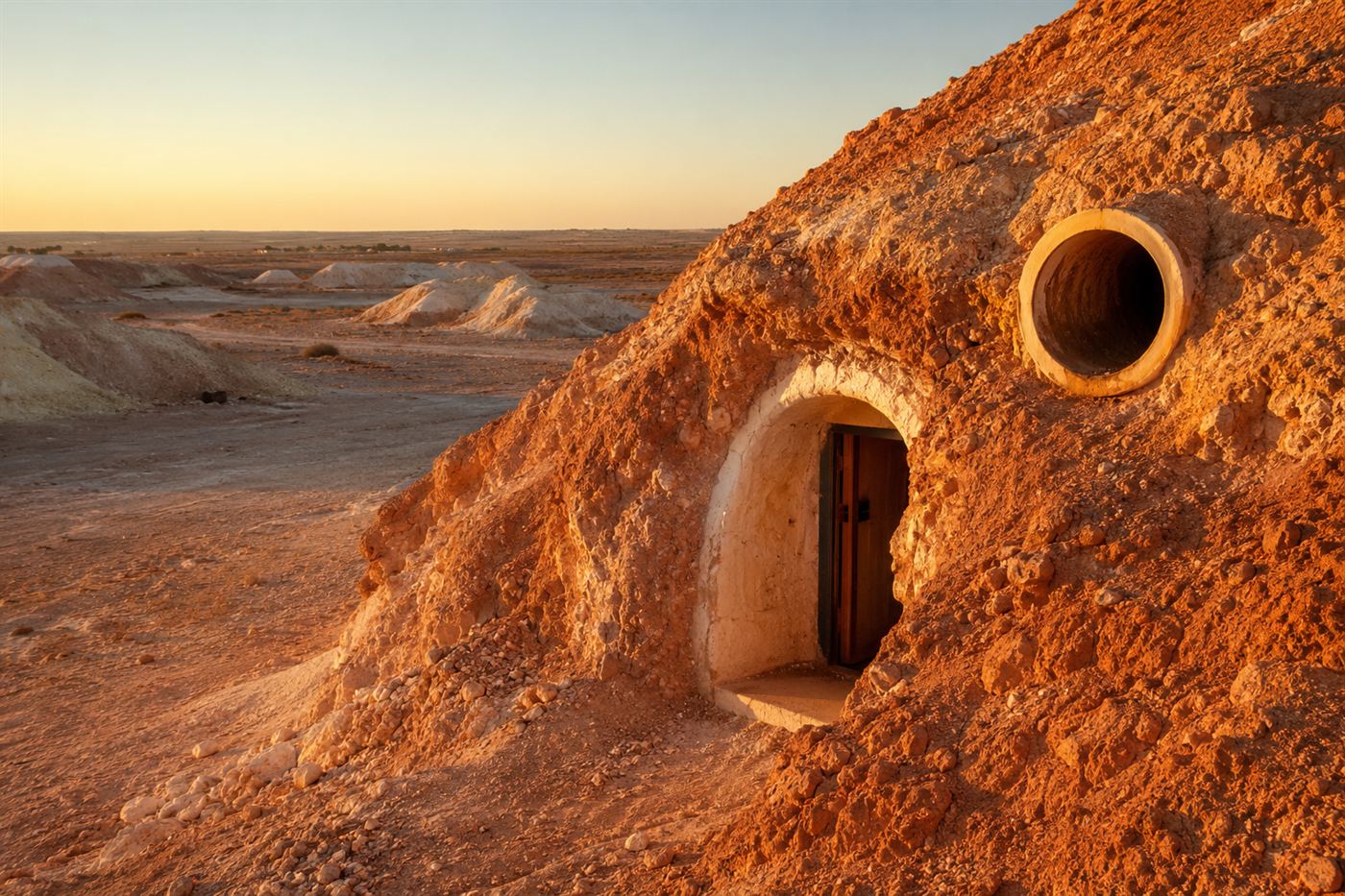
Living so close means everyone knows everyone, in the same intense, inescapable way as the desert dwellers of underground Coober Pedy, or the tens of thousands who once packed into Hong Kong's Kowloon Walled City, the densest place humanity ever built.
It is less a building full of strangers than a single vertical village.
Why was Whittier, Alaska built here at all?
The answer, like so much strange infrastructure, is the military.
As Wikipedia records, the US Army established a base and port at Whittier in 1943, during the Second World War, choosing the spot precisely because it was so often hidden under cloud and fog.
That permanent gloom that makes the weather miserable also made the port almost invisible from the air, which was exactly what a wartime supply base wanted.
Whittier became a key gateway for troops and cargo moving into Alaska, and grew more important still in the early Cold War because of how close it sat to the Soviet Union.
To house everyone the Army threw up huge, self-contained concrete buildings, designed to keep people fed, warm and safe through an Alaskan winter or worse.
When the military finally pulled out in 1960, it left those towers behind, and a tiny civilian town grew up inside them.
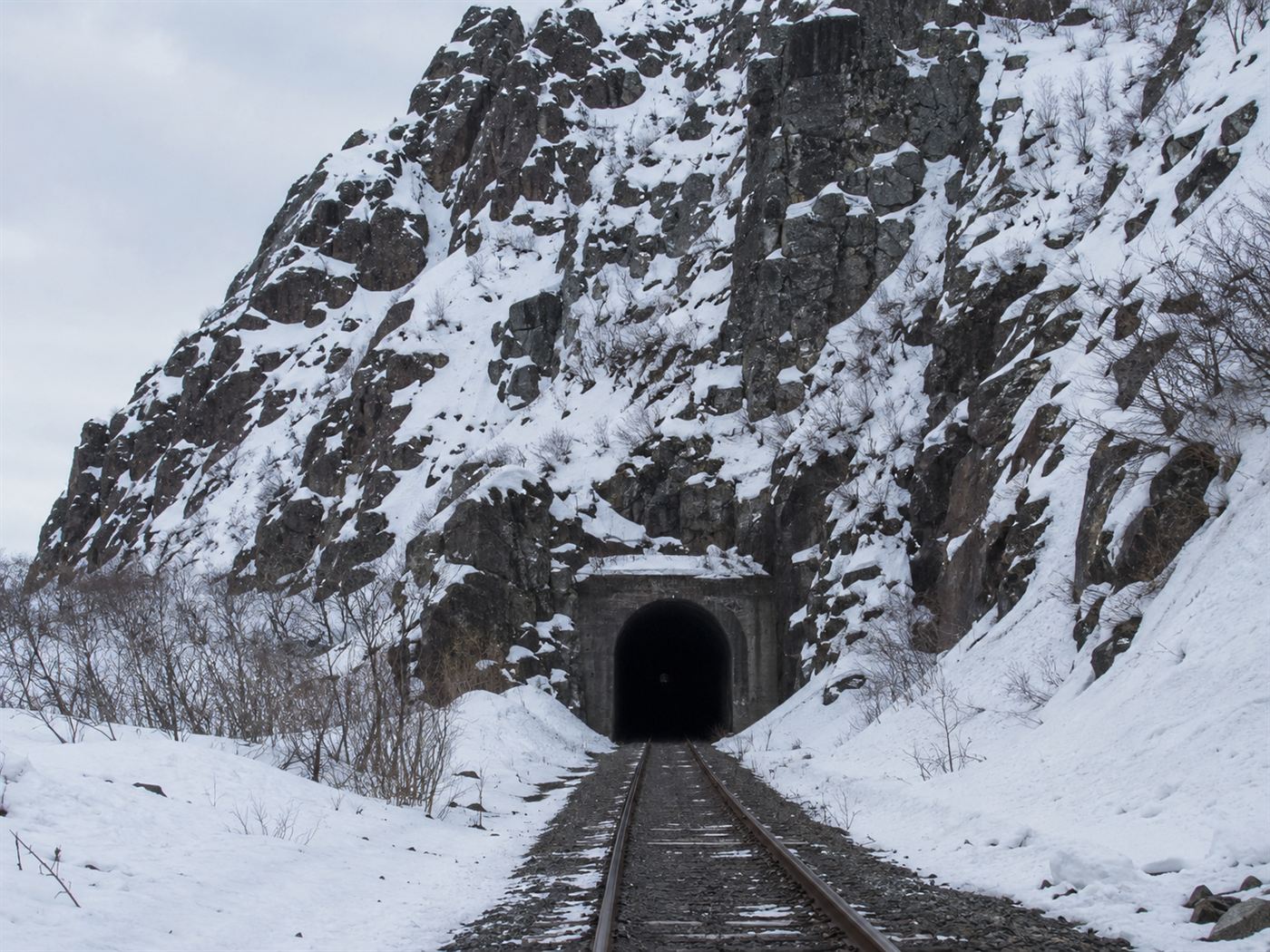
The tunnel that locks the town in at night
Getting to Whittier by land means driving through a mountain.
The Anton Anderson Memorial Tunnel runs about four kilometers straight through solid rock, and it is the longest highway tunnel in North America.
It is also one of the strangest, because it is a single lane shared by both cars and the Alaska Railroad, so traffic runs one direction at a time on a strict timetable.
Until the year 2000 it carried trains only, and drivers reaching Whittier had no road at all.
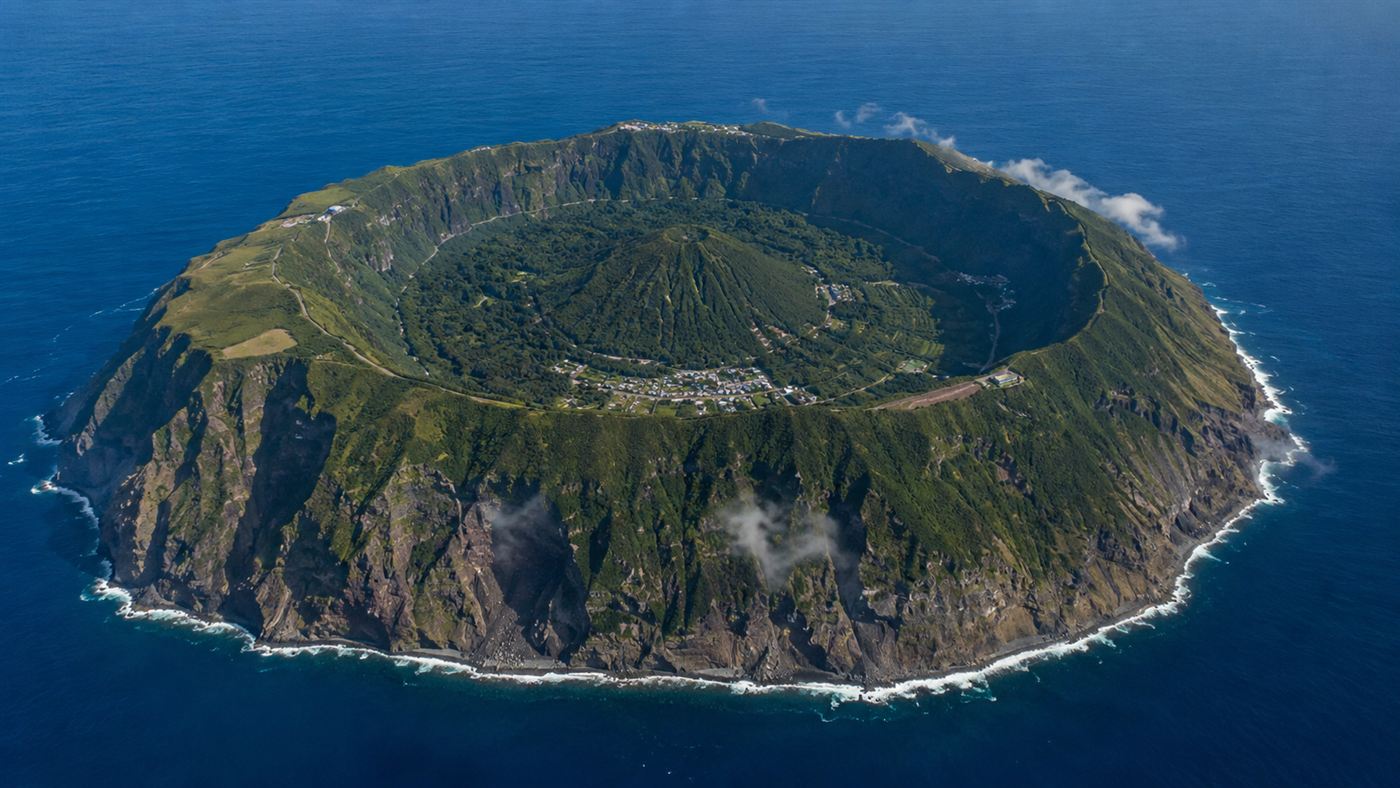
The tunnel closes overnight, which means that for several hours every night the only way out of town is by boat, the kind of hard isolation also chosen by the island villagers of Aogashima.
Miss the last opening and you are simply staying in Whittier until morning.
Surviving an Alaskan winter under one roof
The weather is the reason all of this makes sense.
Whittier is one of the snowiest, windiest inhabited spots in Alaska, buried under meters of snow and raked by gales howling off the gulf.
In a winter like that, a town spread out into separate houses would be miserable and sometimes dangerous, so concentrating everyone under one roof is simply practical.
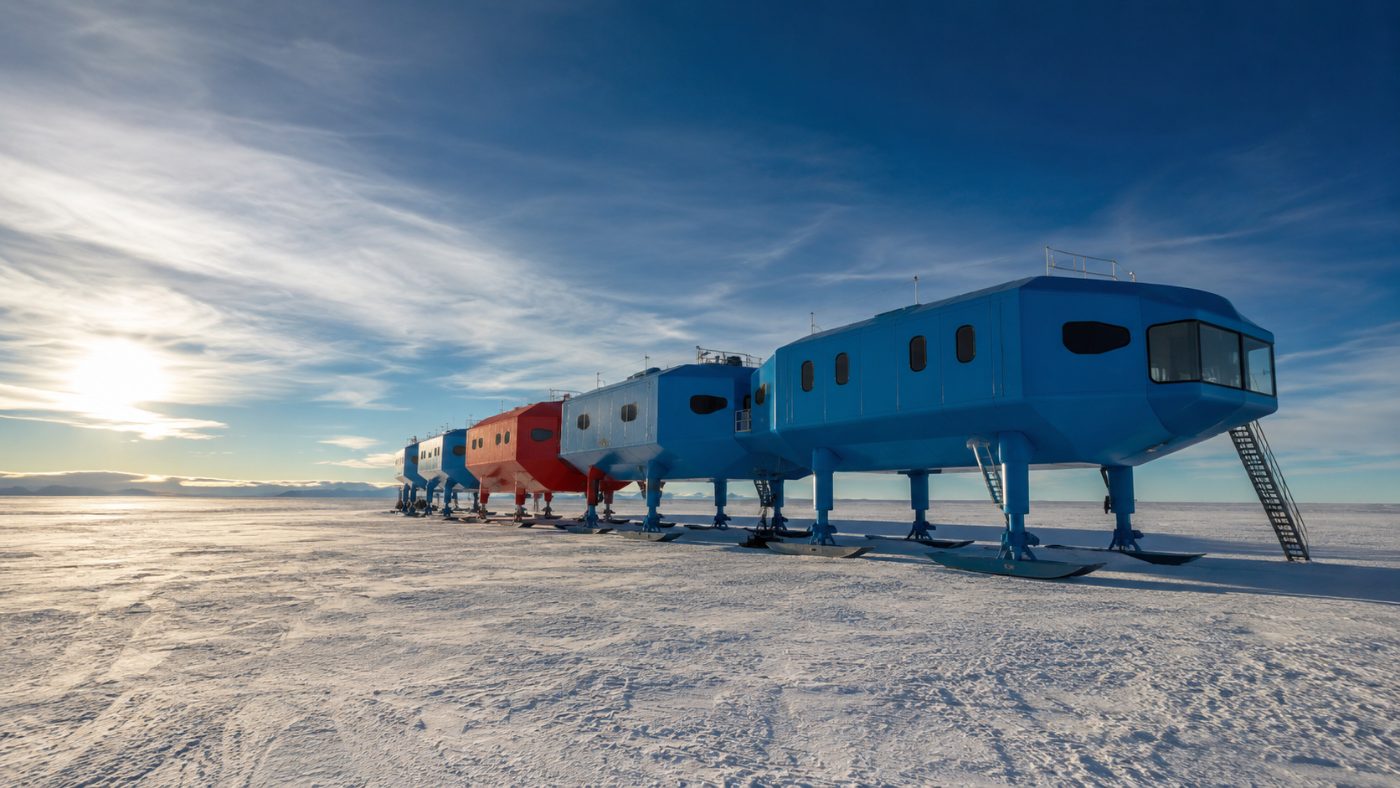
Residents can run their whole daily life, work, school, shopping and socializing, without ever facing the storm outside, a sealed-in comfort that recalls the relocatable Halley research station in Antarctica.
The trade-off is a town with almost no privacy, where your neighbors, your boss and your kid's teacher all share your stairwell.
The ghost tower next door
Whittier actually has a second giant building, and it tells the darker version of the story.
The Buckner Building, finished in 1953, was once the largest building in Alaska and the original "city under one roof", with its own pool, hospital, bowling alley and jail.
The Army abandoned it not long after, and it has sat empty for more than half a century, slowly rotting and full of asbestos.
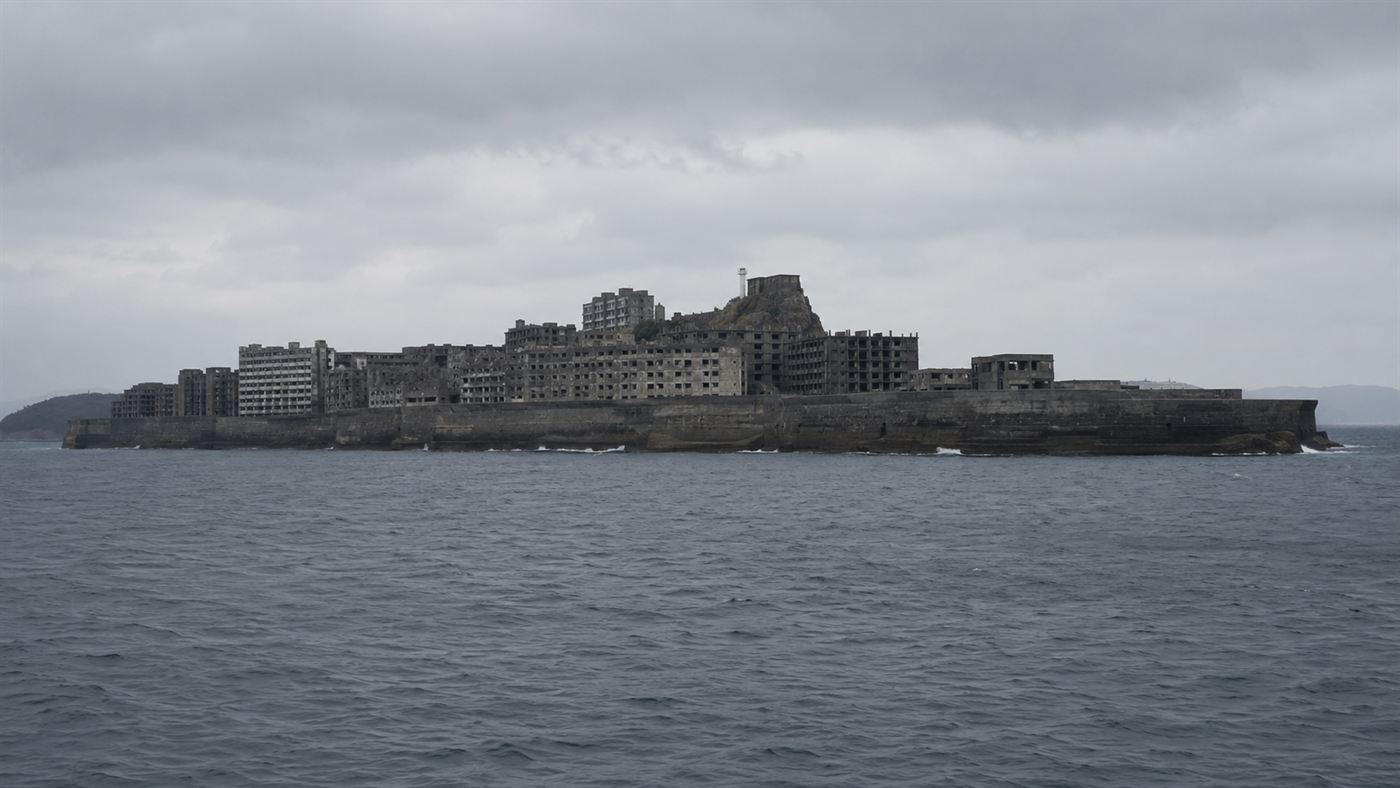
It now looms over the town as a vast concrete ruin, too expensive to fix and too solid to easily demolish, an echo of the emptied-out Hashima Island in Japan.
One tower holds a living town, the other holds only ghosts, side by side on the same fjord.
The honest catch
Living under one roof is not all cozy convenience.
Privacy is almost nonexistent, gossip travels at the speed of an elevator, and the same closeness that keeps people safe can feel suffocating over a long, dark winter.
The nightly tunnel closure and the rough seas mean a genuine medical emergency can become a frightening wait.
The economy is lopsided too, swamped by cruise-ship tourists in the brief summer and nearly silent the rest of the year.
And the rotting Buckner Building is a permanent reminder of how quickly one of these instant towns can be abandoned.
Whittier works, but it works by accepting a deal almost nowhere else would.
Whittier is what happens when a town inherits the bones of a secret army base and decides to just live inside them.
It is a whole community of a few hundred people stacked into one warm tower against the cold, behind a mountain, at the end of a tunnel that shuts every night.
Could you live somewhere your entire town fit inside one building, knowing the only road out locks shut after dark, or would the closeness drive you out? Tell us in the comments.