At a volcano in Java called Kawah Ijen, tourists come to watch an eerie blue fire burn at night while miners haul 90 kilo loads of raw sulfur out of the crater
Kawah Ijen is one of the most beautiful and brutal places on Earth. By night its crater glows with electric-blue fire, and its lake is a kilometre of turquoise acid. By day, the Kawah Ijen sulfur miners climb in and out of it carrying loads of yellow rock that weigh almost as much as they do.
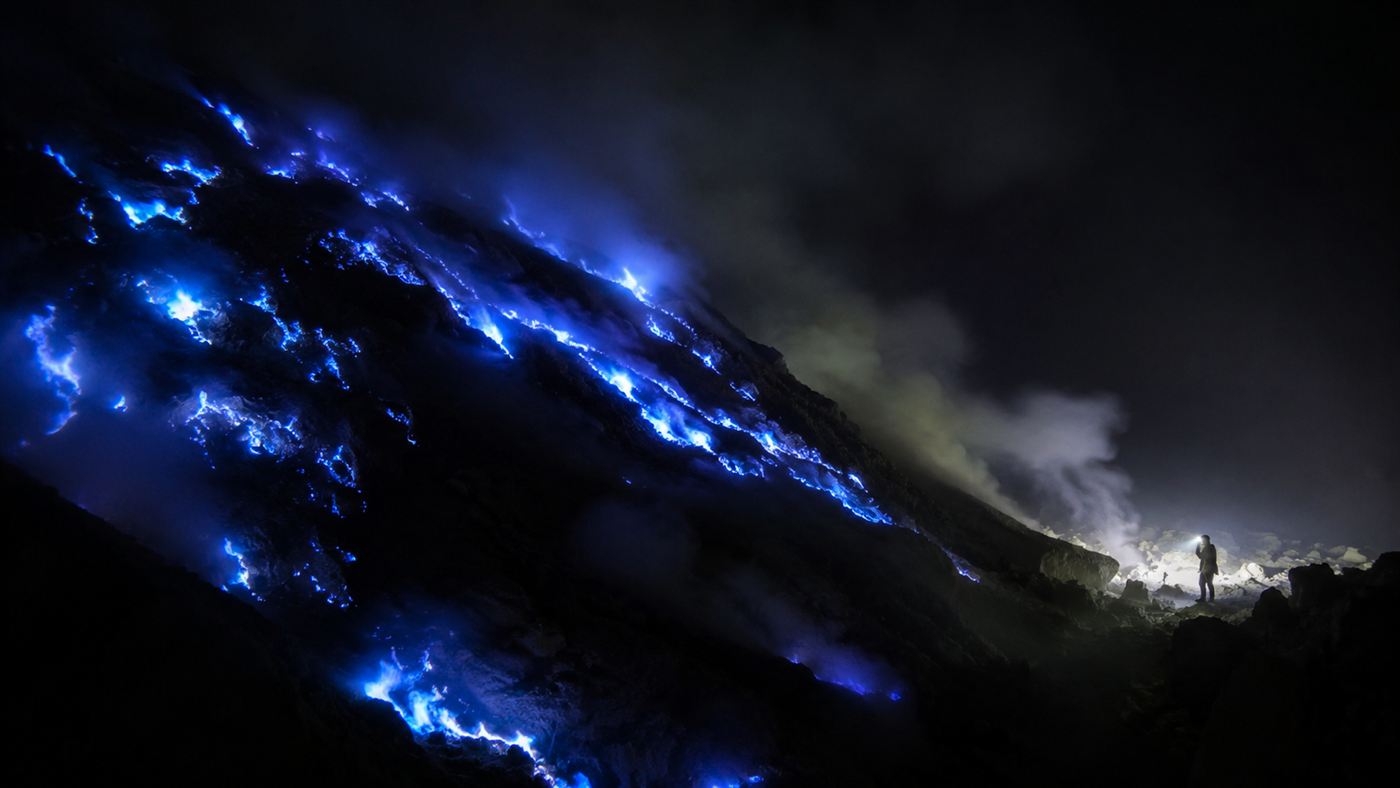
At night, burning sulfuric gas turns the crater of Kawah Ijen electric blue. Illustration: Watts & Wild.
Long before sunrise, a line of headlamps moves down into the crater of Kawah Ijen, a volcano on the eastern tip of Java in Indonesia. Tourists are climbing down to see one of the strangest sights in nature, flames of pure electric blue flickering across the rocks in the dark. Among them, going the other way, are men bent double under baskets of bright yellow rock.
The blue fire and the turquoise lake have made Kawah Ijen famous, a bucket-list stop for photographers from around the world. But the same crater that draws them is also a working sulfur mine, one of the harshest workplaces on the planet, where the wonder and the suffering sit side by side.
Kawah Ijen is a volcano in East Java known for two things: an electric-blue flame caused by burning sulfuric gas, and a turquoise crater lake of acid. It is also a sulfur mine, where around 200 workers carry loads of up to 90 kilograms out of the crater by hand for roughly 13 dollars a day.
What makes the blue fire burn
The famous blue fire is one of the eeriest things in all of volcanic nature.
It is not blue lava, a myth that follows the place around the internet.
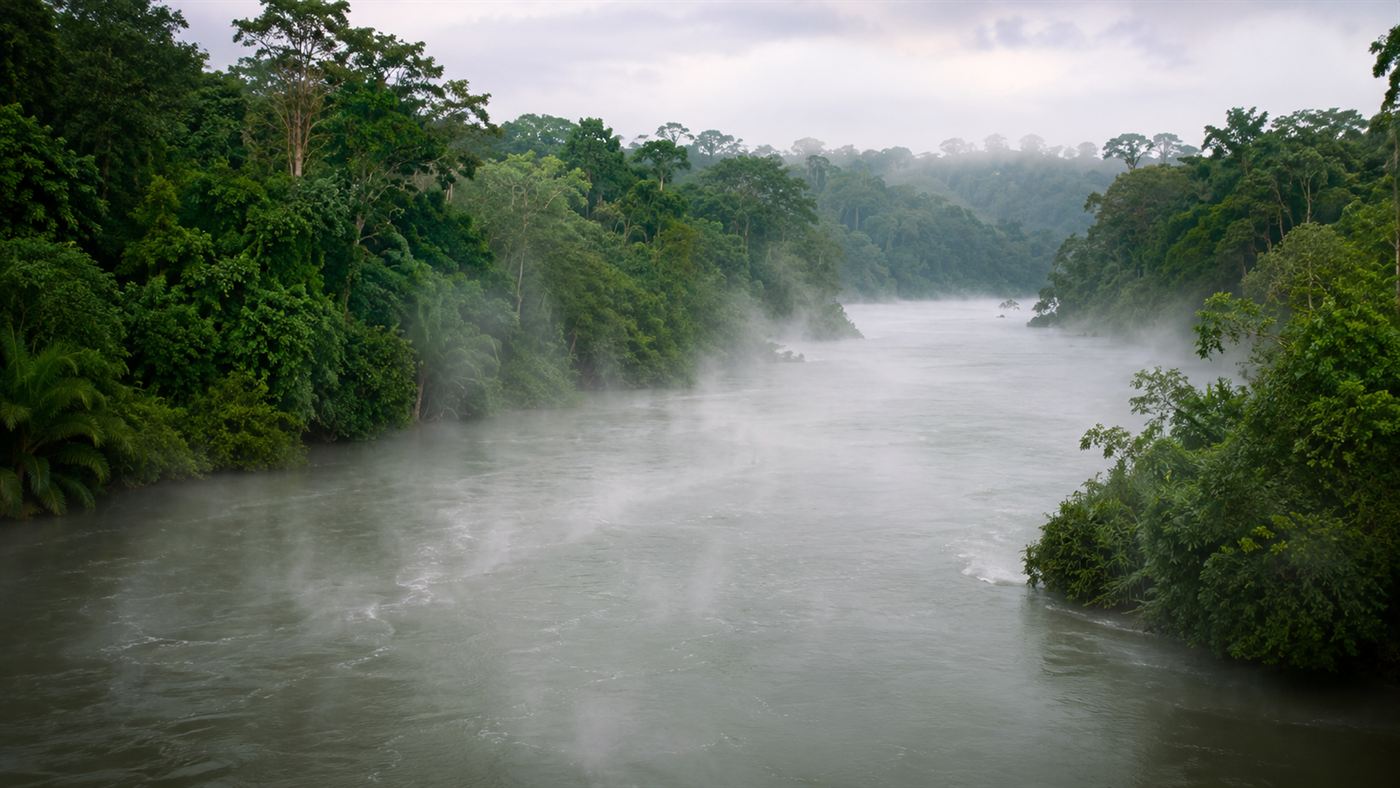
When that superheated gas meets the air it catches fire, burning with an electric-blue flame that can really only be seen in the dark, a wilder cousin of the heat that powers a river hot enough to boil in the Amazon.
Some of the gas cools and condenses into molten sulfur, which runs out blood-red and dries into the yellow rock the miners are chasing.
A lake the colour of a swimming pool, and just as deadly
Below the flames sits the other wonder of the volcano.
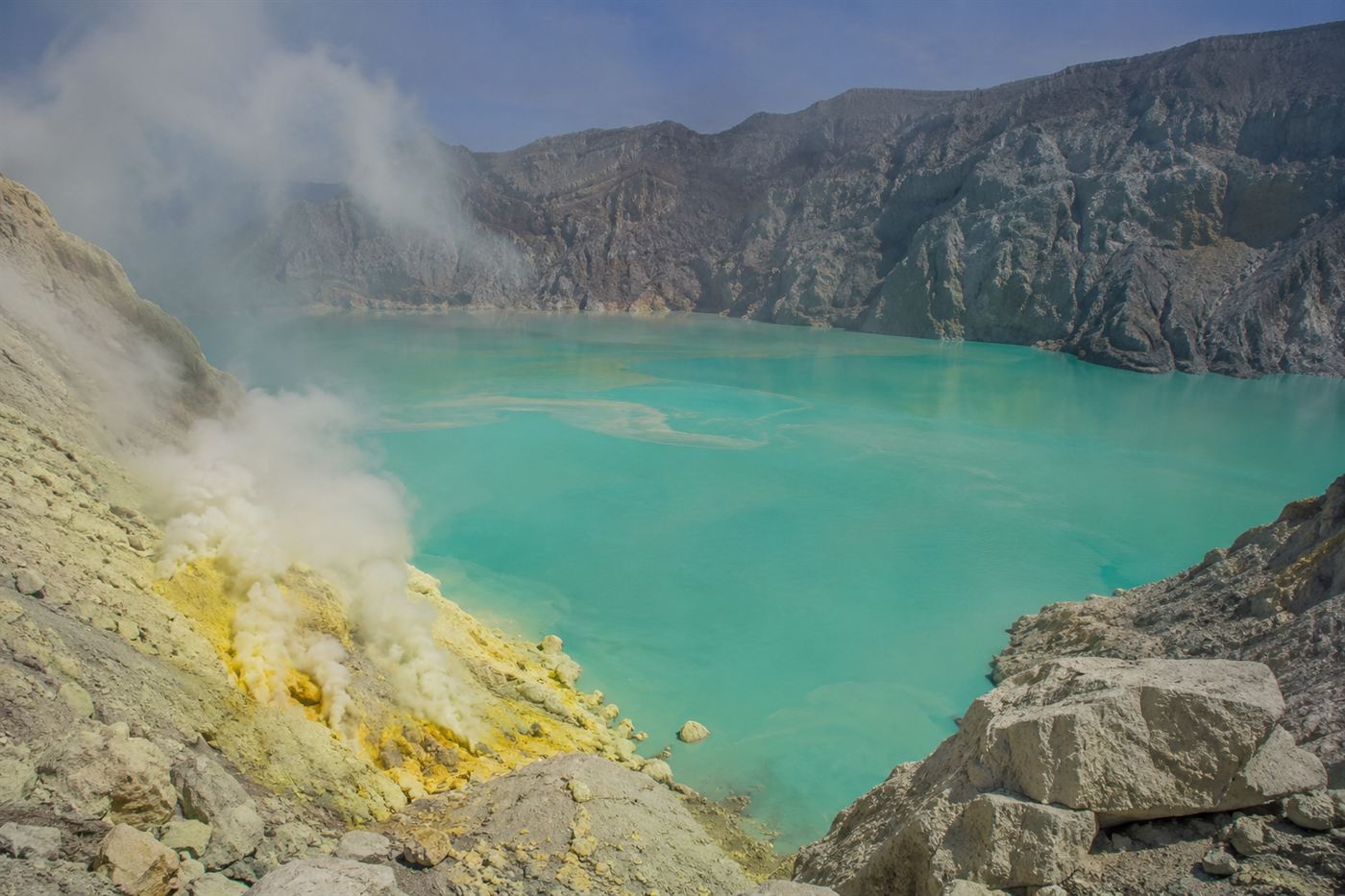
The crater holds a lake about a kilometre wide, a startling milky turquoise that looks almost inviting.
That beautiful colour is a warning, because scientists have measured the water's pH down near zero, making it one of the most acidic lakes on Earth.
It is concentrated enough to dissolve metal, and the fumes drifting off it can choke anyone who lingers too long.
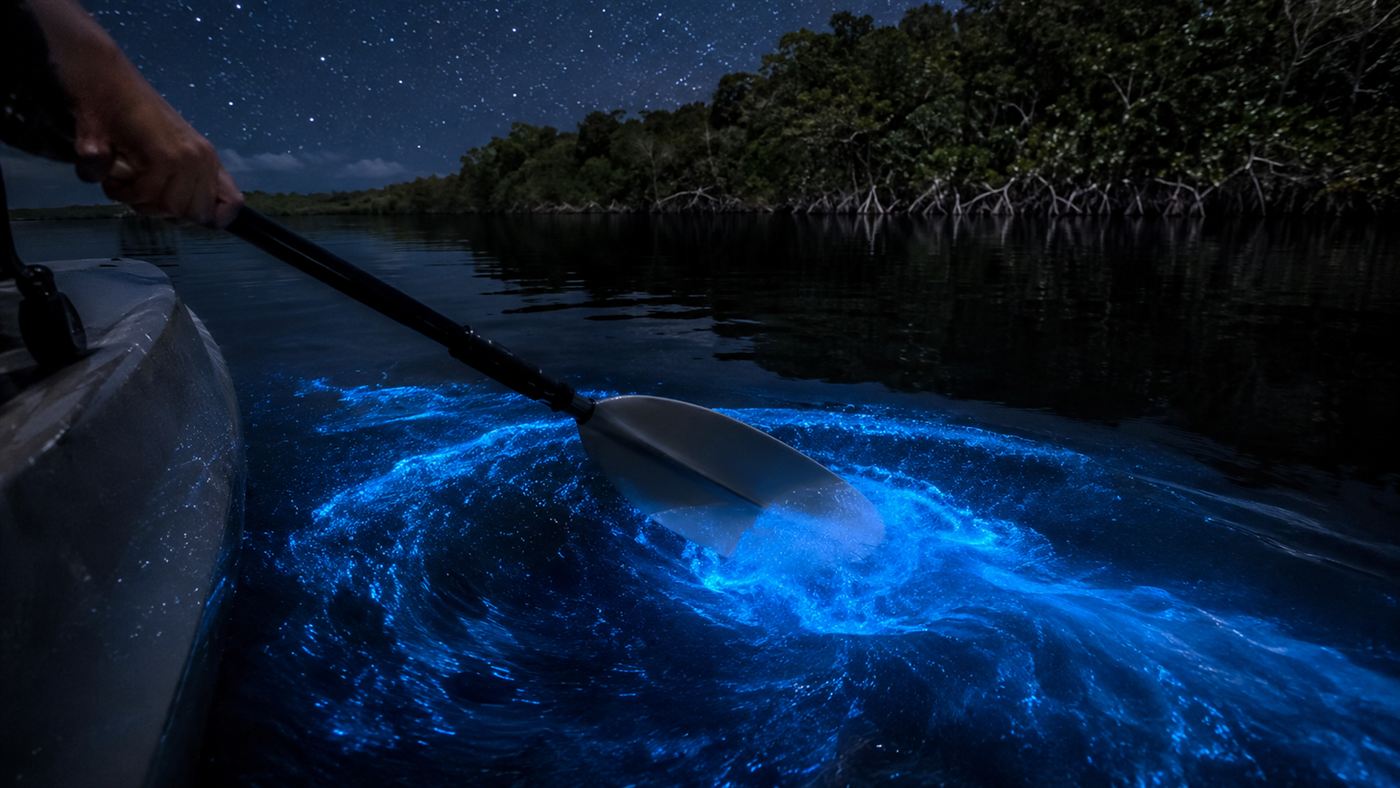
The same volcanic chemistry that makes the water glow turns it into something closer to battery acid than to a lagoon, a darker twin of the harmless glow in a bioluminescent bay.
The Kawah Ijen sulfur miners who carry the mountain
The real story here is the people who work it.
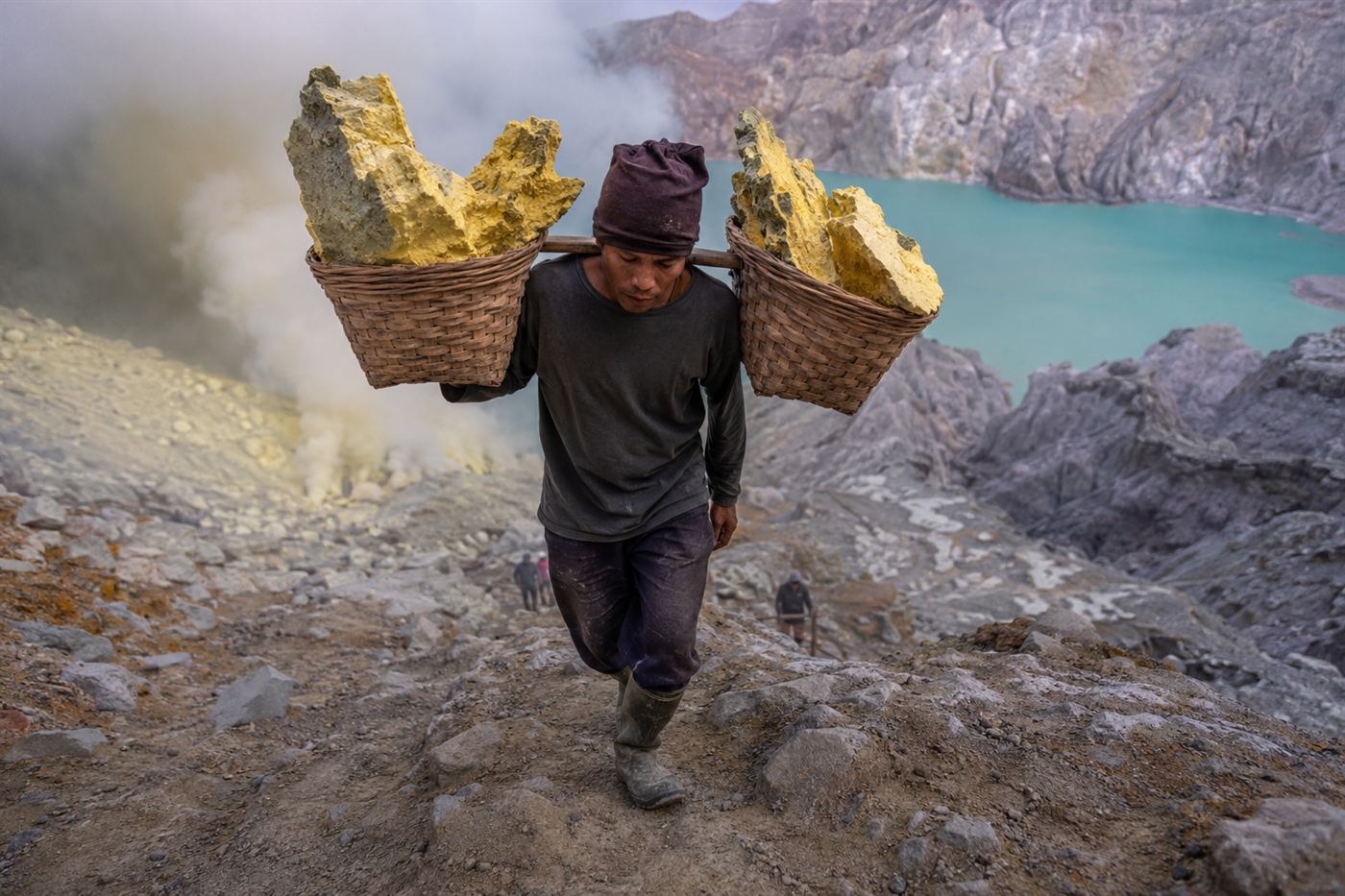
Around 200 miners climb down into the crater to break loose chunks of cooled sulfur near the gas pipes.
They load the chunks into two baskets slung from a wooden pole and carry them 300 metres up steep switchbacks to the rim.
A full load weighs between 75 and 90 kilograms, often as much as the man carrying it, a burden that bends spines and carves scars into shoulders.
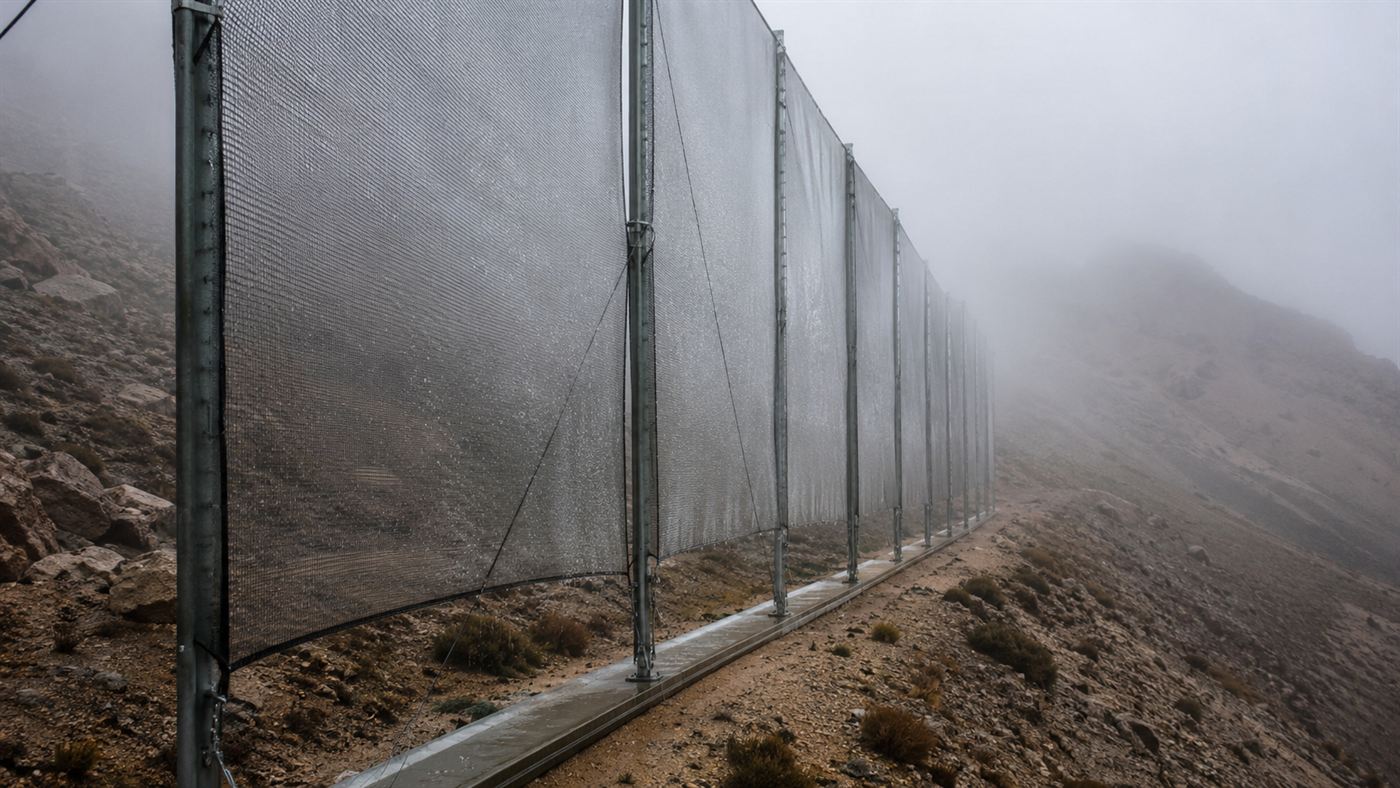
Then they walk three kilometres downhill to a weighing station, most of them making the round trip twice a day through clouds of gas that quietly destroy their lungs, a brutal cousin of the ingenuity people show wringing water from fog in the Moroccan mountains.
Paid by the kilo for the devil's gold
For all that effort, the pay is desperately small.
Between them they haul around 14 tonnes of sulfur out of the volcano every day.
That sulfur becomes utterly ordinary stuff once it leaves the crater, used to bleach sugar, harden rubber, make matches and fertiliser, the hidden ingredient in a hundred everyday things.
The workers call it the devil's gold, beautiful and cruel in more or less equal measure.
When the volcano becomes a stage
In the last decade the blue fire has turned the volcano into a tourist magnet.
Thousands of visitors now hike up at midnight, often guided by the same communities that mine the sulfur.
For some workers that has opened a gentler way to earn a living, leading tours or selling small sulfur figurines cast from the yellow rock.
It is safer, and often pays better, than carrying baskets up a cliff in the dark.
Yet the mining has not stopped, and many men still make the climb with their loads, sharing the narrow path with selfie sticks and tripods.
The honest catch
It is easy to romanticise Kawah Ijen, and just as easy to look away from it.
The blue fire is genuinely rare and beautiful, but it is also toxic gas burning, and breathing near it without a proper mask is dangerous.
The miners are not a folk tradition to be admired so much as people doing terrible work for very little because their other options are worse.
Tourism brings real money to the area, but very little of what visitors pay reaches the men with the baskets.
The yellow rock could be extracted far more safely by machine elsewhere, yet here it is still carried out on human shoulders.
Kawah Ijen is a reminder that some of the world's most beautiful places are held up by some of its hardest lives.
The flames will keep glowing blue and the lake will keep its impossible colour long after the cameras go home, the way people keep building lives around a volcano they live inside.
And in the dark before dawn, the miners of Kawah Ijen will keep climbing down into the crater, trading their health for a basket of the devil's gold.
Would the blue fire still feel magical to you knowing what it costs the people who work beneath it? Tell us in the comments.