In the Australian outback the heat is so brutal that more than half of Coober Pedy lives underground, an opal town that quietly swapped its diesel generators for sun and wind
Coober Pedy sits in one of the hottest, driest corners of Australia, a treeless opal-mining town where the ground itself is the best shelter there is. In the Coober Pedy underground town more than half the people live in carved-out dugouts, and the remote settlement now runs for days at a time on nothing but solar and wind.
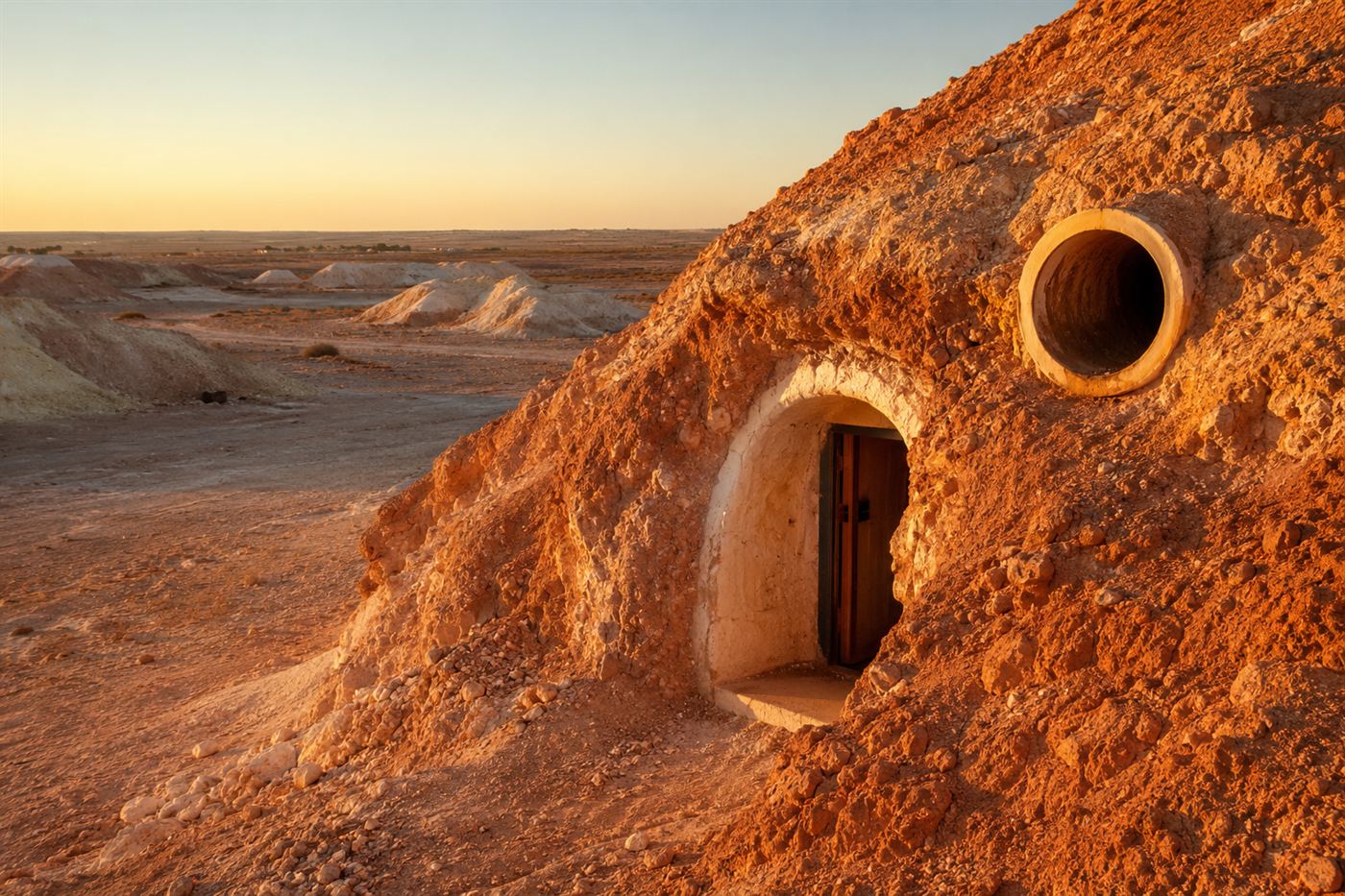
In Coober Pedy the smartest place to build a home is inside the hill, where the heat never reaches. Illustration: Watts & Wild.
Coober Pedy looks like another planet. Drive a full day north from Adelaide, past the last of the farmland and into a red gravel desert pocked with pale mounds of dug-out earth, and you reach a town with almost no houses to see. The trick is that a great deal of the town is below your feet.
More than half the population of this opal-mining town lives underground, in homes cut straight into the rock that locals call dugouts, where the temperature holds near 23 degrees Celsius all year while the surface bakes past 40. As National Geographic has documented in the lives of the people who live there, the desert was simply too harsh to live on top of, so the town went under. And in 2017 it pulled off a second surprise, trading most of its diesel power for sun and wind.
Coober Pedy is a remote opal-mining town in South Australia, about 850 kilometers north of Adelaide. It is called the opal capital of the world, and because summer heat tops 40 degrees Celsius, more than half its residents live in underground dugout homes that stay near 23 degrees year-round. Since 2017 a hybrid plant has let the town run for days on solar and wind alone.
Why does half the Coober Pedy underground town live below the surface?
The answer is the heat.
Summer days in Coober Pedy regularly climb past 40 degrees Celsius, the air is bone dry, and there is almost no shade for hundreds of kilometers in any direction.
Cool that air with a machine and you pay for it around the clock, which in a town this remote means burning expensive fuel.
Dig into the rock instead and the problem solves itself, because about three meters down the temperature settles near 23 degrees Celsius and barely moves whether it is January or July.
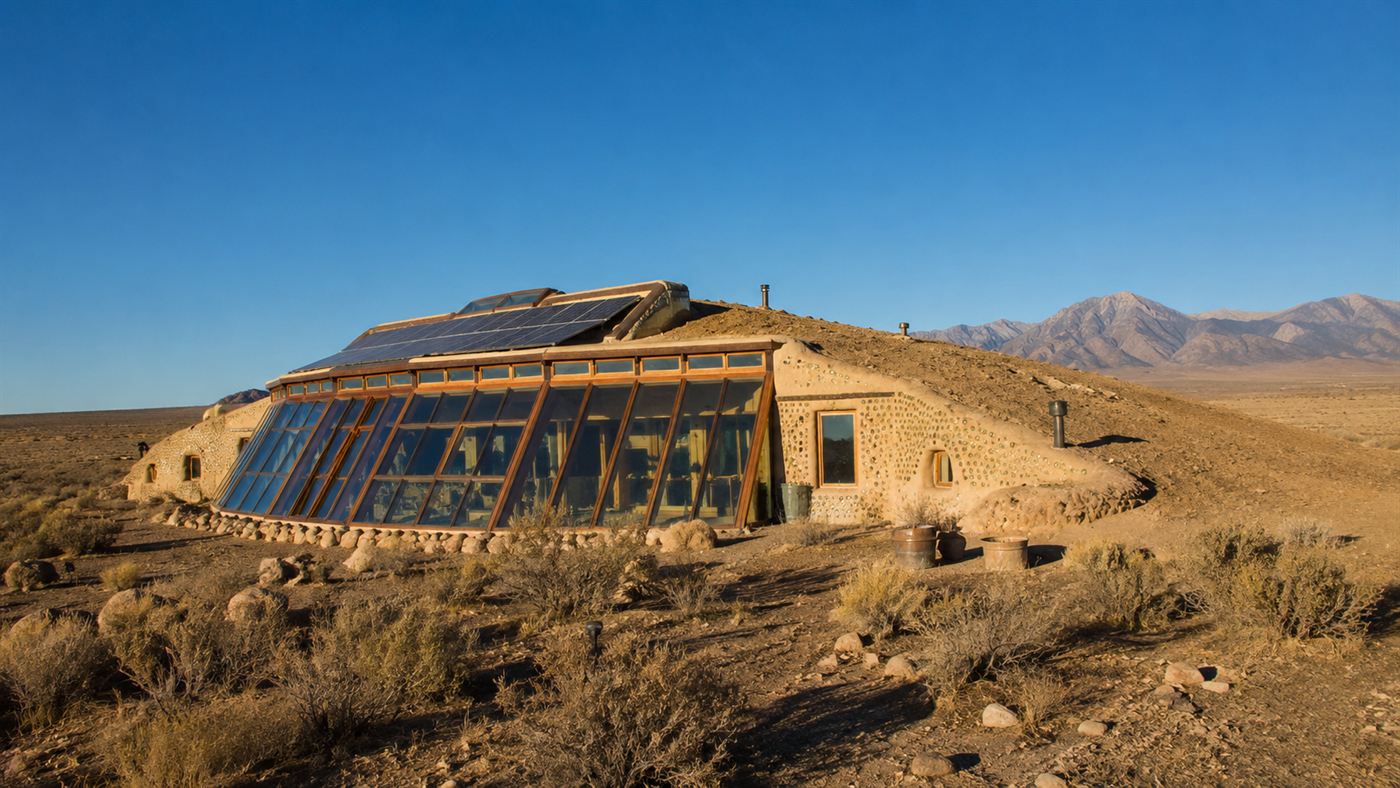
So more than half the homes here are dugouts, carved into the low hills with the same machines that mine the opal, and the same off-grid instinct that drives the desert Earthship homes an architect built out of tires and cans in New Mexico.
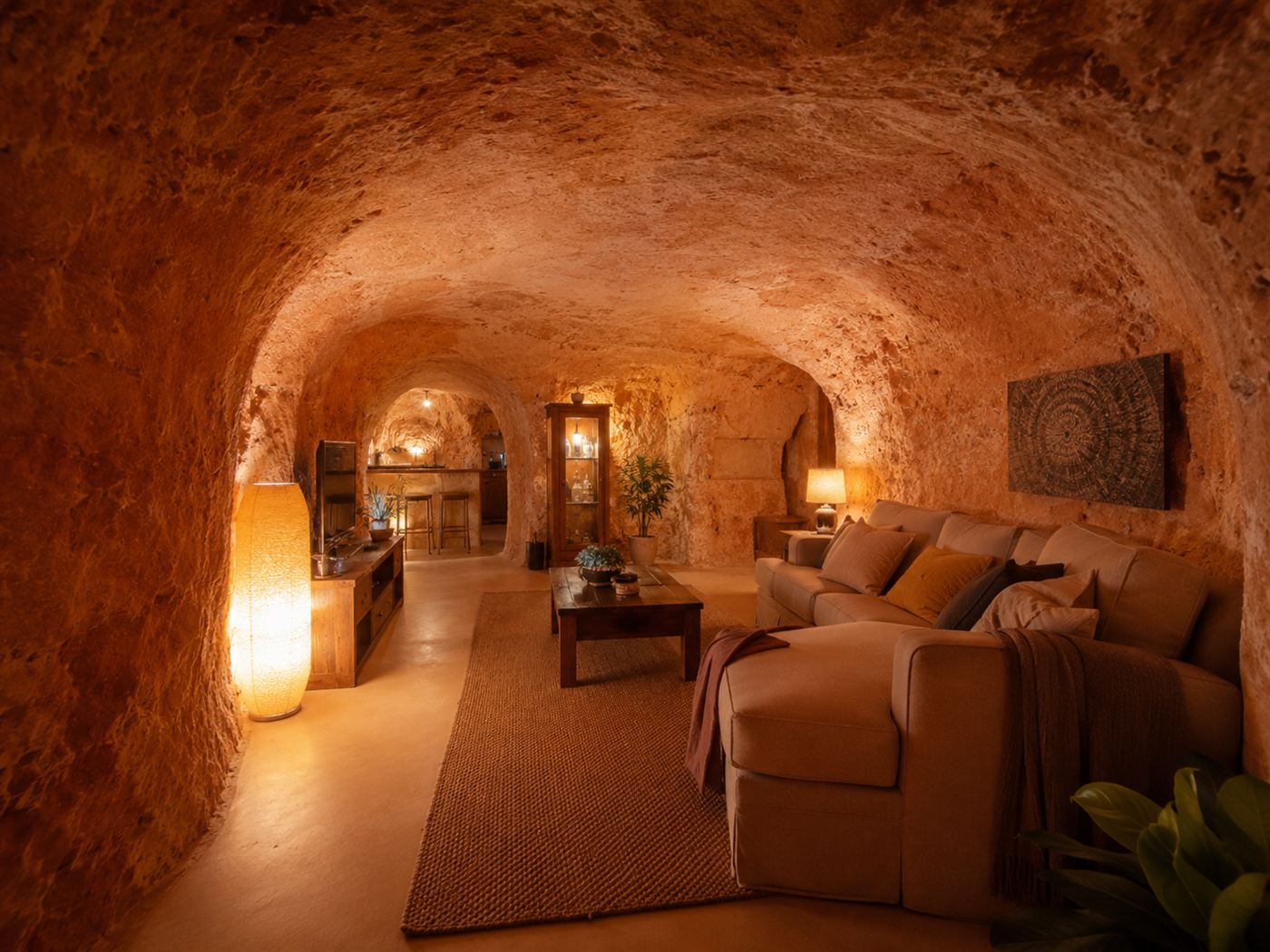
A dugout stays a steady room temperature with no air conditioning at all, and if a family wants another bedroom they do not build an extension, they simply tunnel one out.
The town has pushed the idea as far as it will go, with underground homes, hotels, bars, an art gallery, a bookshop and even churches, including a Serbian Orthodox church cut entirely into the stone.
A town born from a boy looking for water
Coober Pedy exists because of a teenager and a lucky camp.
On the 1st of February 1915, a prospecting party was crossing this stretch of desert hunting for gold, not opal, when they stopped to look for water.
As Britannica records, it was 14-year-old Willie Hutchison who picked up the first opal here, and within a few years a rough mining camp had formed on the spot.
The name came in 1920 and is usually traced to the local Kokatha words kupa piti, widely translated as white man's hole in the ground.
After the First World War, returned soldiers who had spent years in trenches arrived to dig for opal, and many kept living below ground out of pure practicality.
After the Second World War, waves of European migrants followed, and today this small town counts around 1,500 to 1,750 residents drawn from something like 45 nationalities.
The reason they all came is still in the ground, because the Coober Pedy fields produce a large share of the world's gem-quality opal, the milky stone shot through with flashes of color that made the town's name.
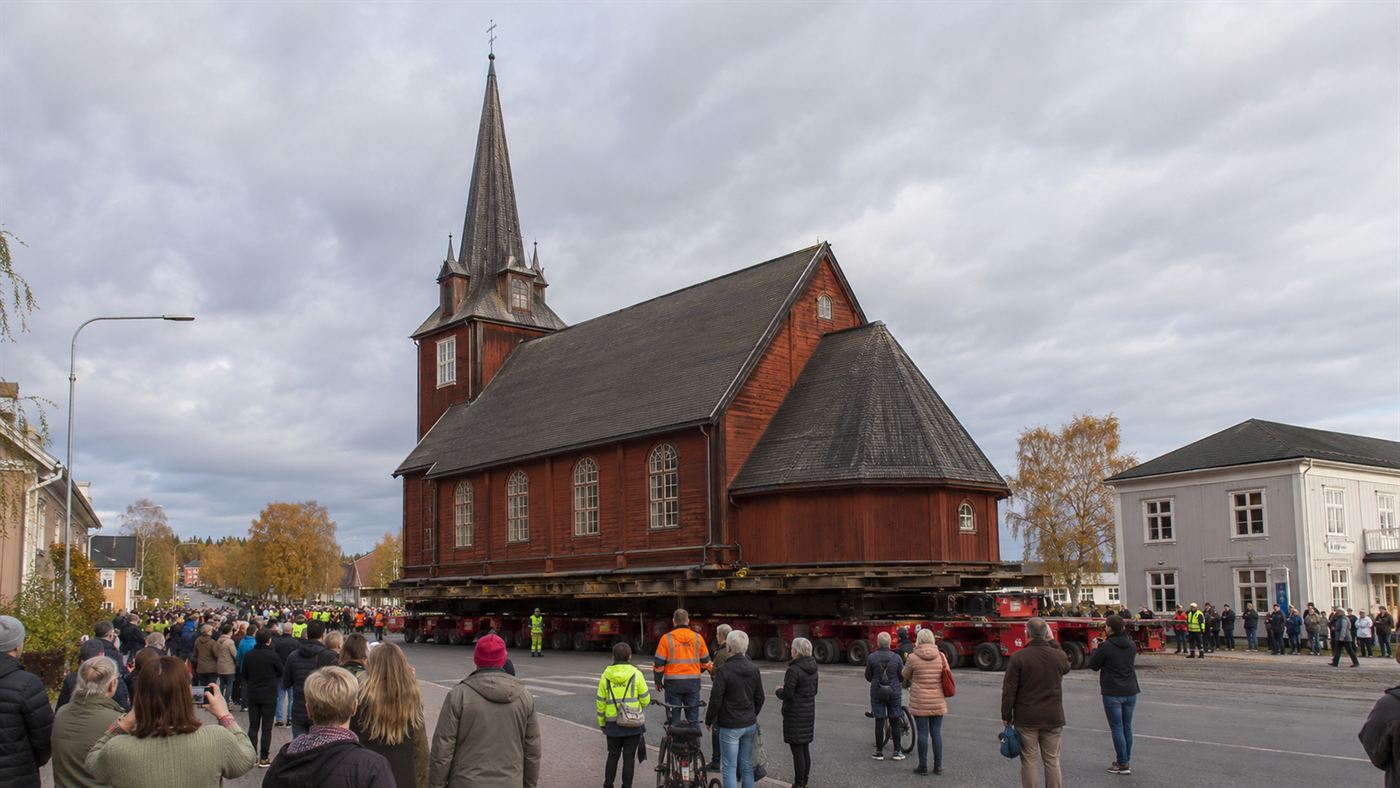
It is a mining town in the most literal sense, the same bargain with the earth that is forcing the Swedish town of Kiruna to physically move for its iron mine.
How do you keep cool three metres down?
The physics of a dugout is wonderfully simple.
Rock and soil are slow to heat up and slow to cool down, so a few meters of stone overhead act like a giant thermal flywheel that ignores the scorching afternoon and the cold desert night alike.
The underground rooms hold that averaged-out temperature, a mild 23 degrees or so, without a single watt of cooling.
That is the same reason a cellar feels cold in summer, only here it is an entire way of life rather than a place to keep the wine.
There are trade-offs, of course, with ventilation shafts needed to keep the air fresh and a constant, fine dust that comes with living inside a rock.
And the ground is so riddled with old shafts that signs around town warn visitors never to walk backwards while taking photos, because people have fallen into mine holes doing exactly that.
The diesel town that runs on sun and wind
For most of its life Coober Pedy ran on diesel, every drop of it trucked in across the desert.
That made power expensive and dirty in a place that happens to be drenched in sunshine and swept by wind.
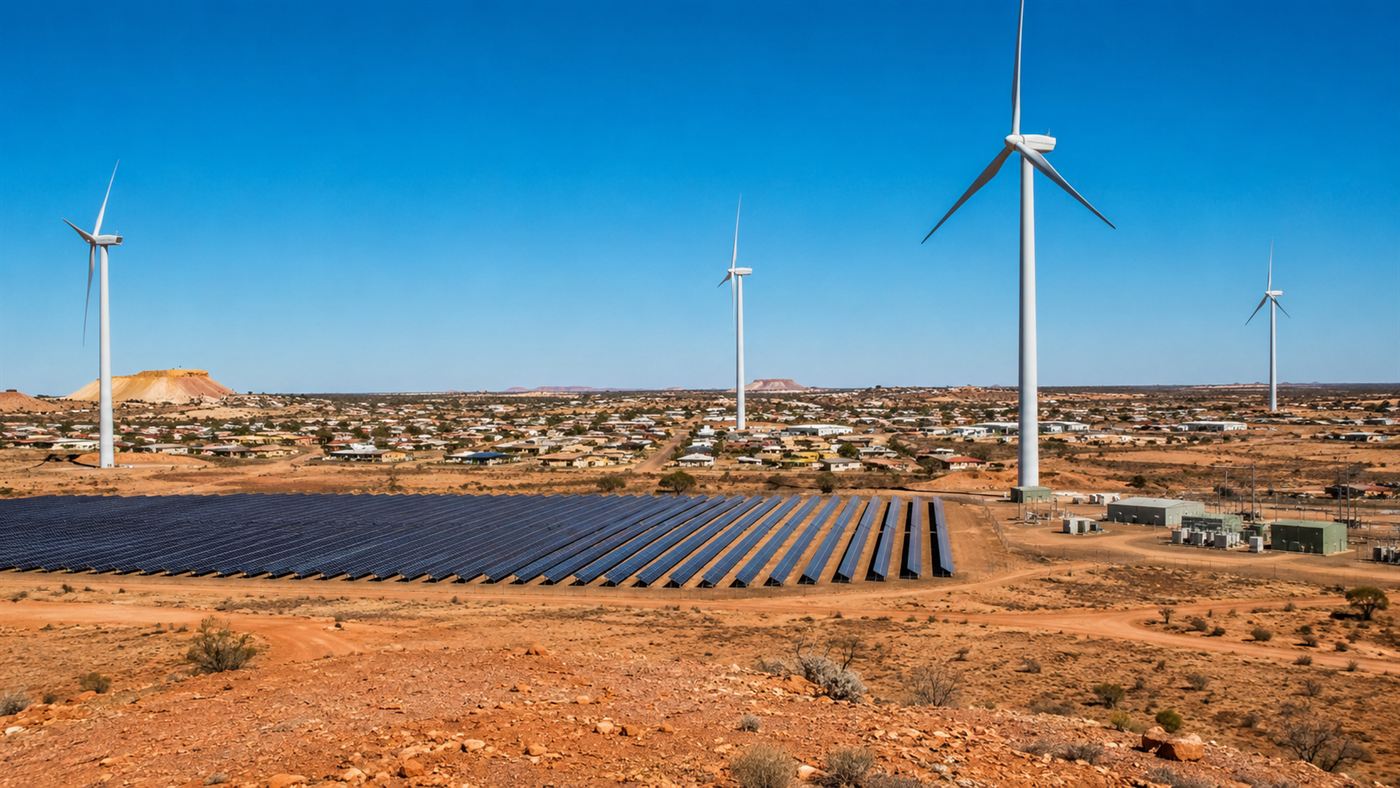
So in July 2017 the town switched on a hybrid renewable power station that pairs solar and wind with its old diesel engines, built by Energy Developments Limited.
Backed by an 18.4 million dollar grant from the Australian Renewable Energy Agency, the system added 1 megawatt of solar, 4 megawatts of wind and a battery, all wired to displace up to 70 percent of the diesel the town used to burn.
On the best stretches the diesel engines switch off entirely, and the desert town hums along on solar and wind by themselves.
Its record run on 100 percent renewables stretched to 116 hours, almost five days straight, in a town that not long before had been entirely fossil-fueled.
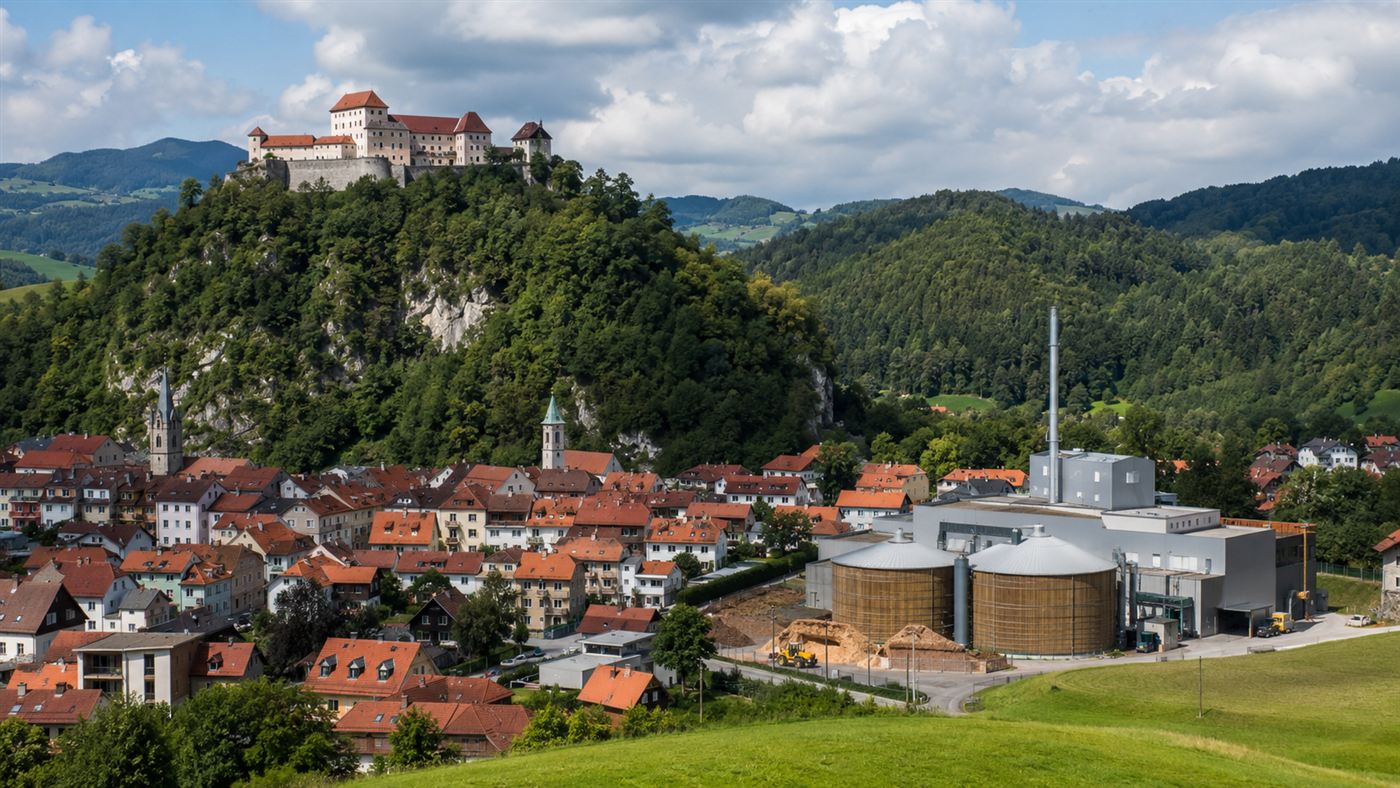
It is the same move toward energy independence that let the Austrian town of Gussing stop importing fuel and power itself from its own forests, only here the fuel is sunlight and wind instead of wood.
An alien landscape Hollywood keeps filming
From the surface, Coober Pedy is all raw earth and emptiness, ringed by thousands of conical mullock heaps where miners have piled the rock they dug out.
There are so few trees that one of the town's landmarks is a sculpture of a tree welded together from scrap metal.
That otherworldly look has made it a favorite film set, standing in for post-apocalyptic wastelands and other planets in movies from Mad Max to Pitch Black.
Tourists now come for exactly that strangeness, to sleep in an underground hotel, fossick for opal chips and stand in a desert that feels like the edge of the map.
For a town whose mining has slowed, that curiosity has become an industry of its own.
The honest catch
Coober Pedy has not beaten the desert, it has only learned to live with it, and the limits are real.
The hybrid plant displaces most of the diesel but not all of it, so on still, dark stretches the old engines still rumble back to life.
The opal that built the town has grown harder to find, the population has been drifting down for years, and tourism cannot fully replace a fading mine.
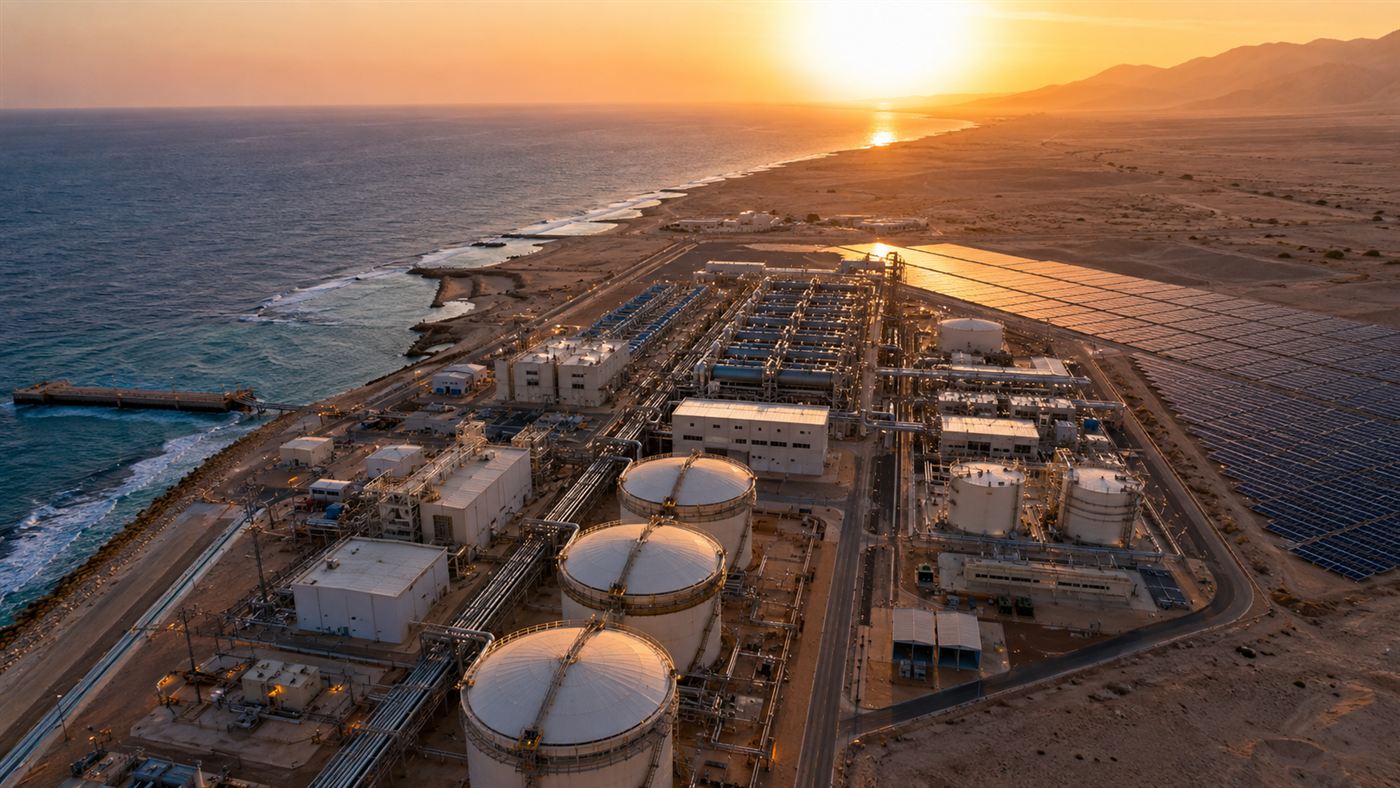
Water is its own quiet struggle, pumped from a salty underground source and pushed through a desalination plant before anyone can drink it, the same hard sums that force Saudi Arabia to drink the sea through giant desalination plants.
The renewable upgrade was paid for largely by a government grant, which makes it a promising template for other remote towns but not a free one.
And the heat that drove everyone underground in the first place is only getting worse.
Coober Pedy took the two things the desert handed it, a brutal sun overhead and cool stone below, and turned both into a way to live where almost no one else would.
It is a strange, stubborn answer to a hostile place, half buried and increasingly green.
Would you trade a house with windows for a cool, quiet home cut into the rock, in a town that runs on the very sun it is hiding from? Tell us in the comments.