Every winter a small North American frog lets itself freeze almost solid, its heart stops for weeks, and then in spring it simply thaws out and hops away as if nothing happened
The wood frog does something that should be impossible. As winter closes in it allows much of its body to turn to ice, its heartbeat fades to nothing, and it waits out the cold as a frozen lump, only to come back to life months later.
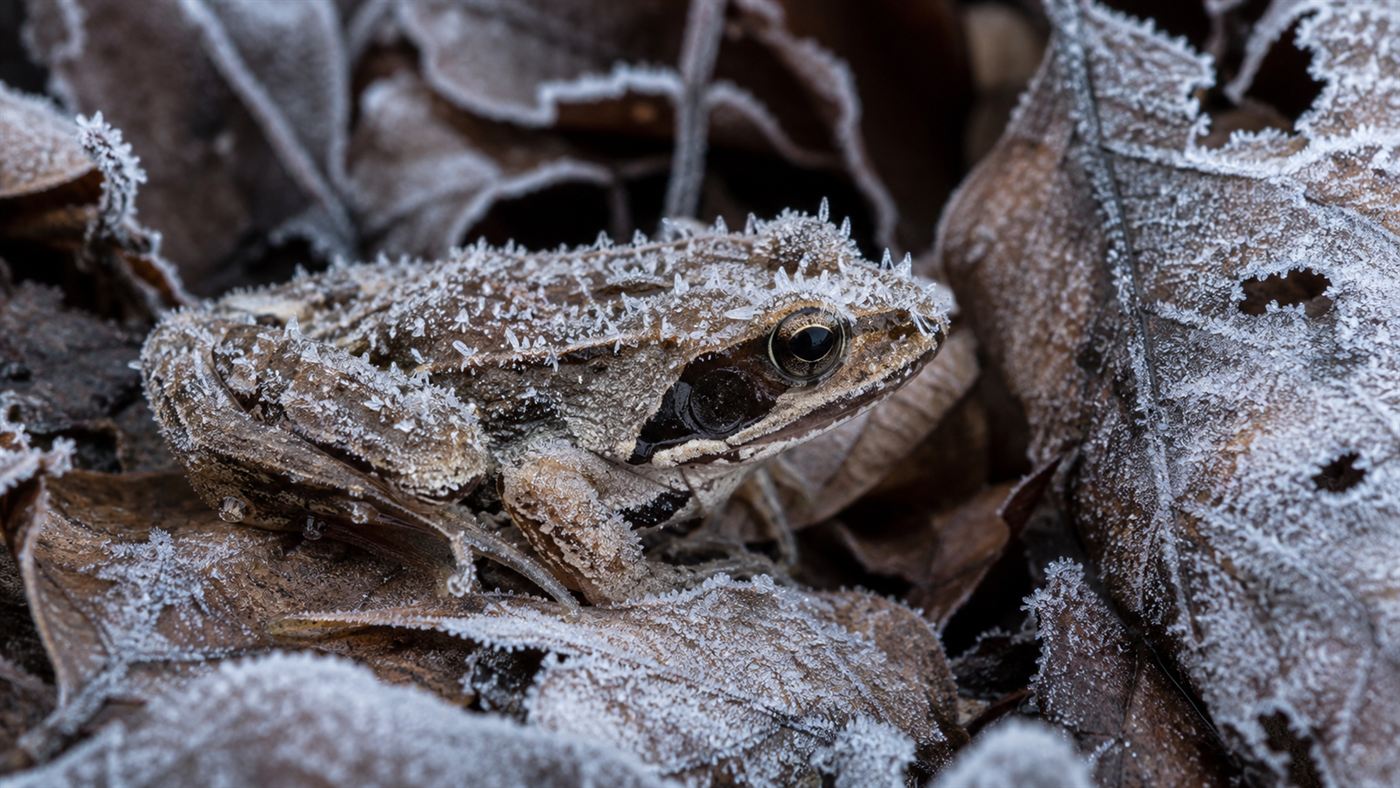
In deep winter the wood frog freezes nearly solid, then revives when the thaw comes. Illustration: Watts & Wild.
Most animals that freeze solid are simply dead. The wood frog freezes solid too, yet it is the strange exception that turns dying of cold into a survival strategy.
This small, unremarkable-looking amphibian has a trick so extreme that scientists study it in the hope of one day freezing and reviving human organs.
How does the wood frog survive being frozen? When ice touches its skin, the wood frog floods its cells with glucose, a natural antifreeze that stops ice crystals from forming inside the cells. Up to two-thirds of its body water freezes solid, its heart stops, and in spring it thaws back to life.
How the wood frog freezes solid
The wood frog ranges across northern North America, all the way up into the Arctic Circle, into some of the coldest land any frog dares to live.
Rather than dig deep below the frost like other animals, the frog spends winter hiding under leaf litter where it will inevitably freeze.
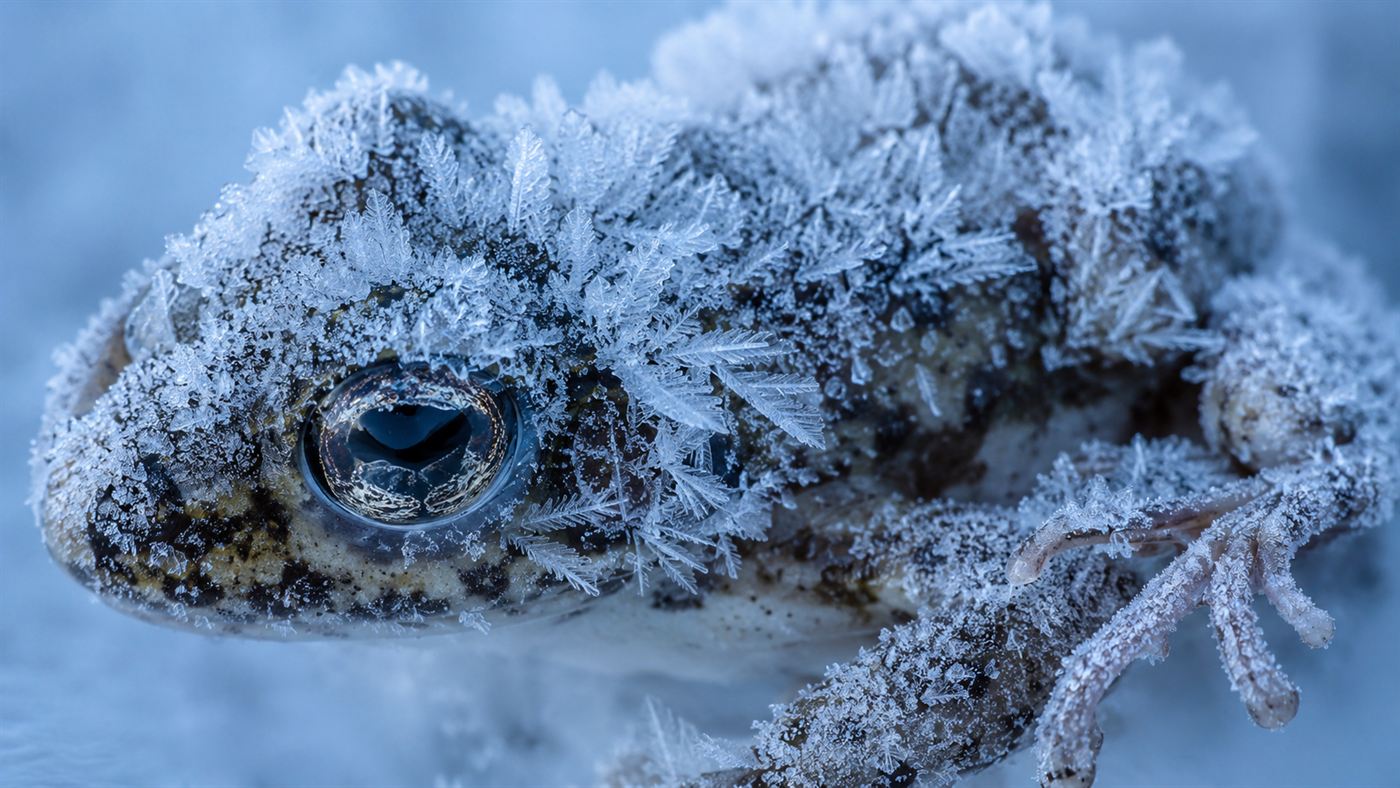
As the cold bites, as much as two-thirds of the water in its body turns to ice, its heart slows and then stops, and it stops breathing entirely.
For days or weeks at a time there is no heartbeat, no breath and no measurable brain activity, and to all appearances the frog is simply dead.
Then it does the impossible and comes back.
Sugar as antifreeze
The secret is a clever bit of chemistry that begins the instant ice first touches the frog's skin.
That contact triggers its liver to flood the body with glucose, a sugar that works as a natural antifreeze inside its cells. Within minutes the glucose in its blood spikes to levels that would put a human in a coma.
The glucose and other compounds keep the water inside each cell from freezing, the same principle behind every cryoprotectant used to protect frozen cells, so the dangerous ice forms only outside the cells, in the spaces around them.
This matters because it is ice crystals growing inside cells that normally shred them and kill living tissue.
By keeping the freeze on the outside, the wood frog can turn much of itself to ice without tearing its own cells apart.
Coming back to life
When spring warmth returns, the whole process runs in reverse.
The wood frog thaws from the inside out, the ice melts, and after a while the heart gives a first tentative beat and then restarts on its own.
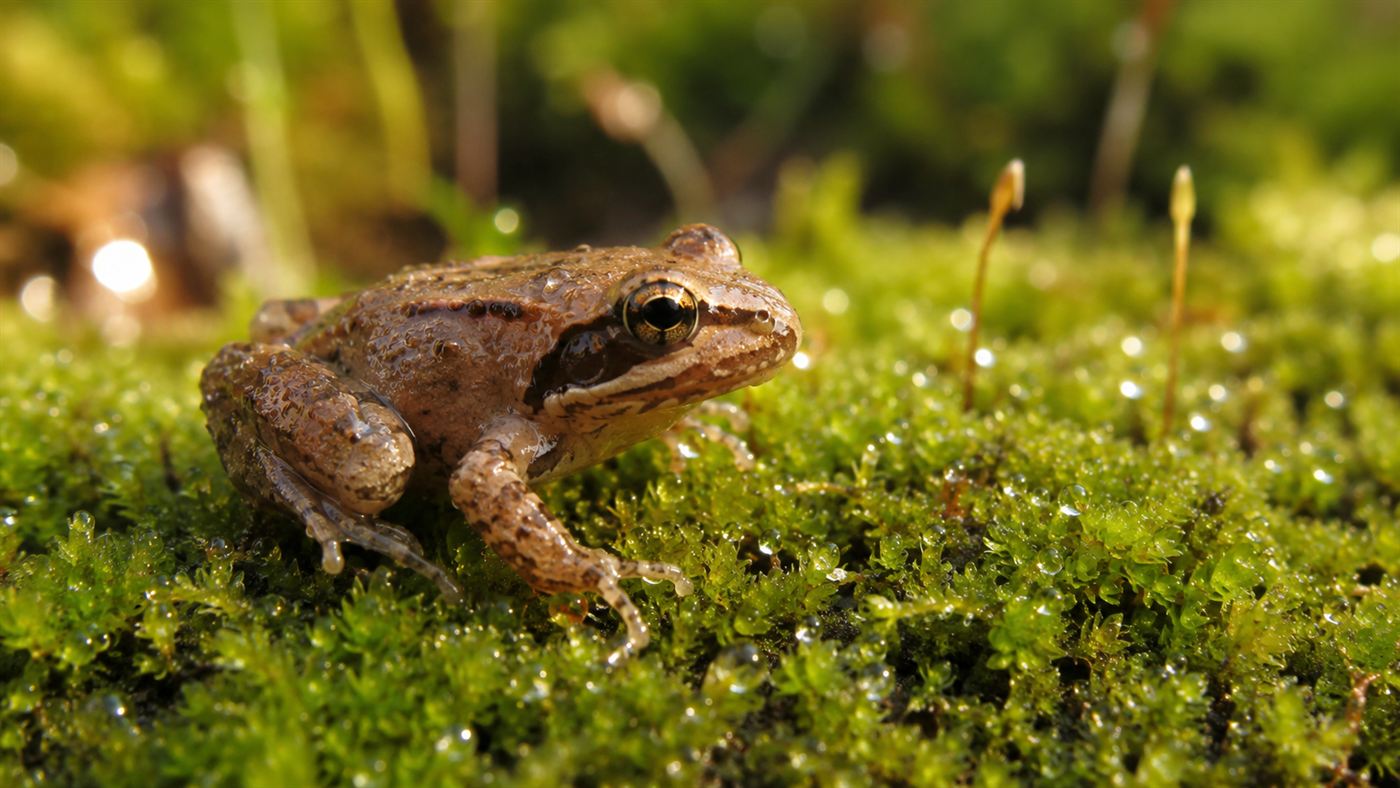
Within hours the frog is breathing, moving and, before long, hopping off to breed in the meltwater pools, none the worse for having been frozen.
Remarkably, it can survive being frozen and thawed several times in a single winter as the weather swings back and forth.
An animal that can stop and restart its own heart at will is one of the quiet marvels of the natural world.
Why scientists are fascinated
The wood frog is far more than a curiosity to researchers.
Biologists such as Kenneth Storey have spent decades unpicking exactly how the frog floods its cells with glucose to survive a freeze.
The dream is to borrow its tricks for medicine, because if we could safely freeze and revive living tissue, we could store donor organs for transplants far longer than the few hours we manage now, a long-sought goal of cryopreservation research.
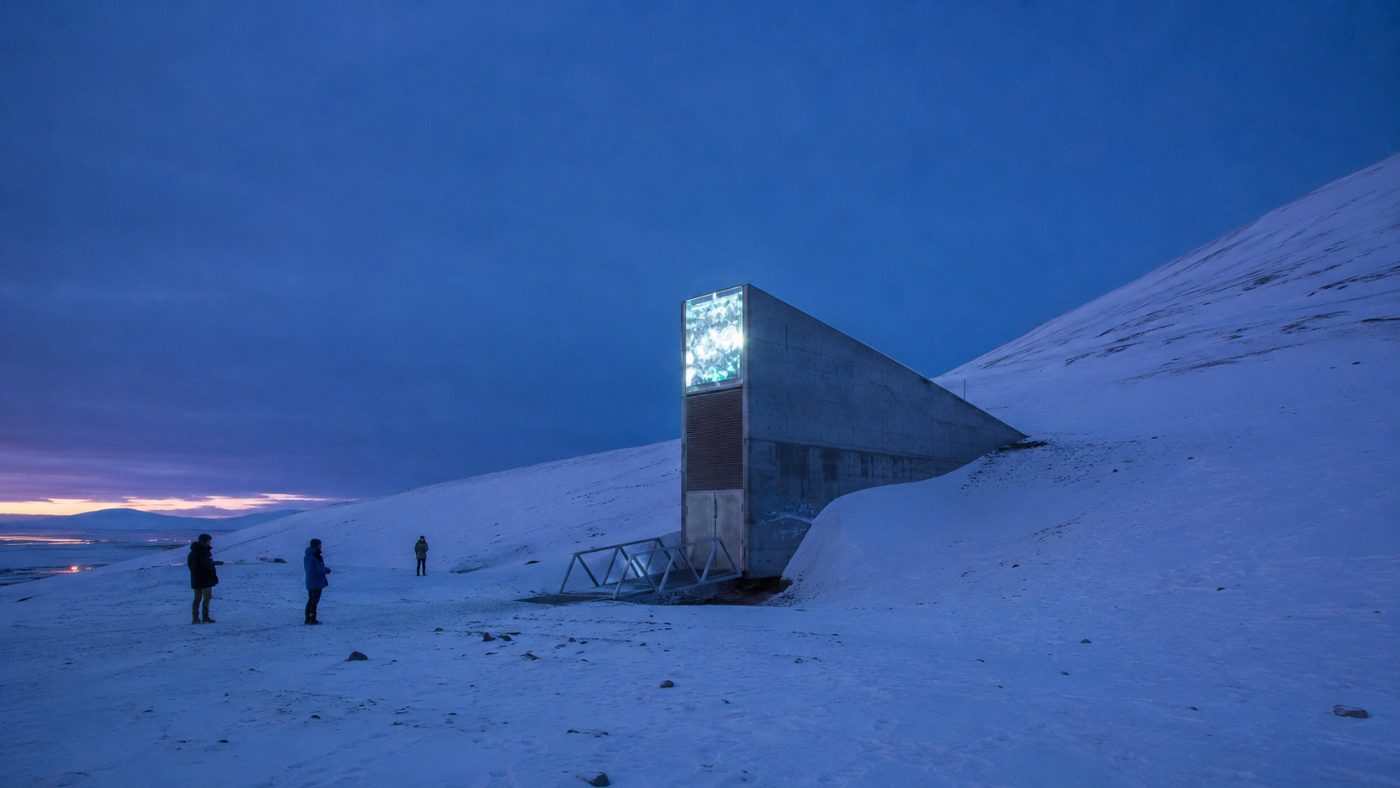
The same science of protecting life at deep cold underpins everything from fertility clinics to the frozen vaults of the global seed bank in the Arctic.
A humble frog in the leaf litter may hold clues to saving human lives.
The honest catch
As astonishing as it is, the wood frog's gift comes with limits and a few asterisks.
It is not unique, because other frogs, some hatchling painted turtles and many insects use similar antifreeze tricks to survive the winter, while the tiny tardigrade rides out even the vacuum of space by drying itself out instead.
It is also not invincible, since freezing too fast, too hard or for too long will still kill the frog, so this is survival within a narrow window, not true immortality.
And a warming climate is a real threat, because milder, more erratic winters and false springs can coax the wood frog to thaw too early, leaving it exposed when the cold returns.
The wood frog is a reminder that nature solved cryopreservation long before we even had a word for it, hiding the trick inside a creature you might step over on a forest path.
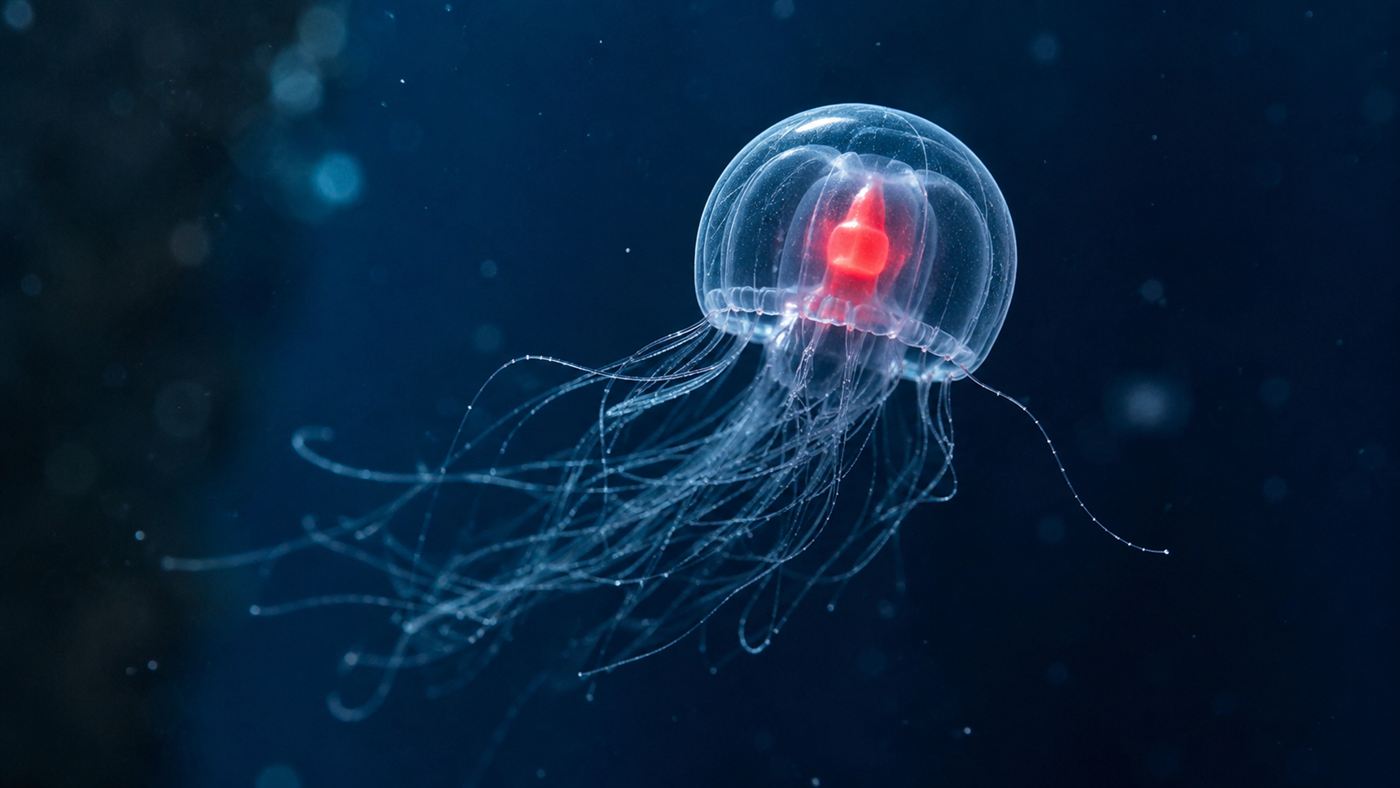
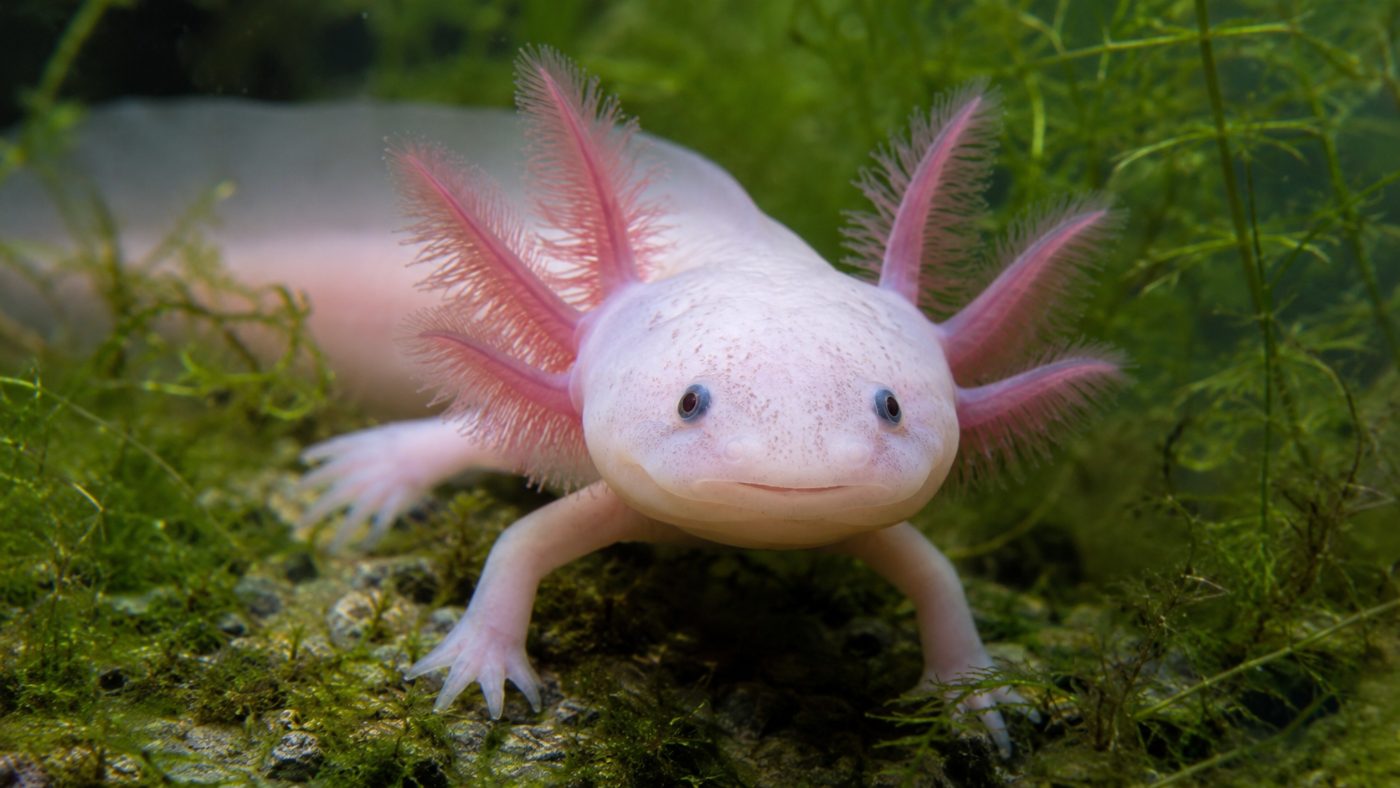
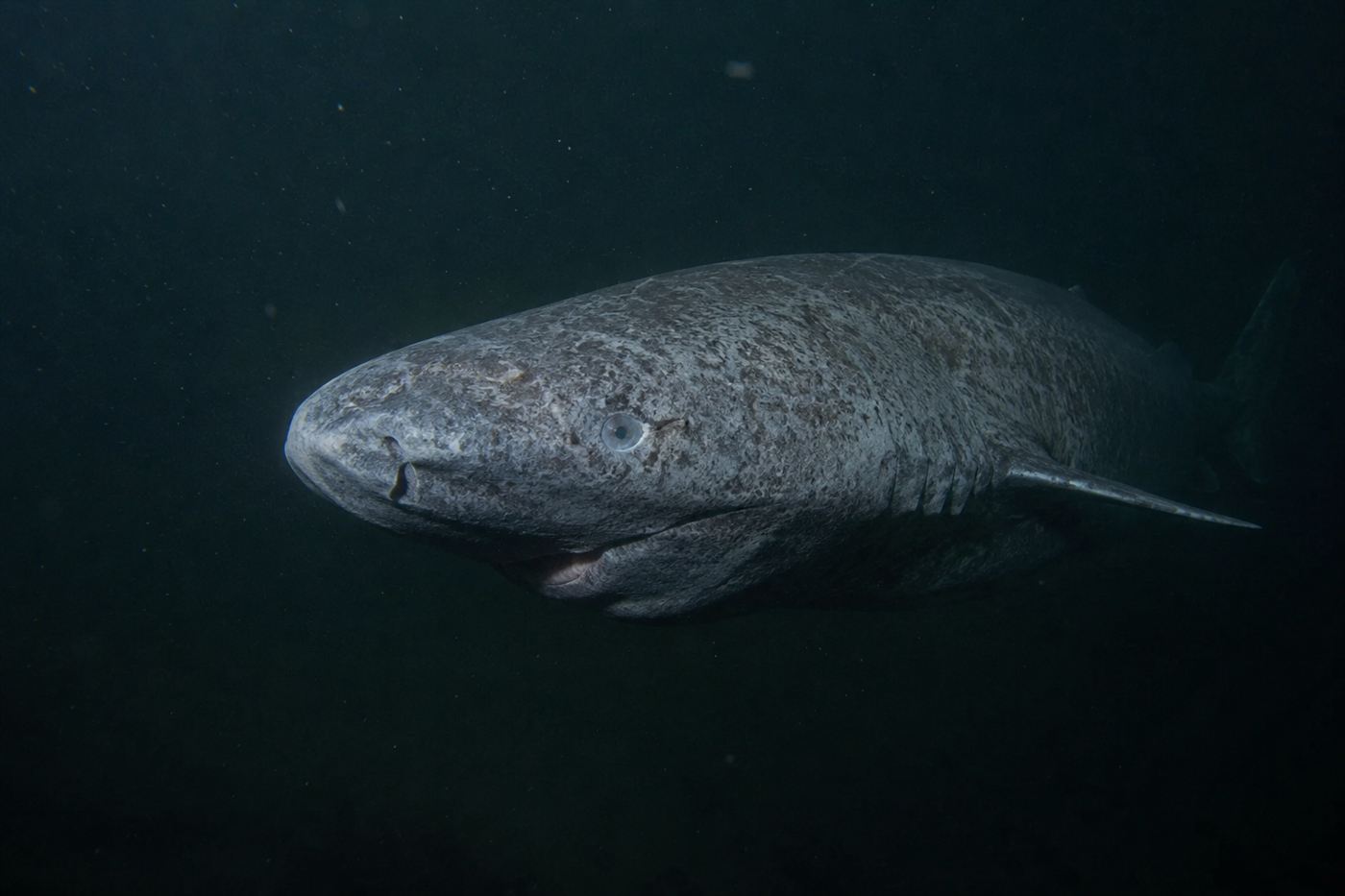
It sits alongside the other animals that seem to bend the rules of life and death, from the jellyfish that can age in reverse to the axolotl that regrows its own body parts and the shark that may live for 400 years.
If a frog can freeze almost solid and live, how close are we really to freezing and reviving human organs, and would you trust your own body to that kind of deep cold? Tell us in the comments.