Calder Hall opened in 1956 as the world's first nuclear power station, a symbol of peaceful atomic energy, but its real job was making plutonium for the bomb
When the Queen threw the switch in Cumbria in 1956, the world was told it was watching the dawn of a new age: clean, limitless power from the atom, electricity almost too cheap to bother counting. It was a genuine first, and a genuine marvel. It was also, quietly, a factory for the most fearsome material on Earth.
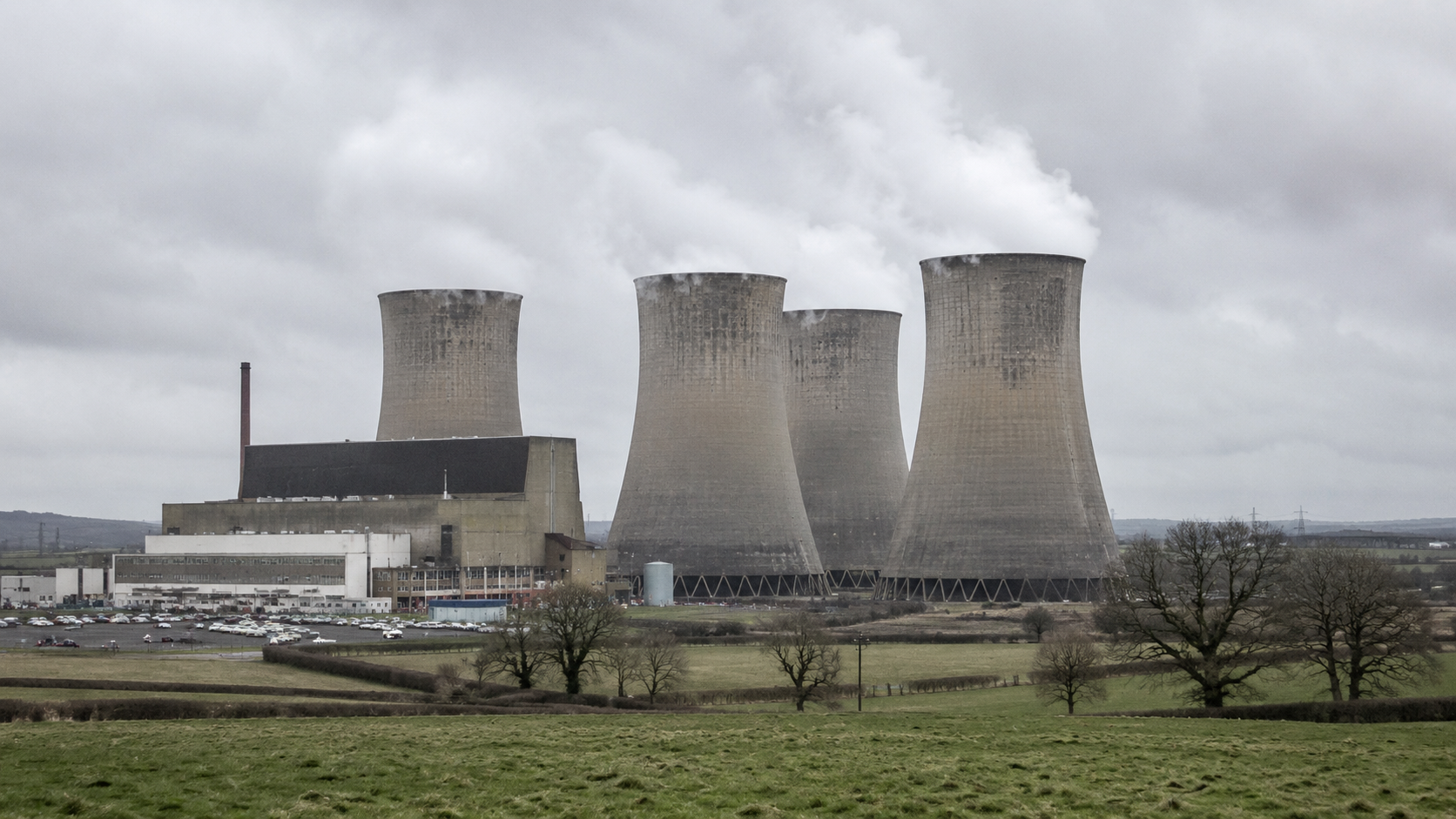
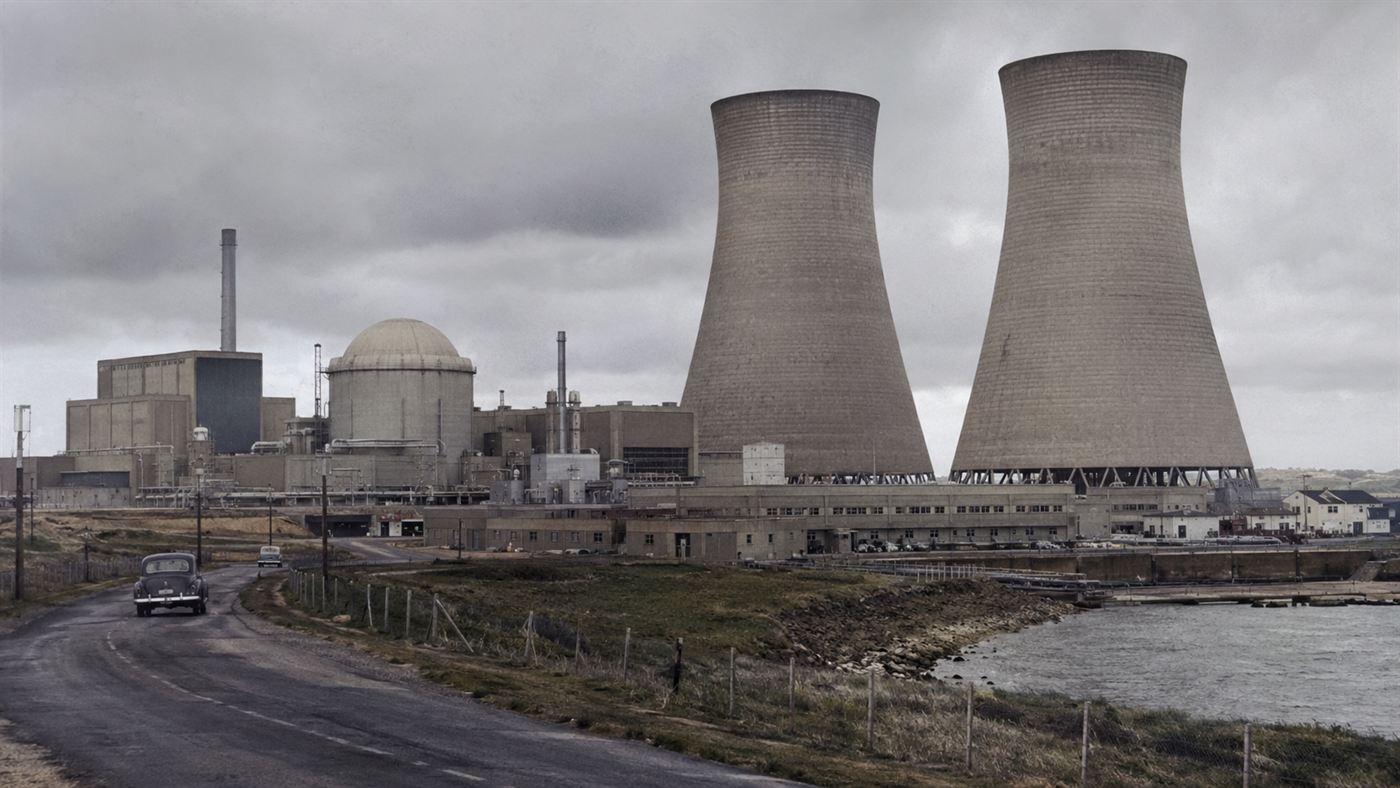
Calder Hall in Cumbria, sold to the world as the future of peaceful power. Illustration: Watts & Wild.
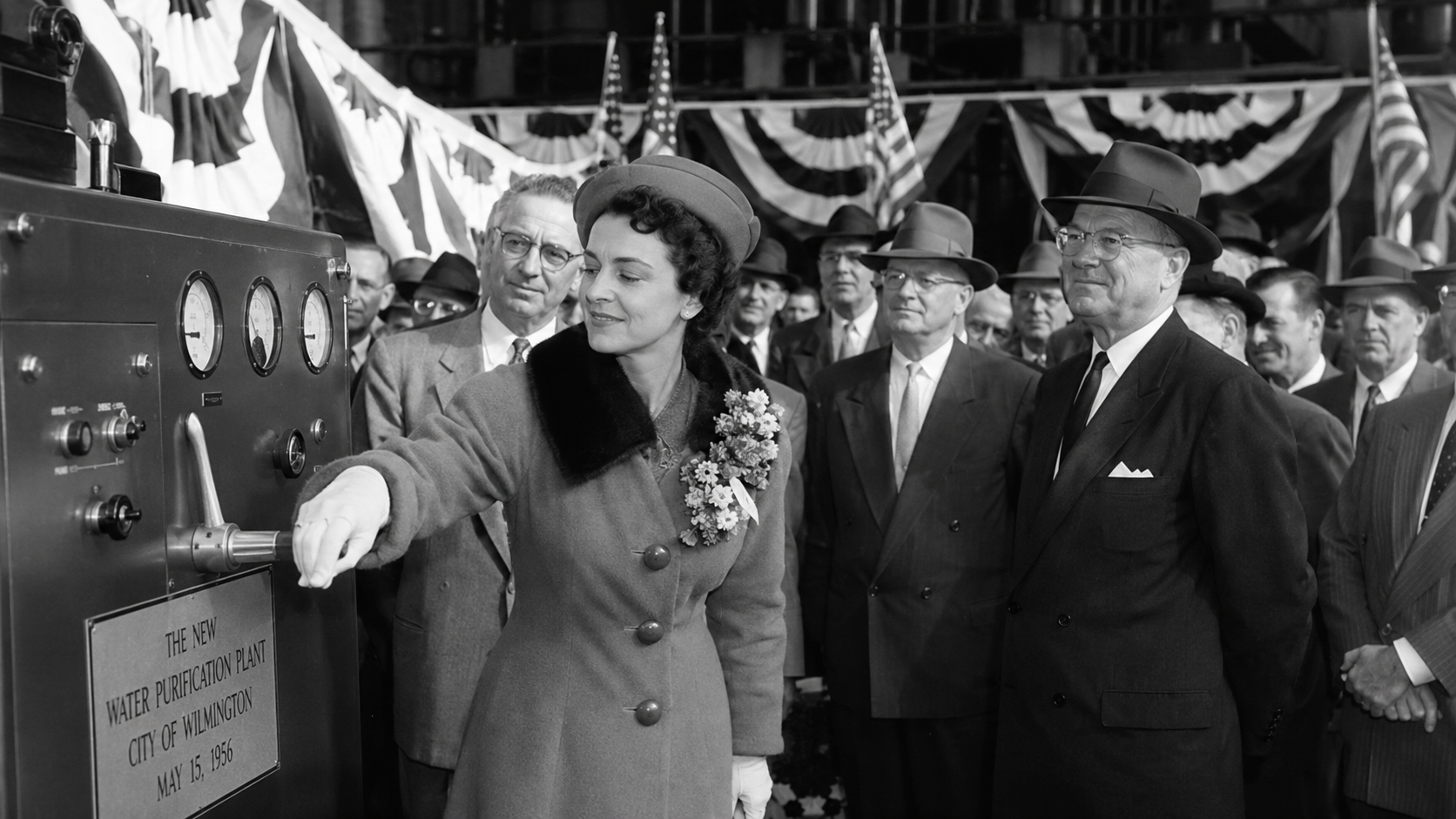
Calder Hall holds a permanent place in history as the world's first commercial nuclear power station, the first anywhere to send electricity to a public grid on an industrial scale. On 17 October 1956, Queen Elizabeth II opened it before the world's press, and the images of the young monarch ushering in the atomic age travelled around the globe.
It was a triumphant moment for a Britain still rationing and rebuilding after the war. But the story everyone was told that day was only half the truth, and not even the more important half.
What was Calder Hall?
Calder Hall sat on the sprawling nuclear site in Cumbria then known as Windscale, today called Sellafield. It used a British reactor design called Magnox, cooled by carbon dioxide gas, and its four reactors together could feed a useful amount of power into the national grid. By the standards of the time it worked remarkably well, and it would keep running for an astonishing 47 years before finally closing in 2003.
To the public, it was the headline act of the "Atoms for Peace" era, the proof that the same physics that had levelled Hiroshima could instead light homes and power factories. The promise was electricity so abundant it would transform ordinary life, and Calder Hall was its gleaming poster child.
The Queen, the future, and the photo op
The opening ceremony was pure optimism. The Queen described the occasion in lofty terms, the newsreels swelled with talk of a brighter future, and the message was unmistakable: Britain had tamed the atom and bent it to peaceful ends. For a country that had been bombed and bankrupted, it was a powerful piece of national pride.
And the achievement was real. Plenty of homes genuinely were lit by Calder Hall's electricity, and it really was first across the line as a working civilian power station. The problem is not that the power was fake. It is that the power was, in the early years, almost a by-product of something far less peaceful happening inside the same reactors.
PIPPA: power and plutonium
The clue was hidden in the project's own codename. Engineers and officials called the Calder Hall design PIPPA, which stood for Pressurised Pile Producing Power and Plutonium. The word "plutonium" was right there in the name, and it was not an afterthought.
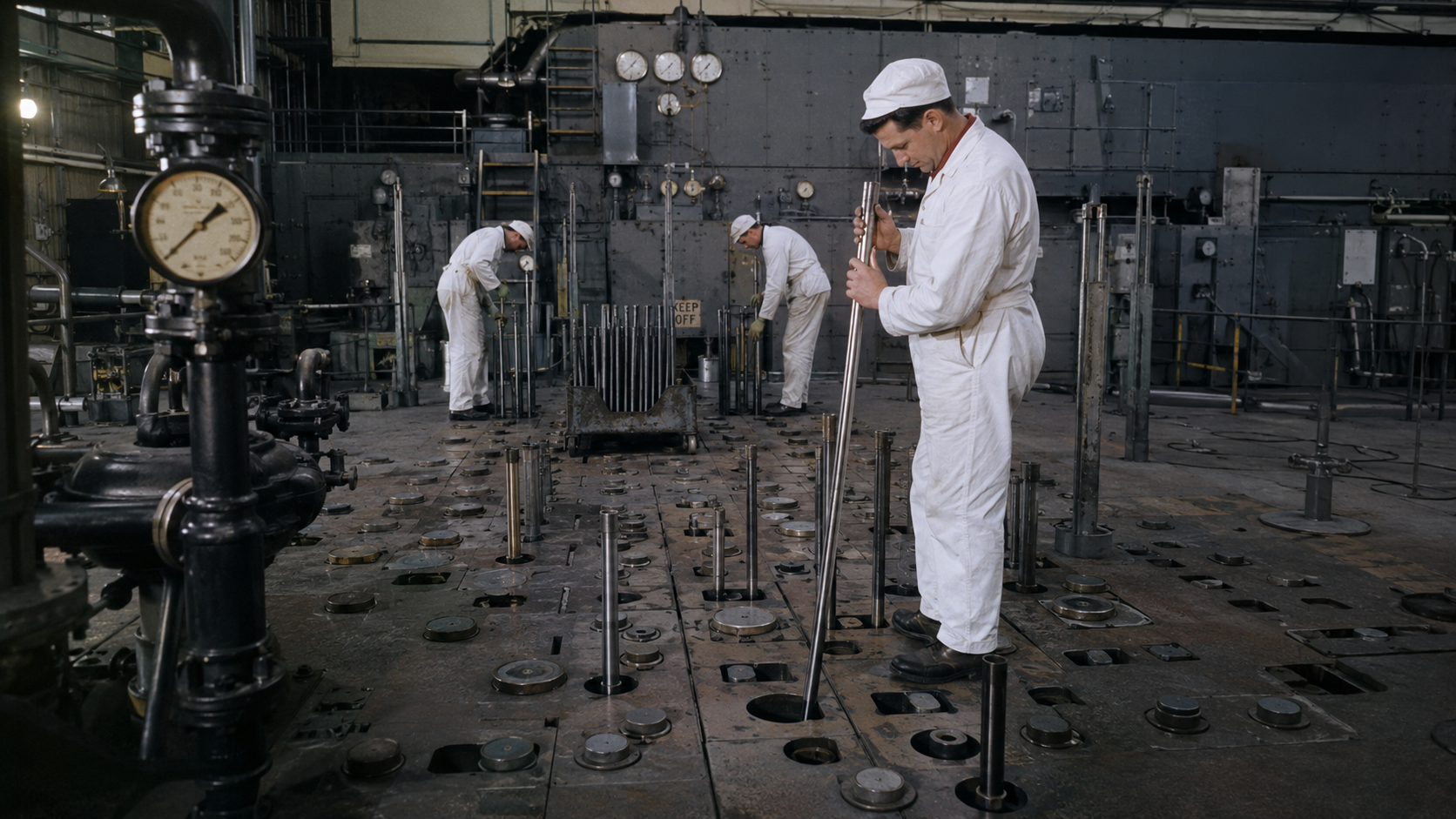
Britain in the 1950s was racing to build an independent nuclear deterrent, and for that it needed weapons-grade plutonium, which is bred inside reactors. Calder Hall's reactors were designed first and foremost to produce that plutonium for the British bomb, and the electricity they generated along the way was the convenient, publicly presentable second job. In its early life the reactors were run on cycles optimised for making weapons material, not for making the most power.
Was Calder Hall really a power station or a bomb factory?
The honest answer is that it was deliberately both, and that the ambiguity was the whole point. A pure plutonium factory would have been a hard thing to celebrate or even admit to. A power station, by contrast, could be opened by the Queen and splashed across every front page as a gift to humanity.
By dressing a military plutonium plant in the costume of a civilian power station, Britain got to advance its weapons programme and bask in the glow of peaceful progress at the same time. Over the years the balance shifted, and from the 1960s the dedicated military plutonium work moved to other reactors on the site, leaving Calder Hall to function more straightforwardly as a power station for the rest of its long life. But at the beginning, the bomb came first.
The honest catch
It would be unfair to dismiss Calder Hall as merely a propaganda stunt. It genuinely was the first commercial nuclear power station, it genuinely fed the grid, and the engineering that made it work was world-leading and pioneered a whole industry. Calling it "only" a bomb factory would be as misleading as the original "only peaceful power" framing.
The truth is the uncomfortable middle. The civilian nuclear age and the nuclear arms race were not separate stories with a clean line between them; they were born tangled together, in the same buildings, from the same reactors, on the same day the Queen smiled for the cameras. Most of the early nuclear powers followed exactly this pattern, building reactors that made both electricity and bomb material, because that is what the technology was first asked to do.
Why Calder Hall still matters
Calder Hall is the origin point of the whole civilian nuclear power industry, and its dual life set a template that shaped how the world has argued about atomic energy ever since. Every modern debate about whether a country's "peaceful" nuclear programme is really about power or really about weapons is, in a sense, an echo of what happened in Cumbria in 1956.
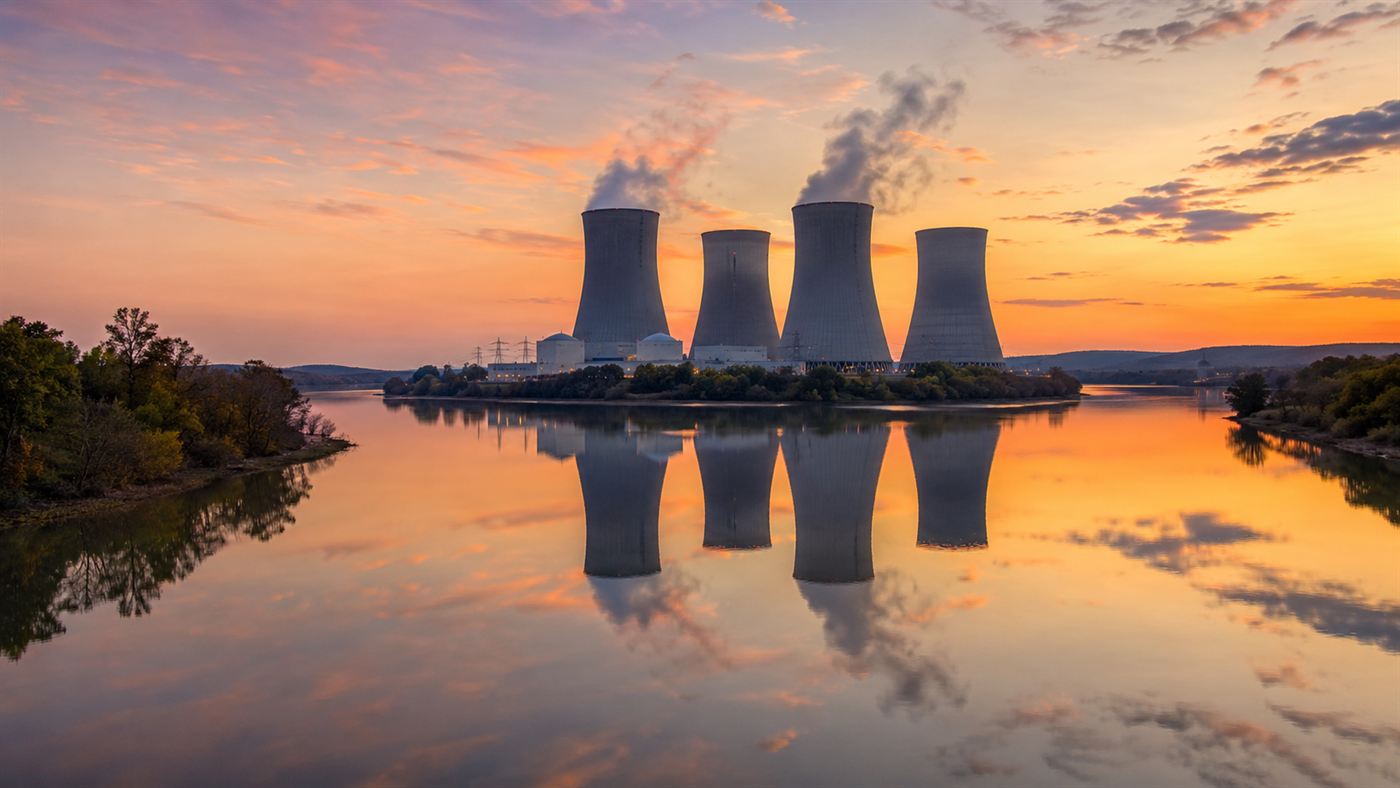
That is the lasting lesson under the cooling towers. The atom never came to us as purely a gift or purely a threat; it arrived as both at once, and it has been up to us ever since to decide which half we feed. Calder Hall lit homes for nearly half a century, and it helped arm a nation, and it did both from the very same fire.
The world's first nuclear power station was opened by a queen as a gift of peace, and built first of all to make bombs. When a technology is born doing two opposite jobs at once, can we ever really separate the good half from the bad? Tell us what you think in the comments.
Related reading: A year later, on the very same Cumbrian site, a reactor caught fire in Britain's worst nuclear accident.