College students built an electric car and drove it to 341 miles an hour on a salt flat
When people picture the fastest electric vehicle in the world, they tend to imagine a Silicon Valley supercar or a secret corporate project. The real record holder is stranger and far more charming than that: a long silver needle of a car, built largely by a small group of university students, that screamed across a desert of salt at well over five hundred kilometres an hour. It is called the Buckeye Bullet.
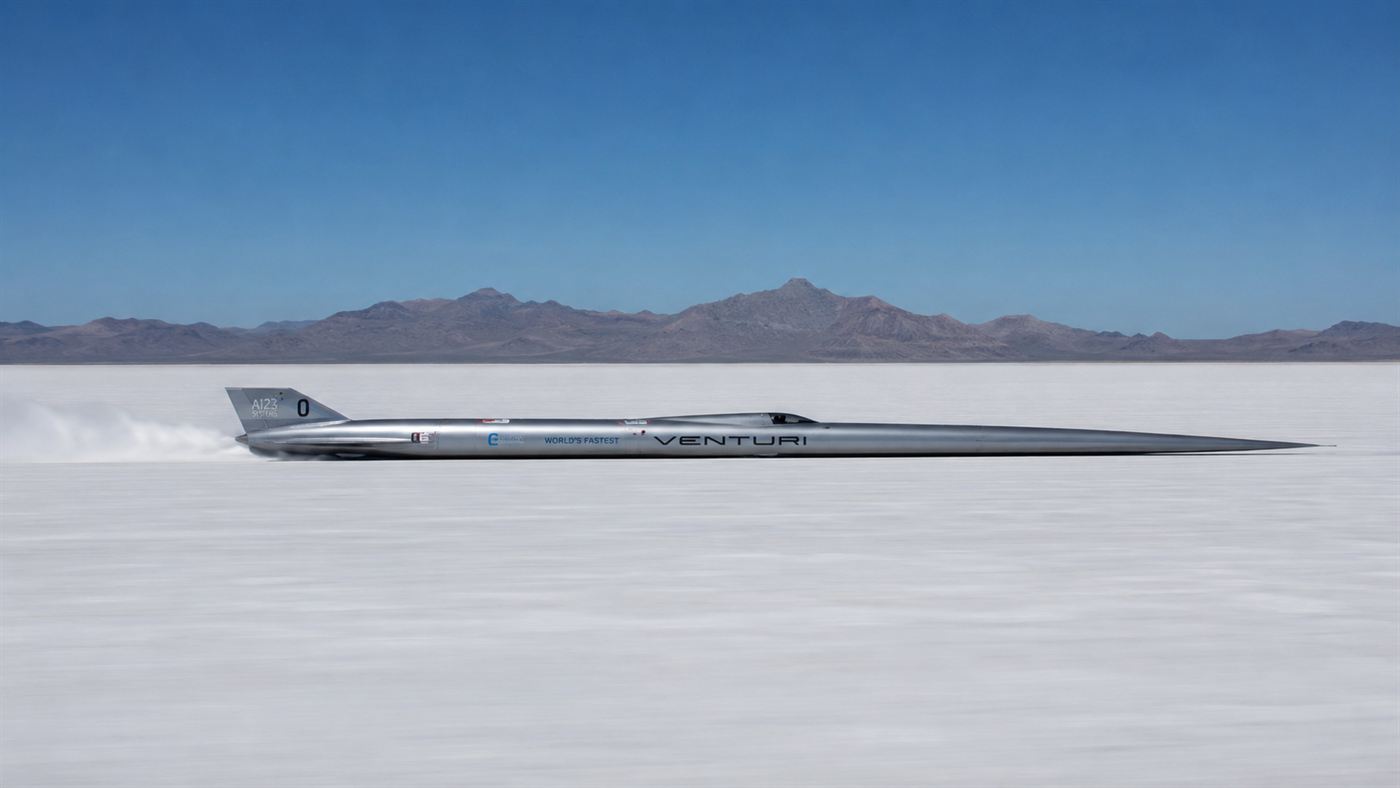
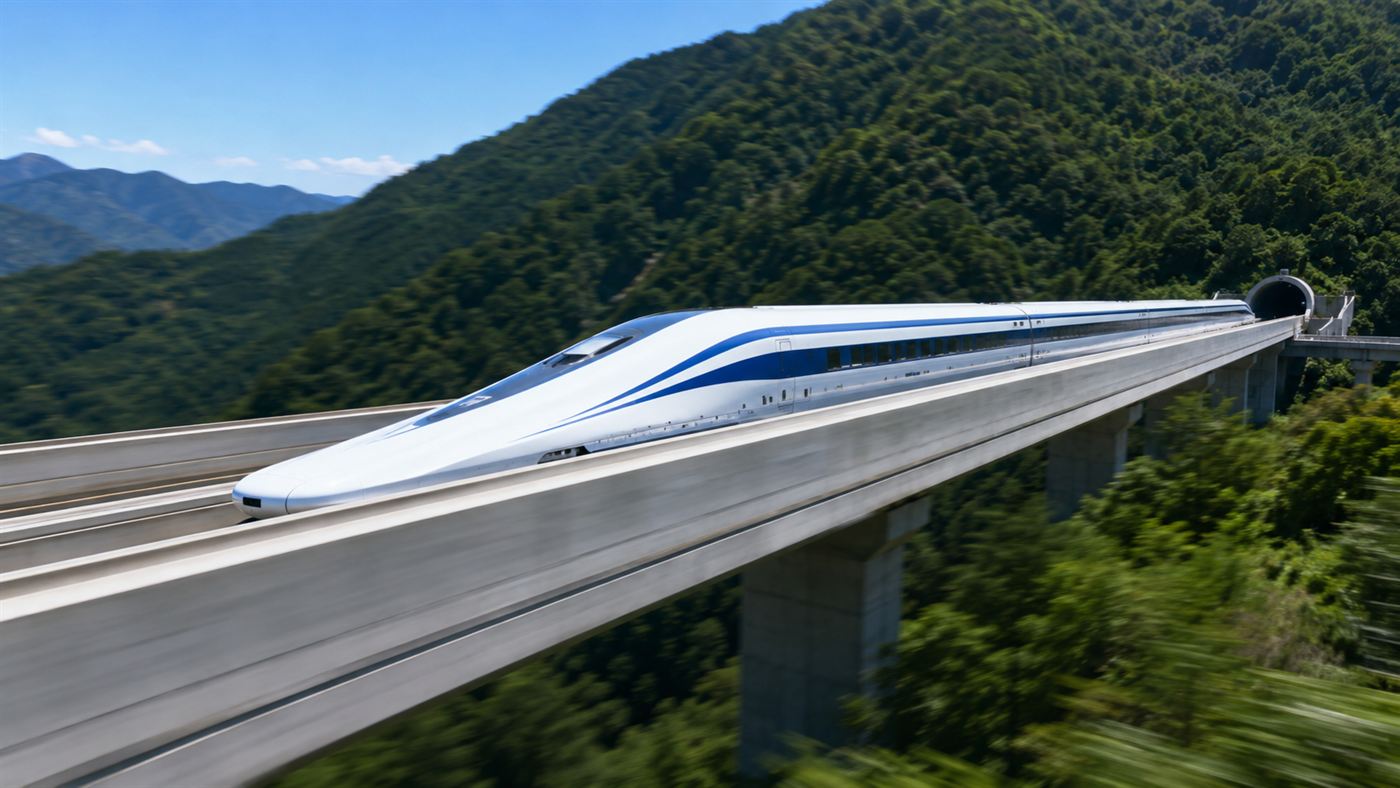
The Buckeye Bullet is a 12-metre blade of a car, built to do one thing: go impossibly fast on electricity. Illustration: Watts & Wild.
The Buckeye Bullet is a series of experimental electric streamliners built by students at Ohio State University's Center for Automotive Research, in partnership with the small Monaco-based electric carmaker Venturi. Its third and fastest version, the Venturi Buckeye Bullet 3, set the world land speed record for electric vehicles in 2016, averaging about 341 miles per hour over a measured mile.
That is roughly 549 kilometres an hour, faster than most light aircraft fly, achieved not by a famous brand but by a team you could fit around a couple of dinner tables.
A record set on a sea of salt
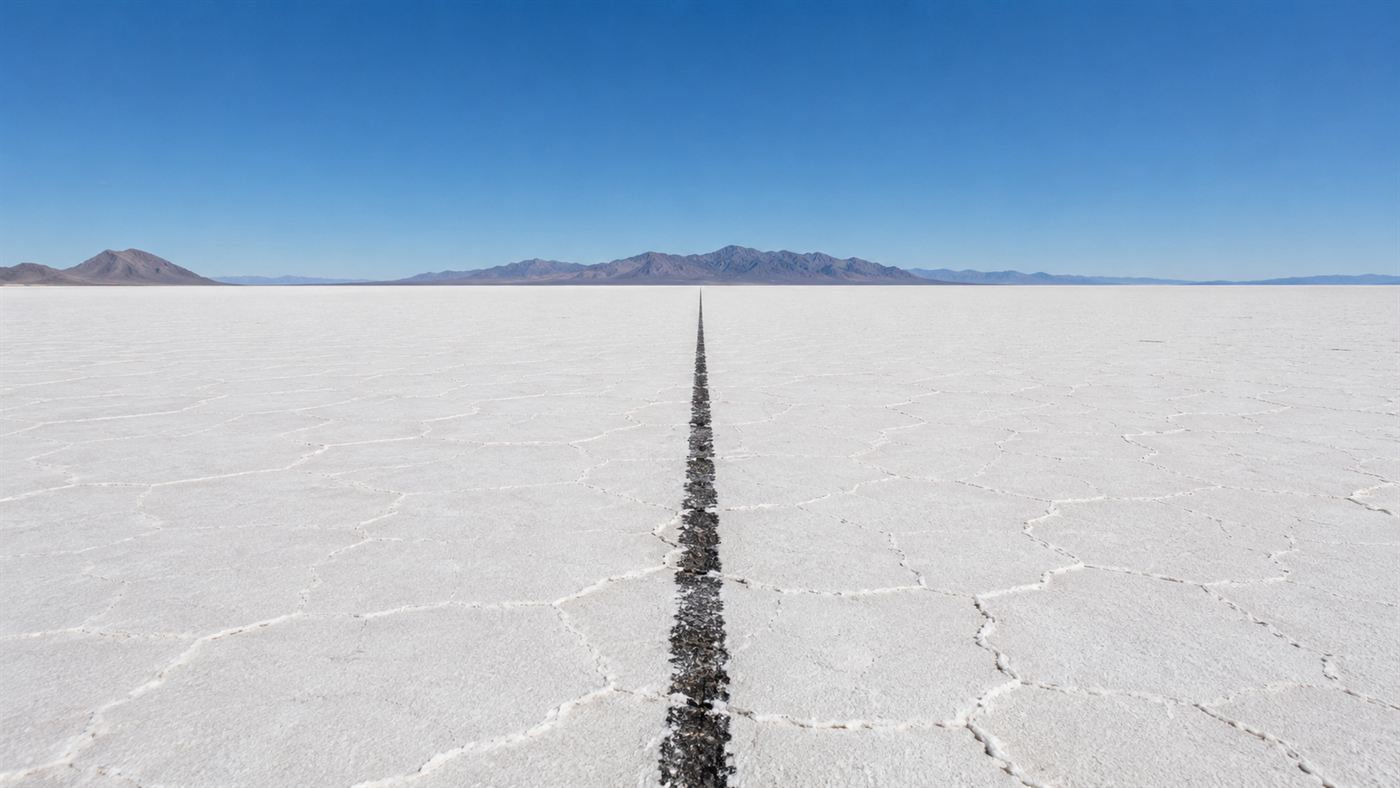
The runs took place at the Bonneville Salt Flats in Utah, a vast, blindingly white plain of hard salt that has been the spiritual home of land speed records for a century. There is nothing else like it: kilometres of dead-flat, dead-straight surface where a car can be wound all the way up to its limit. It is also brutally unforgiving, and the salt's condition and the weather can wreck an entire season's attempt in an afternoon.
On a good run in 2016, the Buckeye Bullet averaged about 341 miles per hour through the timed mile and touched something near 358 at its very fastest. For a vehicle running purely on batteries, with no engine, no fuel and no noise but the howl of the wind and tyres, it was a staggering number.
What the Buckeye Bullet is
Up close, the car barely looks like a car. It is a needle around twelve metres long and only just wide enough for a single driver lying almost flat in the middle, with a powertrain at each end. The whole shape is sculpted to slip through the air, and its drag coefficient of about 0.13 makes an ordinary slippery road car look like a brick. Every curve of it exists to fight the one enemy that matters at this speed: air.
The most remarkable thing is who made it. The Buckeye Bullet grew out of decades of electric racing at Ohio State, and each version was designed and built by a rotating crew of students, perhaps ten at the core, working across years and handing the project down like a torch. The fastest electric vehicle on Earth is, at heart, a student project.
Two megawatts of batteries and a body like a blade
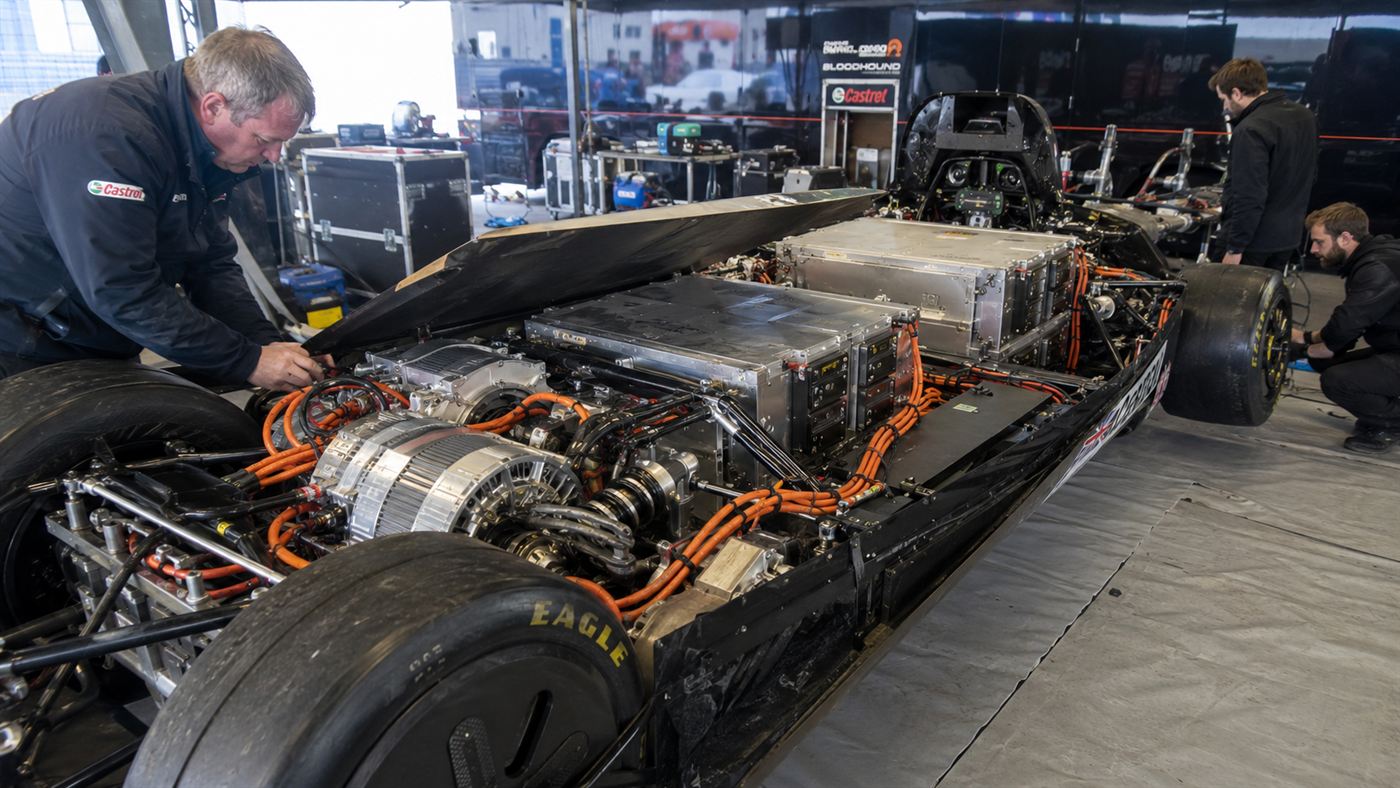
Underneath the skin, the numbers are enormous. The car carries more than two megawatts of lithium-ion batteries, feeding two custom electric motors on each axle, so all four wheels are driven by something like three thousand horsepower in total. That is the output of a small power station, packed into a car body and unleashed for a handful of seconds across the salt.
Electric motors are perfectly suited to this. They deliver their full twisting force almost instantly and keep pulling smoothly all the way up, with none of the gear-hunting and breathing problems that complicate a combustion engine at extreme speed. The Buckeye Bullet is really a demonstration of what happens when you give that clean, immediate power enough battery and a body shaped like a knife.
Why electric was always going to be fast
For a long time, electric vehicles were dismissed as slow and dull, milk-float machines for people who did not really like driving. The Buckeye Bullet is one of the clearest answers to that old insult. Far from being a compromise, electric power turns out to be ferociously, almost frighteningly capable when you stop worrying about range and simply chase speed.
You can see the same truth now in electric drag cars that humble supercars and in road EVs that out-accelerate machines costing ten times as much. The salt-flat record is the extreme tip of it, the proof that there is nothing inherently gentle about a motor and a battery. They were never slow. They were just waiting for someone to push them.
The honest catch
A few caveats keep this in proportion. The Buckeye Bullet is a purpose-built streamliner that exists only to set records on salt; it is not a car you could ever drive to work, and its record is the specific land speed record for electric vehicles, measured as a timed average. There are many different "fastest electric" titles, for production cars, for drag racers, for different classes, and they are not the same thing.
It is also fair to say the project stood on decades of earlier work and ideal conditions, and that a salt season can be lost entirely to bad weather. None of that dims the achievement. A group of students, with a small European partner and a great deal of stubbornness, built the fastest electric vehicle in the world and drove it past 341 miles an hour. Sometimes the future is not built by the giants, but by the people still learning how.
The fastest electric vehicle on Earth was built by students, not a billion-dollar lab, and it went 341 miles an hour on salt. Does it change how you see electric cars to know one of them is this brutally fast? Tell us what you think in the comments.
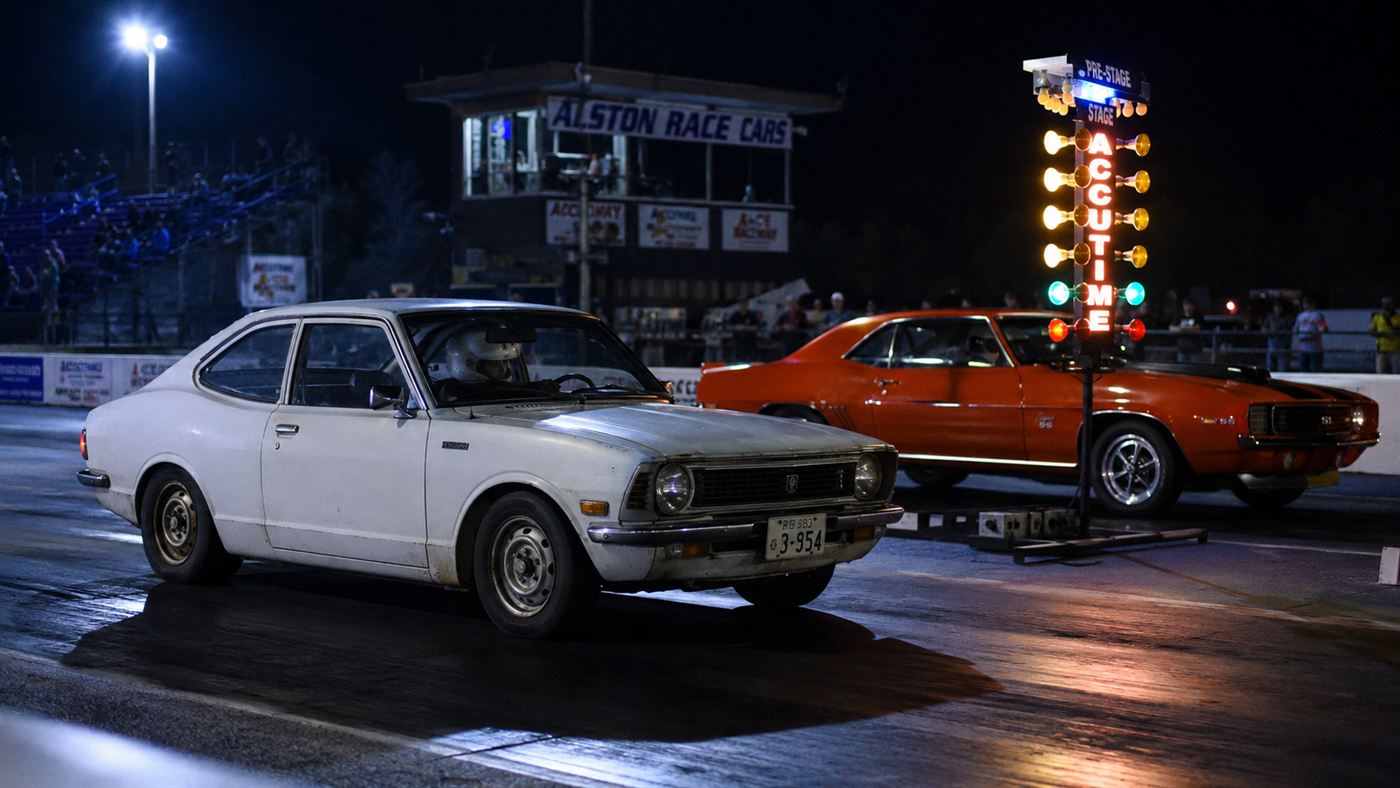
Related reading: White Zombie, the battered electric Datsun that started humbling muscle cars at the drag strip.