The driverless car quietly went mainstream, and almost no one noticed the moment it happened
For decades the self-driving car was the future that never quite arrived. By 2026 it had arrived, so smoothly that it slipped past most of us. The Waymo robotaxi is now carrying roughly half a million paying passengers a week, with no one in the front seat and no one behind the wheel, and the company is already reaching for double that.
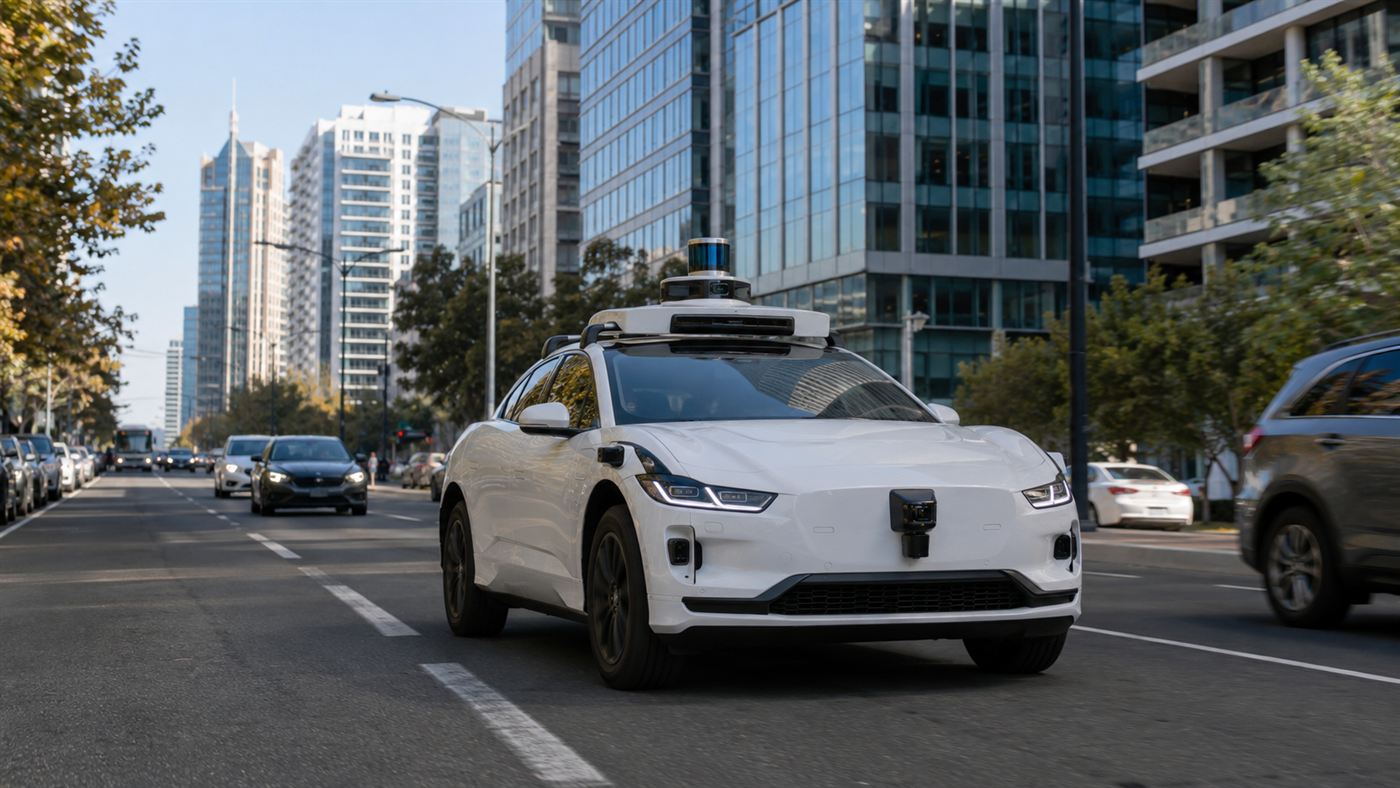
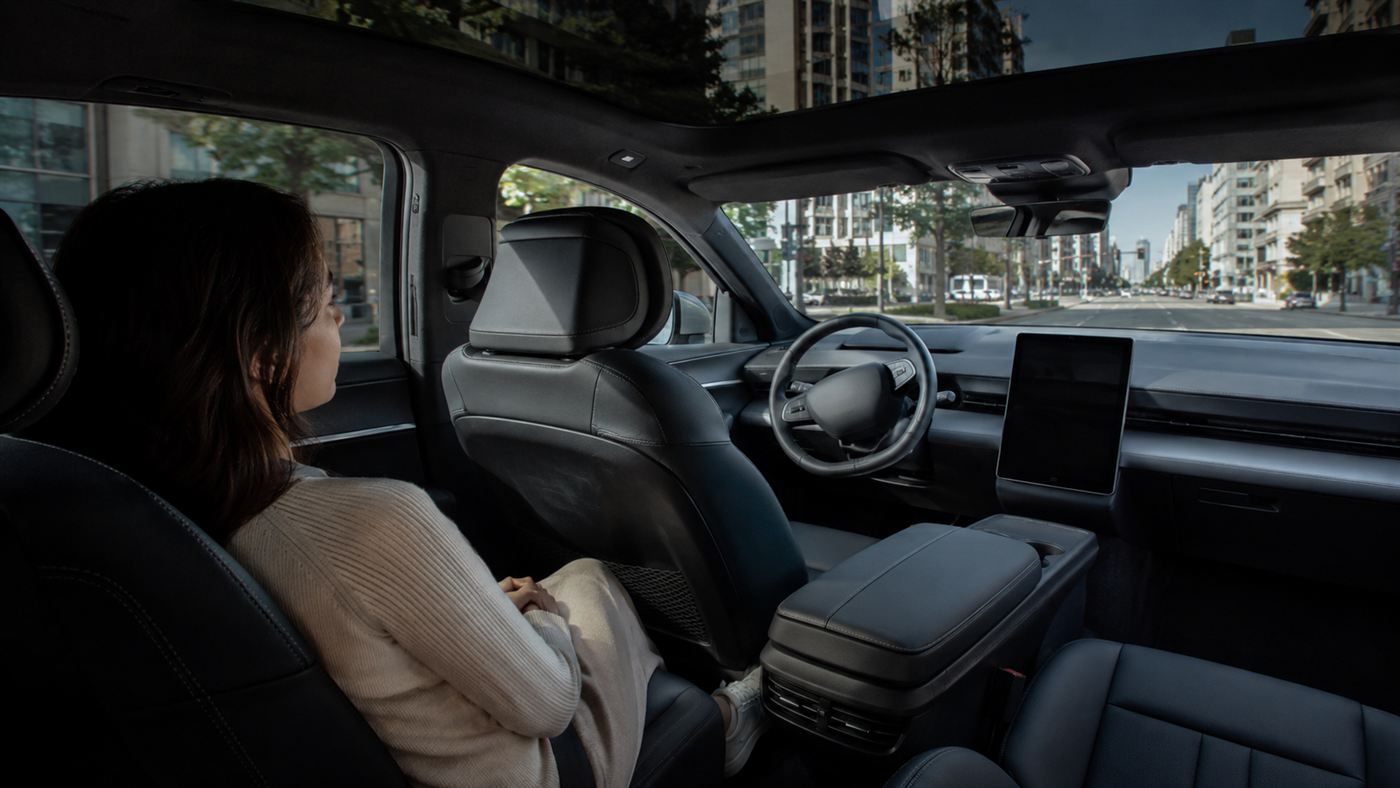
An empty driver's seat is now an ordinary sight on the streets of several US cities. Illustration: Watts & Wild.
The headline number is the one that lands. In 2026 Waymo, the self-driving arm spun out of Google's parent company Alphabet, said it was giving about 500,000 paid rides every week, and set itself a target of one million a week by the end of the year. These are not test runs with a safety driver hovering nearby, they are ordinary paying passengers in cars that drive themselves.
The service now runs across ten American cities, among them Phoenix, San Francisco, Los Angeles, Austin, Atlanta, Miami, Dallas, Houston, San Antonio and Orlando. Its mapped territory has swelled past 1,400 square miles, a patch of America larger than the whole state of Rhode Island, and it has begun its first testing outside the country, on the streets of Tokyo.
The short version is that the robotaxi stopped being a demo and became a business, and it happened not with a bang but with the quiet, relentless adding of one more city, then another.
How the Waymo robotaxi finally scaled
What changed was not a single breakthrough but the slow grind of reliability. A self-driving car that works impressively nine times out of ten is useless as a business; it has to work almost every time, in rain, at night, around double-parked trucks and confused pedestrians. Reaching that boring, unglamorous consistency is what took so many years and so many billions of dollars.
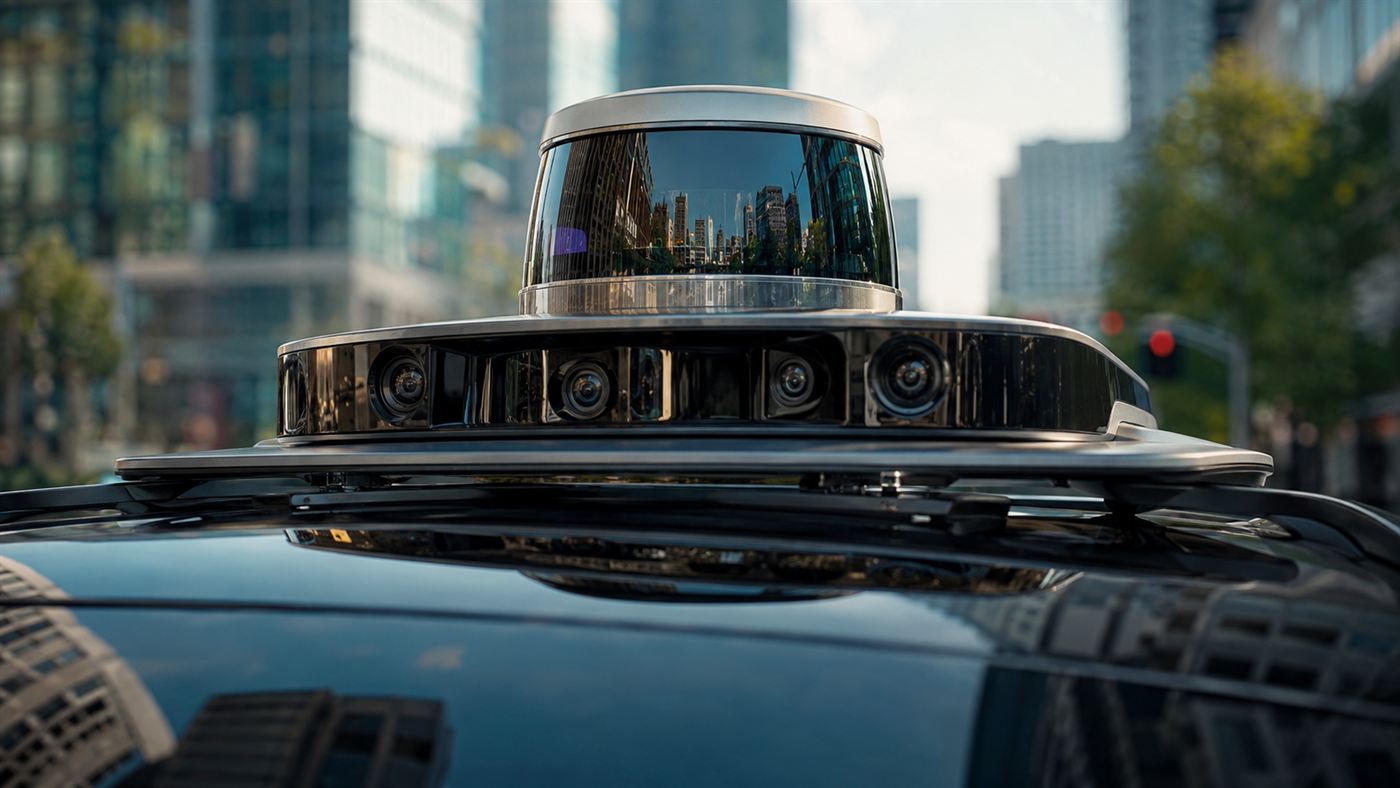
Waymo leaned on a thicket of sensors, spinning laser scanners, radar and cameras, that let the car build a detailed three-dimensional picture of the world, backed by years of mapping each city in fine detail. It is an expensive way to do it, but it has produced something rare in this field: a service dependable enough that half a million strangers a week trust a computer to drive them without thinking twice.
Why it is happening in these cities first
The map is not random. Waymo began in warm, dry, grid-planned places like Phoenix, where gentle weather and simple streets make the driving problem easier, then worked outward toward harder ground. Each new city demands months of mapping and testing before a single paying passenger climbs in, which is why the expansion looks steady rather than sudden.
Money is clearly not the obstacle. Early in 2026 Waymo raised a funding round of around 16 billion dollars, valuing the company at roughly 126 billion, with Alphabet the majority backer. That war chest is what lets it pour years and fortunes into each new market, playing a long game that smaller rivals simply cannot afford to match, adding rides market by market. It is expanding faster than anyone else in the field.
Are these cars actually safe?
This is the question that matters most, and the early evidence is genuinely encouraging. Waymo publishes crash data showing that, per mile driven, its cars are involved in far fewer injury crashes than human drivers, partly because a computer never gets drunk, tired, distracted or angry. For a technology this new, that is a strong start.
Yet the honest reading needs caveats. The fleet is still tiny next to the ocean of human driving, so the statistics, though good, are young. The cars have frozen in confusion, blocked traffic and occasionally needed remote human help, and a single dramatic failure could shift public trust overnight. Encouraging is the right word, not proven.
The honest catch
It is easy to greet this as the arrival of a safer, smoother future, and there is real substance to that hope. Fewer crashes, freedom for people who cannot drive, and less need to own a car at all are genuine goods worth wanting. The technology is impressive and the safety record so far is a point in its favour, not against.
But the catch is the world these cars are quietly reshaping. A future of cheap robotaxis could put a great many professional drivers out of work, could tempt cities into ever more car traffic rather than less, and hands enormous power over how we move to a couple of giant companies. A car that drives itself is not the same as a city that works better. The machine has arrived and it is remarkable. What we build around it is the part still very much up to us.
Sources: CNBC on Waymo's expansion, Electrek, and Waymo.
Half a million times a week, someone climbs into a car with no one to drive it, and thinks nothing of it. Would you put your family in a car with an empty driver's seat, or does the idea still stop you cold? Tell us what you think in the comments.
Related reading: how Tesla's rival robotaxi now drives across all of Austin with a surprisingly tiny fleet. See also the fleet of driverless electric trucks already hauling ore across Chinese mines, and the Tesla Semi finally reaching real production.