2026 is the year humanoid robots stopped being demos and started rolling off a real assembly line, one an hour
For years, humanoid robots lived mostly in slick videos and on conference stages, always almost ready. In 2026 that quietly changed. Real factories began turning them out in numbers, one company now finishing a walking machine roughly one every hour, around the clock, which is a very different thing from a demo.
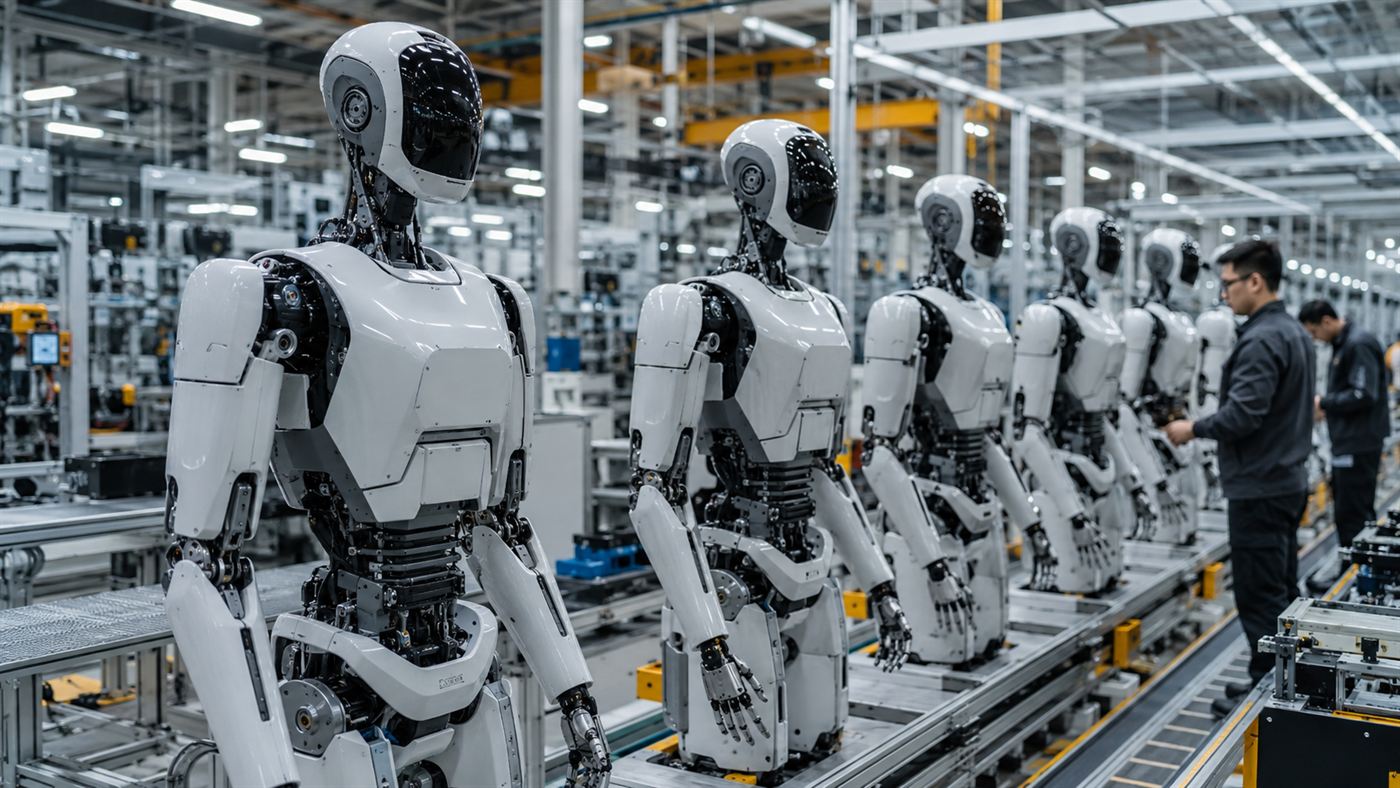
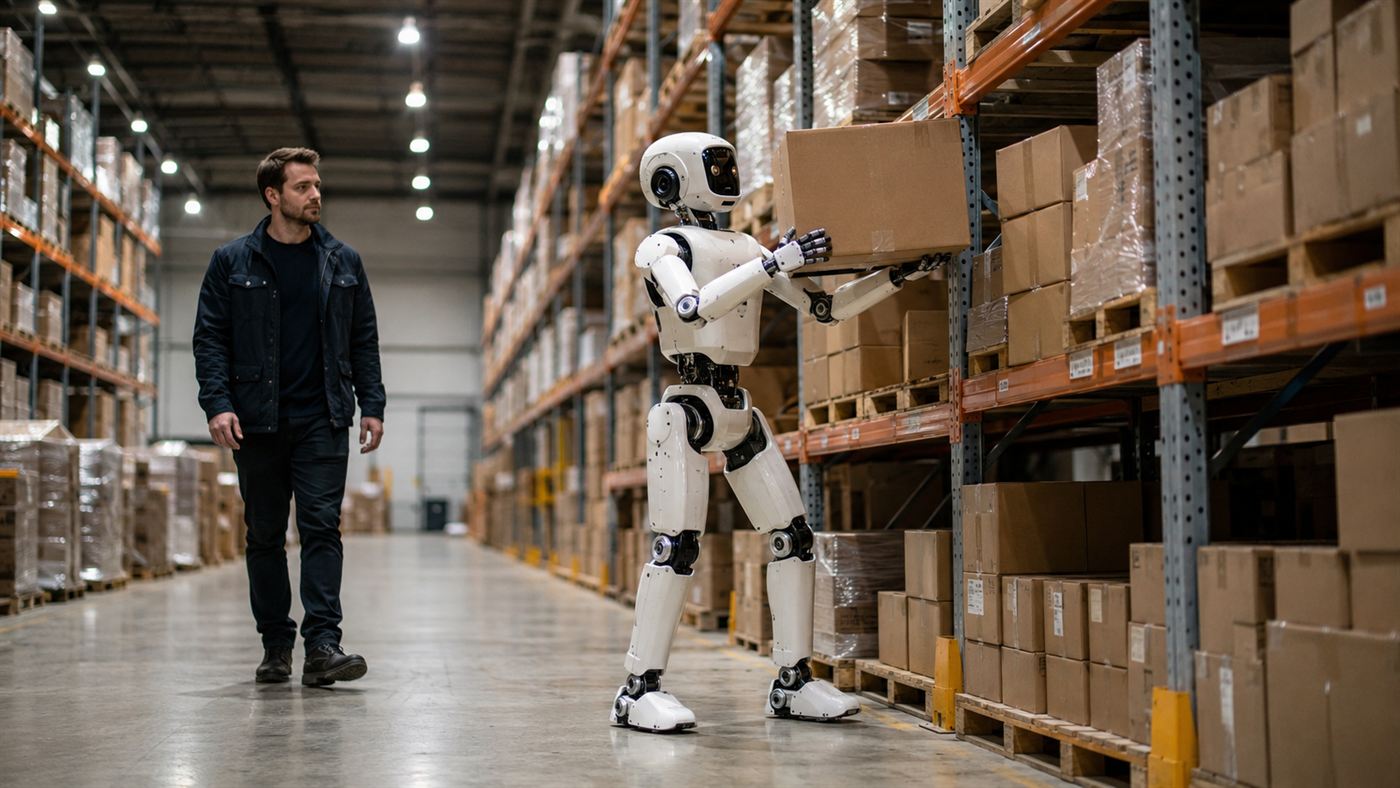
Humanoid robots are now being assembled on production lines rather than one at a time. Illustration: Watts & Wild.
The clearest signal comes from the company Figure AI, which says its new factory, called BotQ, has ramped from building one robot a day to one an hour in under four months, a roughly twenty-fourfold jump. The line runs on custom software spread across more than 150 networked workstations, and the firm says it has already delivered over 350 machines and is aiming for 12,000 a year.
It is not alone. Boston Dynamics, long famous for its acrobatic prototypes, has started shipping its new all-electric Atlas to early customers including the carmaker Hyundai, the first real commercial deployment after decades of research. Tesla, meanwhile, is inching its Optimus robot toward low-volume production. The whole field has crossed a line from showing to making.
The short version is that the humanoid robot has finally reached the stage every technology must pass through to matter, the boring, decisive stage of actually being manufactured.
Why building humanoid robots at all is so hard
A machine shaped like a person is a nightmare to engineer, which is why this milestone took so long. Balancing on two legs, gripping delicate objects and seeing a cluttered world all at once demand enormous computing power and dozens of precise motors packed into a human-sized frame. For decades that was simply too much to do reliably or affordably.
Two things changed. Cheap, powerful chips and better artificial intelligence gave robots the brains to handle a messy real world, and the electric-car boom drove down the cost of the exact motors and batteries a robot body needs. The hardest part was never the walking, it was making the whole package cheap and dependable enough to build by the thousand, and that is the wall 2026 has started to breach.
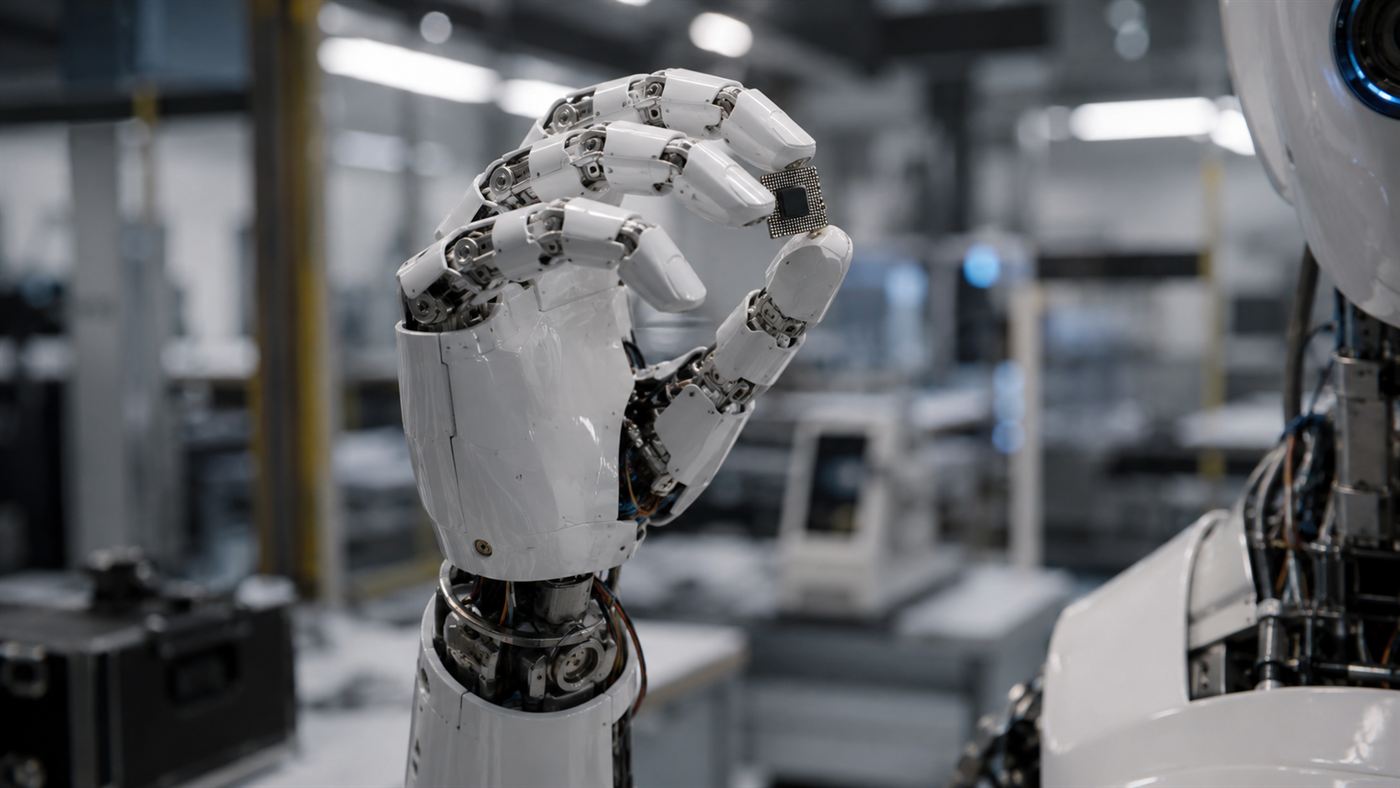
What the robots are actually being asked to do
The first jobs are deliberately dull. Companies from Boston Dynamics to Figure AI are aiming these machines at warehouses and factory floors, moving boxes, loading machines, sorting parts, the repetitive physical work that is hard to hire for and easy to describe. A robot shaped like us fits into buildings and tools already designed around human bodies, which is much of the appeal.
Hyundai and others have reserved future production precisely to test that promise on their own lines. The bet is that a general-purpose worker, one that can be reassigned to a new task with new software rather than new hardware, could eventually be more useful than a fleet of single-purpose machines. That bet is now being placed with real money and real robots rather than slideshows.
Does making them mean they are useful yet?
This is where honesty is needed, and it comes from an unlikely source. In early 2026 Elon Musk himself said that Tesla's Optimus units were not yet doing useful work and remained in a research phase. Building a robot and having it earn its keep are two very different achievements, and most machines rolling out now are still learning on the job under close supervision.
So the production numbers, impressive as they are, describe capacity rather than results. A factory like BotQ that can make 12,000 robots a year is a remarkable thing, but it does not by itself prove there are 12,000 jobs those robots can do well and cheaply. The manufacturing has arrived ahead of the usefulness, which is the opposite of how we usually imagine progress.
The honest catch
It is easy to watch a robot fold a shirt and conclude that a science-fiction future has landed, and just as easy to sneer that these are expensive puppets. The truth is in between, and it is genuinely a turning point. The machines are real, they are being built in growing numbers, and the underlying costs are falling in a way that historically precedes an explosion. Those are not small facts.
But the catch is that capability is lagging far behind capacity, and hype is arriving at the same address as reality, making the two easy to confuse. A robot that can be built is not yet a robot that can be trusted with your warehouse, let alone your home. What 2026 really marks is not the arrival of the robot workforce but the start of its manufacturing, a beginning that could stall for years or race ahead. Worth watching closely, and worth believing only what actually gets done.
Sources: Figure AI on ramping Figure 03 production, Interesting Engineering, and Robotics and Automation News.
For the first time, walking, human-shaped machines are coming off a line by the hundred, even if no one is quite sure what they are for yet. Would you welcome a humanoid robot into your workplace, or does the idea unsettle you? Tell us what you think in the comments.
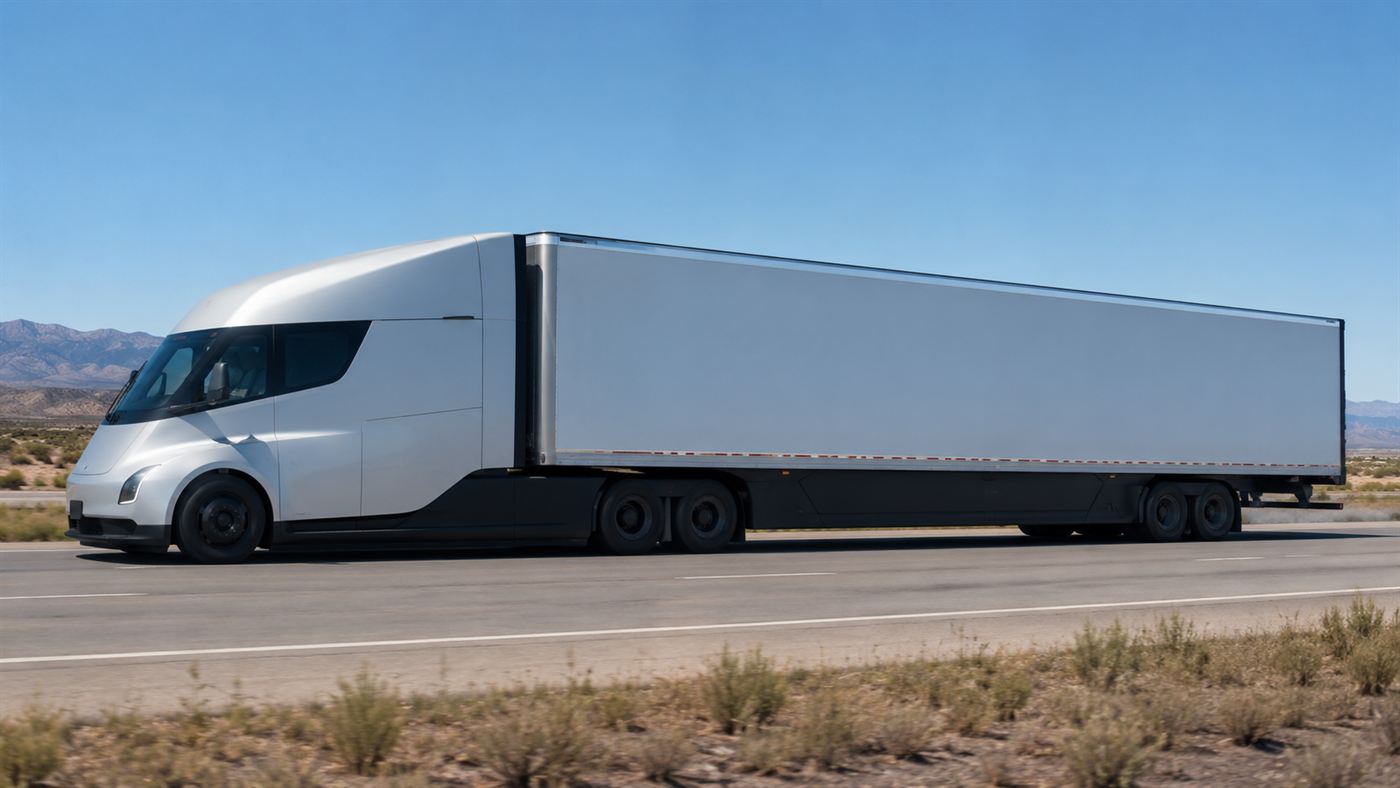
Related reading: the Mechanical Turk, an eighteenth-century robot that was really a man in a box. See also the Tesla Semi, another machine that spent years as a promise before reaching real production, and the factory tragedy that reshaped how we think about human labour.