China just switched on the world's largest fleet of driverless electric mining trucks, 100 giant machines that each haul 90 tonnes, swap their batteries instead of charging, and run with nobody in the cab
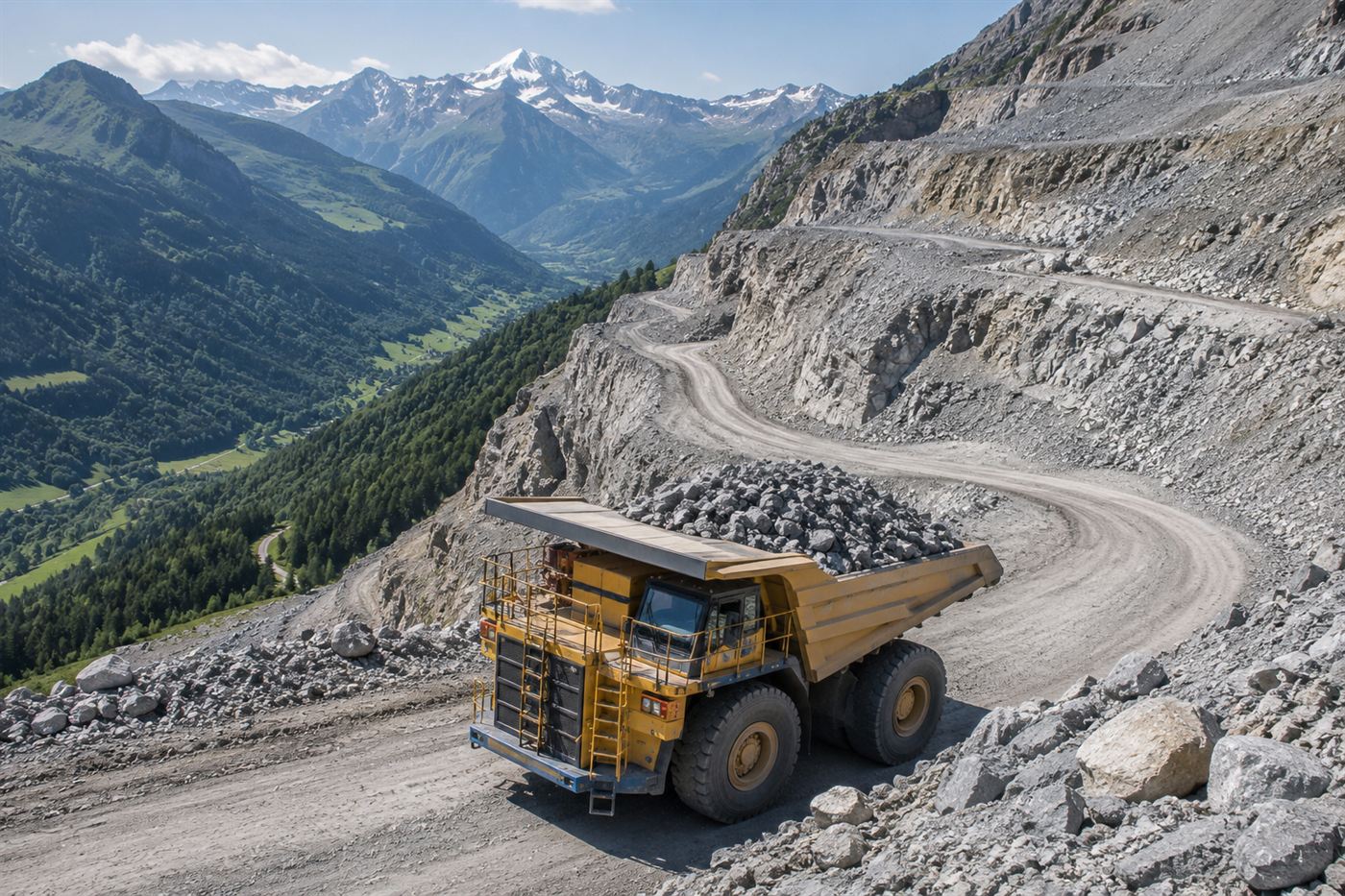
At an open-pit coal mine in Inner Mongolia, 100 enormous haul trucks rumble around the clock carrying 90 tonnes of earth at a time. None of them burns diesel, and none of them has a driver. It is the largest fleet of autonomous electric mining trucks in the world.
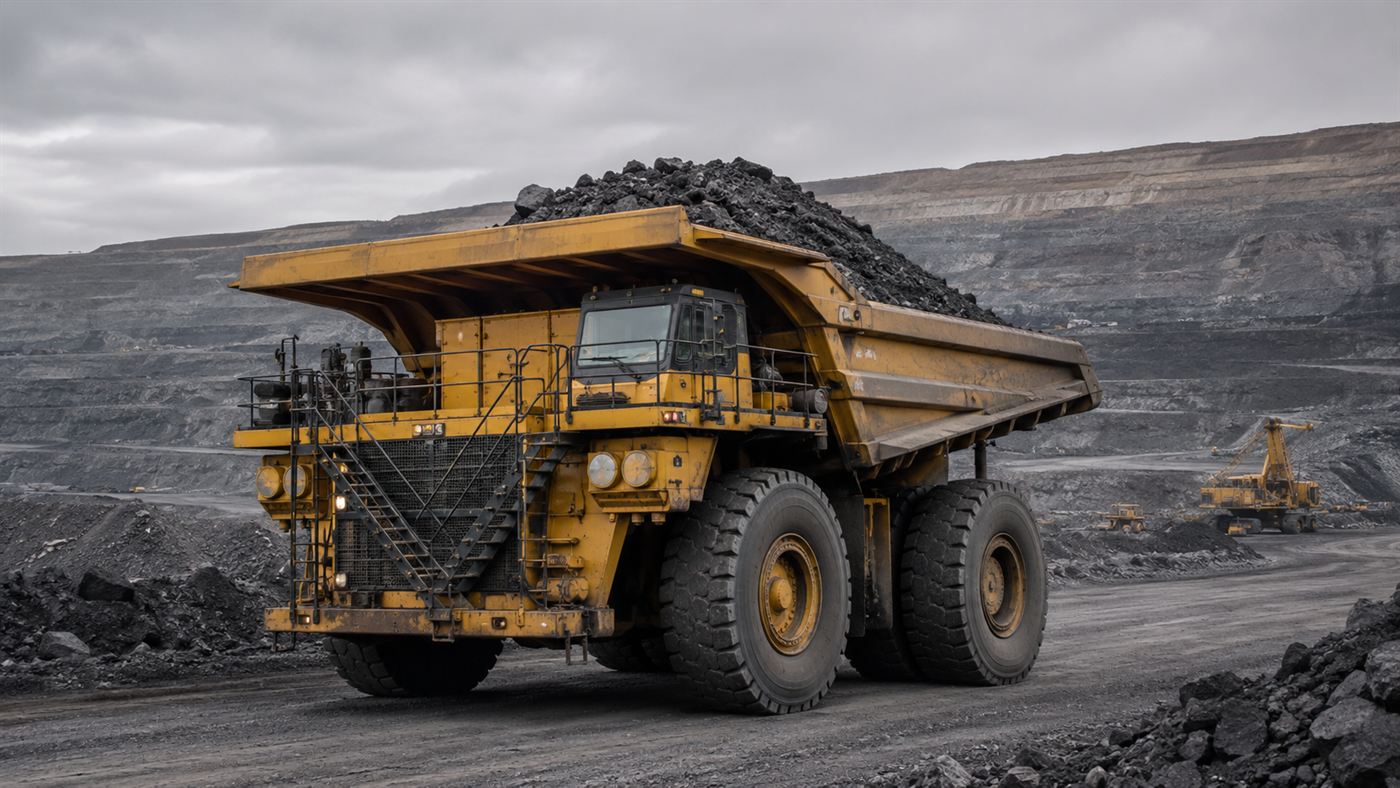
Each truck hauls 90 tonnes and runs with no one in the cab. Illustration: Watts & Wild.
In May 2025, the Huaneng Yimin open-pit coal mine in Inner Mongolia quietly crossed a line that the rest of the mining world has only talked about. It put a fleet of 100 autonomous electric mining trucks into daily operation all at once, fully battery powered and fully driverless, the largest deployment of its kind anywhere on Earth. No prototypes, no single demo vehicle, an entire working fleet.
Each machine is a Huaneng Ruichi truck, and despite their size they carry no one. They are guided by artificial intelligence and a 5G-A network laid across the mine, hauling ore on fixed routes, day and night, in some of the harshest working conditions on the planet. It is a glimpse of what heavy industry looks like when you take out both the engine and the driver.
A hundred autonomous electric mining trucks, no drivers
The headline number is the fleet itself. As electrive reported, 100 autonomous battery-electric trucks went into service together at Yimin, making it the world's largest such fleet, in a project run by China Huaneng alongside the machinery maker XCMG, Huawei, and the State Grid. Each truck can carry a 90-tonne load, and the operators say the autonomous trucks deliver about 120 percent of the productivity of a human-driven one.
That last figure is the quiet shock of the whole thing. The trucks are not just as good as a human driver, they are reckoned to be more productive, because they never tire, never take a break, and never need a shift change. A machine that runs a near-perfect route over and over turns out to be very well suited to the dull, repetitive grind of moving earth around a pit.
Batteries you swap, not charge
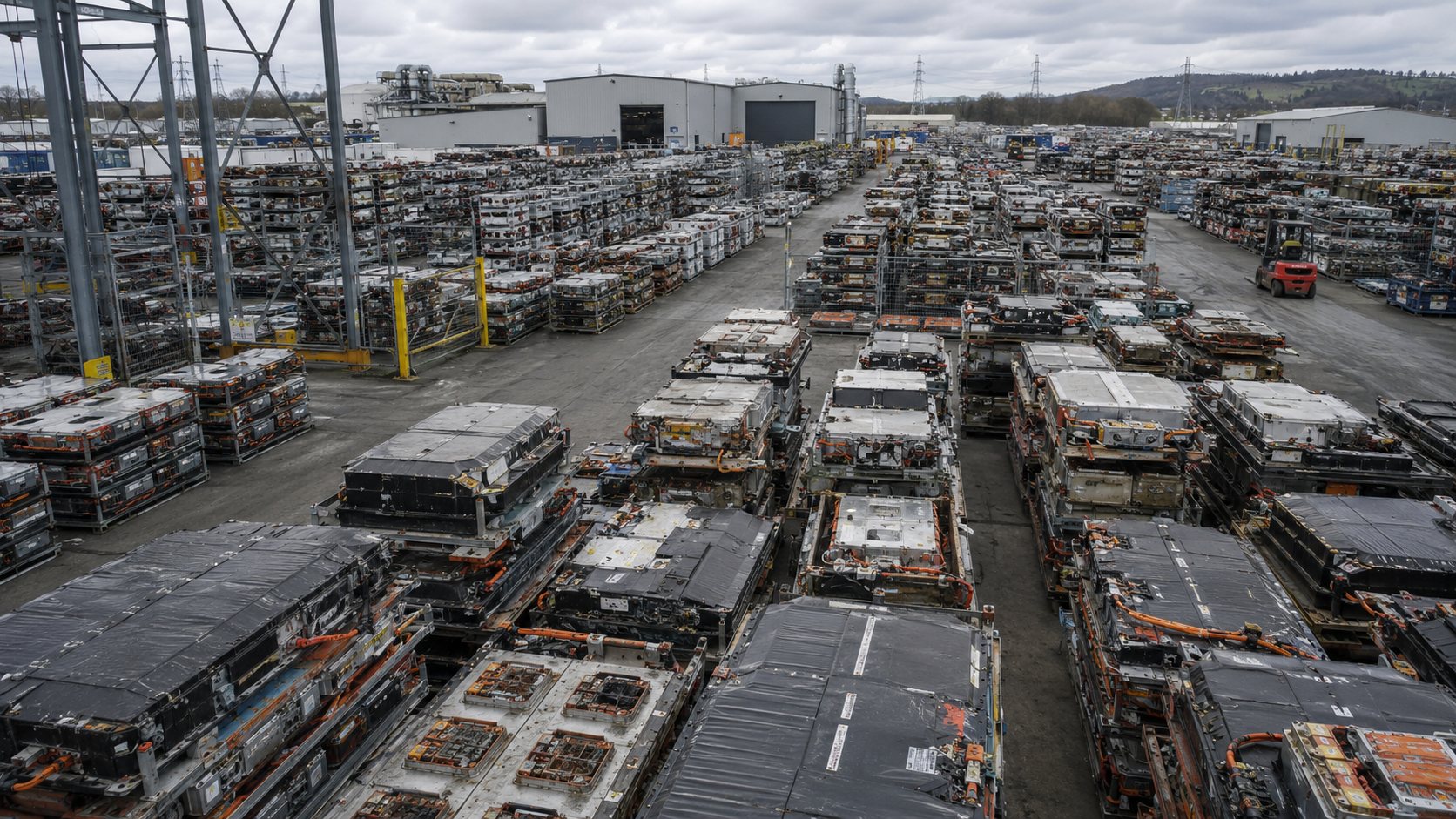
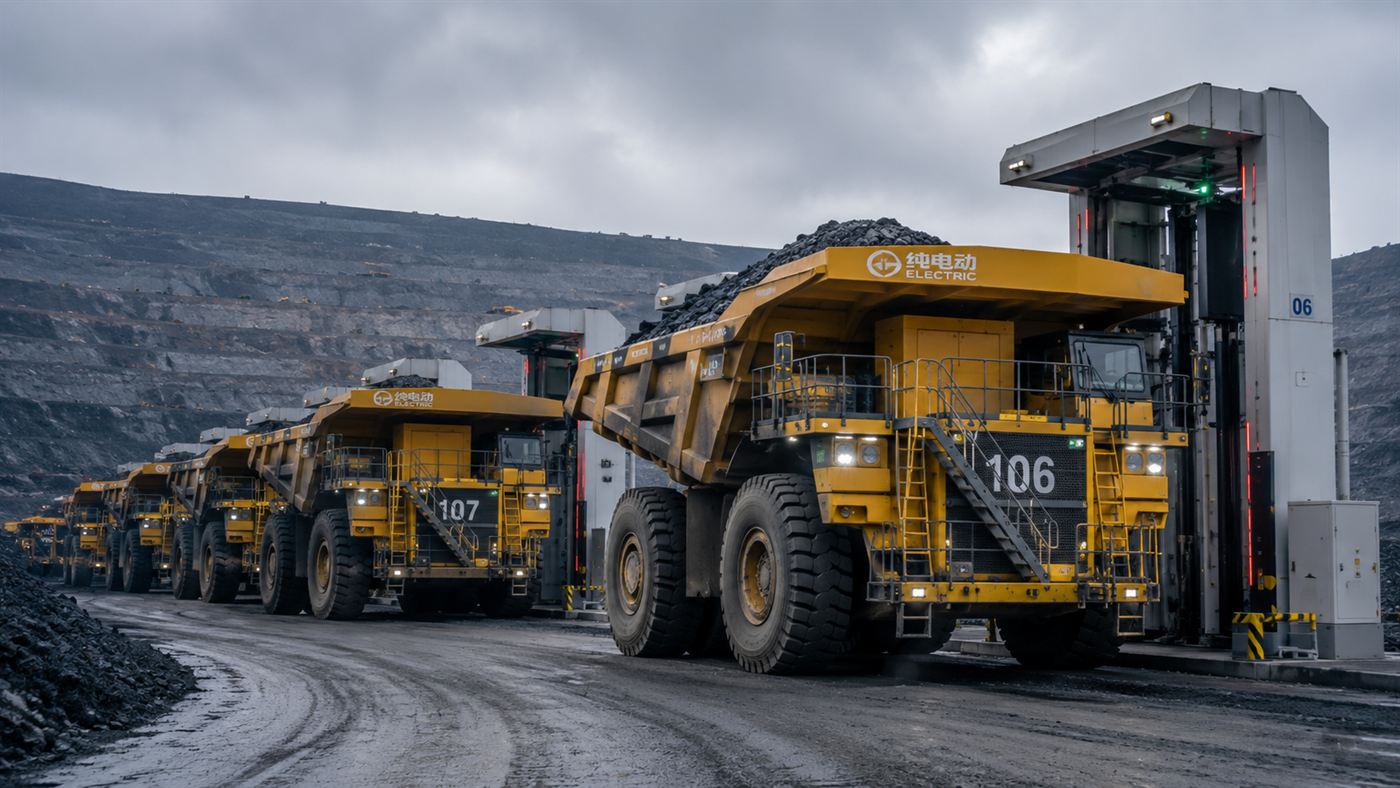
The clever part is how they stay powered. Each truck runs on a 568 kilowatt-hour lithium iron phosphate battery, and instead of sitting idle for hours on a charger, it drives into a station and has the whole depleted pack swapped for a full one. By late 2025 the fleet had completed close to 47,800 battery swaps, moving more than 21 million kilowatt-hours of energy through the system.
It is the same idea that battery-swap car networks use, scaled up to vehicles the size of a small house. Swapping keeps the trucks working almost continuously, sidestepping the biggest weakness of electric heavy machinery, which is the long downtime a normal charge would demand. The packs are then charged gently off to one side, ready for the next truck that rolls in.
Built for brutal cold
Yimin is not a gentle place to test new technology. Winter temperatures plunge to around minus 40 degrees, cold enough to thicken diesel and punish any human working a long shift outdoors. The electric trucks are built to keep running in that cold, and taking the driver out of the cab removes a real human safety risk in an environment that is genuinely dangerous.
This is part of why mines, of all places, are turning into a proving ground for autonomous electric vehicles. The routes are fixed, the site is closed to the public, and the conditions are so harsh that replacing people with machines is an easy case to make. If a driverless electric truck can survive a winter at Yimin, it can survive almost anywhere.
Why China is doing this
There are hard reasons behind the showcase. Diesel for a mining fleet is expensive and dirty, and a single large mine can burn through enormous quantities of it. Going electric cuts the fuel bill and the on-site emissions at once, while the autonomy cuts labour costs and lifts output. For a country that builds most of the world's batteries, it is also a powerful shop window for its technology.
And the plan is to go much bigger. The Yimin project is meant to be a template, not a one-off, with operators talking about expanding to around 300 autonomous electric trucks over the next three years, and similar fleets are already being planned at other Chinese mines. What launched as a record-breaking demonstration is clearly intended to become the normal way these mines are run.
The honest catch
There is an irony at the heart of this that is impossible to ignore: all of this clean, advanced technology is being used to dig up coal, the dirtiest fuel there is. The trucks themselves emit nothing, but the black rock they haul to the surface will still be burned in power stations. Cleaning up the mining of a fossil fuel does not clean up the fuel.
There are two more catches worth naming. The electricity that charges those batteries, in this part of China, still comes substantially from coal, which thins out the climate win. And a fleet that needs no drivers is, by definition, a fleet that employs far fewer people, which is good for the operator's costs but hard on the mining towns whose jobs these machines replace. The technology is genuinely impressive. What it is pointed at is a more complicated question.
Why driverless electric trucks matter
Set aside the coal for a moment and the engineering is a real signpost. A mine is close to the perfect first home for autonomous electric vehicles, and a fleet of 100 working trucks proves the idea at a scale that no test track can. The lessons learned hauling ore at minus 40 degrees feed straight into the electric trucks that will one day share our roads.
The deeper shift is that heavy industry, long assumed to be the last holdout for diesel, is turning out to be one of the first places electric and autonomous machines genuinely make sense. Would you trust a fleet of 90-tonne trucks with nobody in the cab, and does it change anything that they are digging up coal? Tell us in the comments.
Related reading: Instead of charging an electric car, China's NIO swaps the whole battery for a full one in about three minutes, and it has now done this more than 100 million times across nearly 4,000 robot stations. On city streets, Waymo's driverless robotaxis now give 500,000 rides a week.