An aircraft engineer built a roomy, flat-floored family van with a rear engine in 1936, and the world was not ready to buy the future
The minivan feels like a very modern idea, a roomy box on wheels for hauling a family and their clutter. Yet the shape of it, flat floor, movable chairs, a lounge you can walk around inside, was dreamed up and built in 1936, and then it vanished, because almost no one could afford tomorrow.
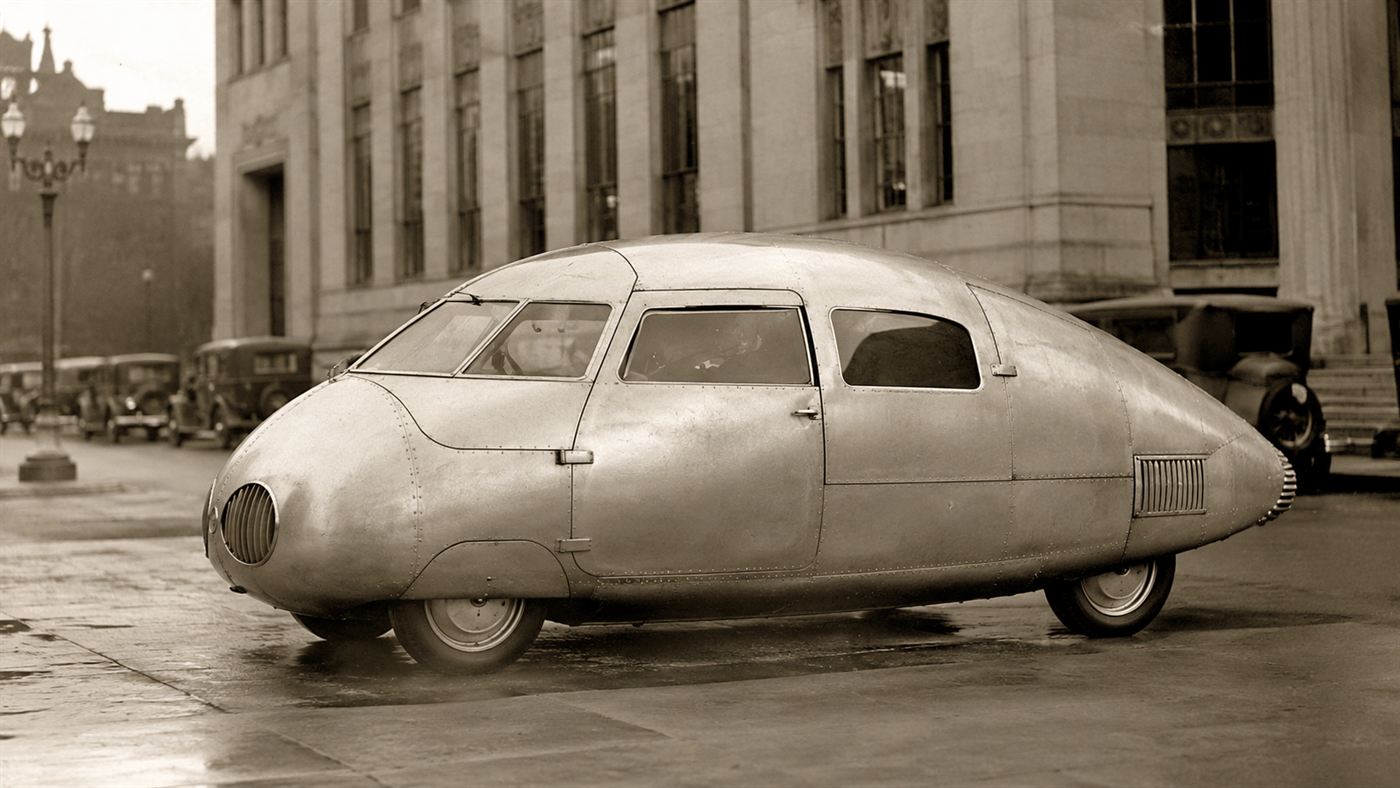
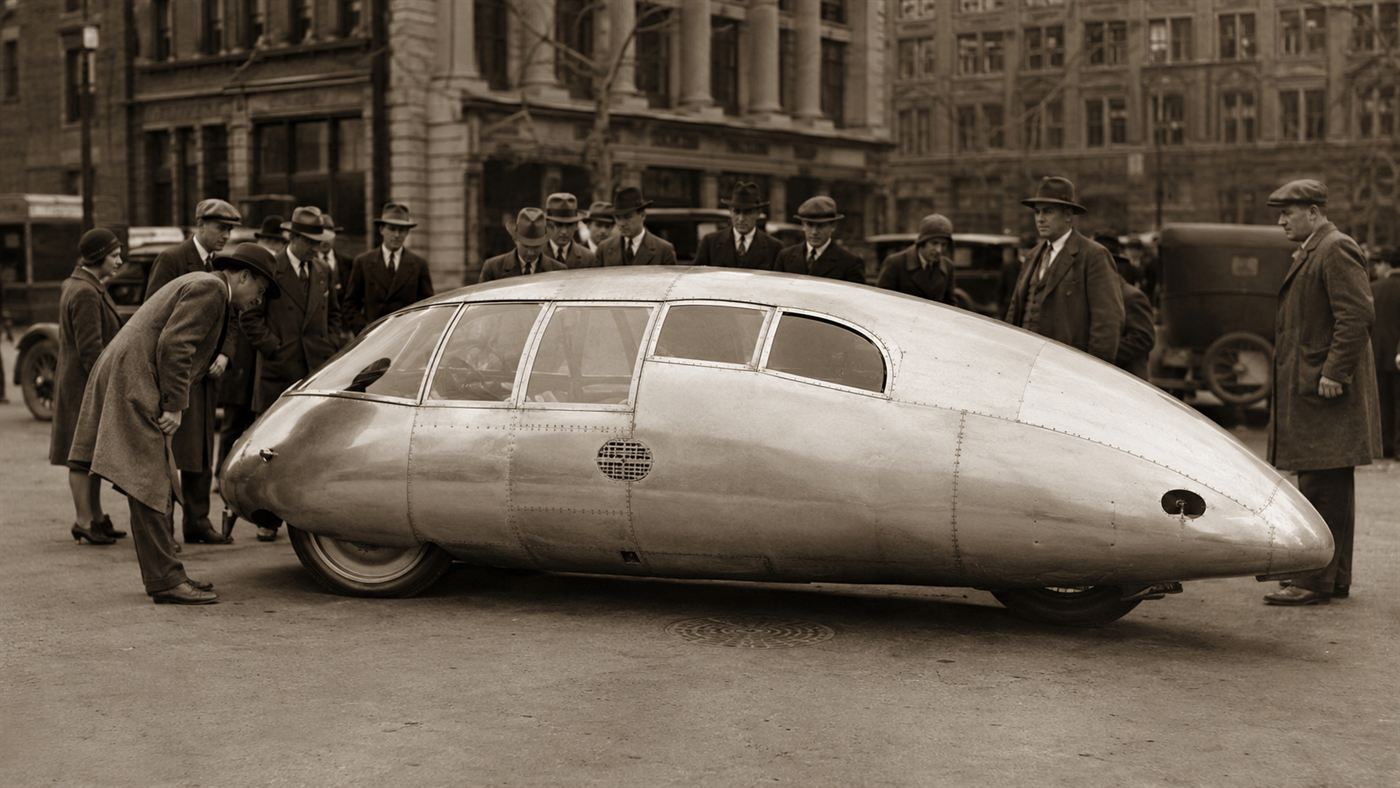
The Stout Scarab looked like nothing else on the road, and drove like the future. Illustration: Watts & Wild.
In the middle of the 1930s, an American engineer named William Stout unveiled a car that broke almost every rule of what a car should look like. He called it the Scarab, after the beetle, and with its smooth, streamlined, tapering body it did resemble a great gleaming insect crouched at the kerb.
Stout was not a traditional car man. He came from aviation, where he had helped pioneer all-metal aircraft, and he looked at the ordinary automobile of his day and saw waste: a long heavy engine up front, a stiff frame, and a cramped cabin perched on top of all that machinery. He set out to rethink the whole thing from the inside out.
The short version is that what he produced was, by most reasonable definitions, the first minivan, arriving a good sixty years before the world decided it wanted one. And the reasons it failed are almost as instructive as the reasons it was brilliant.
Why the Stout Scarab was so far ahead
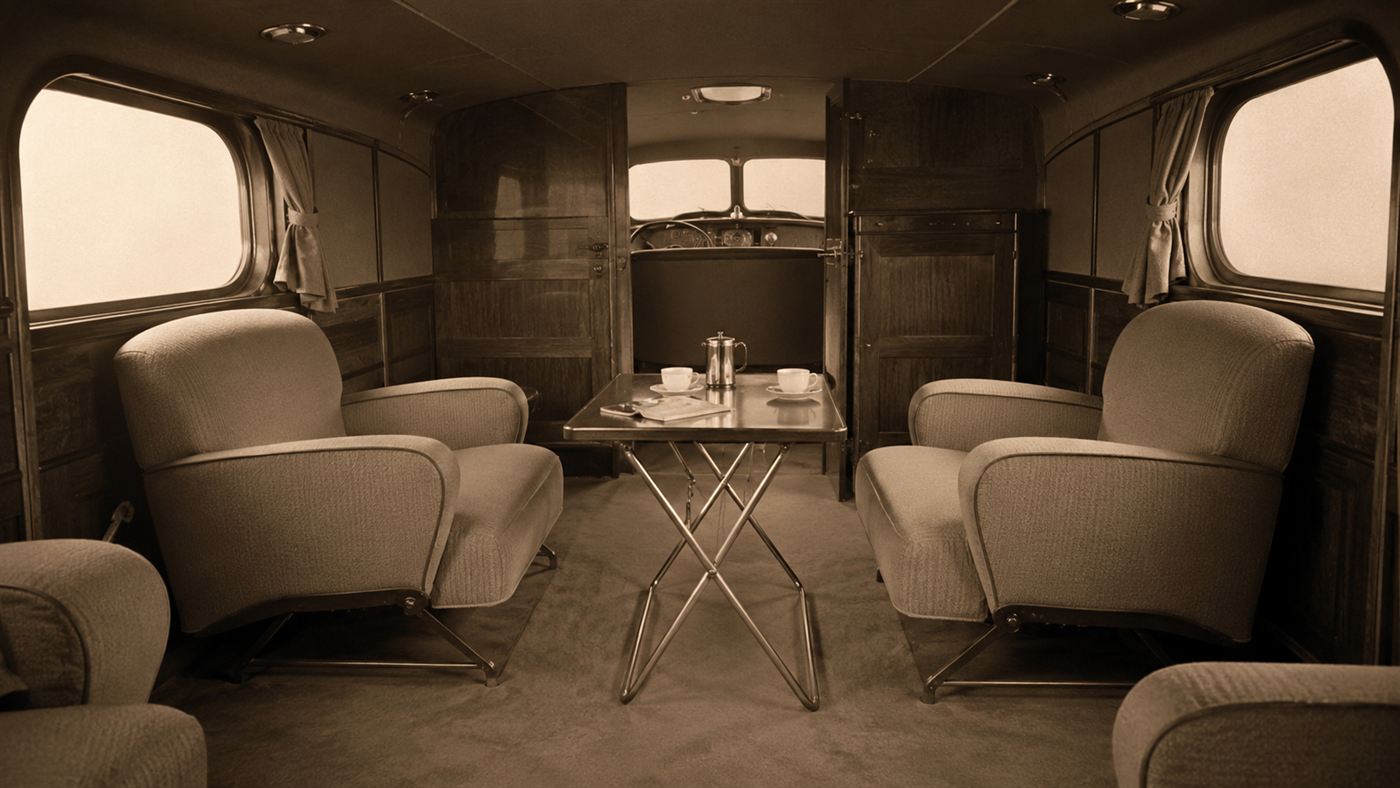
Stout's key move was to give the Scarab a rear engine. With the motor tucked behind the rear axle, the entire body could become usable space, and the floor could be made flat from front to rear. That one change turned the car from a machine you sat on into a room you sat inside.
The result was extraordinary for its time. Inside the Scarab there was space to stand and move, seats that could be shifted around or turned to face each other, and even a small table, so the cabin worked more like a travelling lounge than a car. It was the people-first, space-first thinking that would define the minivan half a century later.
An idea borrowed from the sky
The beetle shape was not just for show. Stout brought an aviator's obsession with airflow to the road, giving the Scarab a smooth, streamlined body at a time when most cars were still upright and boxy. Slipping more cleanly through the air meant it could be relatively quick and efficient without a huge engine.
He also carried over an aircraft engineer's hatred of dead weight, building the body to be light and strong in a way that owed more to the aeroplane than the carriage. In shape, in structure and in the way it used its space, the Stout Scarab was an aircraft designer's answer to a question the car industry had not yet thought to ask.
Why almost no one ever drove one
For all its genius, the Scarab ran headlong into hard reality. It was essentially hand-built, a bespoke machine assembled in tiny numbers, and it carried a price to match. In the depths of the Great Depression, it cost several times as much as a normal family car, which put it wildly out of reach for the very families its layout would have suited.
So instead of filling driveways, the Scarab went to a handful of wealthy enthusiasts and executives. Only around nine were ever built, and the grand vision of a spacious, affordable car for everyone stayed a vision. The idea was right, but the moment, the method and the cost were all wrong.
What happened to the minivan idea?
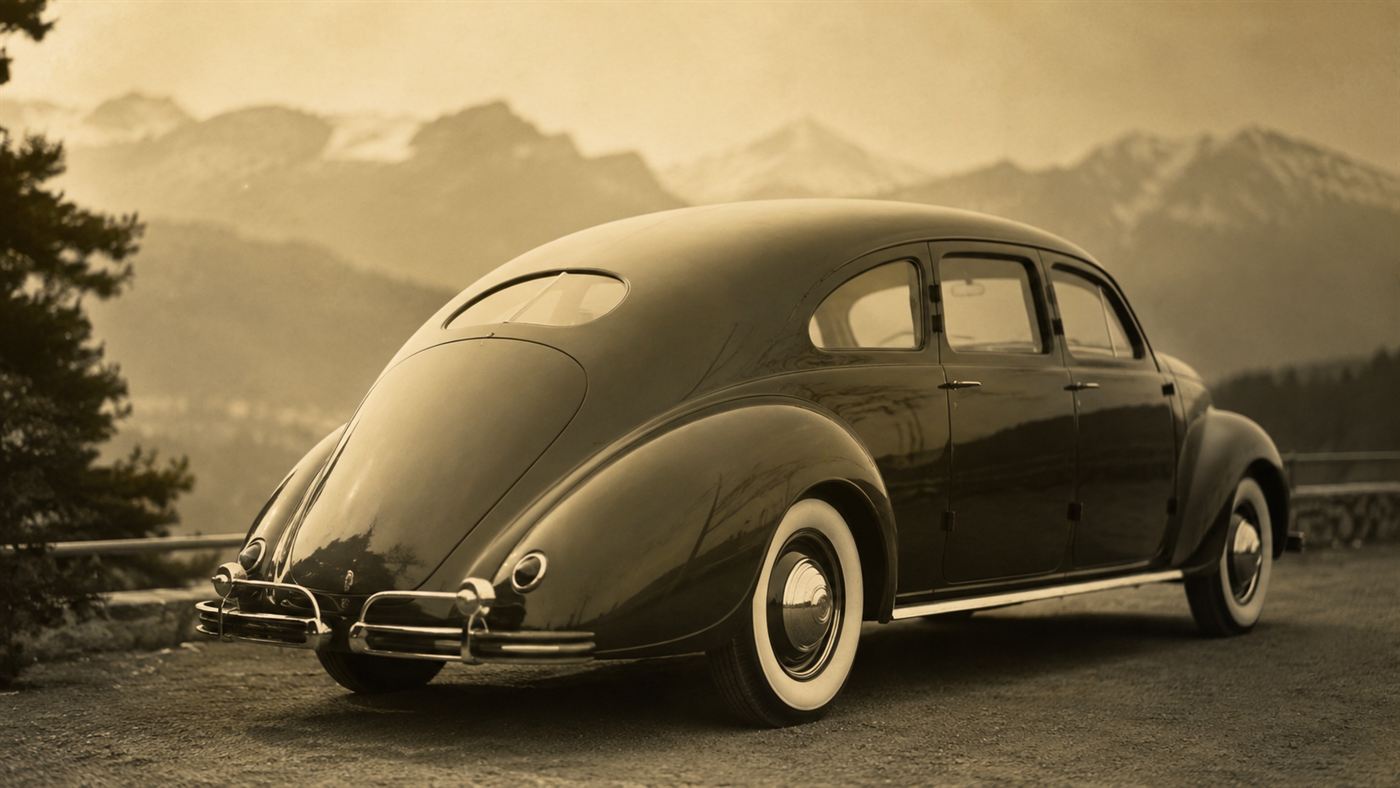
The concept did not die with the Scarab; it simply went to sleep for decades. Not until the 1980s, when big carmakers finally built roomy, flat-floored family haulers on the cheap using mass production, did the minivan explode into the everyday object we know now. By then almost no one remembered that a beetle-shaped car had gotten there first.
That gap between having an idea and being able to sell it is the real story of the Scarab. William Stout saw exactly where the family car was heading, drew the map and built the destination, and still lost, because a good idea arriving too early is, in the marketplace, barely different from a bad one.
The honest catch
It is tempting to crown the Scarab as the misunderstood genius the world foolishly ignored, and there is truth in that. But the honest version is less flattering to the myth. The Scarab was not a finished, practical car held back by blind buyers; it was a costly, hand-made experiment that, brilliant as it was, no ordinary person could have bought even if they had wanted to.
Its real lesson is quieter than a tale of rejected brilliance. Being first is not the same as winning, and a great concept still needs cheapness, timing and the dull machinery of mass production to reach real people. The minivan we actually drive owes its existence less to the visionary who imagined it in 1936 than to the ordinary engineers who, fifty years on, finally worked out how to make the same idea affordable.
A family van with a flat floor and swivelling chairs existed in 1936, and the world waited fifty years to buy the idea. Would you rather be the visionary who is first, or the engineer who finally makes it work? Tell us what you think in the comments.
Related reading: the Dymaxion car, another radical 1930s vehicle ahead of its time. See also the Aerocar, a real flying car the market still refused, and the Tucker 48 that the big automakers buried.