After nine years of promises, the Tesla Semi is finally rolling off a real production line
In 2026, a truck that was unveiled back in 2017 and slipped past deadline after deadline finally became real at scale. The Tesla Semi has reached volume production, and the easy part is over. The far harder question, whether an electric big rig can truly do a diesel truck's job, is only now being answered on real highways.
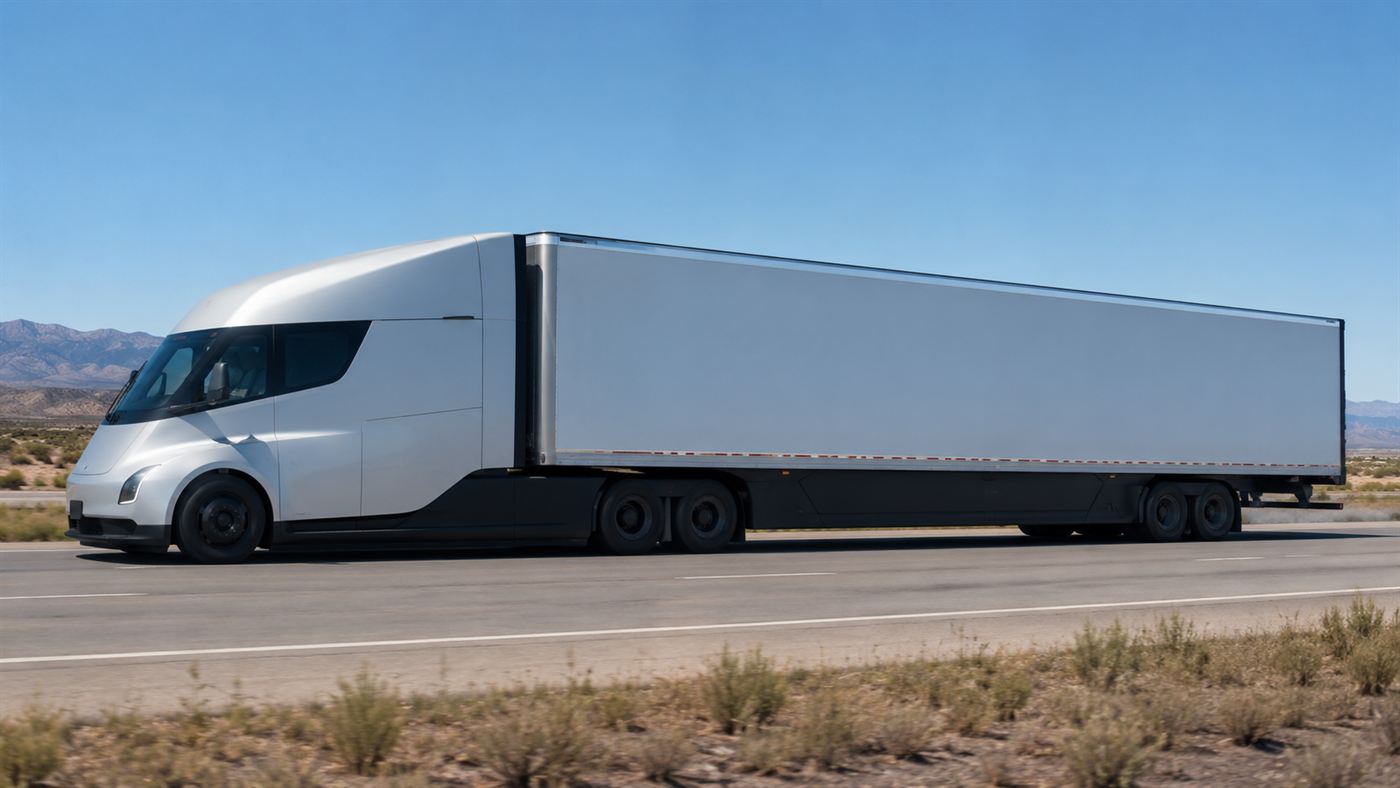
The Tesla Semi, an electric big rig years in the making, is now being built in volume. Illustration: Watts & Wild.
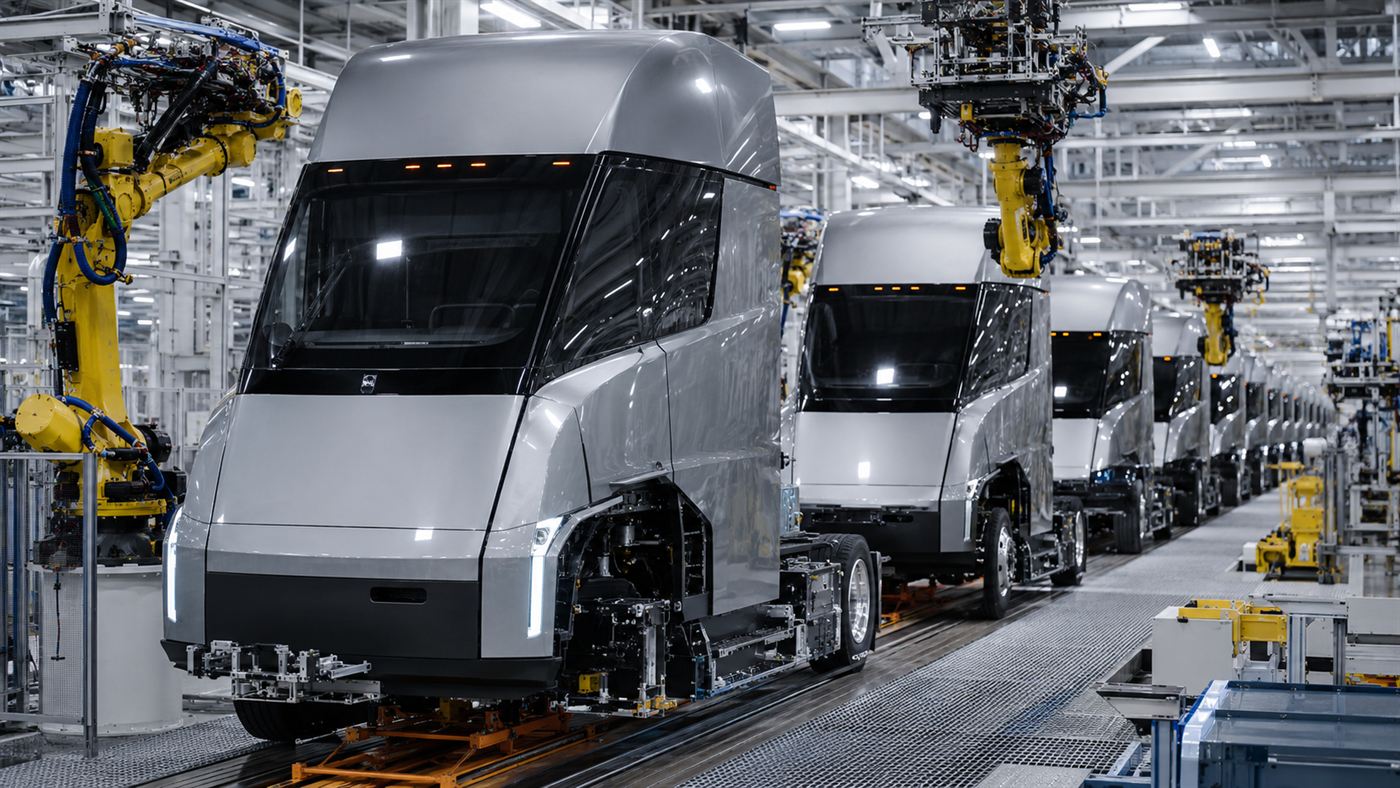
On April 29, 2026, Tesla said the first truck had rolled off a new high-volume production line at Gigafactory Nevada, in a dedicated factory measuring 1.7 million square feet and built to turn out as many as 50,000 trucks a year. After a hand-built trickle that began with a few units delivered to PepsiCo in late 2022, this is the moment the Semi stops being a prototype and starts being a product.
The specifications are finally settled too. Tesla offers two versions: a standard model rated at about 325 miles of range while hauling a full 82,000-pound load, and a long-range model rated at roughly 500 miles on a single charge. That upper figure is the one that matters, because 500 miles is enough to cover a large slice of real freight routes without stopping.
The short version is that the Tesla Semi has stopped being a promise and become a machine you can order by the hundred, and that shift, not any single spec, is the real news.
What the Tesla Semi is, and what changed
Under the smooth, centre-seated cab sits a large battery pack driving three motors, giving the truck brisk acceleration and, Tesla says, strong efficiency even fully loaded. None of that is brand new; the vehicle was shown off years ago. What changed in 2026 is boring and decisive: the ability to actually build a lot of them, reliably, on a real assembly line.
That has always been the true test for electric trucking. Making one impressive prototype is comparatively easy, but a factory that can stamp out tens of thousands of identical rigs, each dependable enough for a fleet to trust with its cargo, is a far taller order. A single hand-built showpiece proves an idea; a full assembly line proves a business, and that is the line Tesla says it has now crossed.
Why fleets are lining up now
The interest is real and specific. In May 2026 the freight company WattEV placed an order for 370 of the trucks worth around 100 million dollars, with more than 300 earmarked to haul containers in and out of the Port of Oakland, the short, heavy, stop-start work known as drayage that electric trucking suits especially well. In California alone, nearly a thousand fleet vouchers have been filed to help buy them.
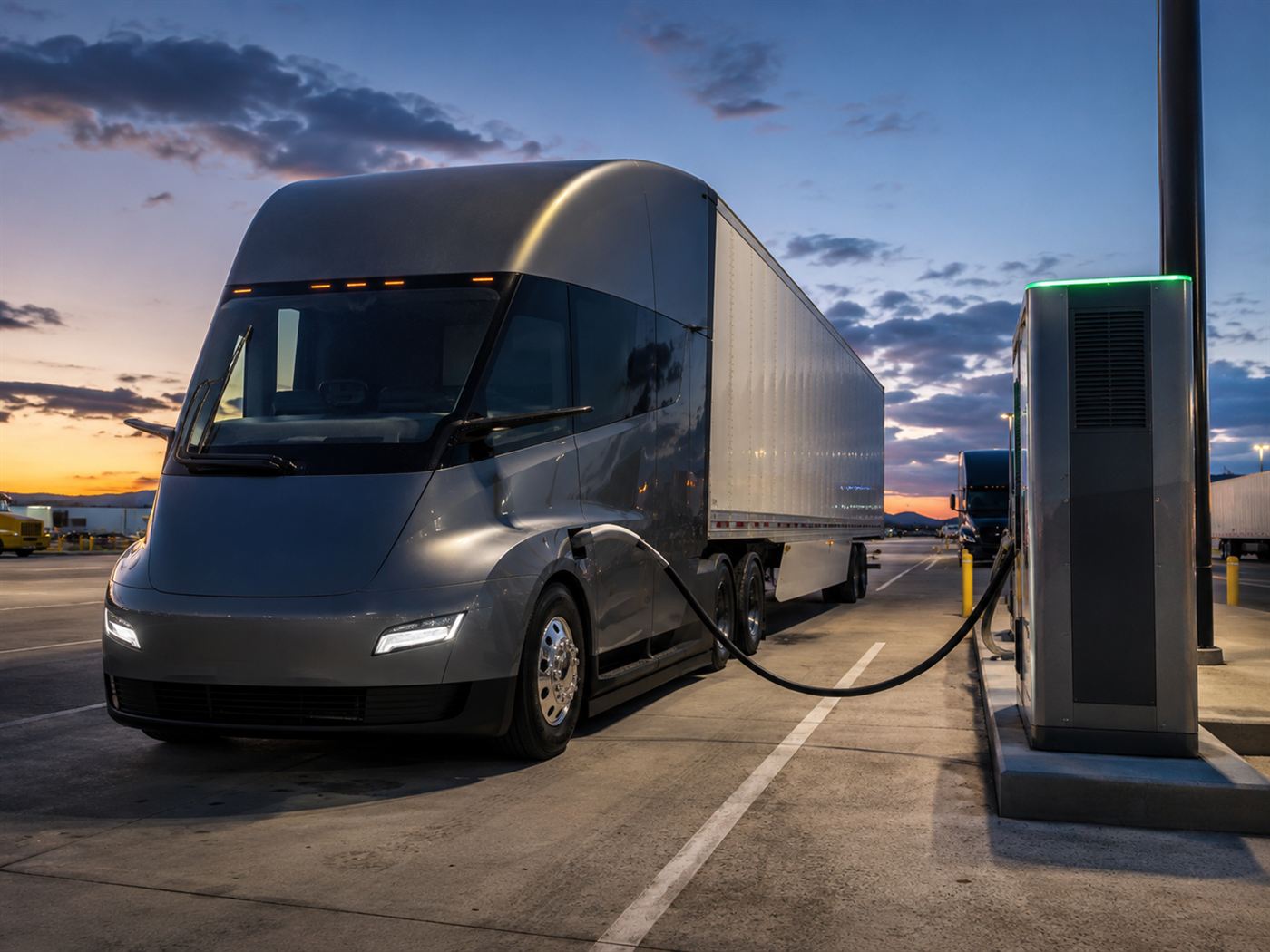
Charging is filling in behind the trucks. Tesla has been mapping out its Megacharger network, with dozens of sites now planned across fifteen states along major freight corridors, and the travel-centre giant Pilot is partnering to add fast chargers at highway stops. A truck is only as useful as the places it can refill, and that quiet buildout is what turns a good vehicle into a workable door-to-door delivery machine.
Can an electric truck really replace a diesel one?
For a lot of jobs, the answer is increasingly yes. Regional runs, port drayage and any route that returns to base each night play to the Semi's strengths, where its range is plenty and it can charge overnight. On those routes the running costs can undercut diesel, because electricity is cheaper than fuel and electric motors need far less maintenance.
The longest hauls are another matter. Cross-country trucking demands hundreds of unbroken miles and quick turnarounds, and there a heavy battery both eats into payload and needs time to recharge that a diesel tank does not. This is why the Semi is starting with the routes where the maths already works, rather than trying to beat diesel everywhere on day one. It is winning the easy battles first, which is exactly how a new technology usually spreads.
The honest catch
The temptation is to declare diesel dead and the highways electric. The catch is that a production milestone is a start, not a victory. Tesla has a long history of announcing dates it then misses, and this very truck was promised for 2019 before slipping year after year, so a 50,000-truck target is best treated as an ambition until the factory actually hits it. Building the line is not the same as filling the roads.
There is a bigger-picture catch as well. Electrifying trucks moves the pollution from the tailpipe to the power plant, which only truly helps if the grid behind those chargers keeps getting cleaner. And a fleet of megachargers pulling enormous power will lean hard on that grid. None of this makes the Semi less impressive. The truck that spent nine years as a punchline is now real, and that matters. It is just the beginning of the hard part, not the end of it.
Sources: Electrek on the first Semi off the volume line, MIT Technology Review, and Teslarati on the WattEV order.
A truck that was mocked for years is now humming down real highways with real cargo behind it. Would you trust an electric big rig with a coast-to-coast load yet, or only the routes that come home each night? Tell us what you think in the comments.
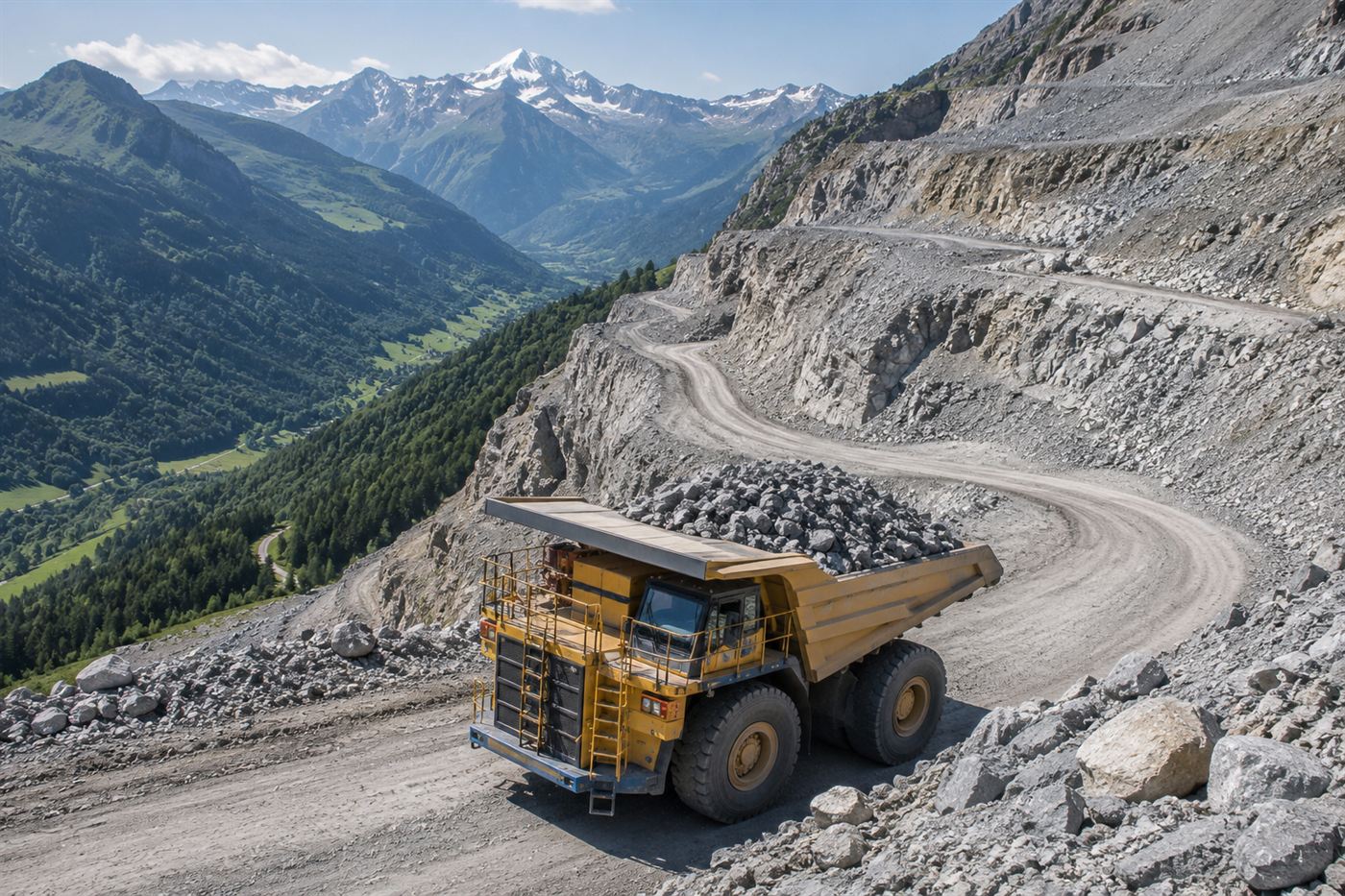
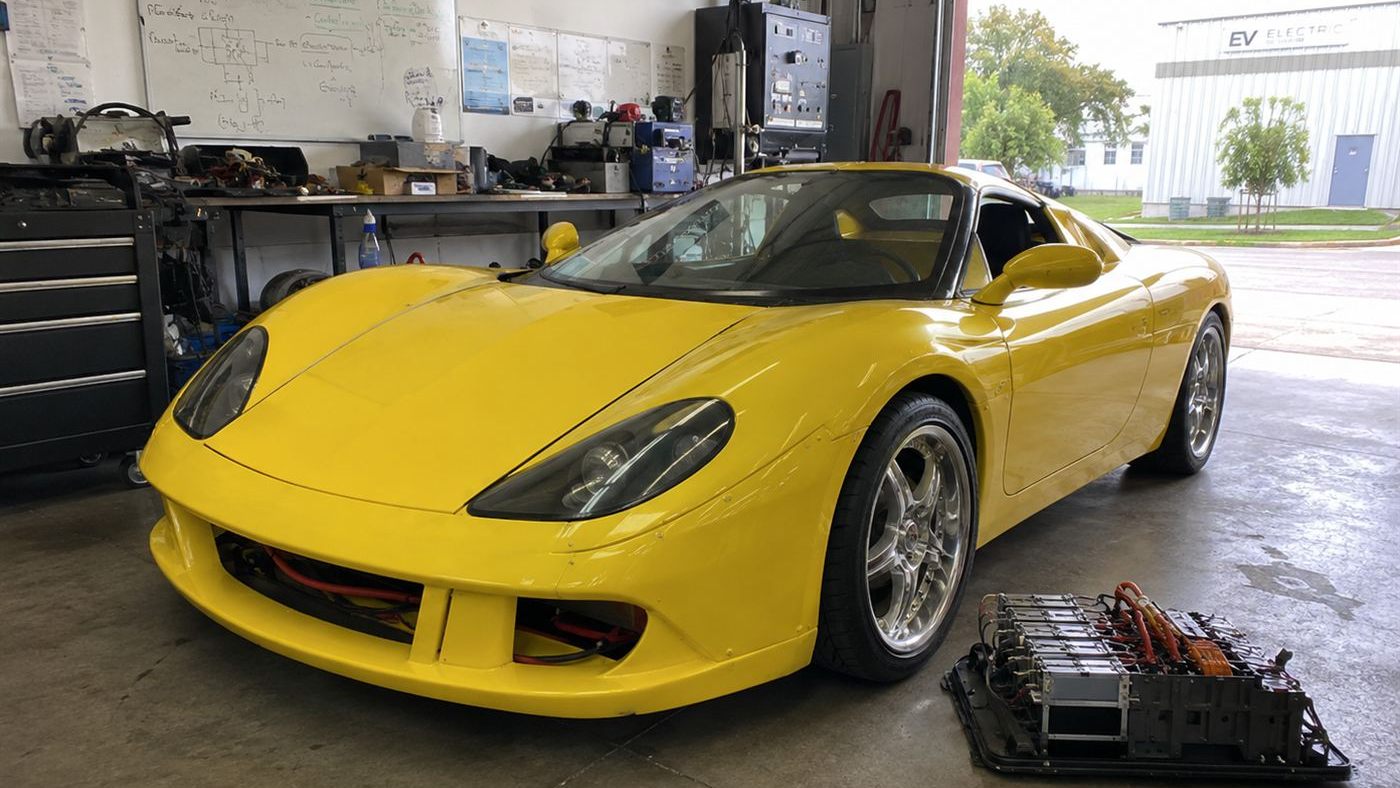
Related reading: the giant electric dump truck that charges itself by rolling downhill. See also the little electric sports car that inspired Tesla in the first place, and the ferry that proved electric power could move something huge.