Tesla's robotaxi now drives across every street in Austin, and hardly anyone is inside
In 2026 the Tesla robotaxi crossed a line that sounded like science fiction only a year earlier. Its driverless cars now roam the entire city of Austin with no one at all in the front seat, no safety monitor riding along, no hand near the wheel. The ambition is genuine. The size of the fleet doing it is the part almost no one mentions.
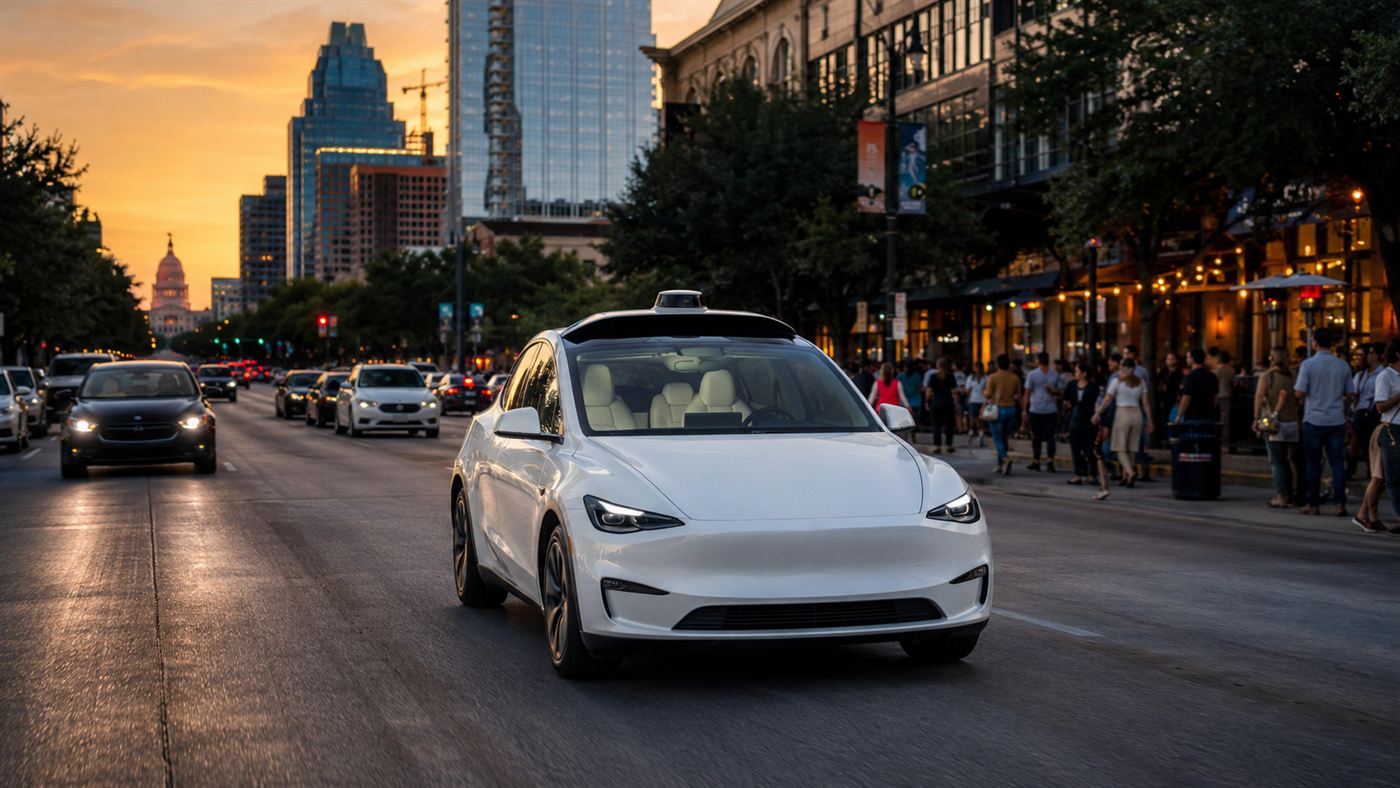
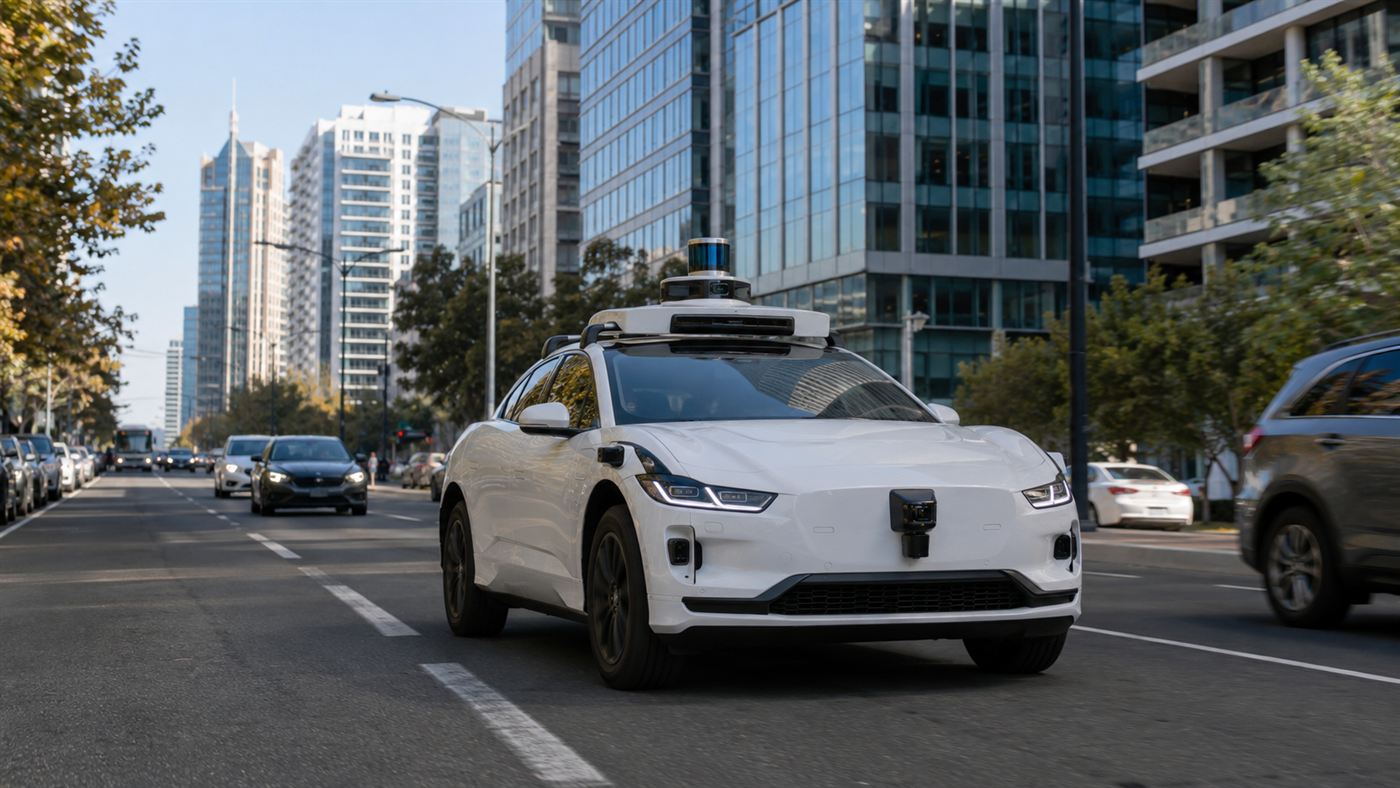
An empty front seat gliding through downtown traffic has quietly become an ordinary sight in one American city. Illustration: Watts & Wild.
The short version is this. In 2026 Tesla expanded its no-safety-monitor robotaxi service across all 245 square miles of Austin, so its cars can now drive the whole city with an empty front seat. Yet the active fleet was only about two dozen vehicles, a tiny fraction of Waymo's.
The milestone landed with less noise than it deserved. Over the first half of 2026, Tesla stretched its Austin service area to roughly 245 square miles, more than twelve times the small pocket it opened with in mid 2025, until the cars were free to drive across the whole geofenced city. And crucially, the human minder who once sat in the passenger seat during early rides was gone. These were true unsupervised trips, paying passengers in a car that answered to no one on board.
For a company that had promised self-driving cars for the better part of a decade, and missed target after target, it was a real moment. The empty seat is no longer a stunt in a controlled demo. In Austin it is a service you can hail from a phone, on ordinary streets, in ordinary traffic.
Then you look at how many cars are actually doing it, and the story turns stranger and more honest.
How the Tesla robotaxi crossed the whole city
The expansion was less a leap than a slow widening of a boundary line on a map. Tesla launched in Austin in late June 2025 with a handful of cars and a safety operator watching from inside. Through late 2025 and into 2026 it kept enlarging the zone the cars were allowed to enter, from around 20 square miles to 173, and then out to the full 245, while steadily pulling the human supervisor first out of the driver seat and eventually out of the car entirely.
By April 2026 Tesla had pushed the same idea into Dallas and Houston, opening unsupervised rides there too. The strategy was clearly to move fast and plant a flag in as many places as possible, chasing a promise the company had made to investors for years. On paper, a car that drives itself across an entire Texas capital is exactly the future Tesla has been selling.
Why the fleet is still so small
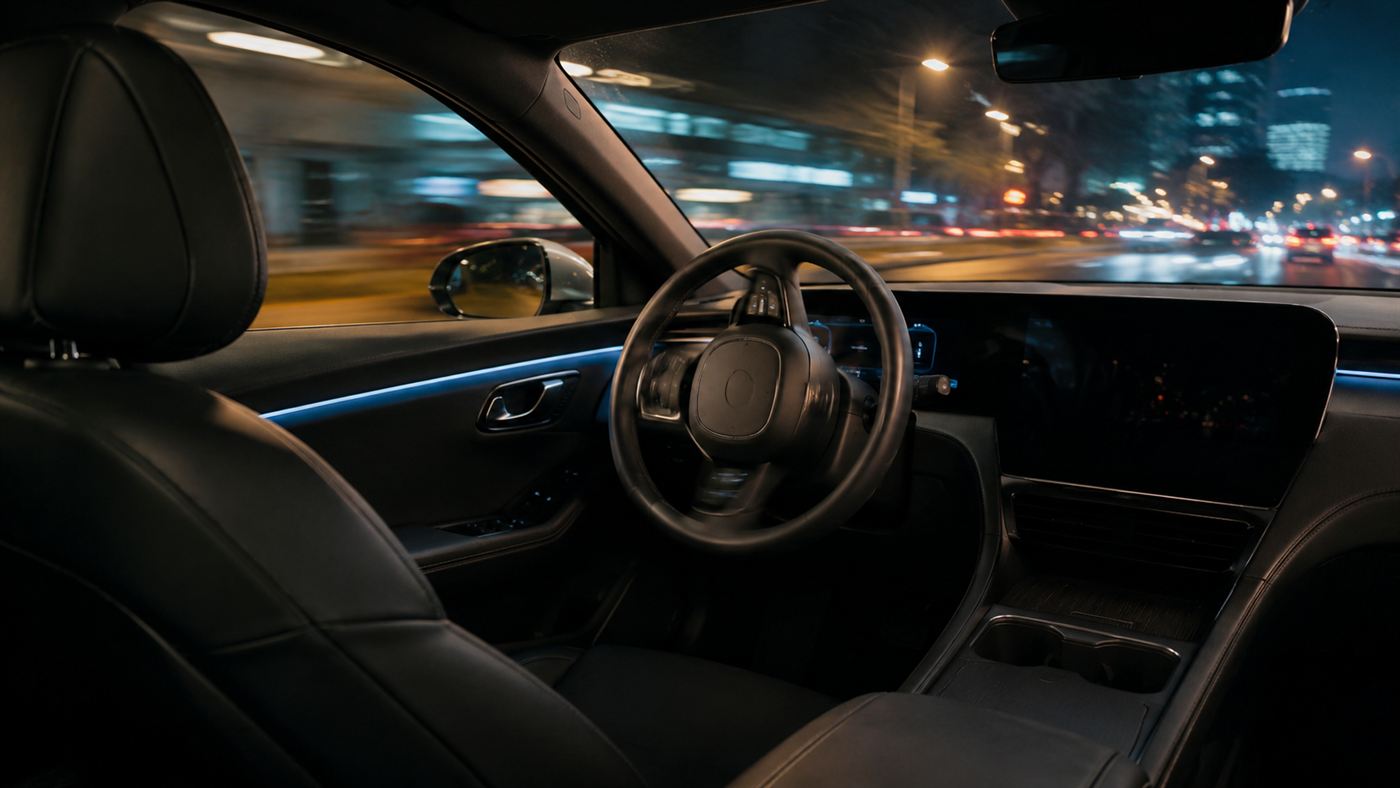
Here is the number that reframes everything. As of the spring of 2026, Tesla was running only about two dozen driverless cars in total, roughly 19 in Austin and a few each in Dallas and Houston. Not two dozen thousand. Two dozen. A fleet you could park in a single grocery store lot and still have spaces to spare.
The contrast with the leader in this field is brutal. Waymo, the self-driving arm of Google's parent company, was operating around 3,000 cars and giving close to 500,000 paid rides every week across ten cities. Tesla's Texas fleet was less than one tenth the size of Waymo's presence in a single market. So while the geofence is huge, the number of cars filling it is tiny, and for long stretches of the day many of those cars were not even running.
That gap matters because a robotaxi business is not won by the size of the map. It is won by how many rides you can actually deliver, reliably, day after day. A wide territory served by a couple of dozen vehicles is a proof of concept wearing the costume of a service.
Is an empty driver seat really unsupervised?
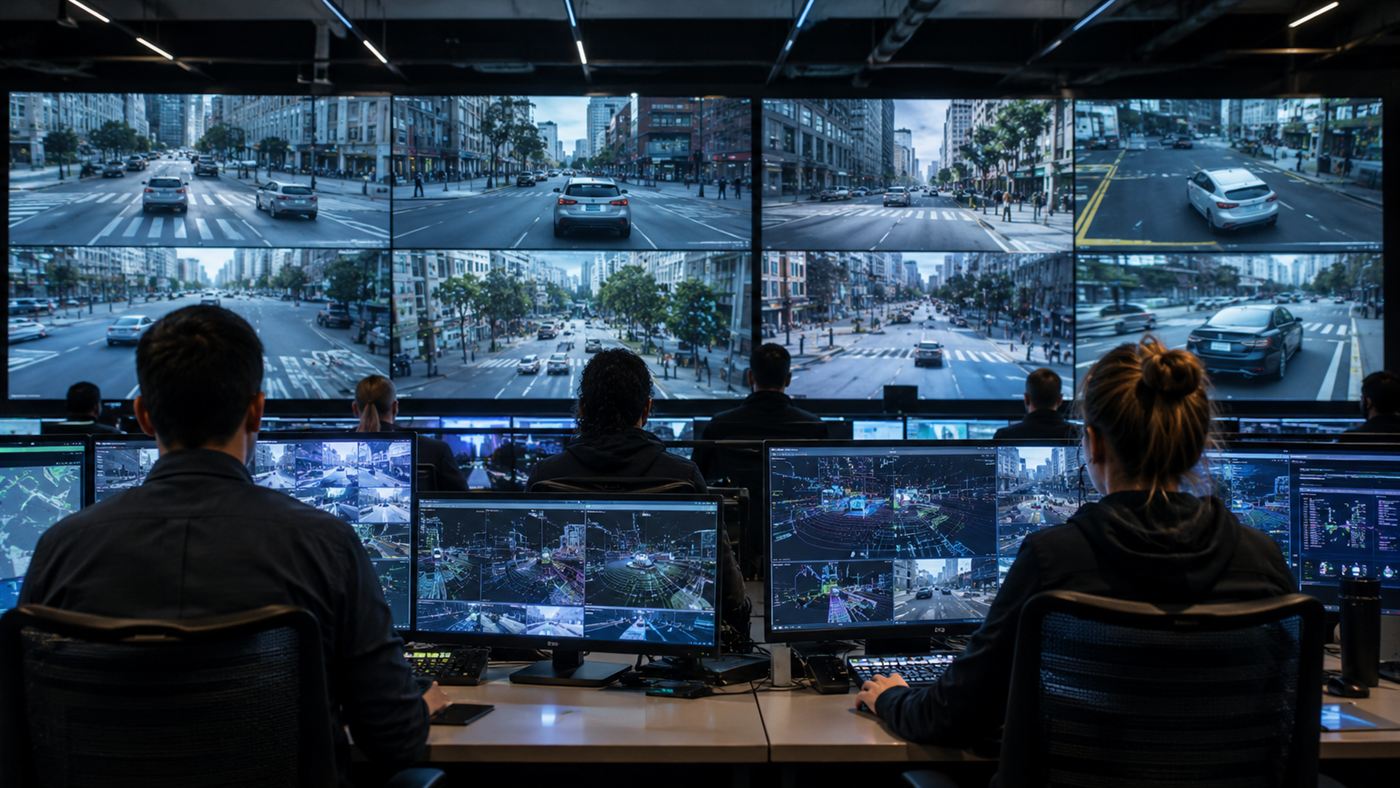
The word unsupervised does a lot of quiet work here. It is true that no human sits inside the car and no one touches the wheel during a ride. But Tesla, like its rivals, keeps remote operators who can watch trips on live video and step in when the software freezes or meets something it cannot untangle. The supervision did not vanish. It moved to a screen in another building.
That is not a scandal, it is how this whole industry works today, and it is a sensible safety net for a young technology. But it does change what the empty seat means. The car is not yet a fully independent machine loose in the world. It is a very capable system with a human quietly on call, ready to reach in from a distance when the hard moments come.
The honest catch
It is tempting to read the Austin expansion as Tesla finally delivering the driverless future, and part of that is fair. Getting real cars to carry real passengers with no one aboard, across a whole city, is a genuine engineering achievement that many doubted would arrive this decade. The ambition on display is not fake, and the empty seat is the easy part to be impressed by.
The catch is the distance between the headline and the fleet. A service that spans 245 square miles with two dozen cars, propped up by remote humans and running only part of the day, is a long way from the millions of robotaxis the company has promised. The technology is real and moving fast. Whether it becomes a business at the scale Tesla keeps describing, or stays a dazzling pilot in a handful of cities, is the question the map alone cannot answer. The seat is empty. The road ahead is not.
Sources: Electrek on the Austin expansion, CNBC on the fleet filings, and Tesla.
A city full of empty front seats used to be the stuff of movies, and now it is a Tuesday in one Texas capital. Would you hail a car with no one behind the wheel, or does the empty seat still stop you cold? Tell us what you think in the comments.
Related reading: how Waymo quietly reached half a million driverless rides a week. See also the fleet of driverless electric trucks already hauling ore across Chinese mines, and the Tesla Semi finally reaching real production.