A Kenyan scientist told rural women the cure for their empty wells and barren soil was to plant trees, and Wangari Maathai's idea grew into a movement that won a Nobel Peace Prize
When Wangari Maathai told poor women in Kenya to fight drought, hunger and a hostile government by planting trees, it sounded almost too simple. The Green Belt Movement she founded put tens of millions of trees in the ground and, in 2004, won her the Nobel Peace Prize.
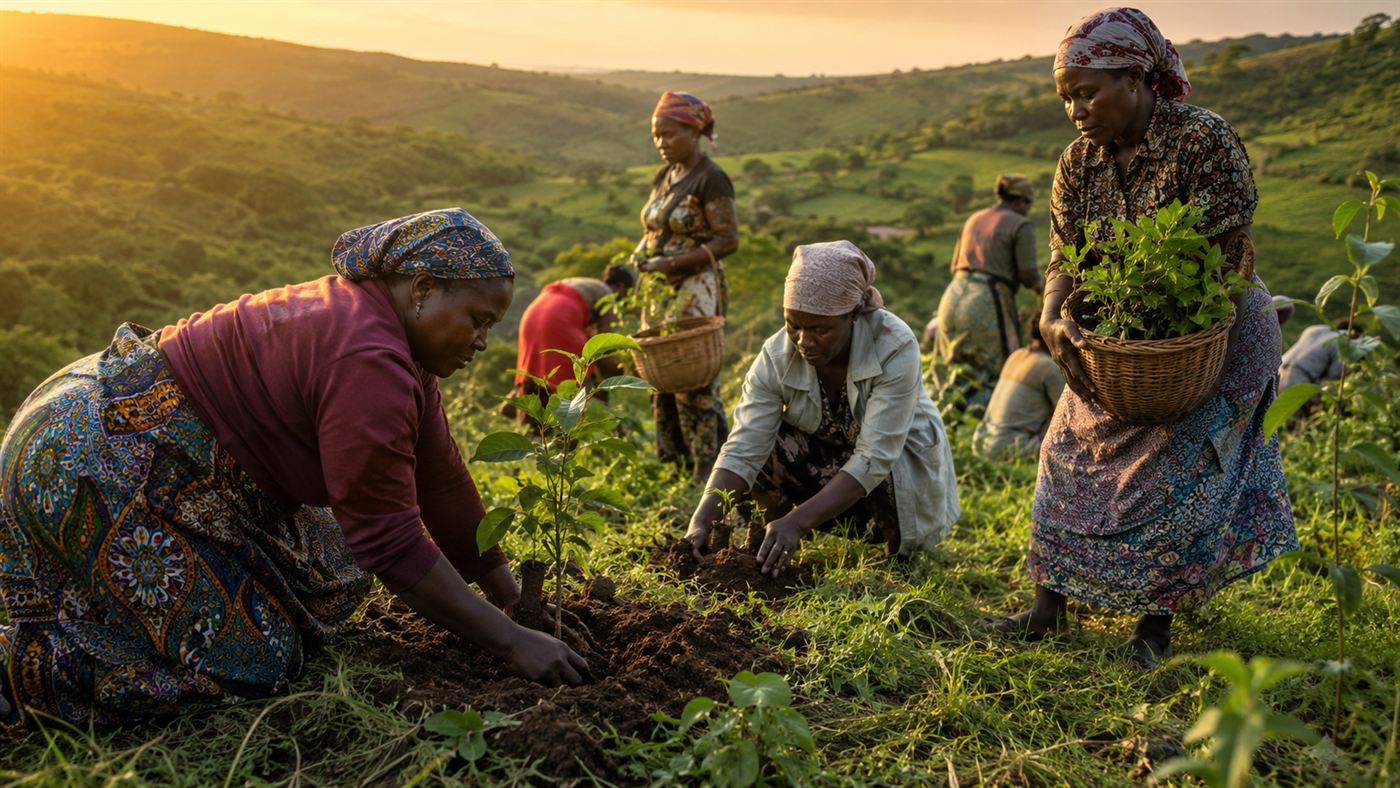
The Green Belt Movement turned tree planting by rural women into a national force. Illustration: Watts & Wild.
The idea sounded almost too small to matter. To save a country, plant trees.
But in the hands of Wangari Maathai, that simple act grew into an environmental and democratic movement powerful enough to frighten a government and to win the world's most famous prize for peace.
Who was Wangari Maathai? She was a Kenyan scientist and activist who founded the Green Belt Movement in 1977, mobilising rural women to plant tens of millions of trees. In 2004 she became the first African woman to win the Nobel Peace Prize.
From a village to the lecture hall
Wangari Maathai was born in 1940 in the highlands of rural Kenya, into a farming family.
She was a gifted student at a time when few Kenyan girls went far in school, and she won a scholarship to study in the United States.
She came home with degrees in biology and, in 1971, Britannica notes she became the first woman in East and Central Africa to earn a doctorate.
Wangari Maathai went on to teach veterinary anatomy at the University of Nairobi, breaking barrier after barrier for women in Kenyan science.
But it was what she did outside the lecture hall that would change her country.
How the Green Belt Movement grew from the ground
Talking with rural women, Maathai kept hearing the same complaints: streams drying up, firewood scarce, soil washing away, children going hungry.
Her answer was almost absurdly simple, which was to plant trees.
In 1977 she founded the Green Belt Movement, which paid rural women a small sum for every tree seedling they grew and kept alive.
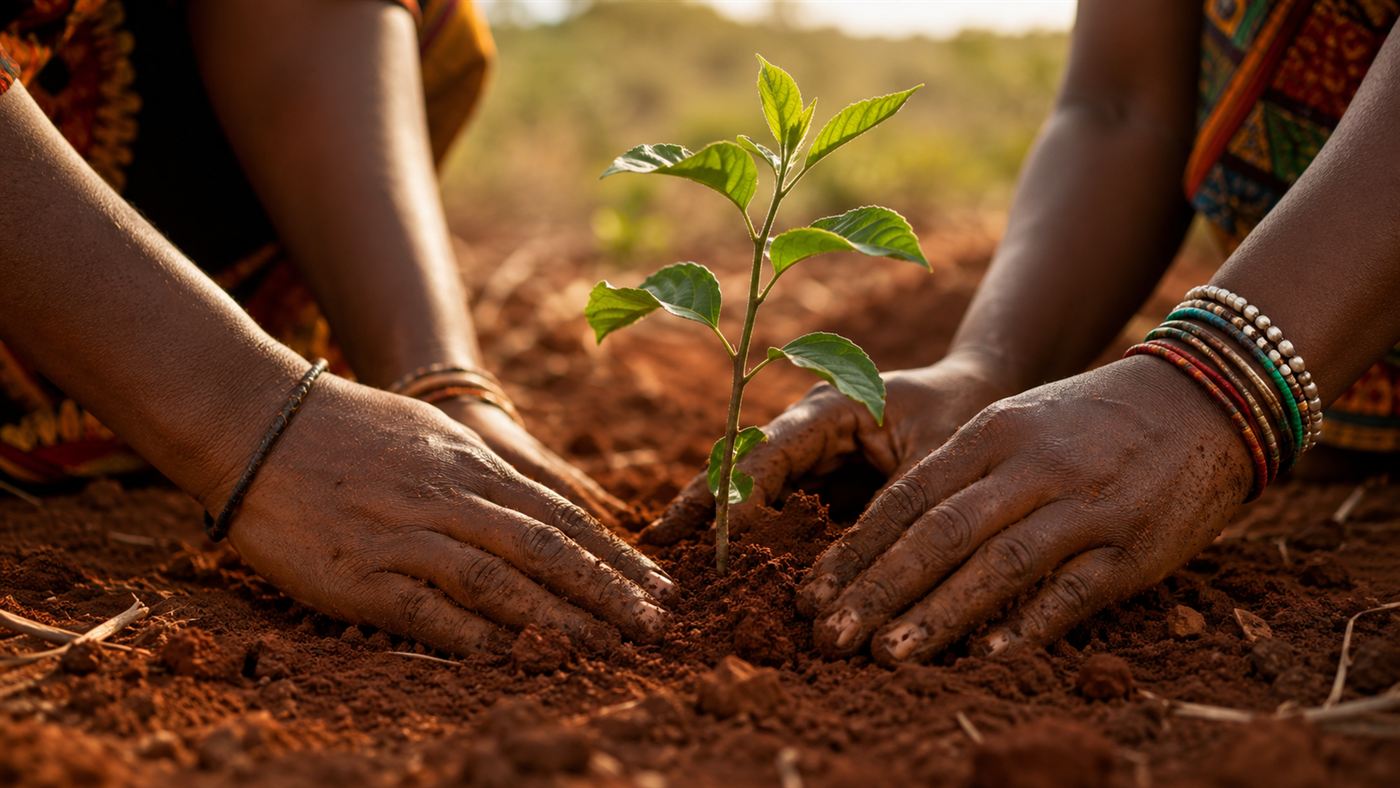
Tree planting did several jobs at once, bringing back firewood and shade, holding the soil, protecting water and putting a little money into women's hands.
The Green Belt Movement turned ordinary women across Kenya into a green army, and the seedlings began to spread.
Planting trees as protest
What began as an environmental project soon became something far more dangerous: politics.
Maathai used tree planting to challenge a government that was handing public land and forests to the powerful.
She blocked a huge tower planned for Nairobi's Uhuru Park and fought to save the Karura Forest, standing in front of developers backed by the state.
For that she was beaten, tear-gassed, jailed and smeared by the long-ruling government of President Daniel arap Moi.
In her hands a tree seedling became a symbol of democracy, women's rights and the courage to stand up to power.
The Nobel and a global movement
The world was watching, and in 2004 Wangari Maathai was awarded the Nobel Peace Prize.
She was the first African woman ever to receive the Nobel Peace Prize, and the Nobel committee honoured her for linking the environment, democracy and peace.
By then the Green Belt Movement had planted tens of millions of trees across Kenya, by some counts more than 30 million.
Her model spread far beyond Kenya and helped inspire a United Nations campaign that put billions of trees in the ground worldwide.
It echoes other one-person crusades to bring back the forest, like the man in India who planted a whole forest by hand on a barren sandbar.
The honest catch
The Maathai story is genuinely inspiring, but the numbers deserve honesty.
Counting trees is hard, and a seedling planted is not the same as a tree that survives, so the headline totals are estimates rather than audits.
Tree planting also cannot, on its own, fix poverty or bad governance, and Kenya still loses forest today.
Wangari Maathai died of cancer in 2011, and the Green Belt Movement she built carries on without her, still planting, still arguing that you cannot separate a healthy land from a fair society.
The deepest lesson of Wangari Maathai is that the simplest act, putting a seedling in the ground, can become a force that governments come to fear.
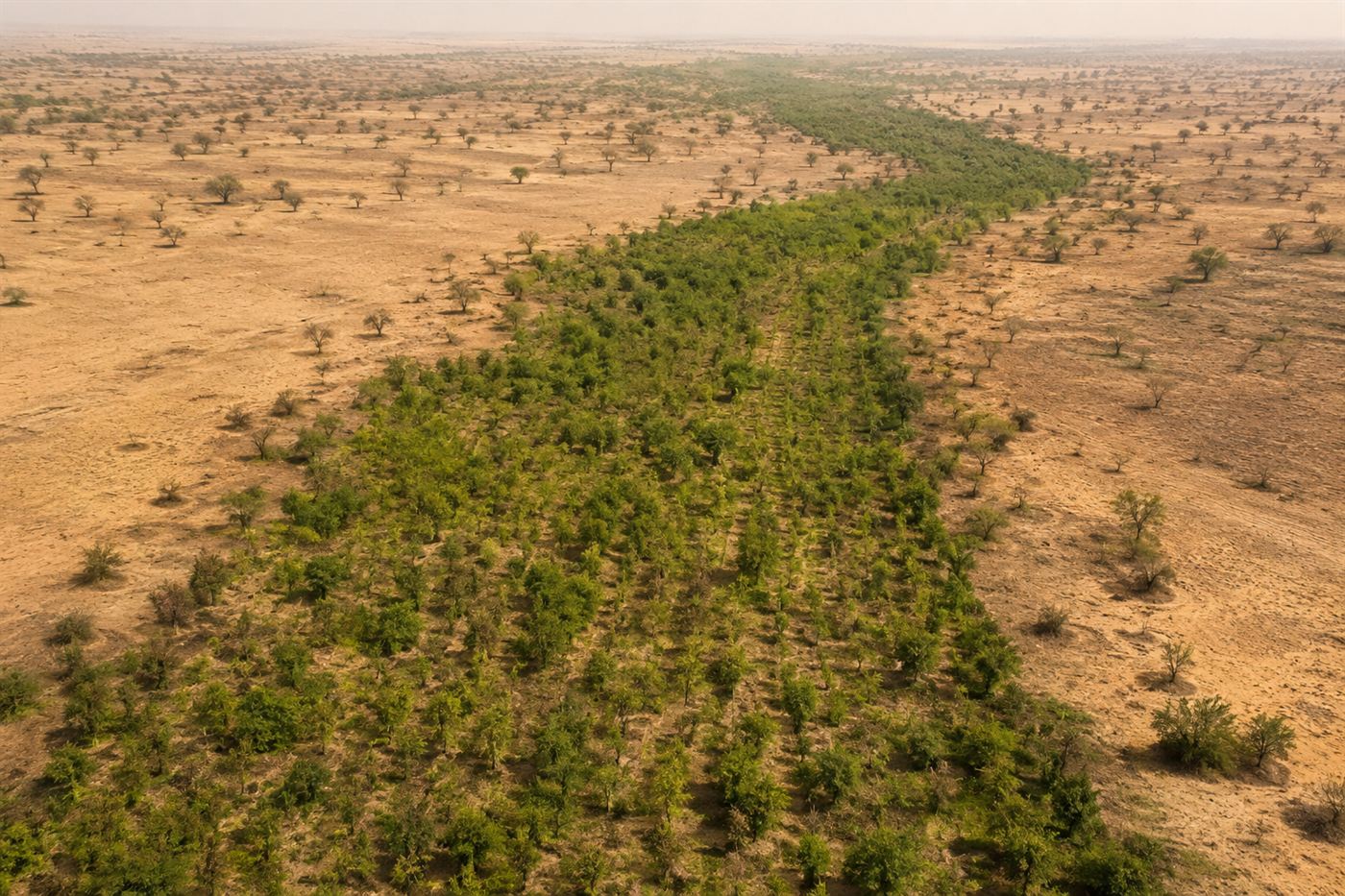
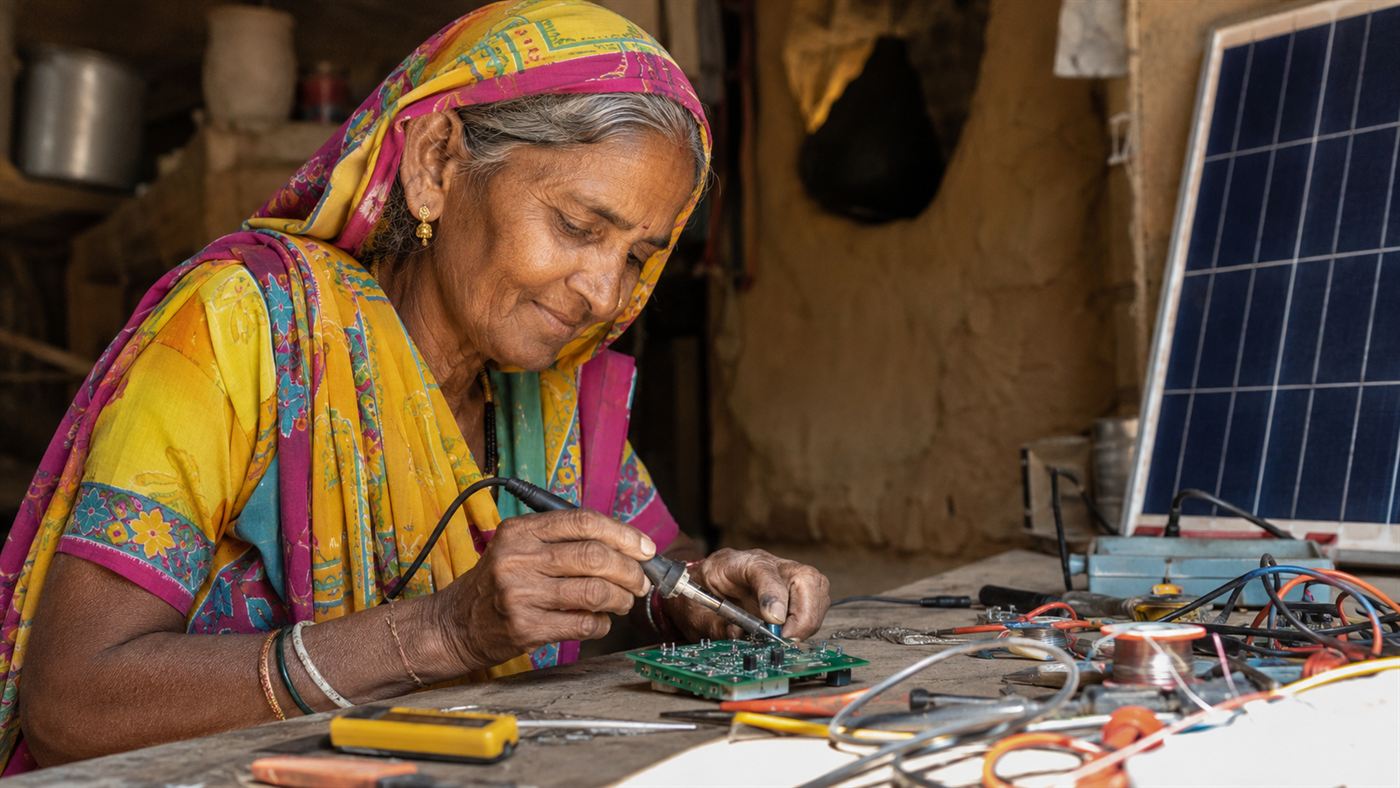
It is the same quiet power behind other grassroots movements, from the grandmothers trained as engineers at India's Barefoot College to Africa's vast Great Green Wall pushing back the desert.
Can planting trees really change a country, or does lasting change need far more than seedlings, and what would Wangari Maathai make of the world's forests today? Tell us in the comments.