Costa Rica chopped down most of its forest to raise cattle, then did something almost no country has managed and paid its farmers to grow the jungle back until it covered half the country again
For most of the twentieth century Costa Rica was a case study in how fast a country can strip itself bare. Then it became the opposite, the rare place that ran deforestation in reverse, and it did it not by fencing the forest off from people but by paying them to keep it.
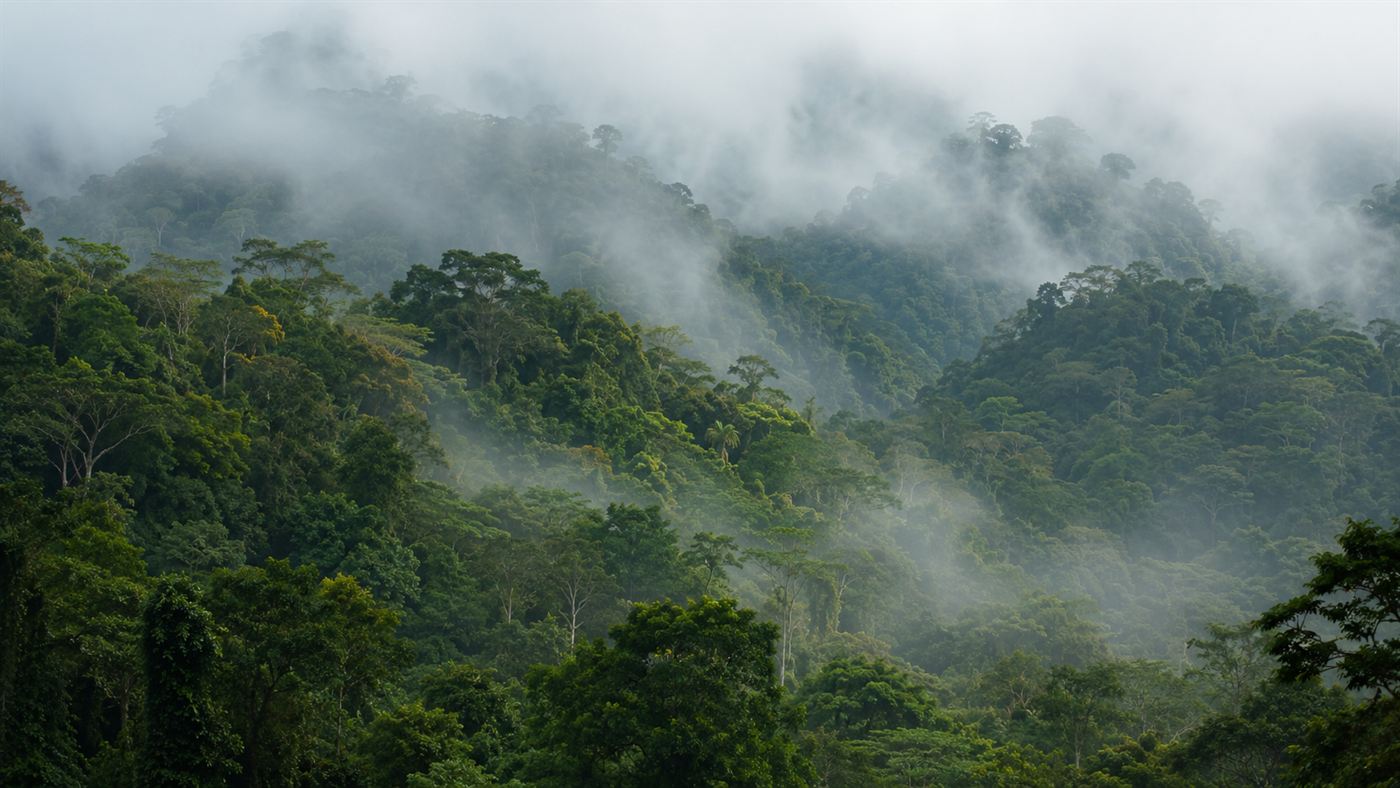
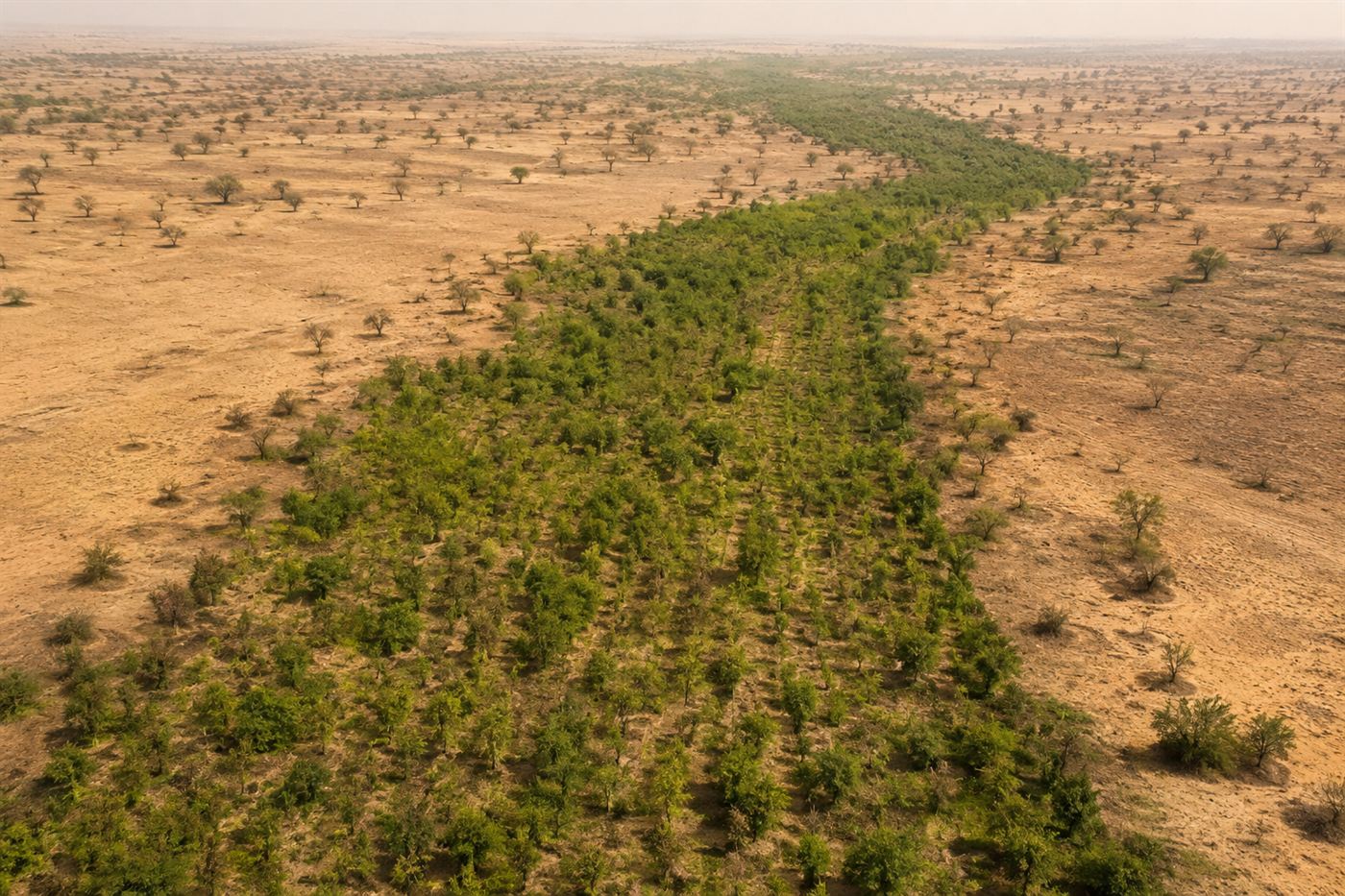
Costa Rican forest, grown back over land that was once cattle pasture. Illustration: Watts & Wild.
The Costa Rica forest comeback began with a problem the country had inflicted on itself. As the Environment for Development initiative records, by 1983 the country's forest cover had collapsed to a low of about 21 percent, down from roughly three quarters of the land within living memory. For decades farmers had cleared the trees as fast as they could, mostly to make pasture for beef cattle, and the government had actively encouraged it. A nation famous today for its jungle had very nearly cut that jungle down.
What happened next is the part almost no other country has pulled off. Costa Rica did not just slow the bleeding. It grew the forest back.
How a forest disappears
The collapse was not an accident or a mystery, it was policy.
Through the middle of the century, clearing forest was treated as progress and as proof that you were using your land, and there were tax breaks and cheap loans that rewarded turning trees into cattle ground.
Beef was a booming export, so the incentives all pointed one way, towards the chainsaw.
A farmer who left a hillside forested was, in the logic of the time, simply wasting it.
The result was one of the fastest deforestation rates on the planet.
By the early 1980s the country was staring at the end of its own forests, along with the eroding soils, drying rivers and vanishing wildlife that come with them, and it was clear the old incentives had to be flipped on their head.
Paying people to keep the trees
So Costa Rica did something genuinely radical.
Instead of only banning deforestation, which is hard to police in remote hills, it decided to make a standing forest worth money to the person who owned it.
As the United Nations climate body describes it, in 1997 the country launched its Payments for Environmental Services scheme, which pays landowners to conserve and restore forest for the services it provides: clean water, carbon storage, habitat for wildlife and the simple scenic beauty that draws visitors.
The clever part was where the money came from.
A slice of the country's tax on fossil fuels, around three and a half percent of it, was funnelled into a national fund that pays out to landowners who keep their forests standing or plant new ones.
In effect, the people burning petrol were quietly paying the people protecting the trees, and a forest stopped being a wasted asset and became a small, reliable income.
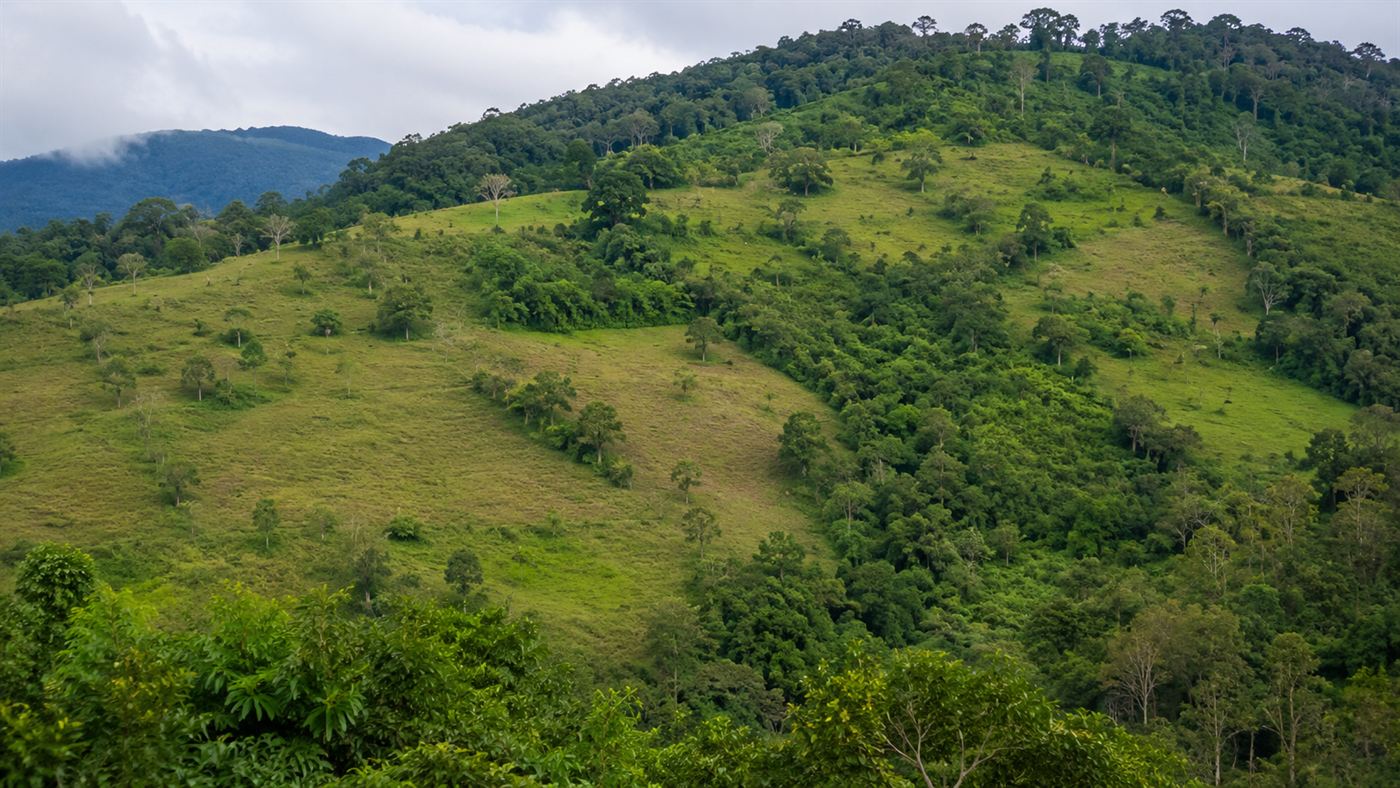
The Costa Rica forest comeback
The turnaround that followed is the headline the world fell in love with.
As the SDG16 Pathfinders policy record notes, alongside the payments the country scrapped its old pro-clearing subsidies and built up a large network of protected national parks, and the combination worked.
Forest cover climbed back from that 21 percent low to roughly half the country, somewhere around 50 to 60 percent depending on how you count, in the space of a few decades.
And the forest paid its way.
Costa Rica leaned into its new green reputation and built a world famous ecotourism industry on top of the recovering jungle, so that the cloud forests and toucans and sloths became one of the country's biggest earners.
A place that had been chopping down its forest for cattle discovered that the forest itself, left standing, was worth more.
The honest catch
It is a genuinely inspiring story, which is exactly why it gets told in a slightly too shiny way, and the truth underneath deserves respect.
A lot of the regained forest is young secondary regrowth or tree plantation rather than the towering old primary jungle that was lost, and a freshly grown forest is not the same rich, ancient ecosystem as the one the chainsaws took, even if it looks green from a passing car.
Counting all green cover as if it were equal flatters the numbers.
There are sharper limits too.
Illegal logging never fully stopped, and the country still faces pressure from sprawling pineapple and oil palm plantations that are their own kind of monoculture.
The payment scheme only works for as long as the money keeps flowing, it has not always reached the poorest or indigenous landowners who most need it, and economists still argue over how much of the recovery the payments really caused versus a falling cattle market and other forces.
And a wealthy green country can quietly keep its own forests by importing the beef and timber whose production flattens forests somewhere else.
None of that cancels the achievement.
It just means the lesson is precise rather than magical.
Costa Rica proved that a country can decide to grow its forest back, that paying people beats only policing them, and that even a place which nearly cut down everything can change its mind in time.
A country that had cut down most of its forest decided to pay its own people to grow it back, and within a few decades the jungle covered half the land again.
Would paying landowners to keep their forests work where you live, or would it just reward the people who threatened to cut them down? Tell us what you think in the comments.