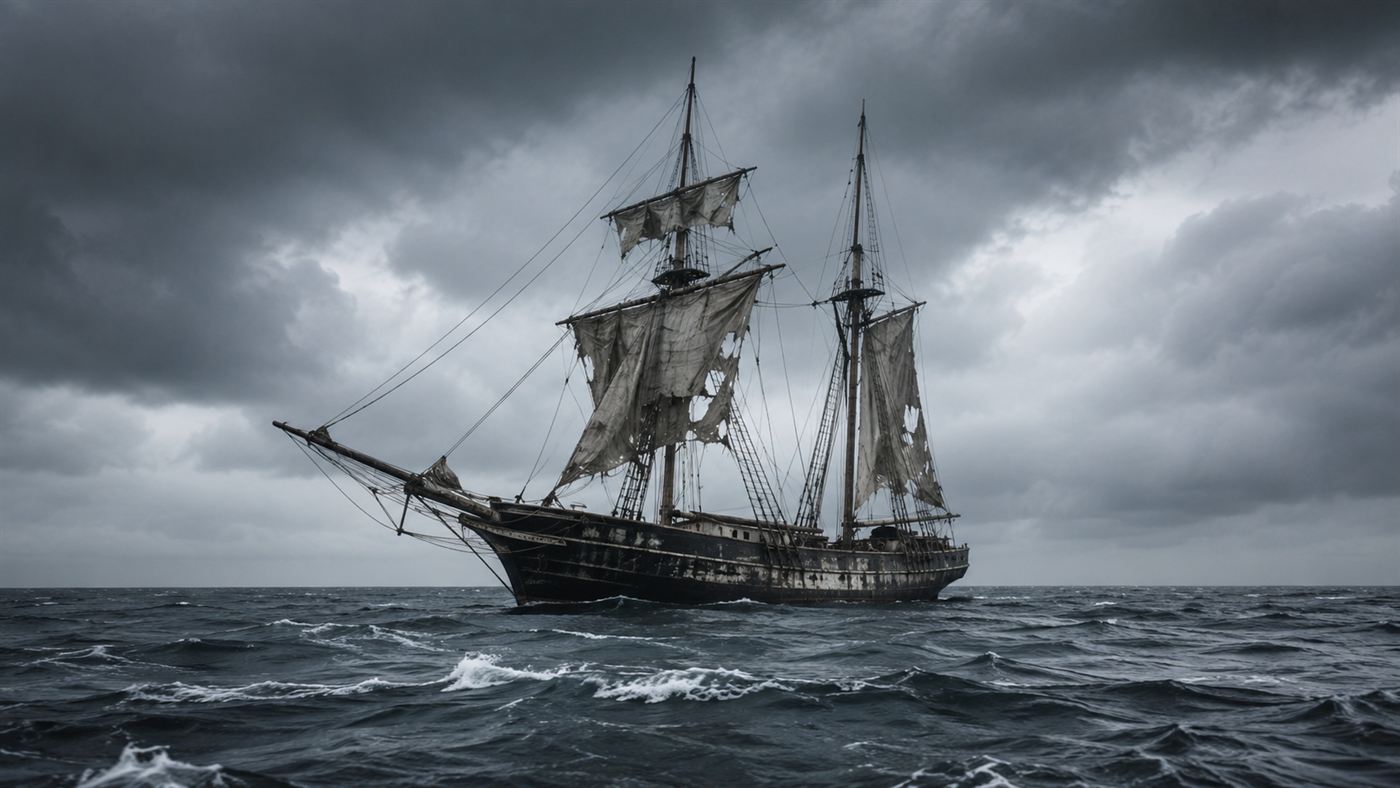
She worked on all three of history's most famous doomed ships, and survived every one
The White Star Line built three of the largest ships the world had ever seen, sister liners meant to be the safest and grandest afloat. Within five years all three had met disaster, and one young stewardess was aboard for every single one. Her name was Violet Jessop, and the sea simply refused to keep her.
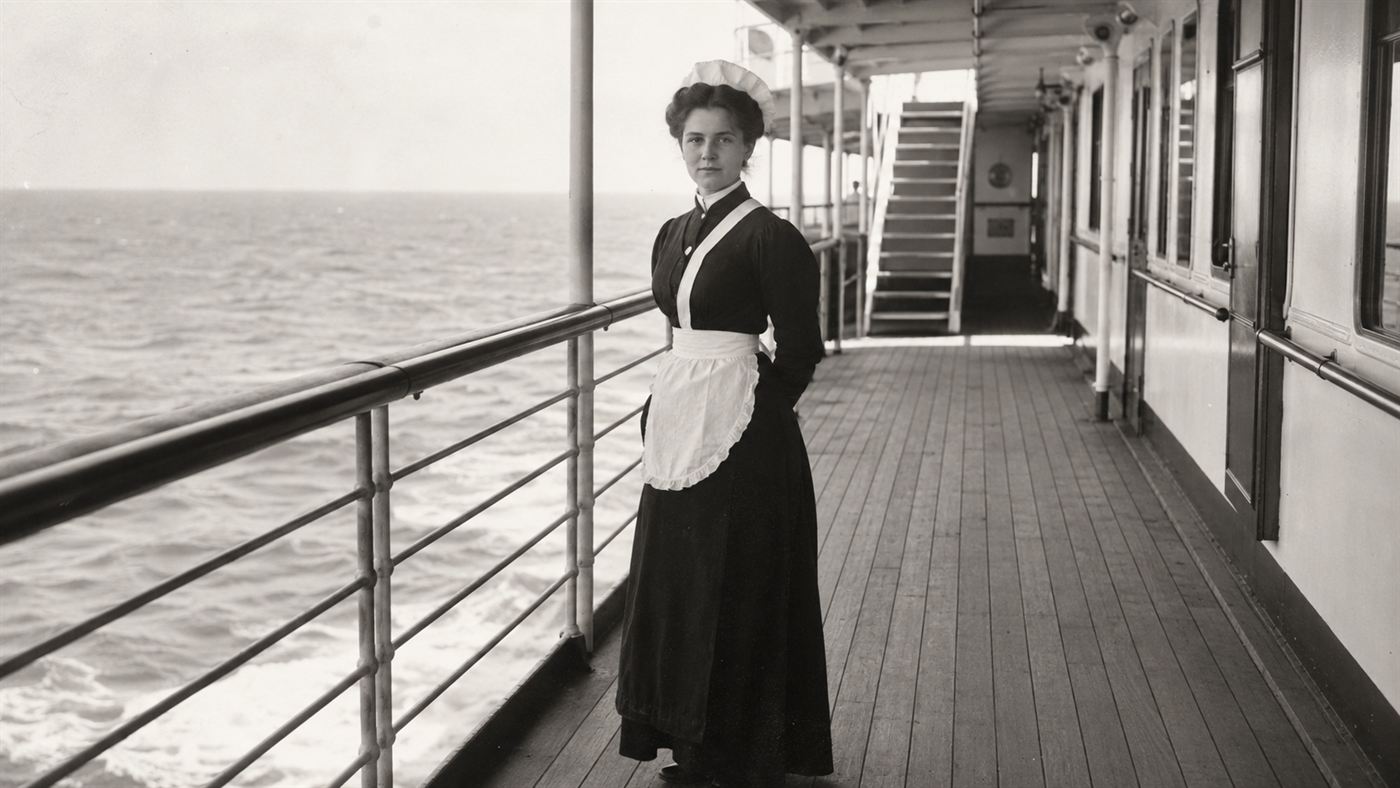
A stewardess on the Olympic-class liners lived and worked aboard the biggest moving objects humans had ever built. Illustration: Watts & Wild.
Violet Jessop was born in Argentina in 1887 to Irish immigrant parents, and her brush with death started early. As a child she caught tuberculosis and doctors gave her only a few months to live. She not only recovered but went on to outlast some of the most catastrophic maritime engineering failures of the twentieth century, one after another.
As a young woman she went to sea as a stewardess, looking after passengers aboard the great transatlantic liners. The job put her on the three colossal sisters built by the White Star Line at the Harland and Wolff shipyard in Belfast: the Olympic, the Titanic and the Britannic. Being on one of them was a mark of pride. Being on all three was a strange kind of curse.
The woman they called unsinkable
The Olympic-class liners were the wonders of their age, floating palaces nearly 270 metres long, the largest moving objects ever constructed at the time. They were sold to the public as triumphs of engineering, so safe they were practically beyond harm. Within a few years, all three would prove that no machine, however vast, is ever truly beyond the reach of the sea.
Jessop sat at the centre of that irony. She was an ordinary working woman doing an ordinary job, and yet she ended up a witness to all three chapters of the disaster, surviving each in turn until the newspapers began to call her unsinkable.
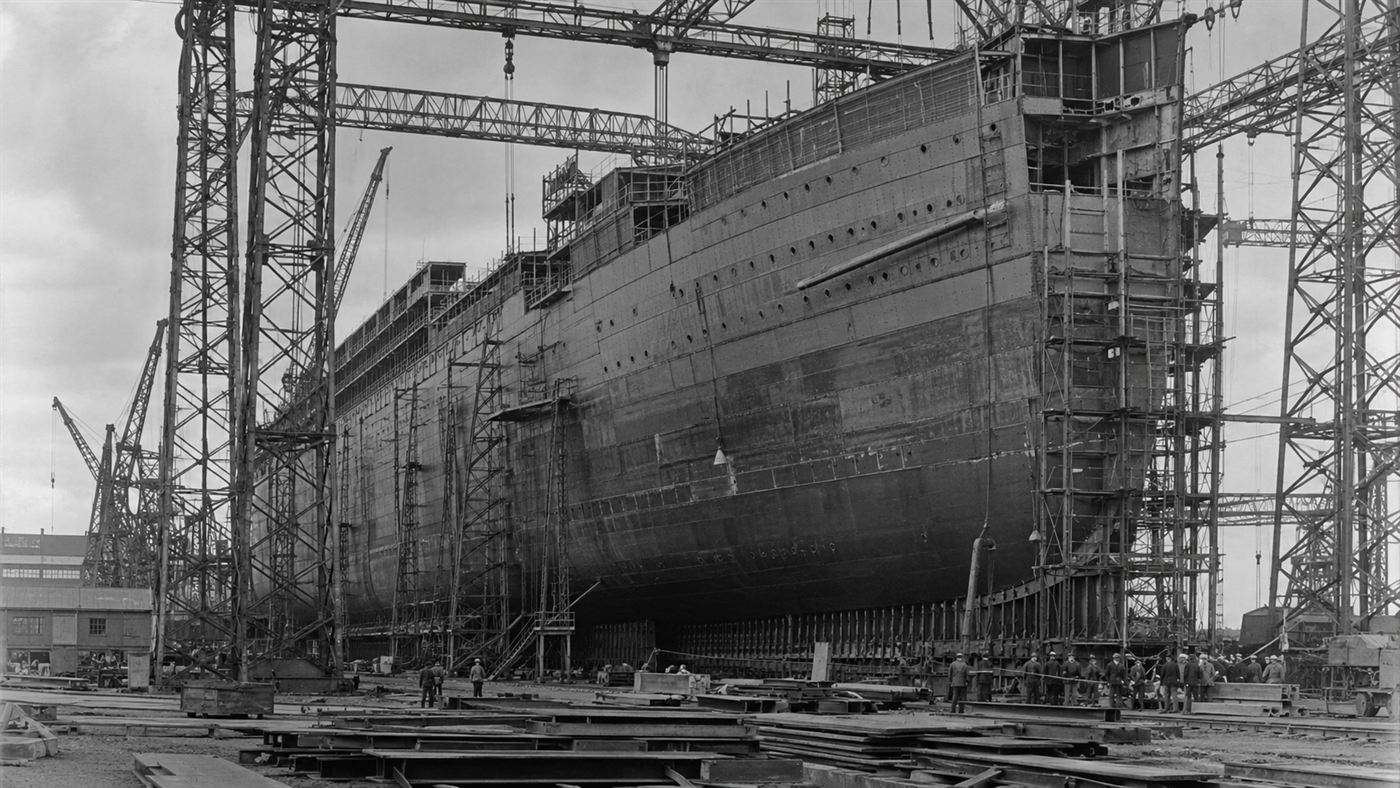
First the Olympic hit a warship
In 1911 Jessop was working aboard the RMS Olympic, the first of the three sisters, when it collided with a Royal Navy cruiser, HMS Hawke, in the waters off Southampton. The warship's bow tore a large hole in the liner's side. It was a serious accident, but the Olympic was strong enough to limp back to port without sinking, and everyone aboard survived.
At the time it seemed like a lucky escape and little more. Only with hindsight does that collision read as the opening act of a much darker run, the first of three times Violet Jessop would feel one of these great ships shudder beneath her feet.
Then the Titanic went down
The following year she signed on to the second sister, the RMS Titanic, for its maiden voyage. We all know how that ended. When the ship struck an iceberg on the night of 14 April 1912, Jessop was ordered up on deck and eventually into a lifeboat. As her boat was lowered, an officer pressed a baby into her arms, and she held the child through the freezing night until the Carpathia rescued them at dawn.
By her own account, a woman she took to be the baby's mother found her on the rescue ship the next morning, snatched the child back without a word, and disappeared into the crowd. Jessop had survived the most famous shipwreck in history. Most people would have stayed on dry land forever. She went back to sea.
The Britannic and the hair that saved her life
When the First World War came, the third and largest sister, the Britannic, was pressed into service as a hospital ship, and Jessop joined it as a nurse with the British Red Cross. In November 1916 the Britannic struck a mine off the Greek island of Kea and began to sink fast, going down in under an hour, even quicker than the Titanic had.
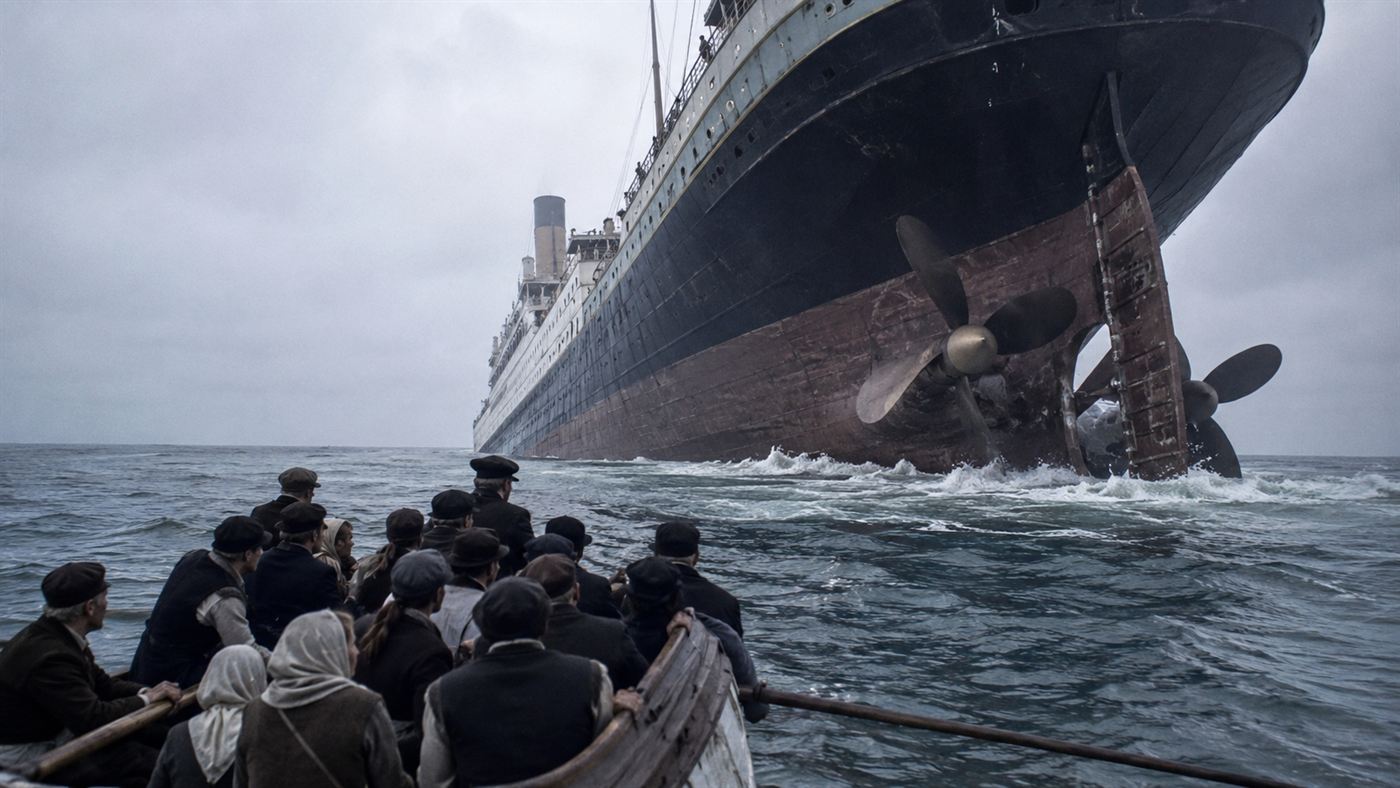
This time the danger was not the cold but the machinery. Jessop's lifeboat was sucked toward the ship's enormous propellers, which were still turning as the stern lifted, churning the water and chopping boats and people to pieces. She threw herself into the sea, was dragged under, and cracked her head against the ship's keel before fighting back to the surface. She always believed her thick coil of auburn hair had cushioned the blow that should have killed her. Years later a doctor told her she had fractured her skull and never known it.
What made Violet Jessop go back to sea
The strangest part of her story is not that she survived, but that she kept choosing the water. After the Britannic she returned to ocean liners and worked at sea for decades more, sailing on into the 1950s before finally retiring to a cottage in England. The sea had tried to take her three times and failed, and she clearly decided it was not going to dictate the rest of her life.
She wrote her memoirs late in life, which is how we know the small human details, the baby on the Titanic, the hair on the Britannic, that the official records leave out. Violet Jessop died of heart failure in 1971, peacefully, on land, at the age of 83.
The honest catch
It is worth being clear-eyed about the legend. Jessop was not singled out by fate so much as caught up in the working life of her era. Hundreds of crew moved between these sister ships, and some others also served on more than one during their disasters, because the same company crewed all three. The eerie pattern is real, but it is a pattern of employment as much as of bad luck.
It is also fair to note that the Olympic incident was a collision, not a sinking, and that the Olympic herself went on to a long and successful career, earning the nickname Old Reliable. Some of the most vivid details come only from Jessop's own memoirs and are hard to verify. None of that takes away the core fact, which needs no embroidery: one woman stood on the deck of all three of those legendary ships in their worst moments, and walked away from every one.
The grandest, safest ships ever built all came to grief, and the same quiet stewardess walked off all three. Would you ever step back onto a ship after surviving even one of those nights, let alone two? Tell us what you think in the comments.
Related reading: the Mary Celeste, found drifting in perfect order with every soul aboard vanished.