She fell six miles out of an exploding plane with no parachute, and somehow lived
On a winter day in 1972, a bomb tore a passenger jet apart more than ten kilometres above the ground. Twenty-seven people fell out of the sky and died. One did not. A young flight attendant rode the broken tail of the aircraft all the way down to a snowy mountainside and lived to walk again.
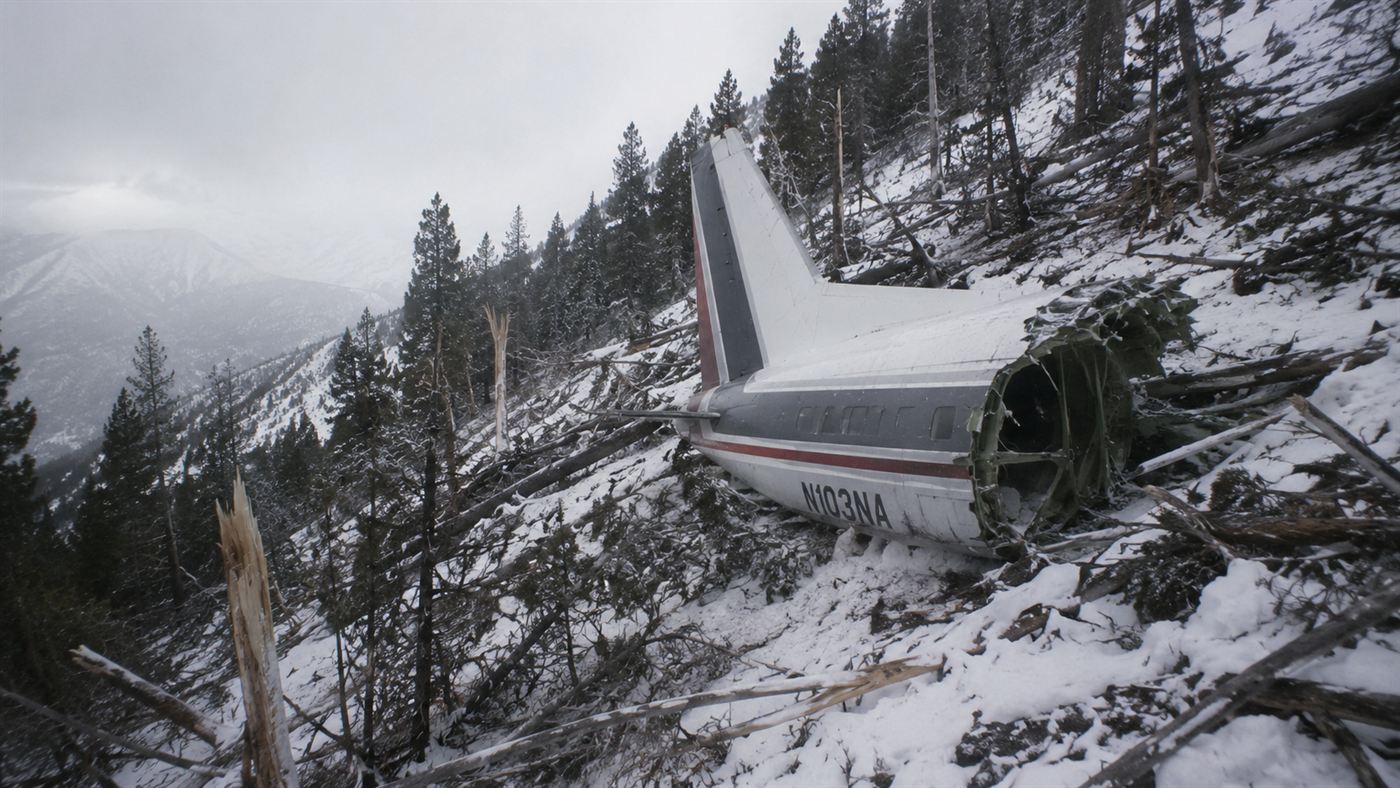
The tail section came down on a steep, snow-covered, forested slope, which may have saved the only survivor. Illustration: Watts & Wild.
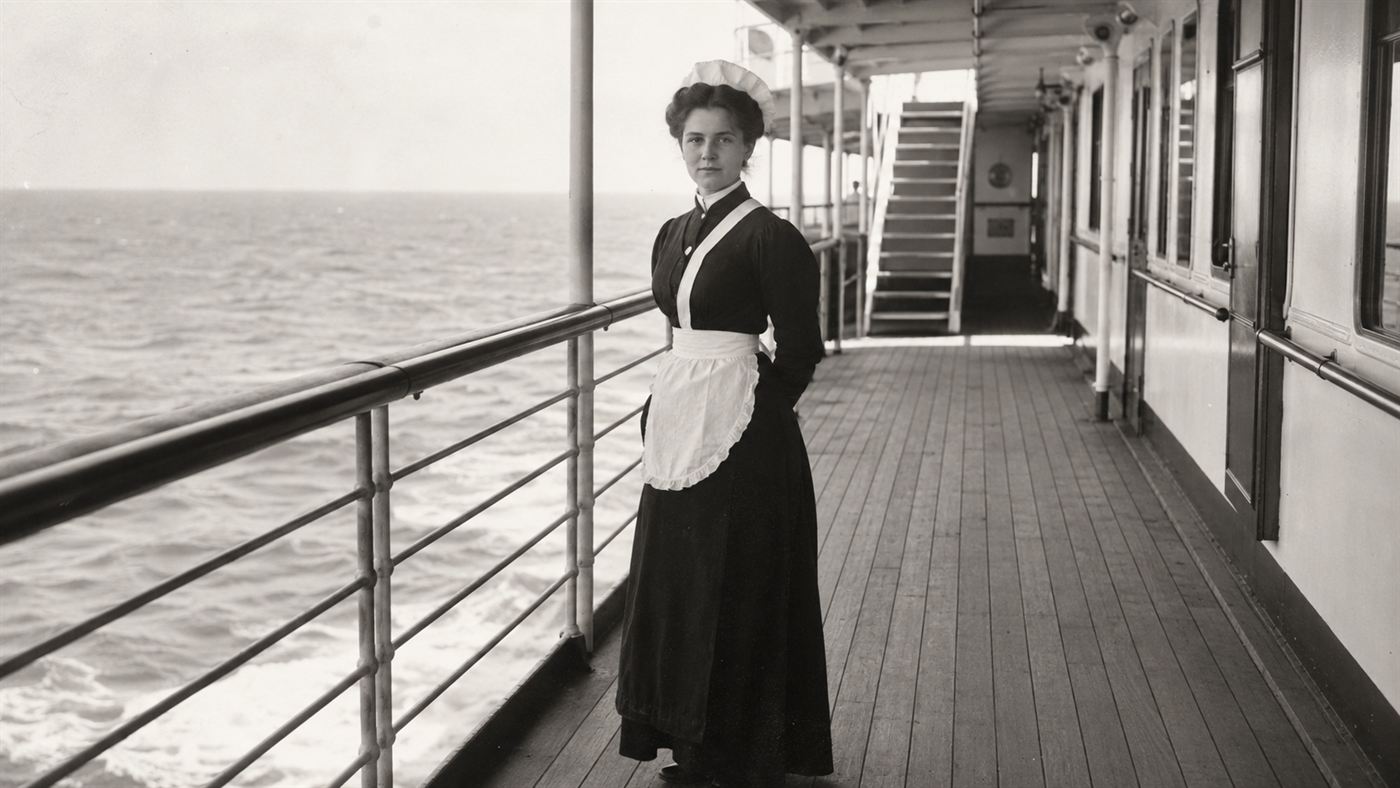
Her name was Vesna Vulovic, a 22-year-old Yugoslav flight attendant, and what happened to her on 26 January 1972 still sits in the record books half a century later. She fell roughly 10,160 metres, about six miles, without a parachute, and survived. No one before or since has fallen so far and lived.
The strangest part is that she was not even meant to be working that flight. A scheduling mix-up had confused her with another stewardess who was also called Vesna, and so she boarded a plane that was never on her roster. That small clerical error put her on JAT Flight 367, and into one of the most astonishing survival stories ever recorded.
Six miles down, with no parachute
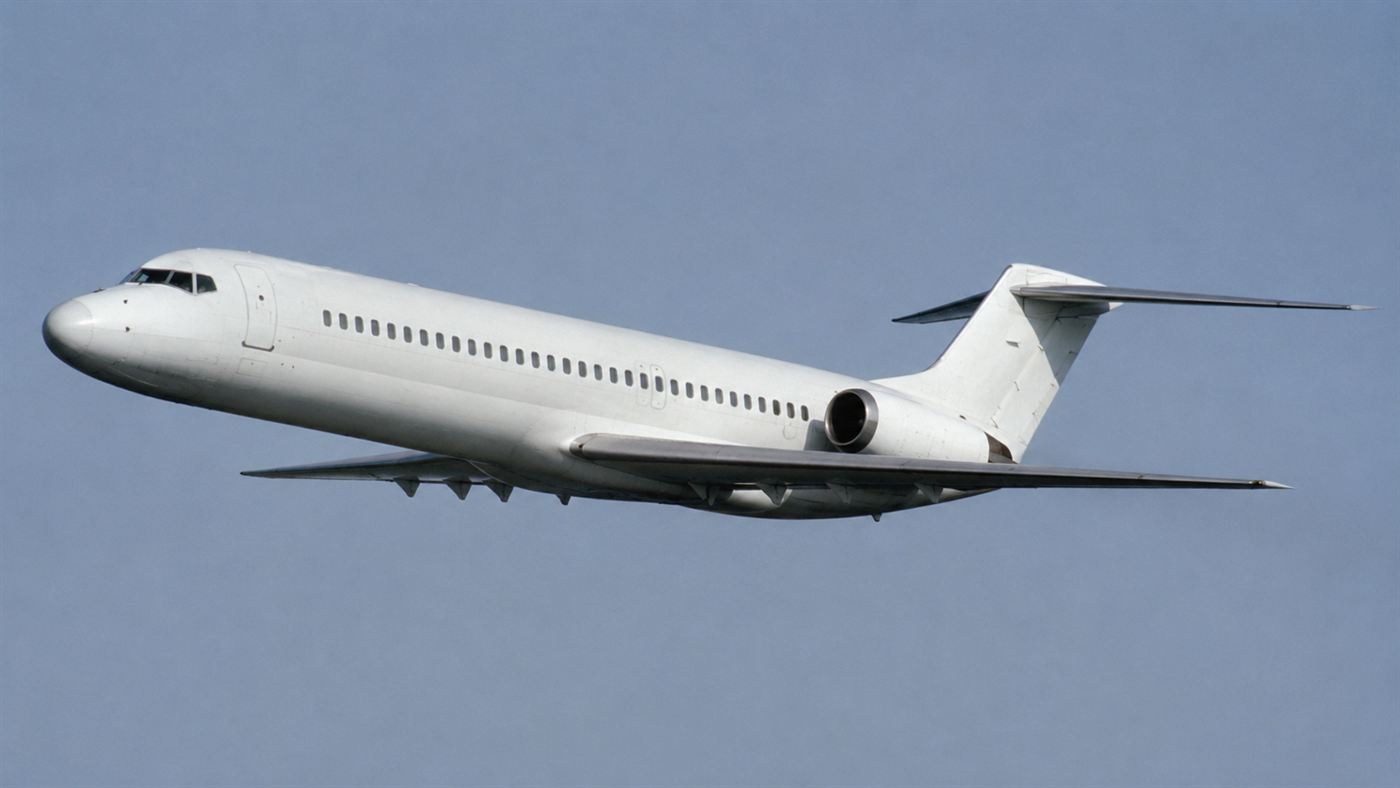
Flight 367 was a DC-9 flying from Stockholm toward Belgrade. As it crossed Czechoslovakia, a bomb hidden in the forward baggage hold went off and the aircraft broke apart in the freezing air at cruising height. Everyone else on board, twenty-seven passengers and crew, was killed. Vesna was trapped in the tail section, reportedly pinned in place by a food cart, when that whole rear piece of the plane tore free and began to fall.
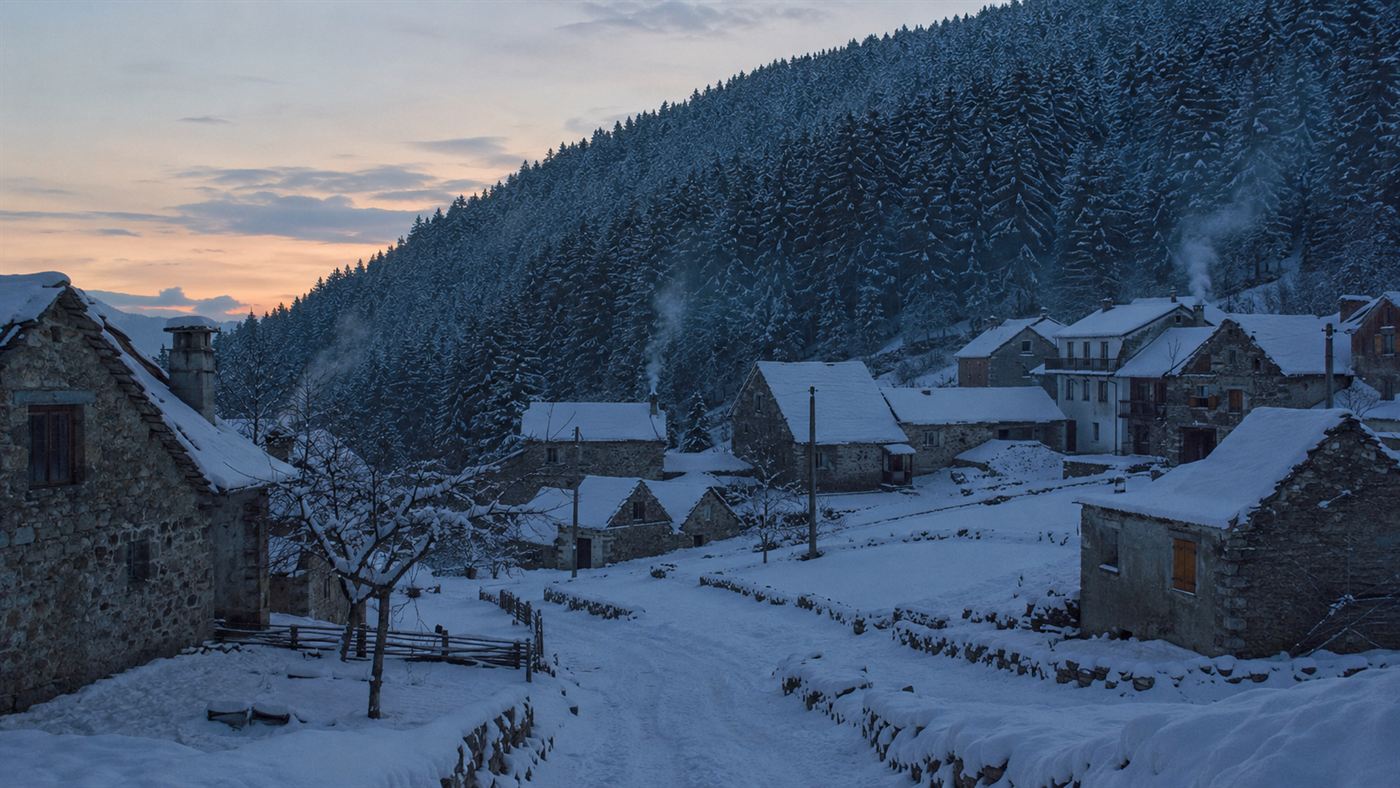
She has no memory of any of it. The tail came down onto a steep, wooded, snow-covered slope, and the trees and deep snow softened a blow that should have been the end of everything. She was found in the wreckage by a villager named Bruno Honke, who had been a medic in the Second World War and knew how to keep her alive until help arrived. That a former combat medic happened to be the one to reach her first feels almost too neat to be true, and yet it is.
Why Vesna Vulovic survived
No one can fully explain it, but doctors who treated her offered some pieces of the puzzle. Vesna Vulovic had naturally very low blood pressure, low enough that it had nearly cost her the job, and her physicians believed it helped her by making her pass out quickly, so her heart was less likely to burst on impact. The cart that pinned her, the intact tail around her, the angle of the slope, the snow and the trees all stacked up in her favour at once.
The price was still terrible. She suffered a fractured skull, broken legs and a crushed spine, fell into a coma for 27 days, and was paralysed from the waist down for a time. Against the odds she recovered enough to walk again, and she said afterward that she had no memory of the fall and, remarkably, no fear of flying.
The record that some say is wrong
Guinness World Records lists Vesna's fall as the highest ever survived without a parachute, and in 1985 none other than Paul McCartney presented her with the certificate. For decades that was the settled story. Then, in 2009, two journalists published an investigation arguing that the famous altitude was a fiction.
Their claim was that the plane had actually been brought down by mistake at only around 800 metres, and that the towering figure of ten kilometres was a Cold War exaggeration that everyone found convenient. It is a serious allegation, and it would shrink one of history's great survival stories down to something far more ordinary. The counterweight is the official investigation, in which black-box data examined by experts from three countries supported the higher altitude, and Guinness has kept the record as it stands.
The honest catch
So which is it? The truth is that we cannot be completely certain, and a careful telling has to hold both versions in view. The official record says six miles; a credible challenge says it may have been far less. Even Vesna herself was relaxed about it, once saying she would happily give up the record if it were proven false, because what mattered was that she had lived at all.
What is beyond dispute is the core of it. A bomb destroyed a full airliner in mid-flight, every other soul aboard was lost, and one young woman in the tail came back from the dead, climbed out of a coma, and learned to walk again. She spent the rest of her life as a quiet national symbol, later standing up against her country's strongman government, and died in 2016. Whether she fell six miles or one, the fact that she fell out of a shattered plane and survived is wonder enough.
A bomb destroyed her plane miles above the earth, killed everyone else aboard, and she walked away from it. Does it matter whether she fell six miles or one, when no one else fell at all and lived? Tell us what you think in the comments.
Related reading: Violet Jessop, who survived the disasters of all three of history's most famous doomed ships.