The car that made hybrids mainstream nearly died in the lab, with prototypes that would not move and batteries that caught fire, before it was rushed out in 1997
The Toyota Prius is now a byword for the sensible green car, almost boring in its respectability. That is easy to forget how close it came to never working at all. The team that built it spent years wrestling with prototypes that barely moved and batteries that overheated, against a deadline that should have been impossible.
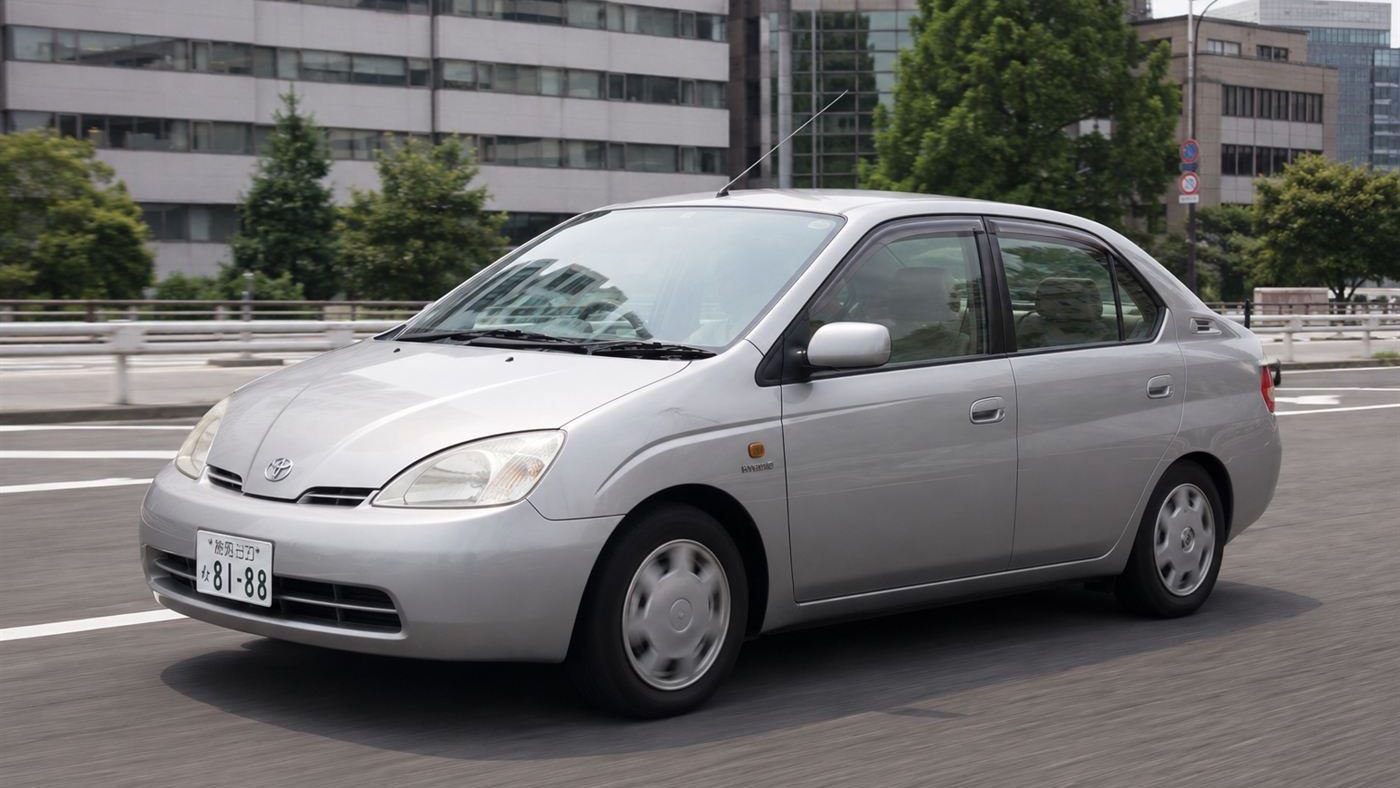
The first Toyota Prius, the car that normalised the hybrid. Illustration: Watts & Wild.
The story starts with a deliberately vague brief. In the early 1990s Toyota set up a project, code-named G21, to imagine the car for the coming century, and put a chief engineer named Takeshi Uchiyamada in charge. He was not even an engine specialist; his background was in testing and refining how cars rode and sounded. He was, in effect, handed the future and told to invent it.
Then the target was made brutal. A senior executive decided the new car should not just be a bit more efficient but roughly twice as fuel-efficient as a normal car, a leap so large that an ordinary petrol engine could never reach it. That single demand forced the team down a road almost nobody had taken in mass production: a hybrid, combining a petrol engine with an electric motor and a battery.
How the Toyota Prius almost failed
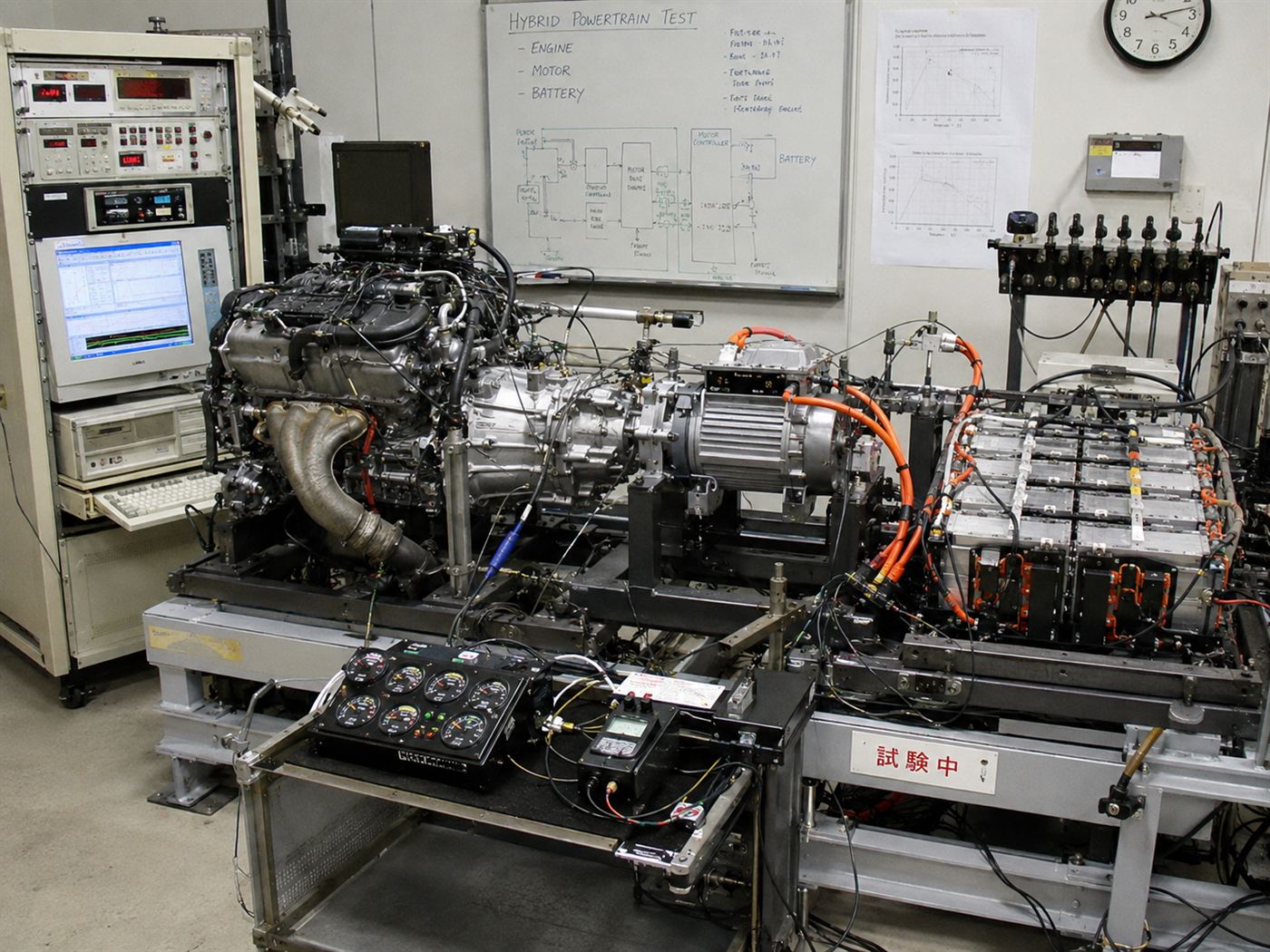
Choosing the hybrid was the easy part. Making it work was close to a nightmare. As IEEE Spectrum recounts, the early development was plagued with problems, with prototypes and battery systems that simply would not behave. The first complete prototype, finished in 1995, could not even drive properly; by some accounts it managed only a few hundred metres before grinding to a halt.
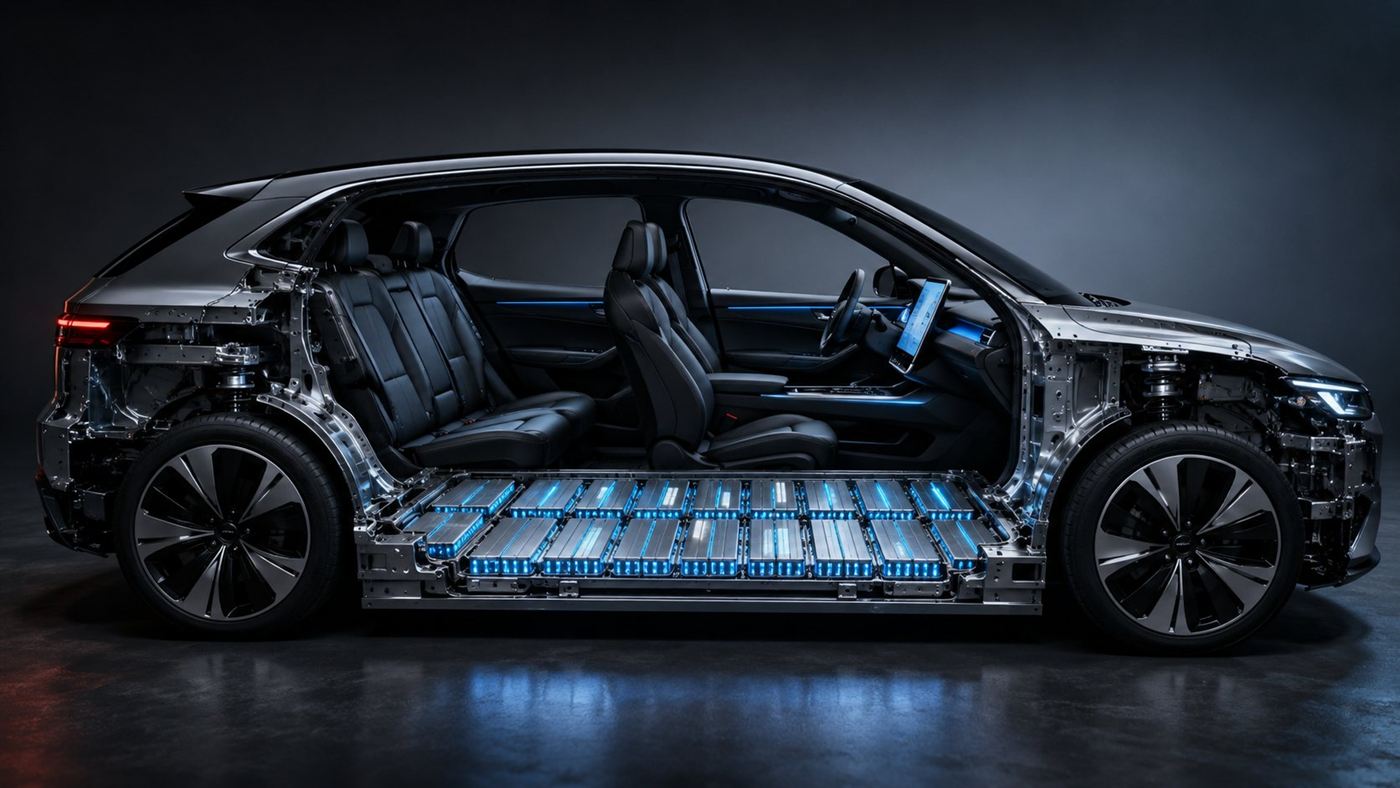
The battery was the worst of it. The nickel-metal hydride pack was far bigger than planned yet delivered far less than the team needed, and it hated extremes of temperature, fading in the cold and overheating in the heat. In bench testing the system sometimes did more than fail; it overheated badly and, on occasion, caught fire. For long stretches it must have looked like the whole idea was simply not ready.
The deadline that would not move
What makes the achievement remarkable is that they did all this against the clock. Toyota compressed the whole job, from concept to a car you could buy, into only about four and a half years, a punishing schedule for an entirely new kind of powertrain. And the finish line was fixed for a reason beyond engineering: the company wanted the car ready for the end of 1997, as the world gathered in Kyoto to negotiate a climate treaty, and a working eco-car would make a powerful statement.
They made it. As Toyota's own history records, the first Prius went on sale on 10 December 1997, with the tagline that it had arrived "just in time for the 21st century." It was the world's first mass-produced hybrid, and despite everything, it ran.
Was the first Toyota Prius profitable?
Not in any normal sense. Toyota is widely reported to have lost money on every one of those first cars, selling a complex, expensive new machine at a price ordinary buyers would accept. In the short term the Prius was a money-loser and a slightly awkward-looking one at that.
But it was a bet, not a quick sale. The Prius put a working hybrid in driveways, proved the technology to a sceptical public, and gave Toyota a long head start. As the Engineering and Technology History Wiki records, the 1997 Prius was the world's first mass-produced hybrid vehicle, and the hybrid idea it normalised went on to sell in the tens of millions and reshape what buyers expected a car to be.
The honest catch
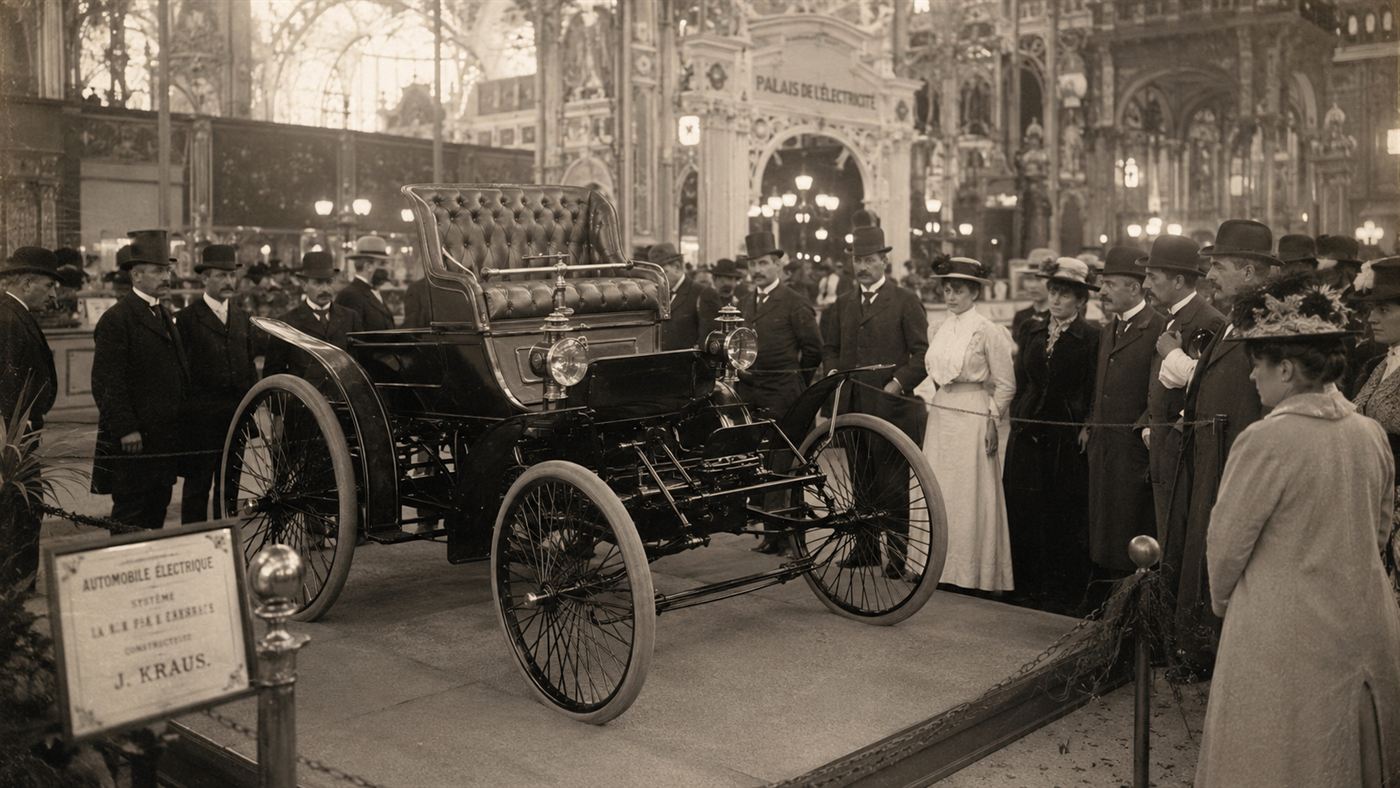
A few caveats keep the story straight. This was a vast team effort, not one man's miracle; Uchiyamada led it, but thousands of Toyota engineers, the battery makers and the executive who set that audacious fuel-economy target all shaped the result. And the hybrid was not a brand-new concept either, since the idea of pairing a petrol engine with an electric motor goes back to around 1900. The Prius was the first to make it cheap, reliable and mass-produced, which is a different and harder kind of first.
It is also worth being honest that the Prius is a hybrid, not a pure electric car; it still burns petrol, and its green halo has been argued over, given the resources that go into building any battery. None of that erases what it did, but the Prius was a giant practical step rather than a clean break with the engine.
Why a frumpy hybrid still matters
The Toyota Prius matters because of the gap between how it ended and how it nearly didn't. The car that became a symbol of calm, sensible environmental virtue was forged in something close to chaos, by a team staring at a dead prototype and a deadline they could not move. It is a reminder that the technologies we end up taking for granted often survived a development that very nearly killed them.
Every electric and hybrid car on the road today owes something to that stubborn, troubled little project. Does knowing how close the Prius came to failing change how you see the car, or the people who refused to give up on it? Tell us in the comments.
Related reading: Twenty years earlier, an American engineer built a working hybrid the government refused, and the Prius proved him right.