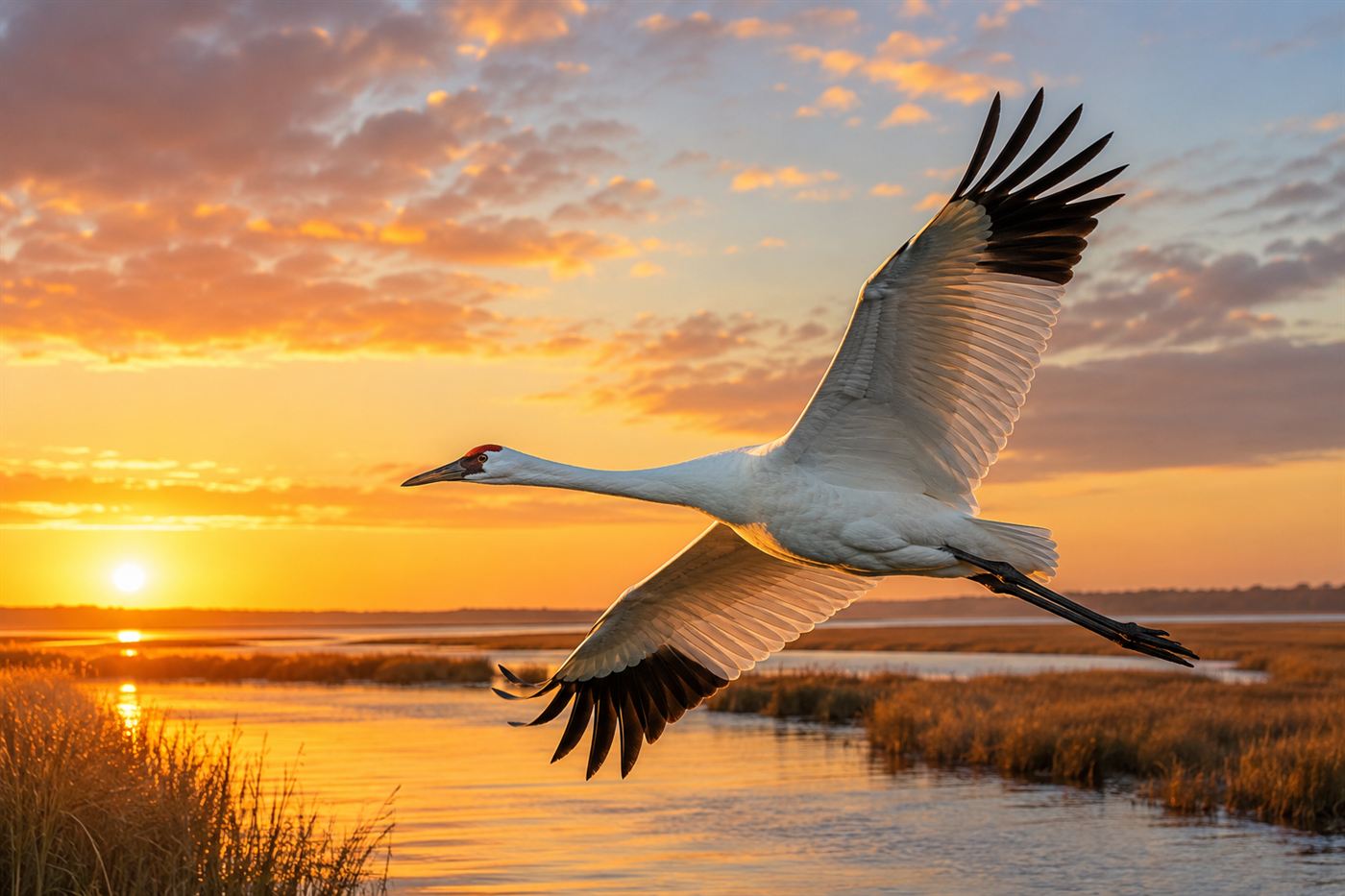
Fewer than ten vaquitas are left on Earth, and they are dying not for themselves but for the black-market bladder of another fish
There may be fewer than ten of them alive. The vaquita, a tiny, shy porpoise with dark rings around its eyes like smudged mascara, is the rarest marine mammal in the world, and it is being quietly wiped out in a single corner of the Mexican sea. The cruel part is that nobody is hunting it. It is collateral damage in a crime aimed at something else.
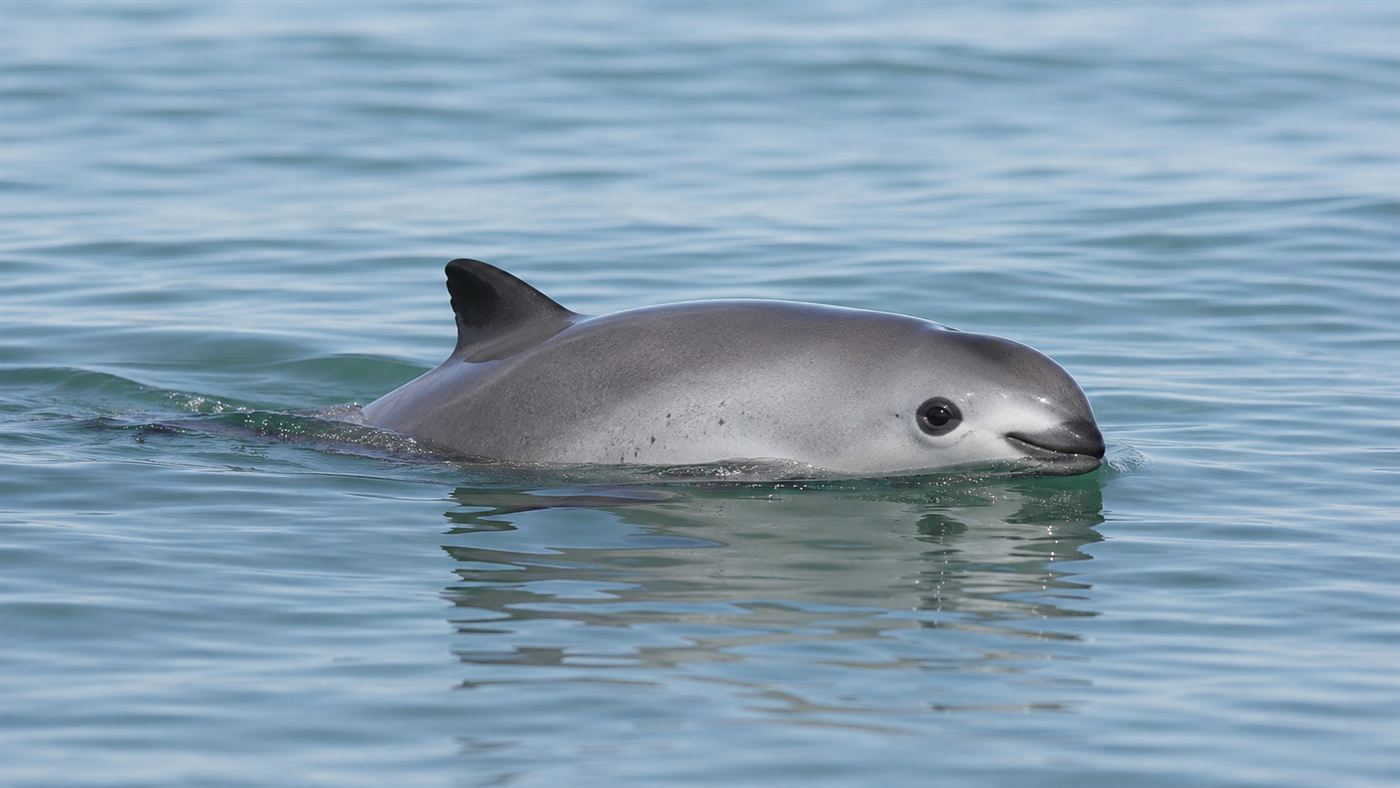
The vaquita, the world's smallest and rarest porpoise, lives only in Mexico's Gulf of California. Illustration: Watts & Wild.
The vaquita lives nowhere else on the planet but the shallow, murky waters at the very top of the Gulf of California, the long arm of sea between mainland Mexico and the Baja peninsula. It is small, about a metre and a half, and so retiring that most people who spend their lives on that water have never seen one. For a long time almost nobody outside Mexico had heard of it.
Then the numbers began to collapse. In the late 1990s there were perhaps 600 vaquitas. By the middle of the 2010s, around nine in ten of them were gone, and the decline has barely slowed since. A careful survey in 2024 could find only six to eight animals. A species can come back from very low numbers, but there is not much lower than this to go.
Why the vaquita is dying for another fish
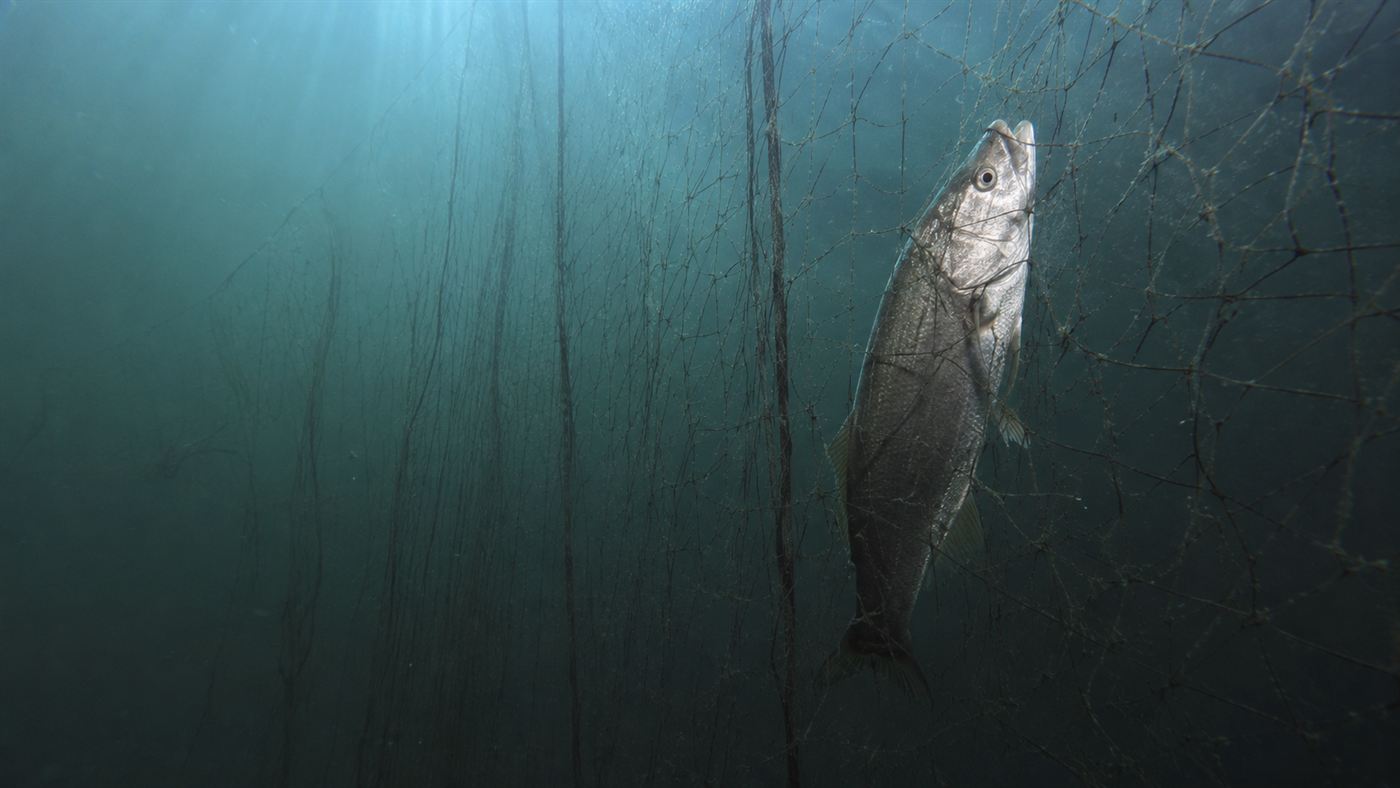
The killer is a wall of netting called a gillnet, hung in the water to catch fish by the gills. The vaquitas are not the target. The target is the totoaba, a big fish that shares their waters and is itself endangered. The totoaba's swim bladder, the organ that helps it float, is prized in China as a delicacy and supposed health tonic, and a single dried bladder can fetch many thousands of dollars on the black market.
That price has turned the upper gulf into a poaching ground run by organised crime. The nets set for totoaba catch vaquitas by accident, and a porpoise that swims into one cannot surface to breathe, so it drowns. As IFLScience reported from the latest survey, the species is being pushed to the very edge of extinction by a trade that does not even want it.
The rescue that killed one of the last females
By 2017, with the wild population in freefall, conservationists tried something drastic. A roughly five-million-dollar effort called VaquitaCPR set out to catch a few vaquitas and start a captive breeding programme, a last ark before the nets finished the job. It was a gamble nobody wanted to take, but the alternative looked like watching the species vanish entirely.
It went tragically wrong. The first animal caught, a young female, became so stressed that the team released her at once. As Science reported at the time, an adult female, netted and moved to a sea pen, panicked, stopped breathing and died despite frantic efforts to revive her. The cruel irony of the project's name was not lost on anyone. The rescuers concluded that vaquitas simply cannot survive being caught, and the captive plan was abandoned for good.
How many vaquitas are left?
The honest answer is heartbreakingly few, somewhere around six to eight at the last count, down from roughly 600 a generation ago. That tiny number makes the vaquita the most endangered marine mammal on Earth by a wide margin. And yet the survivors are not just drifting toward death; researchers watching them still see healthy adults and, remarkably, newborn calves swimming alongside their mothers.
The one piece of hope
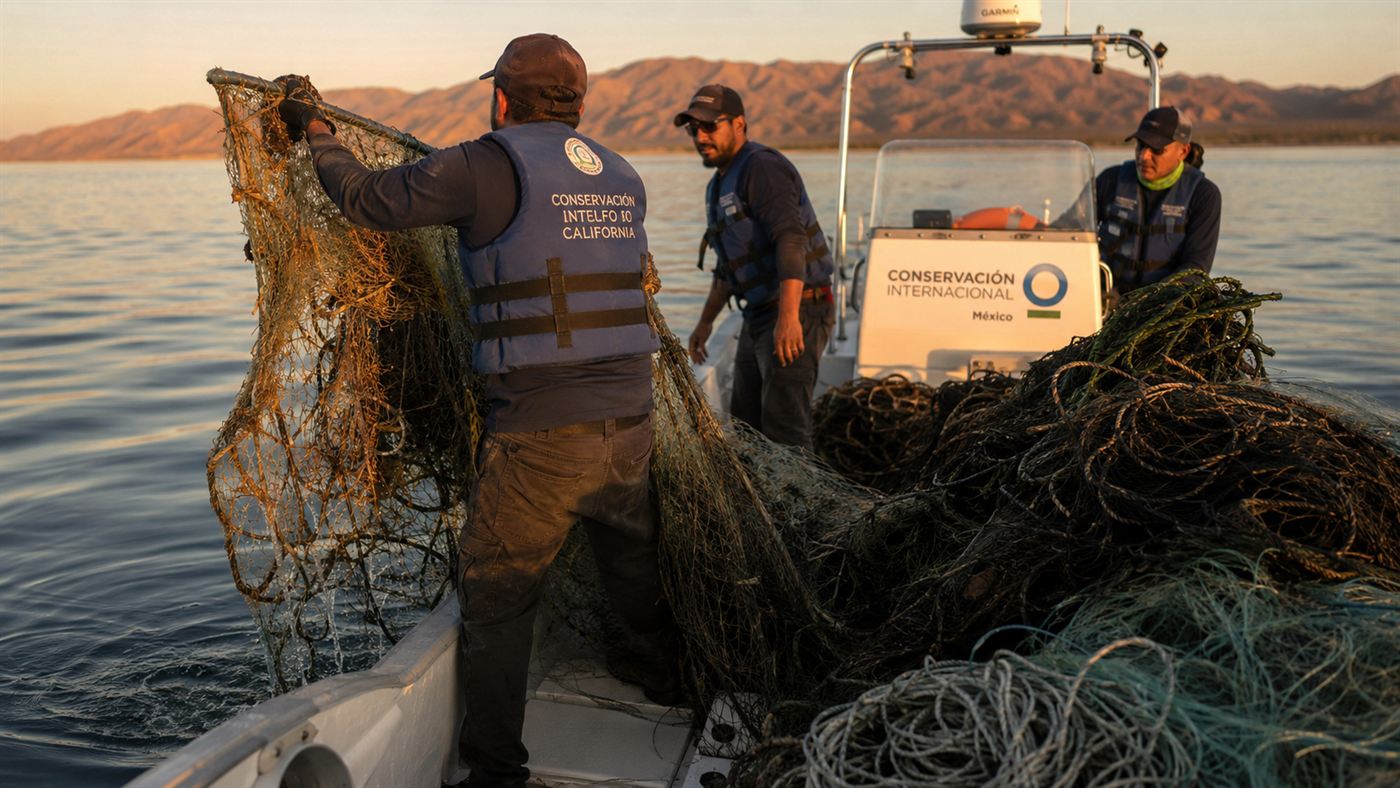
There is a sliver of good news buried in the genetics. When scientists sequenced the vaquita's DNA, they expected to find a species doomed by inbreeding, the usual death sentence for an animal squeezed through such a tiny population. Instead they found the opposite: vaquitas carry remarkably little harmful genetic baggage, a legacy of always having been naturally rare. The maths says that if the gillnets stopped tomorrow, even this handful of animals could, in time, rebuild. The vaquita is not being killed by its own biology. It is being killed by nets, and nets can be removed.
The honest catch
It would be wrong to pretend the answer is simple. The vaquita was never common, confined forever to one small patch of sea, so the numbers were always going to be fragile. The counts themselves are estimates from a difficult survey of a shy animal, and the real figure could be a little higher or, more frighteningly, lower. Above all, "just remove the nets" runs straight into hard human realities: local fishermen who have lost their legal livelihoods, and a totoaba trade backed by criminal networks with far more money and firepower than the people trying to stop them. The biology offers a way back for the vaquita. Whether the politics and the policing can deliver it in time is a far harder question, and the clock is very nearly out.
A handful of small grey porpoises are all that stand between the vaquita and oblivion, and their fate hangs on a black market in fish bladders. Can the world really save a species from fewer than ten animals, or is the vaquita already lost? Tell us what you think in the comments.
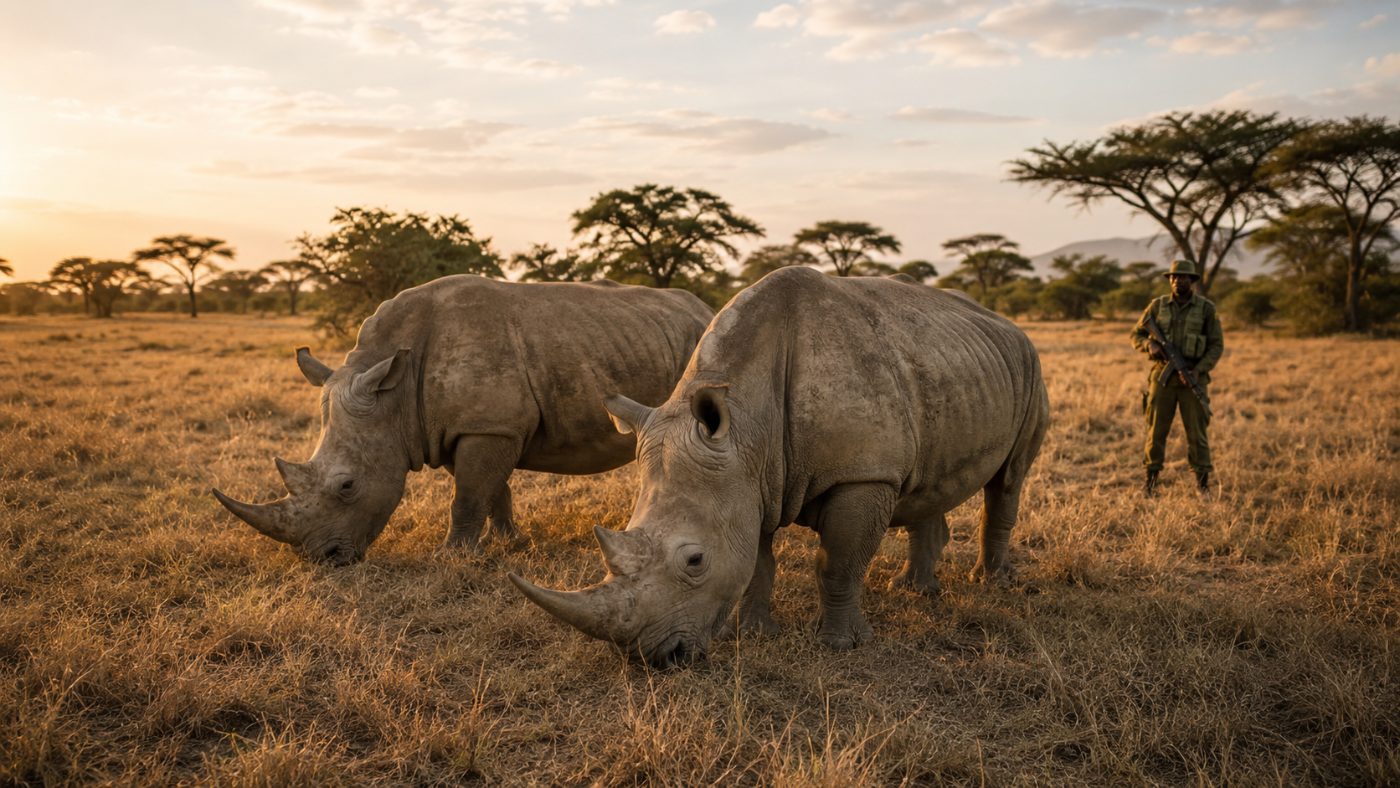
Related reading: Another last-ditch fight against extinction, the race to save the northern white rhino with only two females left.