After a century of failure, a malaria vaccine is now measurably saving children's lives in Africa
In 2026, health officials shared a milestone that generations of scientists had chased and missed: hard proof that a malaria vaccine is keeping children alive. In the first countries to use it, the shots have already averted roughly one young life in eight among those old enough to receive them.
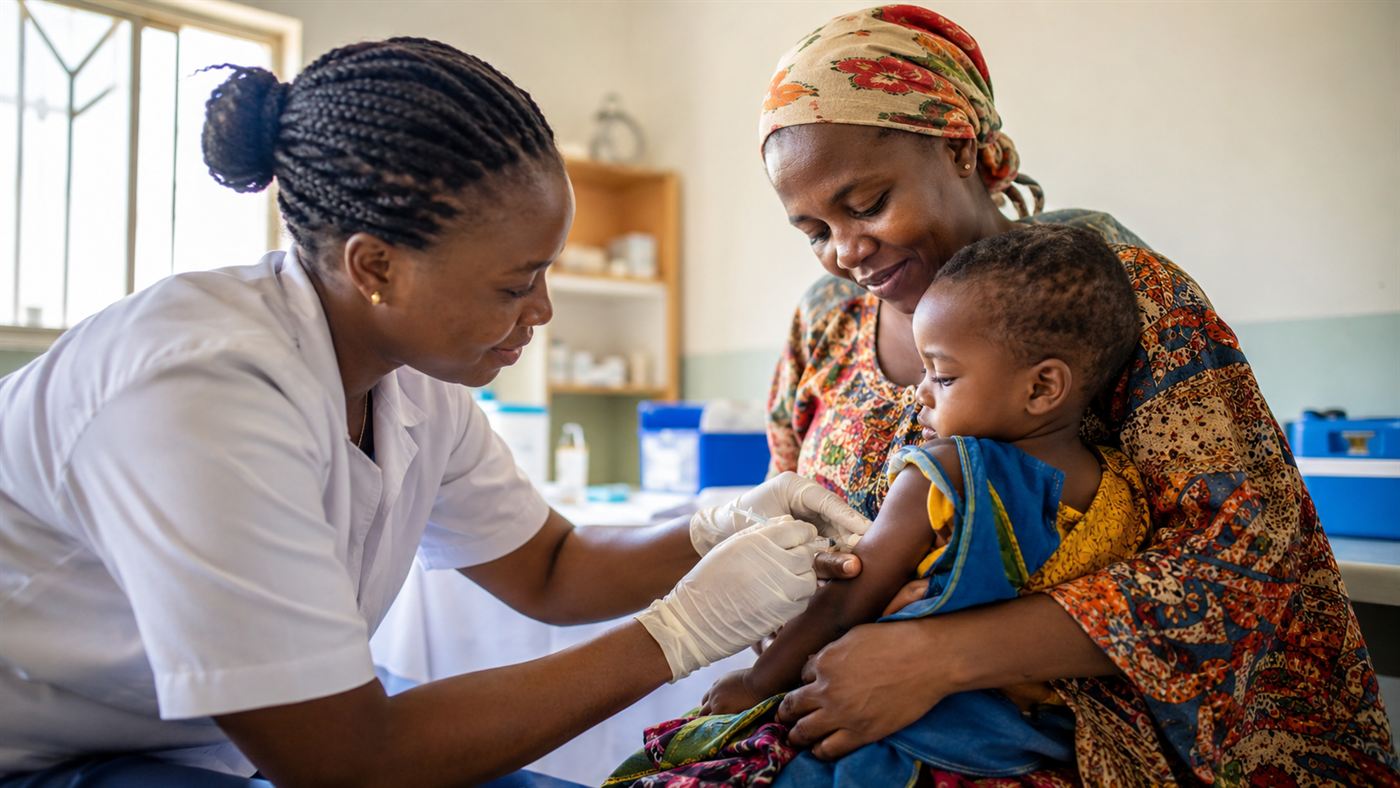
A child receives a malaria vaccine at a clinic, part of a rollout now saving lives. Illustration: Watts & Wild.
The evidence came from the first places to roll out the vaccine, Ghana, Kenya and Malawi, where it was offered to young children over several years. Analyses reported in 2026 found that among the children old enough to be vaccinated, the programme was linked to a striking fall in child deaths, on the order of one in eight fewer, along with a clear drop in malaria cases in the clinics that took part.
That may sound modest until you remember what malaria is. It is one of humanity's oldest and cruelest diseases, and it still kills hundreds of thousands of people every year, most of them small children in sub-Saharan Africa. A tool that reliably cuts that toll, even by a portion, is measured not in percentages but in a great many children who lived.
The short version is that after more than a century of trying and failing to make a vaccine against malaria, the world finally has one that works in the real world, and 2026 is the year the proof became undeniable.
Why a malaria vaccine took so long
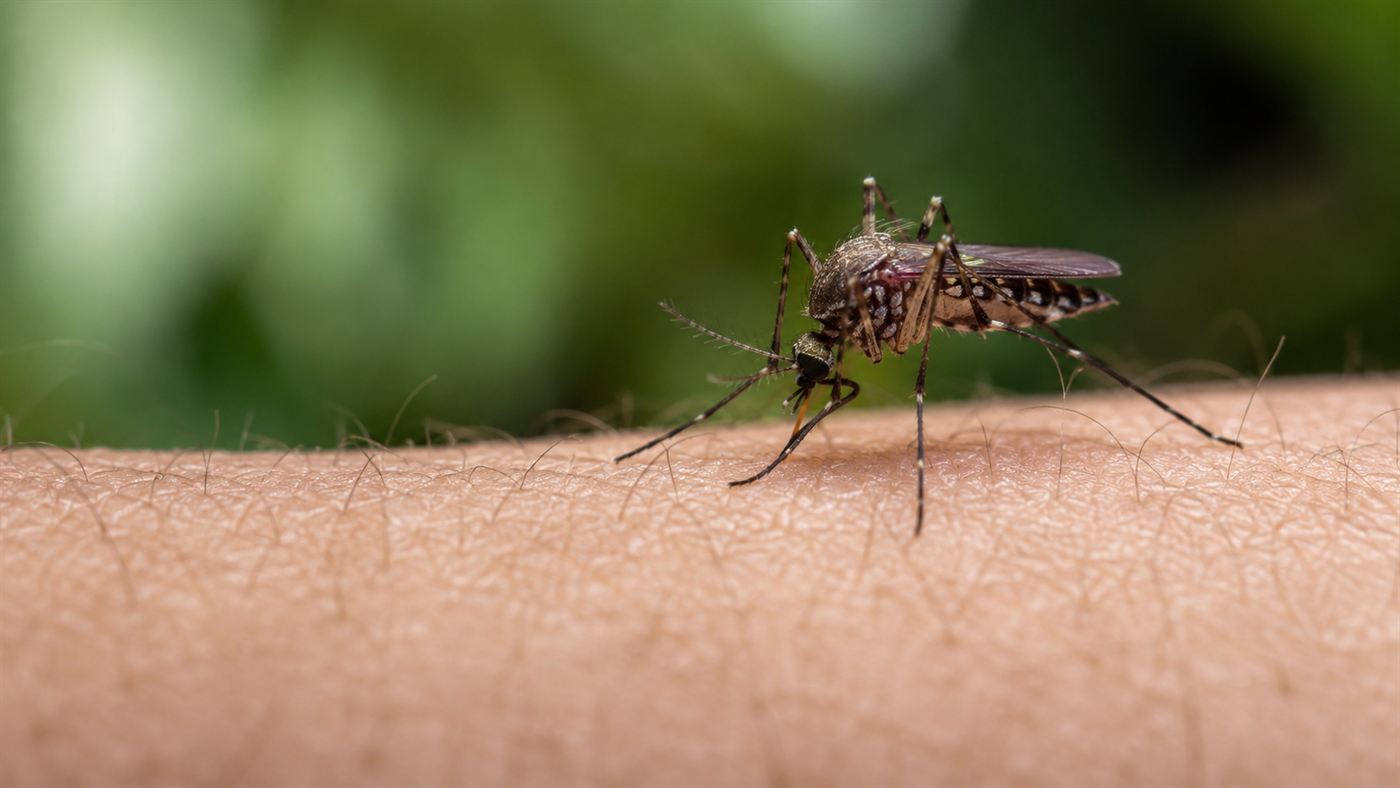
Malaria is not a virus or a simple bacterium but a parasite, a shape-shifting single-celled creature with a fiendishly complicated life cycle. It changes form as it moves from the mosquito's bite into the blood and then the liver, hiding from the immune system and presenting a different face at each stage. That is why a shot that took more than a century to invent was so fearsomely hard to design.
Vaccines usually work by showing the immune system one clear target. A parasite with many disguises offers no single easy mark, which defeated attempt after attempt for decades. The breakthrough vaccines finally coax the body into attacking the parasite in its early, vulnerable window, before it can dig in, and getting even that far ranks among the great feats of modern medicine.
How the rollout is reaching children
Two vaccines now carry the effort. The first, known as RTS,S, was the pioneer and the one behind most of the new life-saving data. The second, a newer shot called R21, is cheaper and can be made in huge quantities, which matters enormously when the goal is to protect tens of millions of children across a whole continent.
By 2026, around 25 countries had begun rolling out these vaccines, weaving them into the childhood immunisation visits that clinics already run. It is painstaking work, requiring several separate doses to build and maintain protection, but it is spreading, and each new country that adopts it widens the shield over the age group malaria hurts the most.

Does this mean malaria is beaten?
Not remotely, and this is where clear eyes matter. The vaccines are a powerful new weapon, but they are not a cure that ends the disease. Their protection is partial and fades over time, which is why children need several doses and why the shots reduce cases and child deaths rather than erasing them. They lower the odds; they do not switch malaria off.
They also work best not alone but alongside the older tools that already save lives, insecticide-treated bed nets, indoor spraying, and fast treatment with drugs. The vaccine is the newest layer of a defence, not a replacement for the rest of it, and a child is safest when every layer is in place at once.
The honest catch
It is right to celebrate this, and easy to oversell it. The triumph is real: a genuinely effective vaccine against an ancient killer, now proven to keep children alive at scale, is one of the finest things science has achieved this decade. The people who spent their careers chasing it earned this moment.
But the catch must be said plainly. This is a real dent, not a knockout blow. The gains depend on money, supply and the grinding logistics of reaching remote clinics, all of which can falter, and the parasite may yet evolve around our defences as it has before. Even a perfect rollout would still leave malaria killing far too many. The honest way to hold this news is with both feelings at once: gratitude for a hard-won victory, and clarity that the war it belongs to is very far from over.
Sources: World Health Organization on the vaccine's impact, Johns Hopkins IVAC, and Malaria Partners International.
A disease that has stalked humanity for as long as we have records is finally meeting a vaccine that saves children by the thousand. Should the world be pouring far more money into finishing the fight against malaria while a working vaccine finally exists? Tell us what you think in the comments.
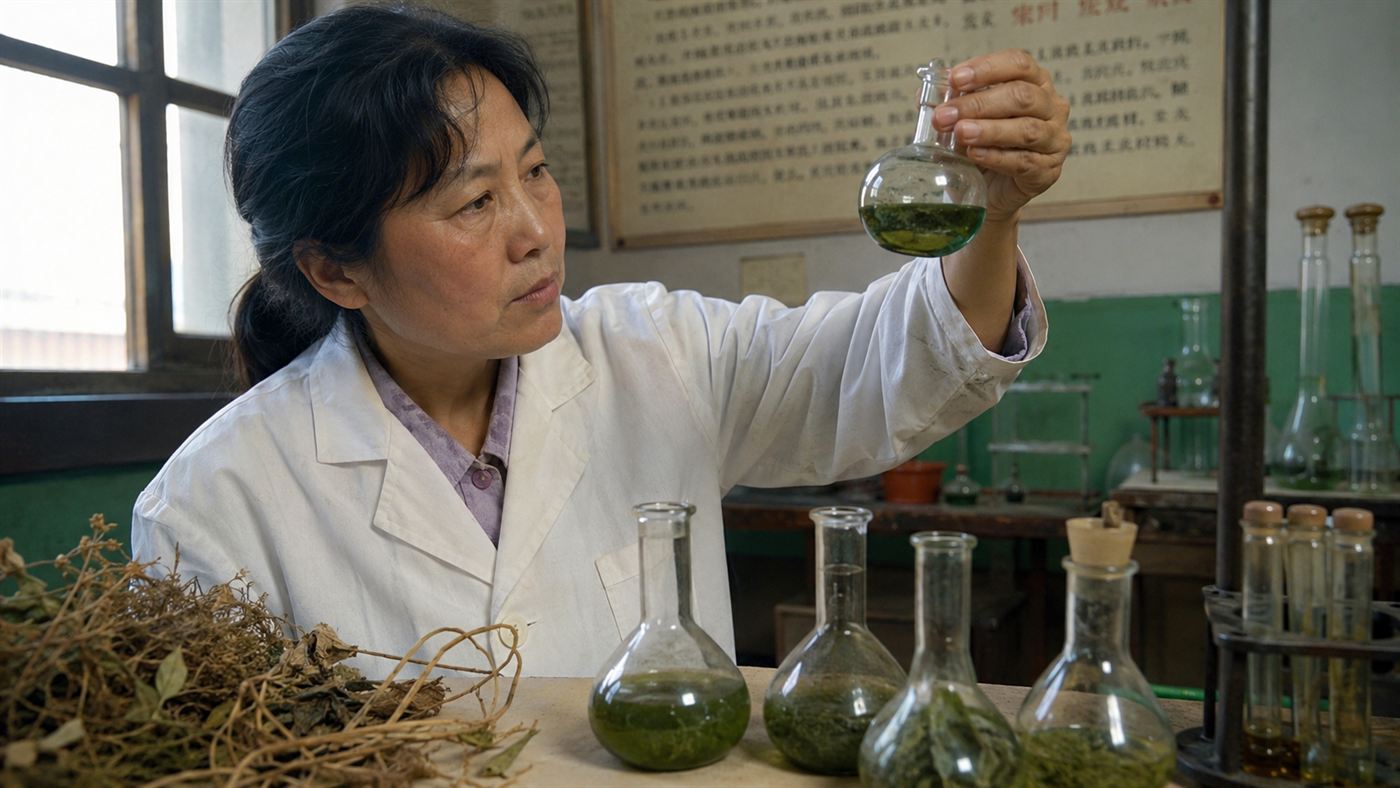
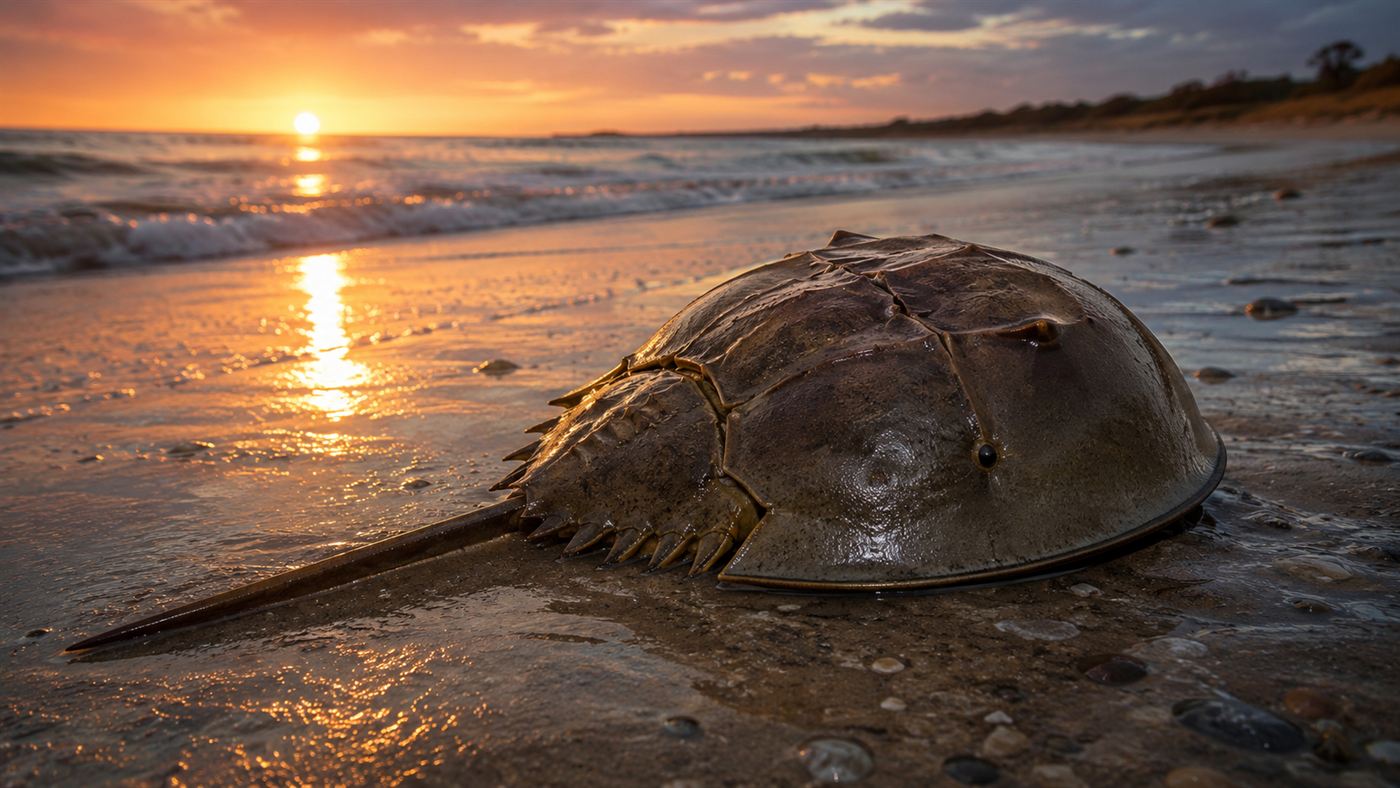
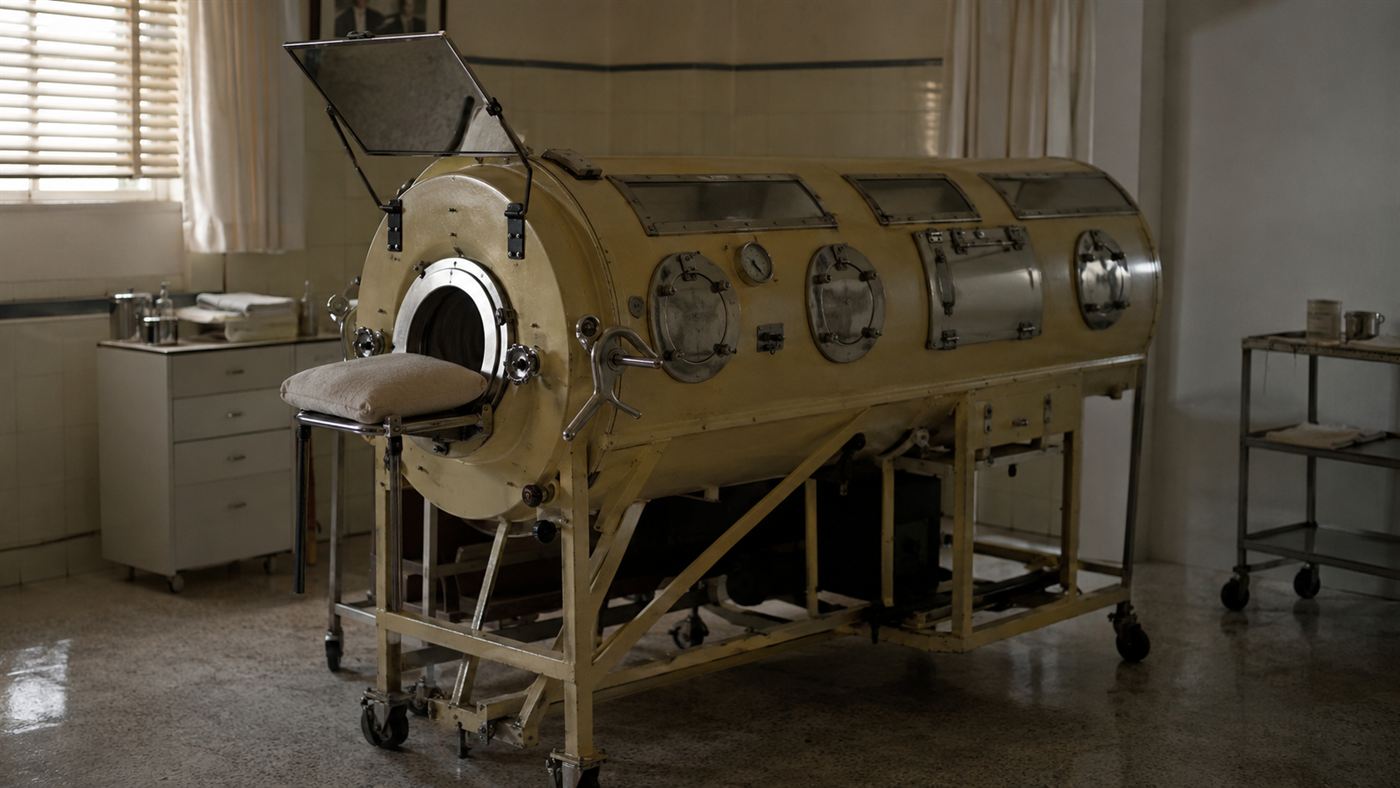
Related reading: Tu Youyou, who found a powerful malaria drug hidden in an ancient Chinese text. See also the horseshoe crab, whose blue blood keeps vaccines safe, and the iron lung, and how a vaccine ended the terror of polio.