A single whale has crossed the Pacific for decades singing at a pitch no other whale answers, the loneliest whale on Earth, yet the scientists who know it best doubt it is lonely at all
The loneliest whale in the world has never been seen, only heard. For more than thirty years its voice has drifted through the North Pacific at a frequency no other whale is supposed to use, a sound that turned a marine mystery into a global symbol of being alone. The science behind it is far stranger than the legend.
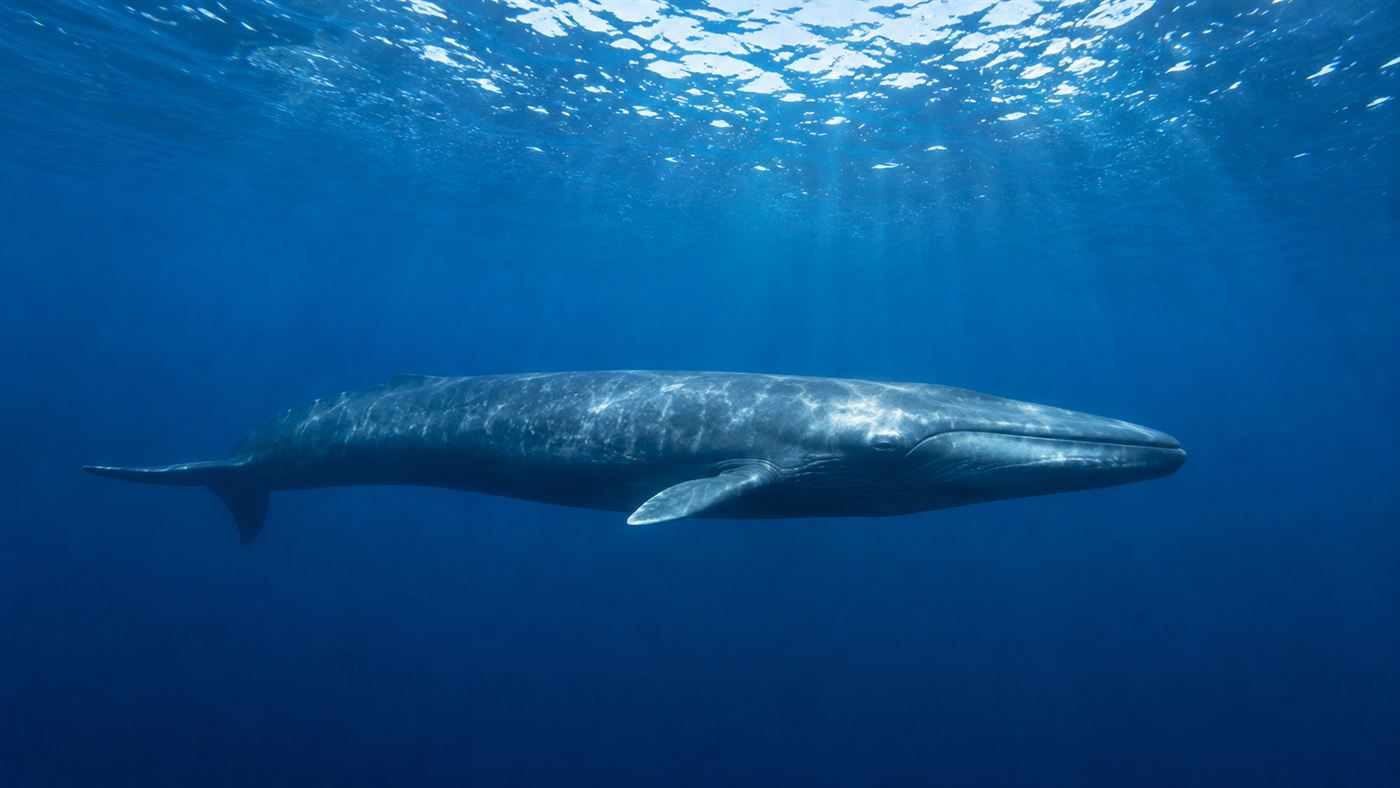
No one has ever laid eyes on the 52-hertz whale. Everything we know comes from its voice. Illustration: Watts & Wild.
The loneliest whale began as a blip in a military headset. In 1989, hydrophones run by the United States Navy picked up a strange, repeating call in the North Pacific, and over the years that followed the sound kept coming back, always at the same odd pitch. It belonged to a single animal that no boat has ever managed to photograph, an animal known to the world only as a number on a spectrogram.
That number is 52 hertz, and it is the whole story. A blue whale sings down around 10 to 39 hertz, a fin whale near 20, low booming notes of ordinary whale song that travel for hundreds of miles through cold water. This animal calls far above them, at a pitch closer to the lowest note on a tuba, which is why it picked up the name that stuck: the loneliest whale, the one singing in a language nobody else seems to speak.
The loneliest whale, better known as the 52-hertz whale, is a single animal that calls at about 52 hertz, far higher than any blue whale or fin whale. The US Navy first detected it in 1989 and scientists tracked it for years. Because no other whale appears to match its pitch, it became famous as the loneliest creature on the planet.
A Cold War ear that never stopped listening
The whale owes its discovery to a system built to hunt submarines. During the Cold War the Navy laid a secret web of underwater microphones across the seafloor called SOSUS, designed to catch the engine sounds of Soviet subs from thousands of miles away. When parts of that network were opened to civilian scientists, it turned out to be the finest pair of ears on the ocean, and it had been quietly recording whale song the entire time.
One scientist took the strange 52-hertz call and made it his life's work. William Watkins, a pioneering bioacoustics researcher at the Woods Hole Oceanographic Institution, followed the animal through the recordings for more than a decade, charting where it went and when it sang. His team tracked the call on and off from the early 1990s until 2004, building the only portrait we have of a creature made entirely of sound, work later revisited by marine biologist John Calambokidis and the team at Cascadia Research.
What the loneliest whale's song actually tells us
Watkins and his colleagues published their findings in 2004, the same year Watkins died, a quietly sad detail in a story already full of them. The data showed an animal that behaved, in most respects, like an ordinary great whale. It moved with the seasons across the North Pacific, following migration patterns close to those of blue and fin whales, healthy enough to keep crossing an ocean year after year. The only thing unusual about it was the pitch of its voice.
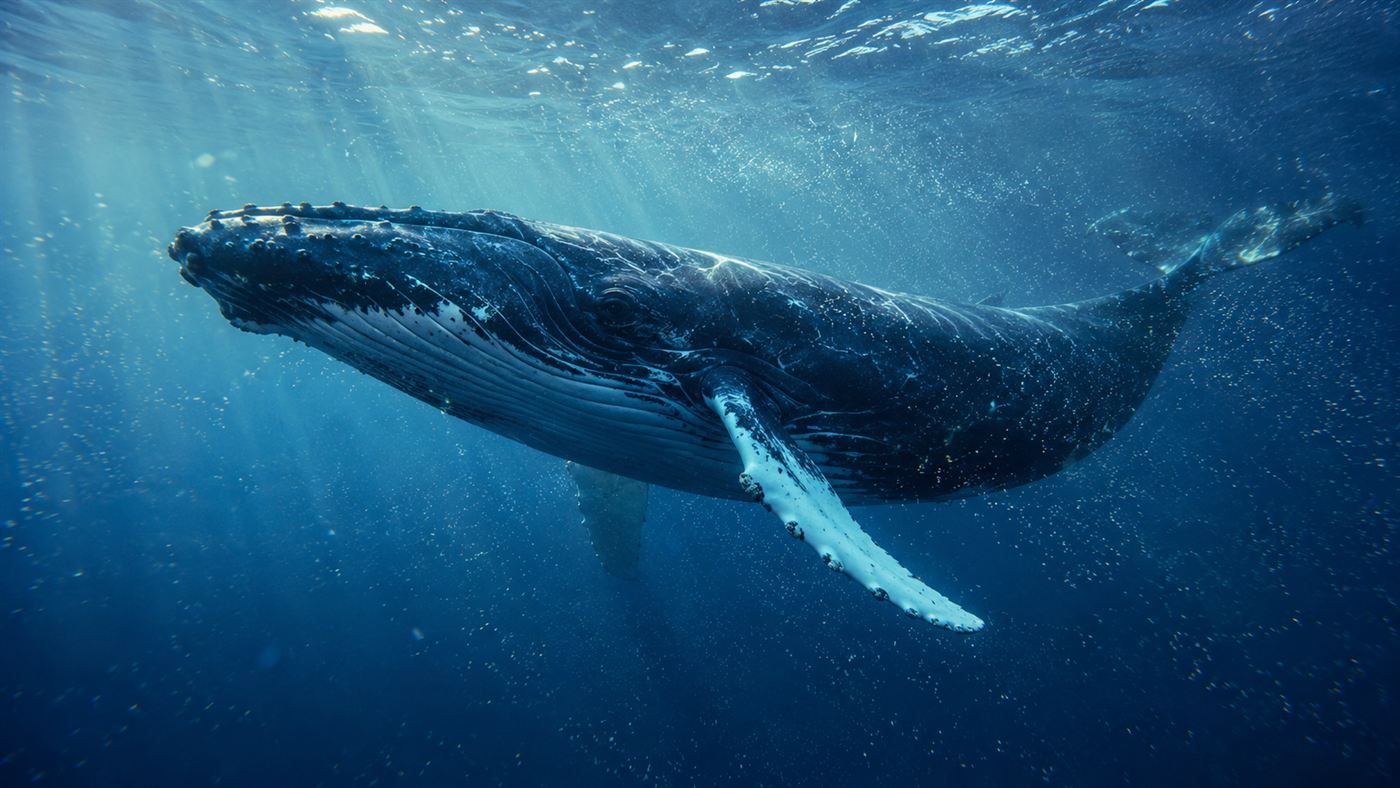
That pitch is the puzzle scientists still argue about. Its whale song is recognisably a baleen whale's, just shifted to a higher key, which is why many suspect the animal is a hybrid, the offspring of a blue whale and a fin whale, two species that do sometimes interbreed. A cross like that could inherit a body and a voice that do not quite match any single species, a one-off instrument playing a note its own kind was never tuned to. Both the blue whale and the fin whale are giants of the open sea, and a calf of the two would be a singular animal indeed.

How one whale became a symbol of human loneliness
Somewhere along the way the science slipped its leash and the legend took over. The idea of a creature singing for decades into an ocean that never answers proved irresistible, and the loneliest whale became a fixture of songs, artwork, and late-night internet rabbit holes. People who felt isolated saw themselves in it, and during the lockdown years the lonely whale found a whole new audience that understood exactly how it felt to call out and hear nothing back.
The fascination grew big enough to fund an expedition. As Scientific American chronicled, the 2021 documentary "The Loneliest Whale: The Search for 52," with Leonardo DiCaprio among its producers, sent a crew into the Pacific to try to find the animal in the flesh. They never did get a clean look at it, but the search did something more interesting than a photograph would have. It started to pull the legend apart.
The honest catch
Here is the part the sad story leaves out: the loneliest whale is probably not lonely, and almost certainly not deaf to the world. Whales hear across a wide band of frequencies, not just the narrow one they sing in, so other whales can in all likelihood hear this animal perfectly well even if its call sounds strange to them. Calling in an unusual key is not the same as shouting into silence, and a whale does not need a matching voice to be noticed.
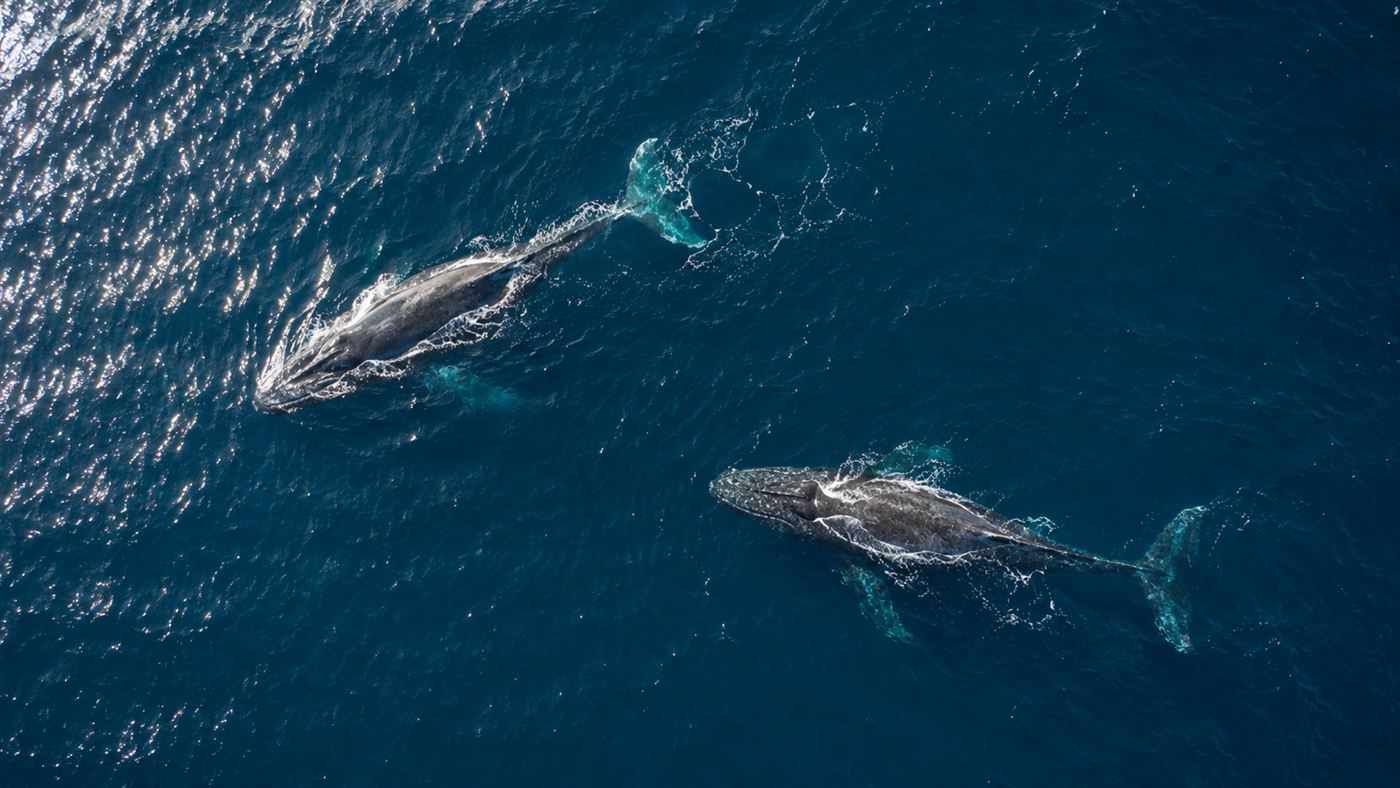
There are more cracks in the legend. The animal's pitch has actually drifted downward over the years, from about 52 hertz toward 49, exactly the kind of slow change you would expect as a whale ages and grows, and the same gradual deepening seen in blue whale calls worldwide. During the documentary's expedition, researchers recorded calls that overlapped in a way that hinted at more than one animal, and as Smithsonian magazine reported, scientists have since picked up similar calls suggesting more than one animal. The single loneliest creature on Earth may, in fact, have company.
Why a whale we have never seen still matters
Strip away the heartbreak and what remains is more remarkable than the myth. A single animal, never once photographed, has been known to science for over thirty years purely through the sound it makes, mapped across an entire ocean by a network built to listen for war. That is a triumph of patient listening, and a reminder that the sea is full of whale song and other voices we are only beginning to catch, much like the wild octopus in My Octopus Teacher that one diver spent a year getting to know.
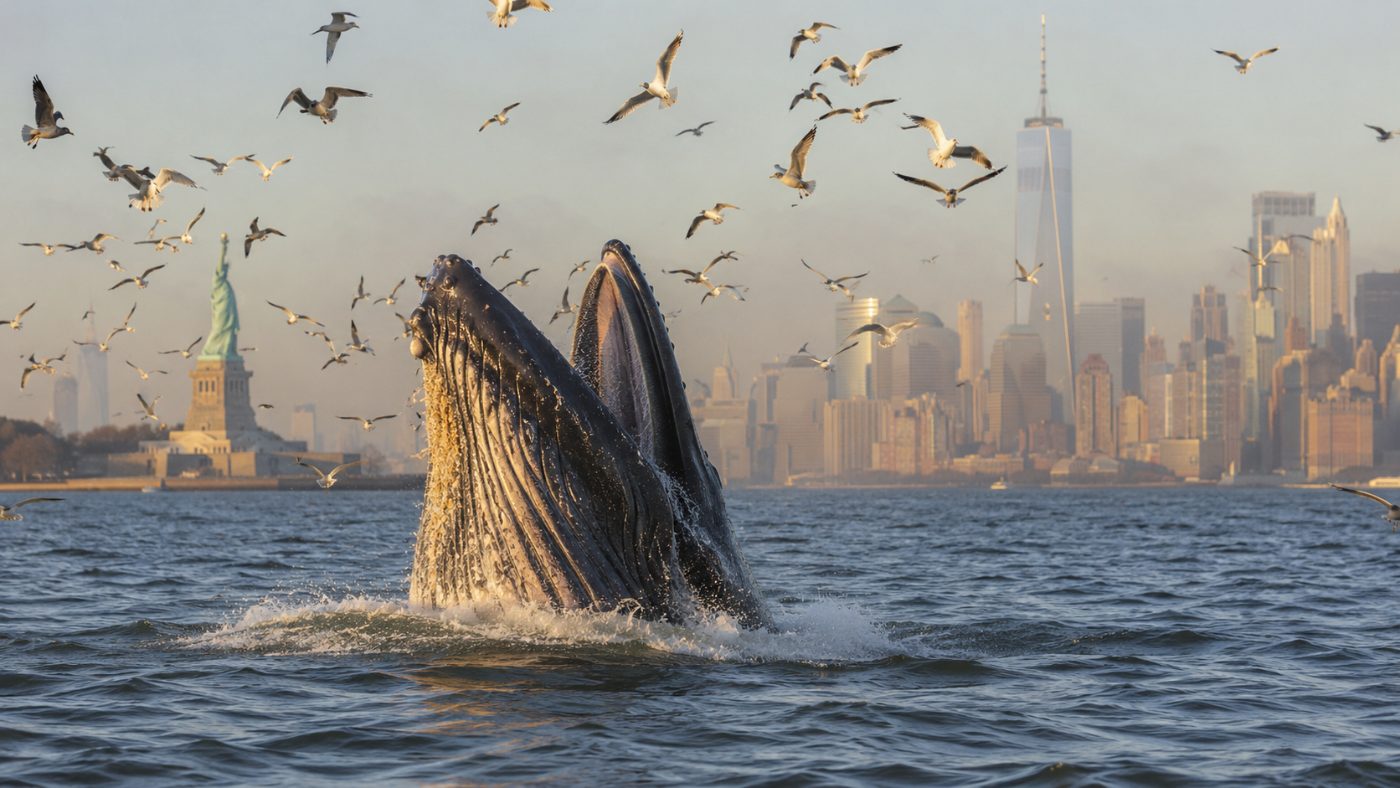
It also tells us something about ourselves. We took a healthy whale going calmly about its life, following the same currents as the humpbacks that came back to feed off New York and the great whales whose bodies move carbon through the deep, and we wrote our own loneliness onto it. The 52-hertz whale never asked to be a symbol. It was just singing, the way whales do, in the only voice it has.
A whale we have only ever heard became the most famous symbol of loneliness on the planet, and it may not have been lonely at all. Do you find that comforting or somehow sadder, that we put our feelings onto an animal just going about its life? Tell us in the comments.
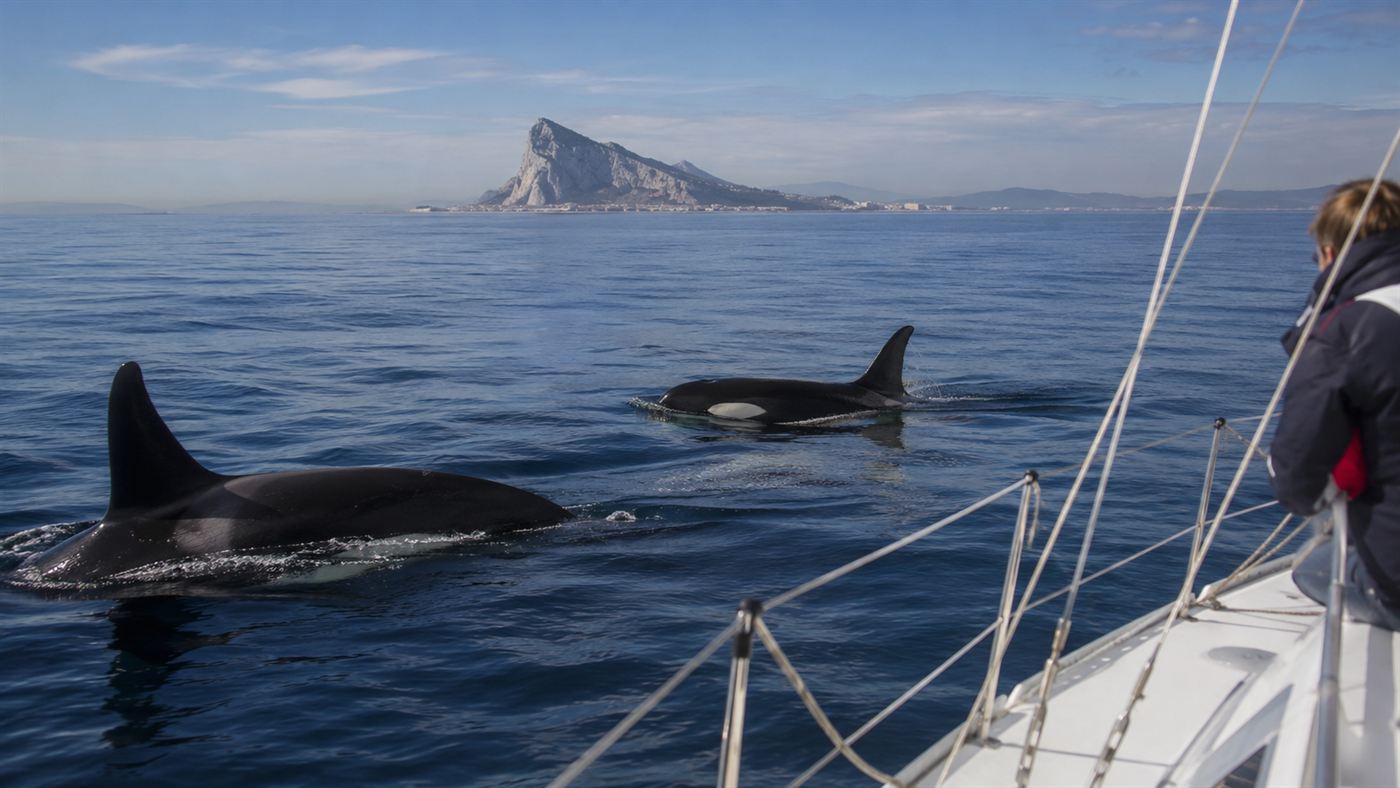
Related reading: A pod of orcas off Spain and Portugal has been ramming and sinking sailboats, and scientists are still arguing about why.