A chemist chasing a better fridge gas opened a gas cylinder that had turned into a slippery white powder by accident, and that mistake became Teflon, the atom-bomb material now coating half the pans on Earth
One of the most useful substances ever made was not designed at all. It showed up uninvited, as a handful of waxy white powder inside a gas bottle that was supposed to be empty. A young chemist could easily have thrown it away. Instead he asked why, and stumbled into a material that would touch the atom bomb, the space race and your kitchen.
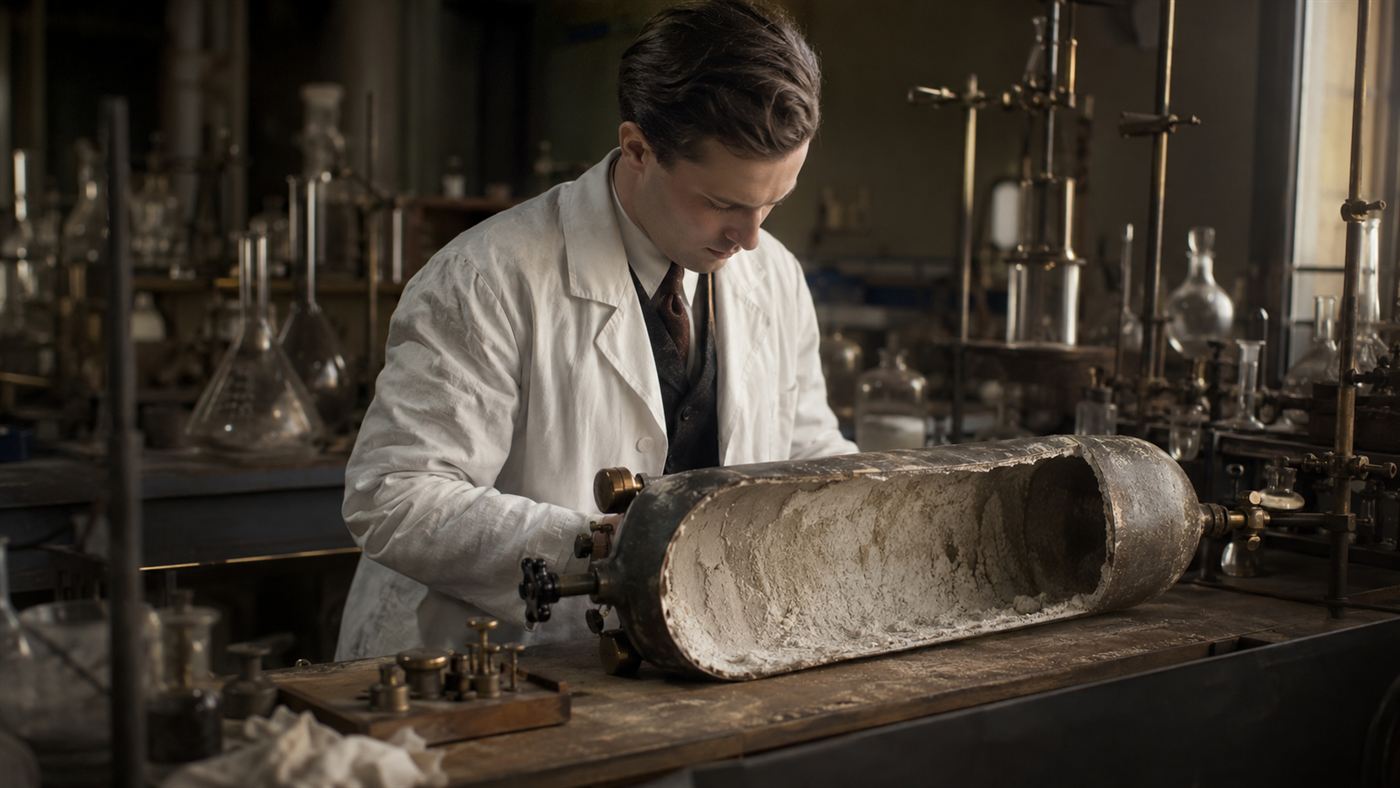
The slick coating on your pan began as an accident in a 1938 lab. Illustration: Watts & Wild.
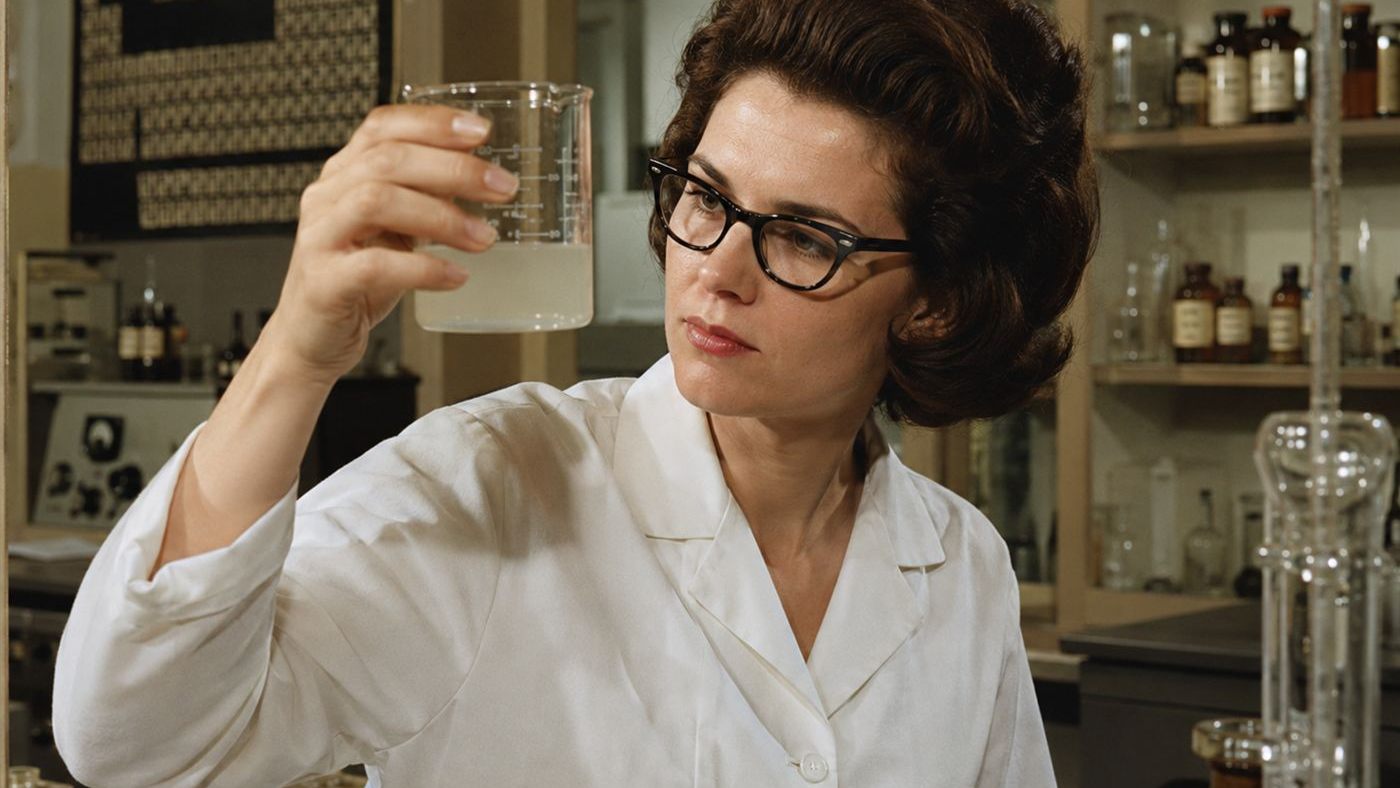
In 1938, a 27-year-old DuPont chemist named Roy Plunkett was not trying to invent a wonder material. He was working on something far more mundane, a safer gas for refrigerators, and had a batch of a gas called tetrafluoroethylene stored in pressurized cylinders. One morning he went to use a cylinder and found that no gas came out, even though it still weighed as if it were full.
Curious rather than annoyed, Plunkett sawed the cylinder open. Inside, the gas had transformed itself into a strange, slippery white solid coating the walls. That accidental powder was polytetrafluoroethylene, and DuPont would sell it under a name that has become part of the language: Teflon.
The short version: in 1938 Roy Plunkett accidentally created Teflon while chasing a better refrigerant. The material was almost frictionless and nearly indestructible, so it was used secretly in the atom bomb project, then became nonstick cookware, and decades later became infamous for the forever chemicals used to make it.
The accident that made Teflon
What Plunkett had made by chance was remarkable. The white solid was one of the slipperiest substances known, with almost nothing able to grip it. It shrugged off virtually every acid and solvent, tolerated fierce heat and cold, and simply refused to react with the world around it. In a laboratory full of aggressive chemicals, here was something that nothing could touch.
That inertness is exactly why it was so hard to know what to do with it at first. A material that nothing sticks to is also a material that is hard to glue, shape or paint. It sat as a scientific curiosity, brilliant but seemingly useless, until a war gave it the one job for which nothing else would do.
The secret material inside the atom bomb
That job was the Manhattan Project. Building an atomic bomb meant handling uranium hexafluoride, one of the most viciously corrosive substances ever weaponized, a gas that ate through ordinary seals and gaskets. The bomb makers needed something that this chemical could not destroy, and Teflon was almost the only material that qualified.
So the accidental powder went to war in total secrecy, lining the pipes and seals of the plants that enriched uranium. Most of the people cooking with it today have no idea their frying pan is coated in a Cold War secret. For years, its very existence was classified, and the public would not meet Teflon until well after the war was won.
How a war material ended up on your stove
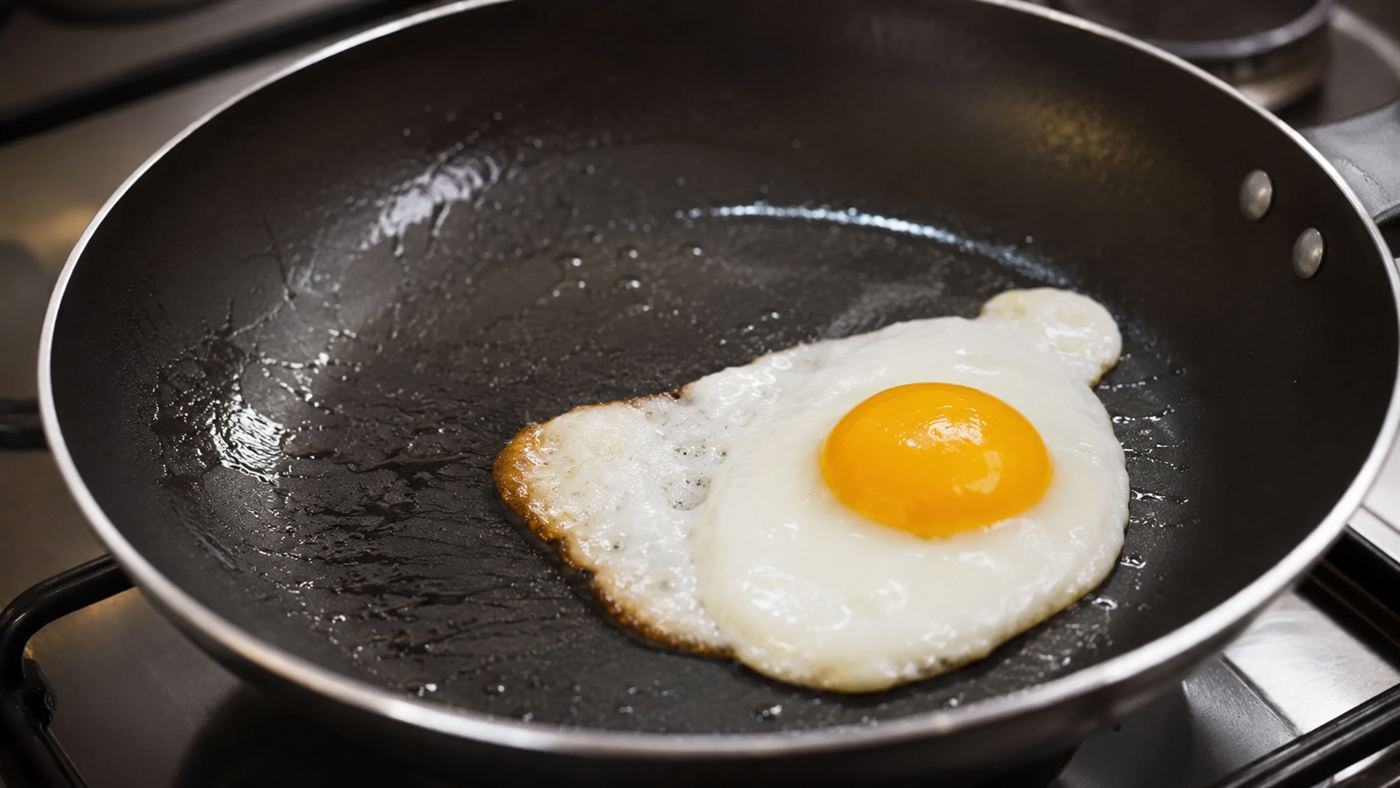
Peace turned the miracle material toward the kitchen. In the 1950s a French engineer coated a frying pan with it so food would not stick, and by the early 1960s nonstick pans were spreading across American kitchens. The same slickness that had defeated corrosive bomb gases now meant an egg could slide around a pan with barely a smear of butter.
From there it was everywhere. Teflon coated pans and pipes, wiring and machine parts, and later showed up in everything from waterproof jackets to medical implants. A substance that had begun as an unwanted lump in a discarded cylinder had quietly become one of the most widely used inventions of the century.
Was the miracle material safe all along?
This is where the shine comes off. Teflon itself is stable and inert, but for decades the process of making it relied on a helper chemical called PFOA, also known as C8. Unlike Teflon, C8 does not stay put and does not break down, one of a family of "forever chemicals" now known as PFAS that linger in water and in living bodies essentially forever.
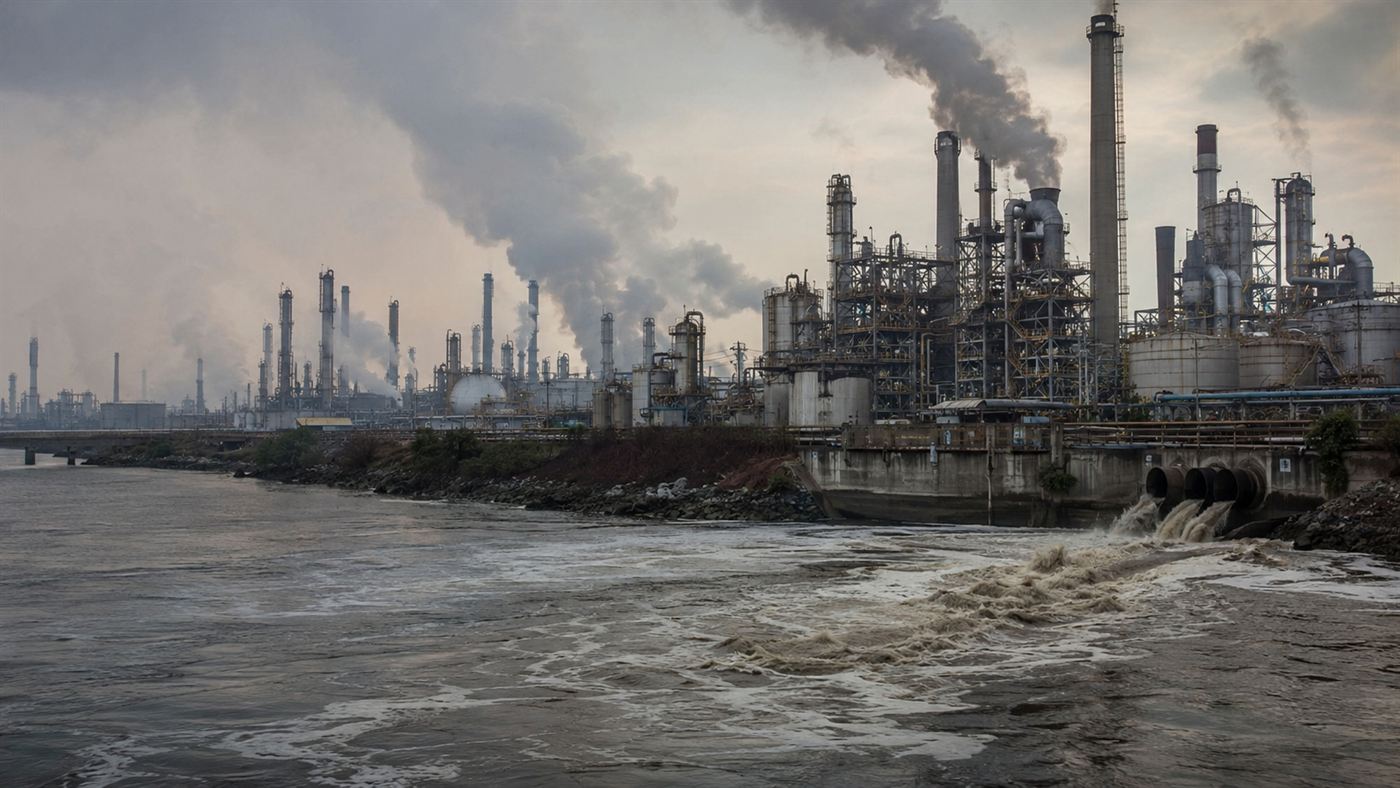
DuPont's plant near Parkersburg, West Virginia released C8 into the air and the Ohio River for years. As investigations and lawsuits later revealed, the company had internal evidence of the chemical's dangers for decades while the surrounding community drank contaminated water, and a science panel eventually linked C8 to several diseases, including two cancers.
The honest catch
It is tempting to end on the neat irony that the miracle was really a poison, but the truth needs more care. The nonstick coating sitting in your cupboard is not the villain here; solid Teflon is largely inert, and manufacturers stopped using C8 to make it years ago. The scandal was about the manufacturing chemical and the cover-up, not the pan itself.
The deeper lesson is about how we adopt wonder materials. Teflon was embraced for decades before anyone seriously asked what its making left behind, and PFAS are now found in the blood of almost every person on the planet. The accident in the cylinder gave us something genuinely useful, and a reminder that "miracle" and "harmless" are not the same word.
A discarded gas cylinder gave the world a material that helped build the bomb and then slid an egg off a pan, and left a chemical shadow we are still living with. Knowing all of it, would you keep the nonstick pan in your kitchen, or give it up? Tell us in the comments.
Related reading: Kevlar, another DuPont breakthrough a chemist almost threw away before it started stopping bullets. See also how Charles Goodyear stumbled onto vulcanized rubber and died broke. See also the sticky failure that a chemist twice threw away before it became Super Glue.