A chemist trying to build clear plastic gun sights kept making a goo that ruined everything it touched, and years later that same sticky failure became Super Glue
He was not trying to invent a glue. He was trying to make something else entirely, and the sticky mess he kept producing was such a nuisance that he threw it out, twice. Only on the second look did he see that his most annoying failure was actually one of the handiest inventions of the century.
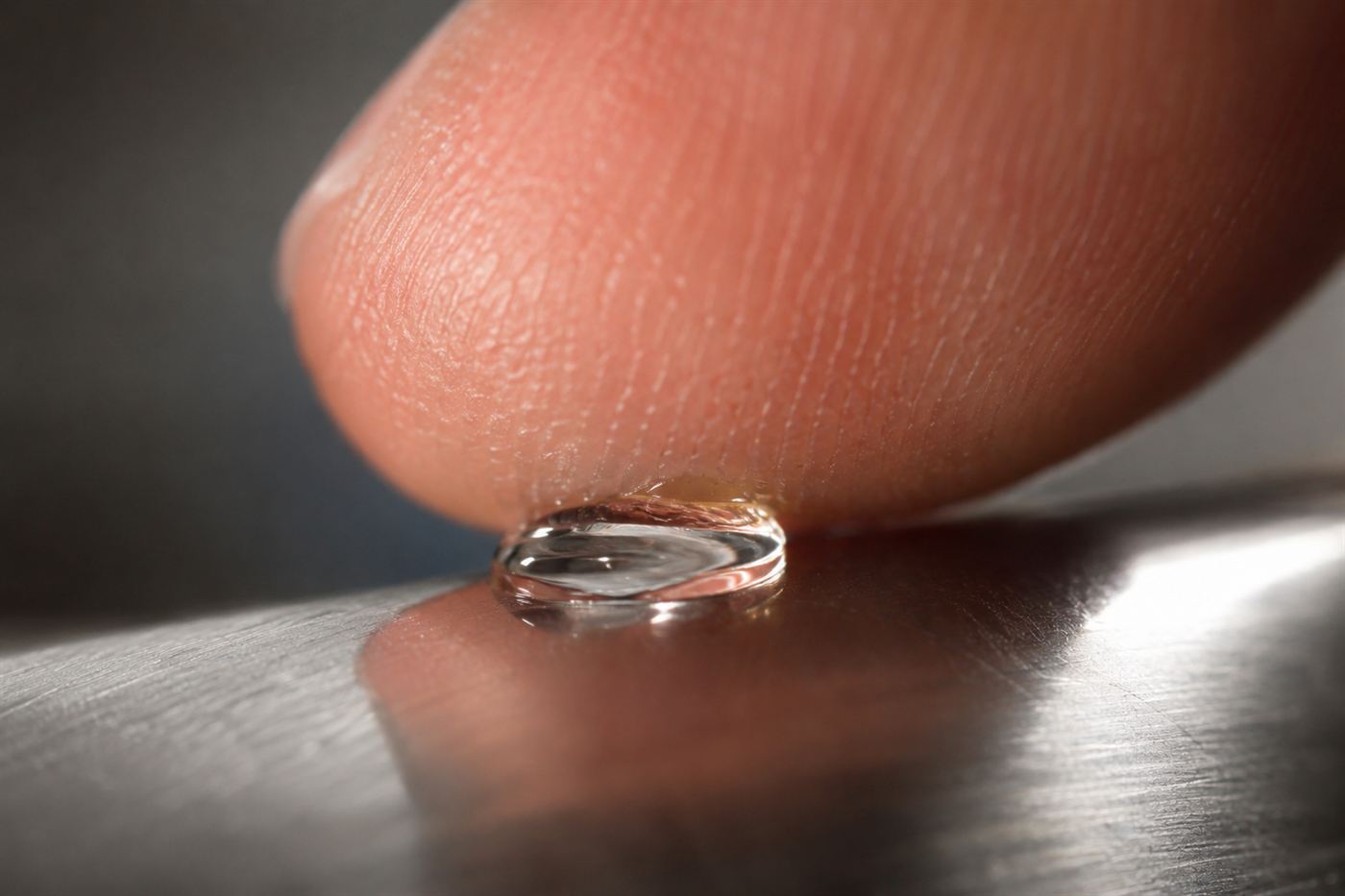
A single drop bonds almost anything in seconds, which is exactly why it was first rejected. Illustration: Watts & Wild.
During the Second World War, a chemist named Harry Coover was working at Eastman Kodak on a very specific problem: making clear plastic that could be shaped into precision gun sights for the military. Among the many compounds his team tried was a family of chemicals called cyanoacrylates, and they were a disaster for the job. They stuck to everything they touched, instantly and permanently, and were quietly set aside as useless.
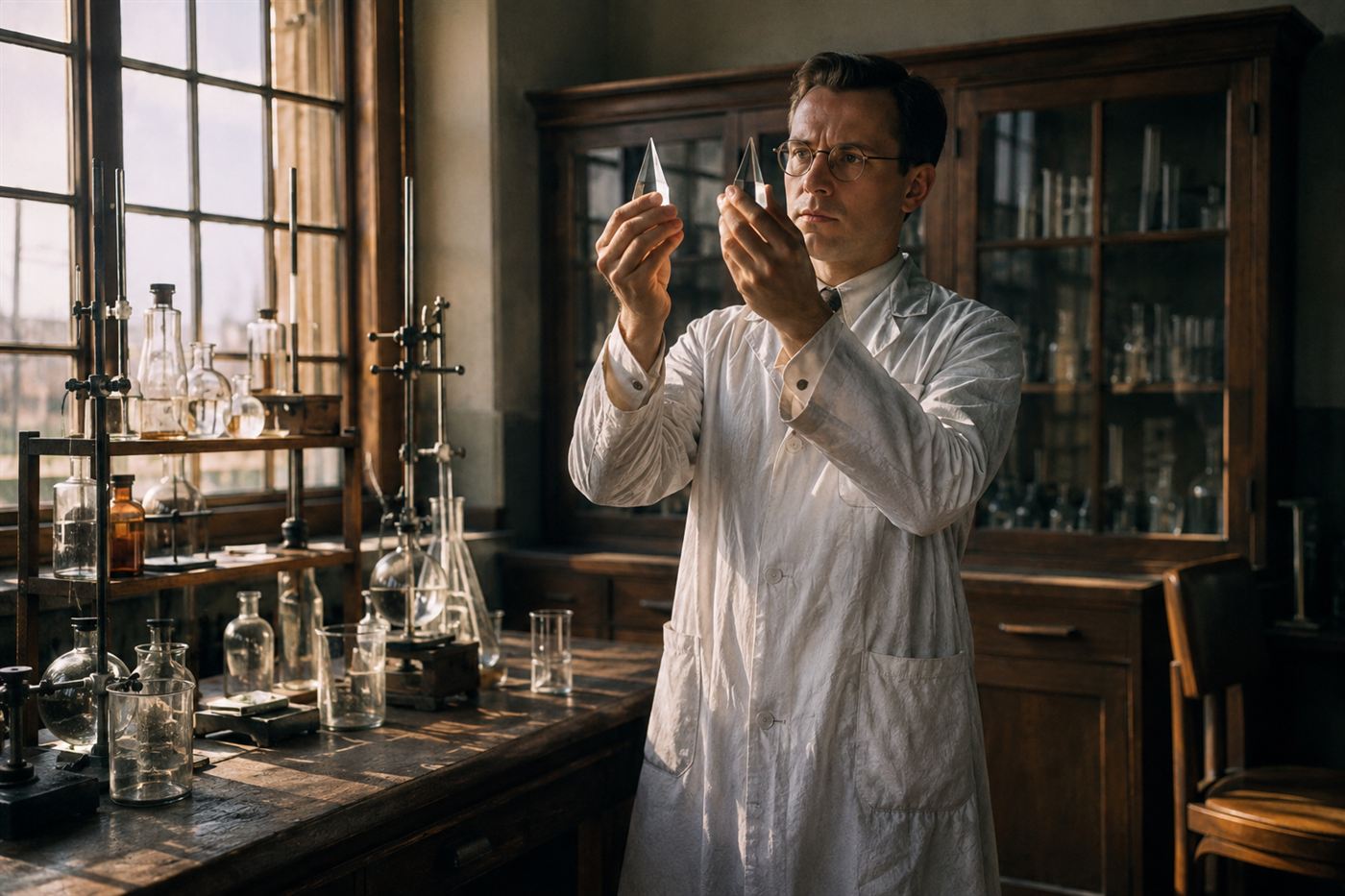
Nearly a decade later, in the early 1950s, Coover ran into the same substance again while developing heat-resistant coatings for jet cockpit canopies. This time a colleague smeared a little cyanoacrylate between the two prisms of an expensive laboratory instrument, and the prisms bonded so firmly that they were ruined.
The short version is that the second time, Coover finally understood what he was looking at. The maddening, over-sticky reject that had wrecked his experiments was a glue unlike any other, one that needed no heat and no clamping and grabbed hold in seconds. That reject became Super Glue.
The failure that stuck to everything
To understand why such a useful substance was thrown away twice, you have to picture what the chemists were actually after. Both times, they wanted a clear, tough, workable plastic, and both times the cyanoacrylate refused to behave. It would not stay put, it grabbed skin and glass and metal alike, and it set before anyone could shape it.
For the projects at hand, those were fatal flaws, and it is easy to see why the team wrote it off. The very properties that made it hopeless as a mouldable plastic, its instant grip and its refusal to let go, were exactly the properties that would later make it priceless. It was the right discovery pretending to be the wrong one.
Why Super Glue was almost thrown away
What changed everything was not the chemistry, which was the same in 1951 as in 1942, but the way Harry Coover looked at it. When the laboratory prisms fused together and were counted as a loss, he stopped seeing a ruined instrument and started seeing an instant adhesive that bonded strongly with no clamps, no heat and no fuss.
That shift in perspective was the real invention. Eastman Kodak began selling the substance in 1958, first under a plain laboratory name and soon as the household product we know. To prove how strong it was, Coover famously appeared on television and lifted his own weight off the ground while dangling from a single glued joint.
From nuisance to lifesaver
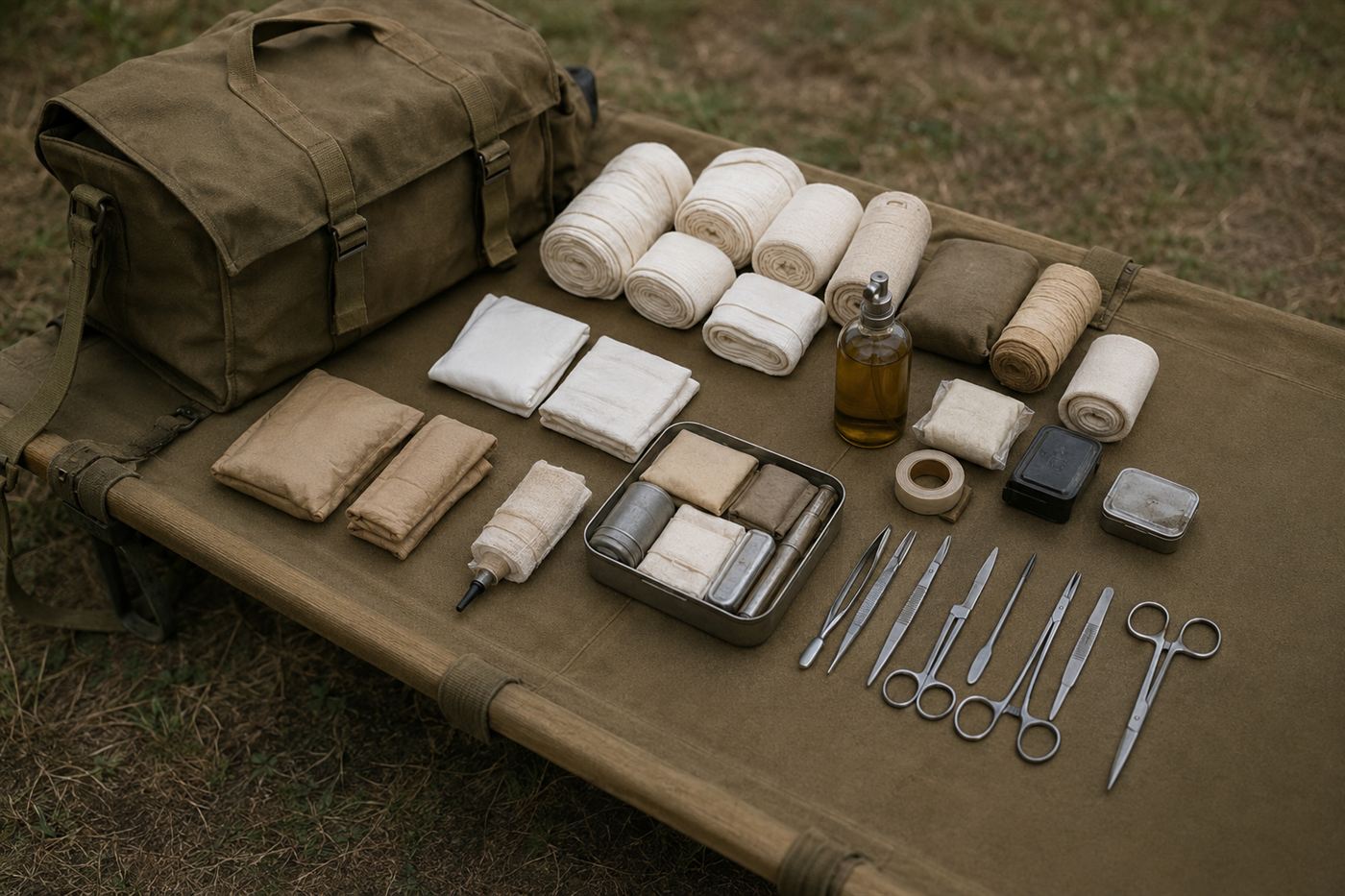
Super Glue quickly became a fixture of workshops and kitchen drawers, but its most dramatic role came on the battlefield. During the Vietnam War, medics reached for a spray form of the cyanoacrylate to seal bleeding wounds in seconds, holding torn tissue together long enough to get a wounded soldier onto a helicopter and to a hospital alive.
Coover would later say that saving lives this way was one of the achievements he was proudest of, more than the fortune the glue made. The same instant grip that had ruined his optics and stuck his fingers together turned out to be able to close a wound faster than a needle and thread, buying precious minutes when minutes were everything.
Was it really invented by accident?
Yes and no, and the difference matters. The substance itself was certainly stumbled upon, not designed; nobody set out to make an instant adhesive, and it surfaced twice as an unwelcome side effect of other work. In that narrow sense, Super Glue really was an accident.
But the story that a genius simply tripped over a miracle sells the truth short. The chemistry had sat in front of Coover for years, dismissed as junk, and the actual breakthrough was a very human act of noticing, of finally asking what the annoying stuff was good for instead of throwing it away again. The accident made the material; a change of mind made the invention.
The honest catch
A couple of details are worth keeping straight. The glue in a hardware-store tube is not the same as the medical versions used today; the early battlefield use of the industrial type could irritate tissue, and safer, purpose-made surgical adhesives were developed only later. The wartime story is real, but it was a rough field fix, not a polished medical product.
It is also fairer to Harry Coover, not less, to drop the pure-luck version of events. He did miss the discovery the first time, but he spent a long career turning odd chemistry into useful things and ended up with hundreds of patents to his name. Super Glue is a reminder that invention is often less about a lucky spark than about the patience to look at a failure twice and ask whether it was a failure at all.
A chemist threw away one of the most useful inventions of the century, not once but twice, before he stopped to ask whether his sticky failure might be a success in disguise. How many other everyday miracles are sitting in a bin somewhere, waiting for someone to look at them twice? Tell us what you think in the comments.
Related reading: the slippery accident that became non-stick Teflon. See also the melted chocolate bar that led to the microwave oven, and the falling spring that turned into the Slinky. See also the opposite glue, the weak adhesive that became the Post-it note.