A cloudy liquid that should have been thrown away became a fibre five times stronger than steel, and the woman who made it never got rich from the patent
Some of the most important materials of our age were almost lost to a moment's impatience. Kevlar, the fibre that stops bullets, began as a thin, cloudy solution that, by the usual rules of the lab, should have been poured down the drain. One chemist, Stephanie Kwolek, insisted on testing it anyway.
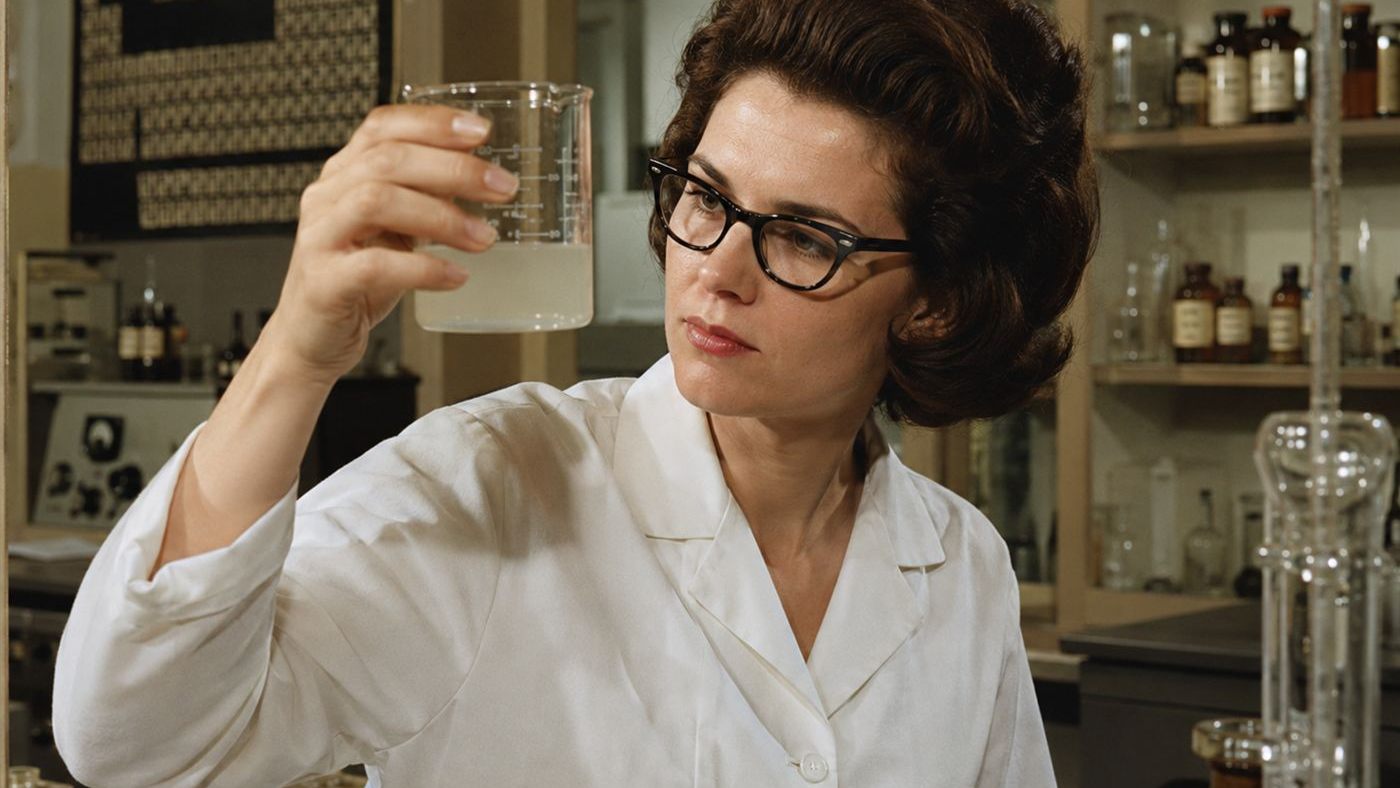
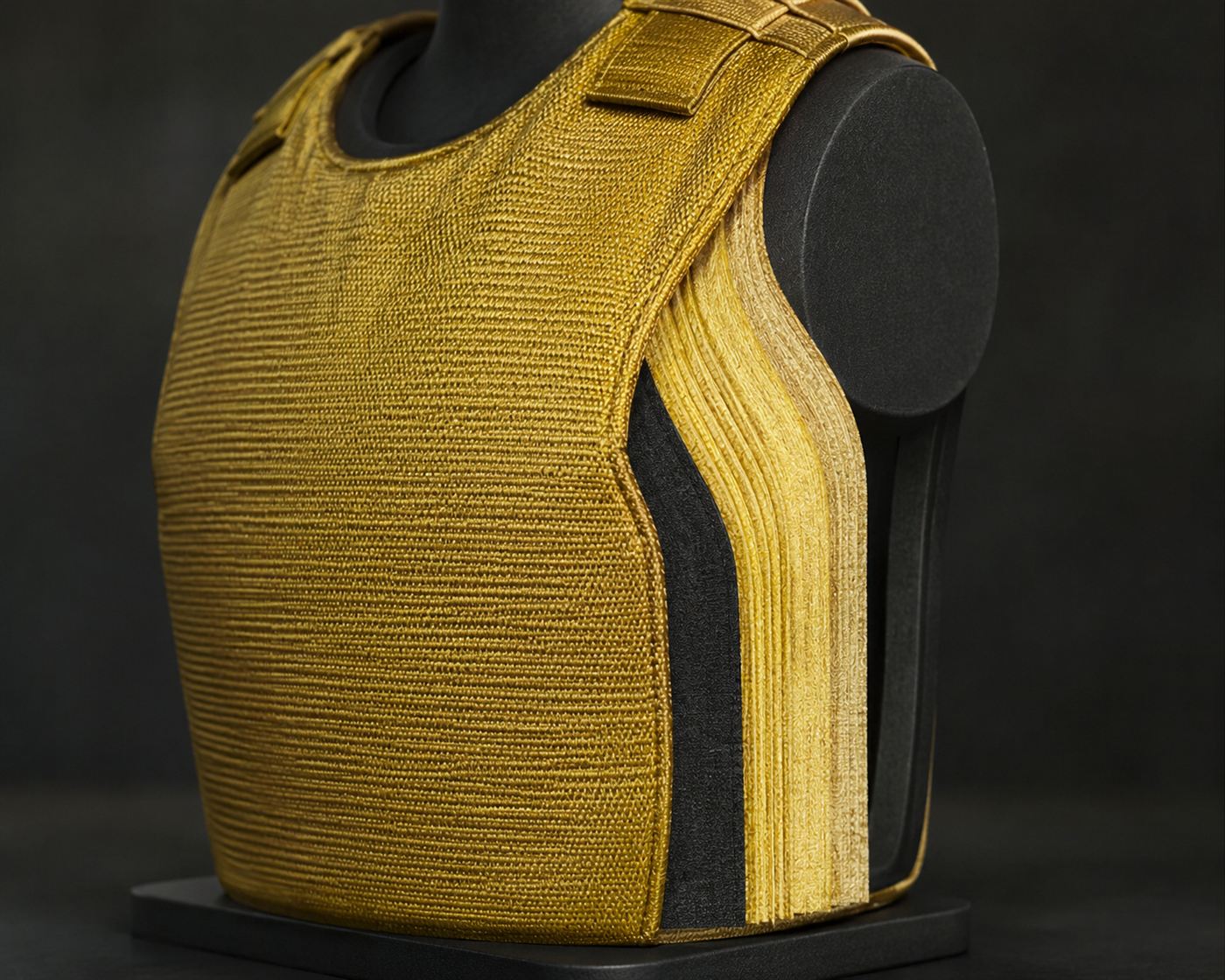
A cloudy solution others would have discarded became Kevlar. Illustration: Watts & Wild.
In the early 1960s, Stephanie Kwolek was one of very few women working in the polymer research labs at the chemical giant DuPont. The task in front of her was practical, not glamorous: with fuel shortages looming, the company wanted a new fibre that was strong and light enough to make better tyres. Kwolek spent her days mixing and testing experimental polymers, looking for one that might spin into something useful.
In 1965 she made a batch that did not behave like the others, and that small difference turned out to matter enormously.
How Kevlar was almost thrown away
The solution she produced was wrong in every obvious way. As the Science History Institute recounts, the liquid was thin and cloudy, where a good polymer solution was usually clear and syrupy, and a cloudy batch like that was the kind of thing chemists routinely discarded as a failure. By the normal habits of the lab, it should have gone straight in the waste.
Kwolek did not throw it out. She wanted to spin it into a fibre to see what it would do, but the technician who ran the spinning machine refused at first, worried the strange cloudy liquid would clog or damage his equipment. She persuaded him to try. When the fibre came out, it was extraordinary, so stiff and strong it seemed almost impossible, and it did not snap the way a failed fibre should. She had everyone test it again because she could hardly believe the numbers.
Five times stronger than steel
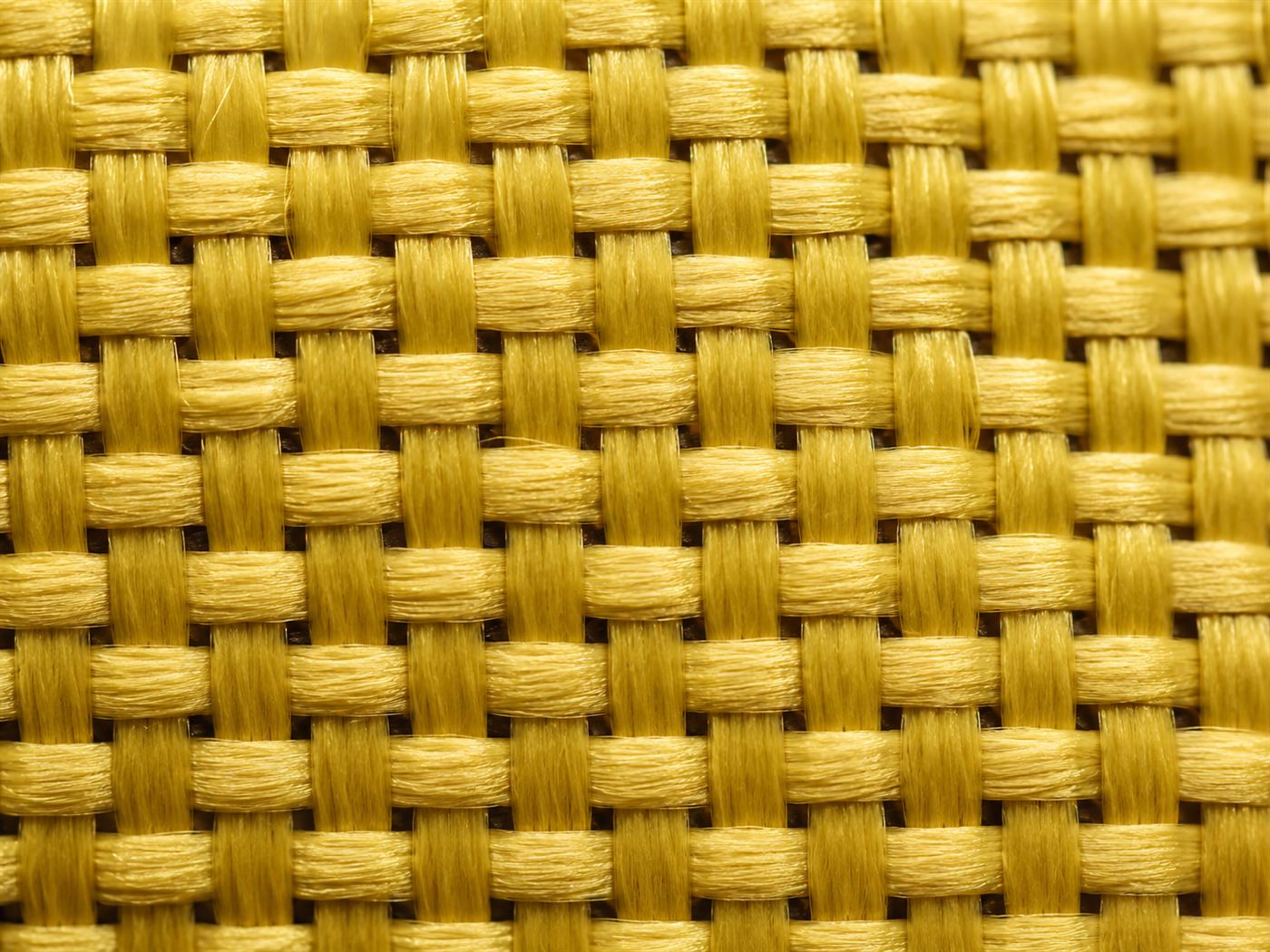
The numbers were real. As the American Chemical Society notes, the new fibre was five times stronger than steel by weight, while being light and flexible enough to weave into cloth. The secret, worked out later, was that her cloudy solution was a special "liquid crystal" state, in which the long polymer molecules lined up neatly like logs in a river, so that when it was spun they locked into an exceptionally strong, ordered fibre.
DuPont saw what it had and spent years turning Kwolek's discovery into a product, the material we now know as Kevlar. It reached the market in the 1970s and spread into hundreds of uses, but one above all made it famous and saved lives directly: body armour. Woven into a vest, Kevlar can catch and spread the energy of a bullet, and it has since protected countless police officers and soldiers who would otherwise have died.
Who invented Kevlar, and what she got for it
The human side of the story has a sting. As the Smithsonian's Lemelson Center describes, Kwolek was credited as the inventor and held the key patent, but it belonged to DuPont, so she never personally grew rich from a material that became a multi-billion-dollar business. That was, and is, standard for company scientists, but it lands hard when the invention is this important and this widely used.
Kwolek seemed to make peace with it. She stayed at DuPont, kept working, won major honours including the National Medal of Technology and a place in the inventors' hall of fame, and spent a great deal of her later energy encouraging young people, especially girls, to go into science. She tended to talk less about the money and more about the satisfaction of having made something that saved lives.
The honest catch
A few details keep the story accurate. Kwolek made the crucial discovery, but turning a remarkable fibre into reliable, manufacturable Kevlar took a large DuPont team and years of further work, so she was the spark rather than the entire fire. And the famous line, five times stronger than steel, is specifically by weight, a strength-to-weight comparison; Kevlar is not simply better than steel in every respect, and it has weaknesses, such as degrading in sunlight and not loving moisture.
It is also worth remembering that she was not trying to stop bullets at all. She was looking for a better tyre cord, and the life-saving body armour was a later application that grew out of the material's properties. That is how a lot of science works: the world-changing use is often not the one anyone set out to find.
Why a near-miss discovery still matters
The lesson of Kevlar is partly about the material and partly about the mindset. The fibre is genuinely one of the great inventions of the century, but the moment that decides the story is smaller and more human: a scientist looking at an ugly, cloudy failure and choosing curiosity over the easy assumption that it was junk.
How many breakthroughs have we lost because the cloudy beaker did go down the drain? Does Kwolek's story change how you think about the difference between a failure and a discovery? Tell us in the comments.
Related reading: Roman concrete has lasted 2,000 years, and scientists only recently worked out the self-healing trick hidden in it. See also Teflon, another DuPont material born by accident, with a far darker legacy.