The last Tasmanian tiger died in 1936, and a 10-billion-dollar company now says it can bring the species back, sort of
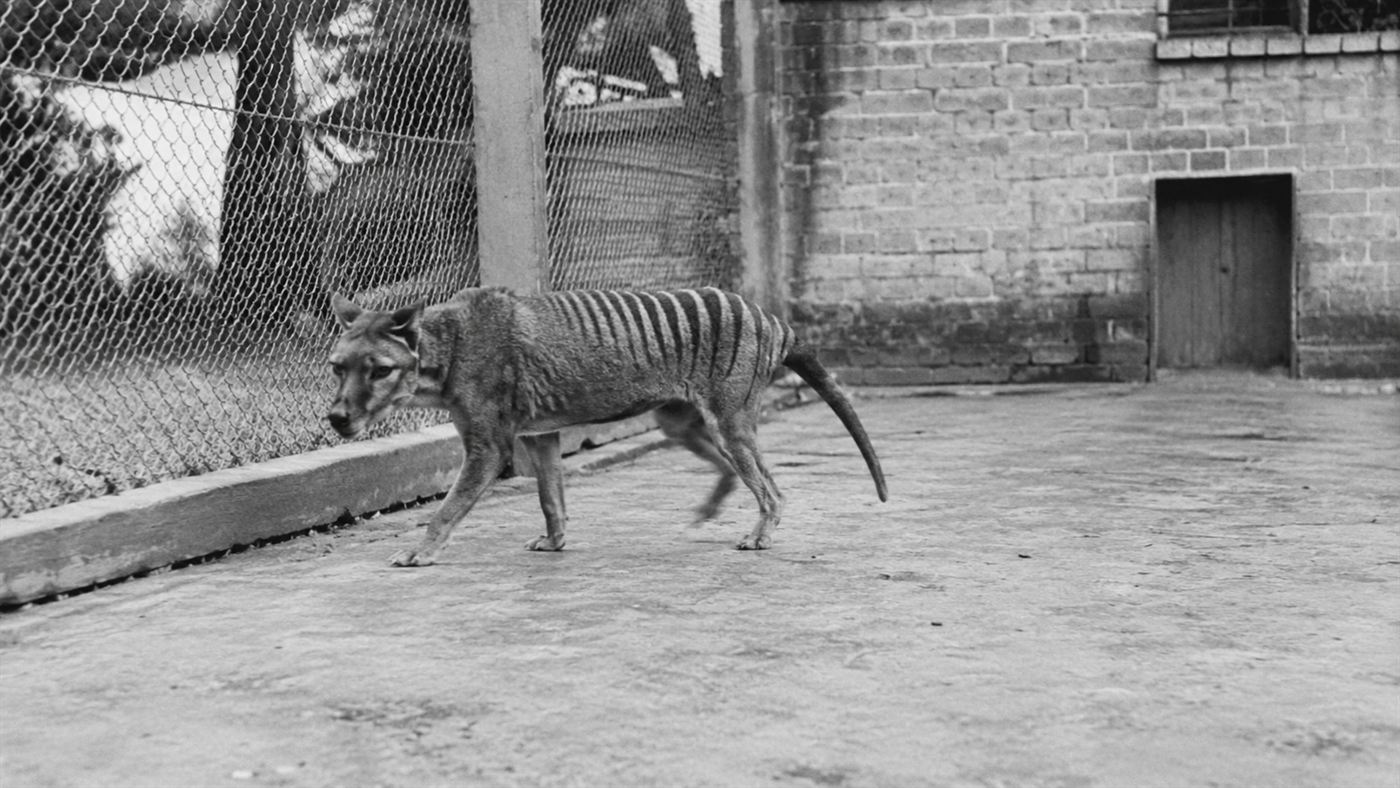
It is one of the saddest images in conservation: a lone, striped marsupial pacing a bare zoo cage in grainy old film, the very last of its kind. The Tasmanian tiger was hunted out of existence almost a century ago. Now a biotech company worth ten billion dollars says it can undo that, and the claim is as dazzling as it is uncomfortable.
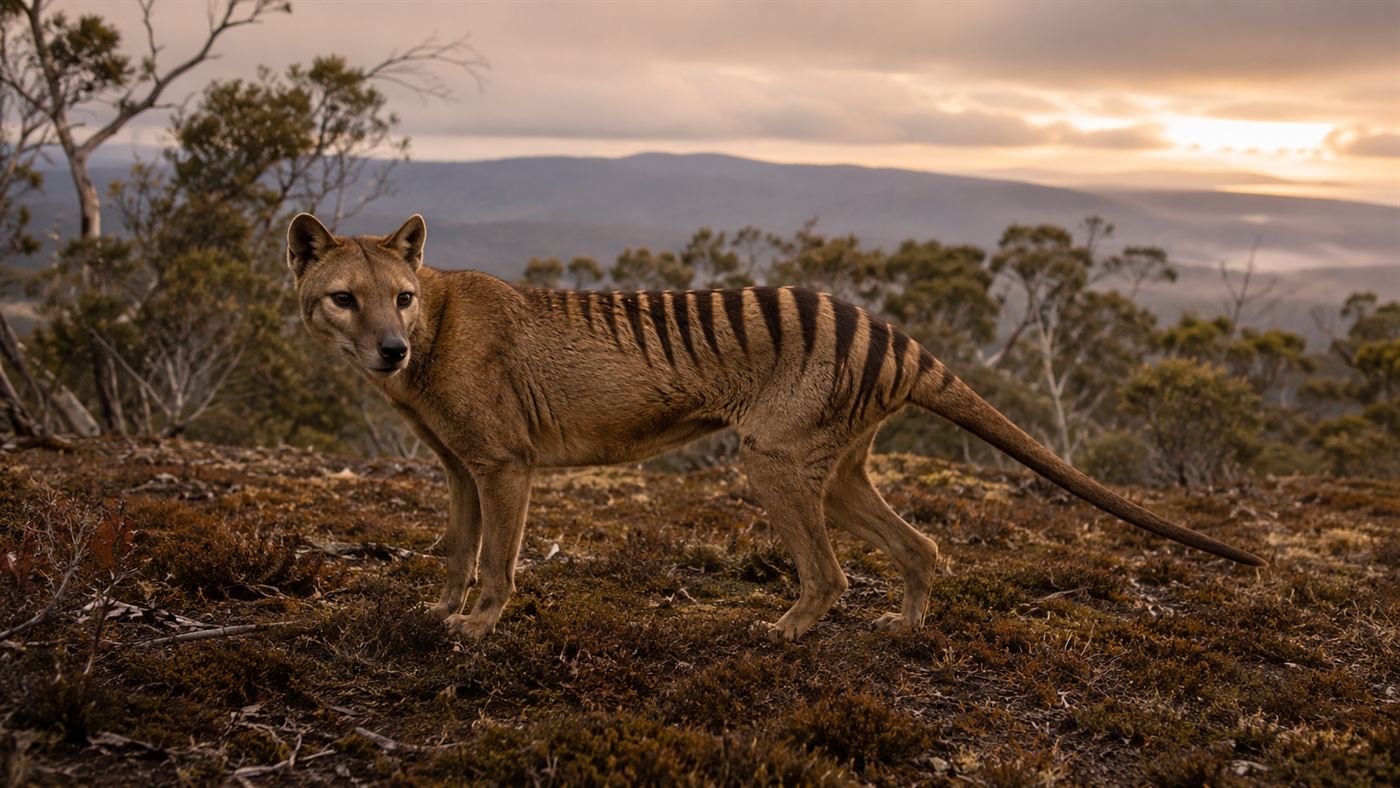
The thylacine, or Tasmanian tiger, a striped marsupial hunted to extinction by 1936. Illustration: Watts & Wild.
The thylacine, to give it its proper name, was not a tiger at all but a marsupial, a pouched mammal more closely related to a kangaroo than to a cat. It looked uncannily like a sandy-coloured dog with a stiff tail and a set of dark stripes across its lower back, and it once roamed Tasmania as the island's top predator. Then European settlers arrived, blamed it for killing sheep, and put a bounty on its head.
The campaign worked, in the worst way. Trapped, shot and poisoned in their thousands, and hit by disease and habitat loss, the thylacines dwindled until only zoo animals were left. The last one, a male later nicknamed Benjamin, died in Hobart on 7 September 1936, just weeks after the species was belatedly granted legal protection. Humans had wiped out an entire branch of the tree of life, and filmed the final survivor doing laps of his enclosure.
How you would rebuild a Tasmanian tiger
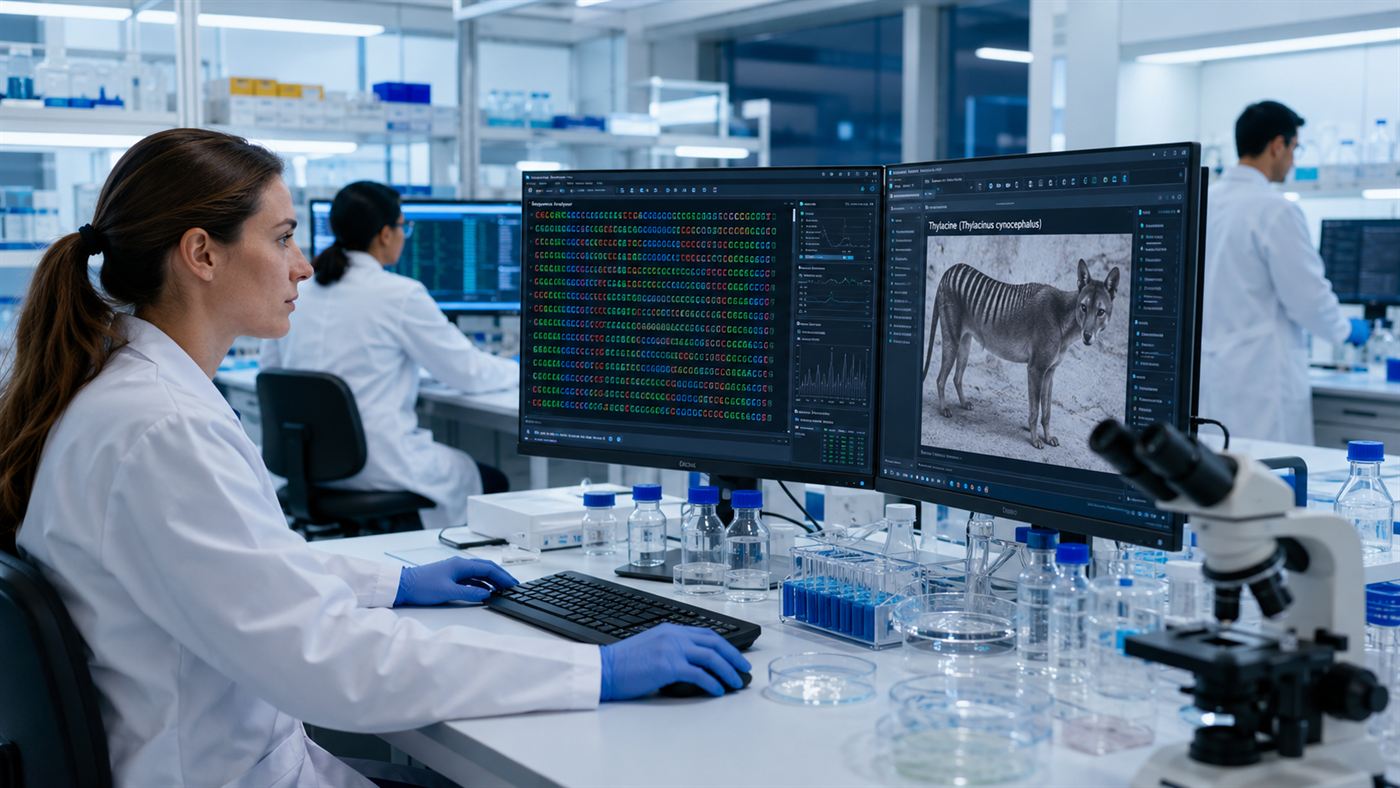
The company trying to change that ending is Colossal Biosciences, the same outfit chasing the woolly mammoth and the dodo. You cannot clone an animal that died ninety years ago, because there is no living cell to copy. So the plan is more roundabout: take the thylacine's closest living relative, a mouse-sized marsupial called the fat-tailed dunnart, and rewrite its DNA, edit by edit, until it reads like a thylacine's.
The progress has been genuinely striking. As CBS News has reported, the team rebuilt the thylacine's genome to better than 99.9 percent and made hundreds of precise edits to a dunnart cell, which it calls the most heavily edited animal cell ever made. It has also built a prototype artificial womb to grow marsupial embryos, since the eventual joey would need somewhere to develop, and even engineered in resistance to the toxin of the cane toad, an invasive pest that would otherwise poison any revived predator.
Why a 1936 extinction is suddenly big business
De-extinction has become a serious industry. As The Harvard Crimson has reported, Colossal raised hundreds of millions of dollars and reached a valuation of more than ten billion, making it one of the most valuable private companies in America, and it has set up a dedicated lab in Australia to push the thylacine work forward. The scientists talk, optimistically, about animals walking in the wild within a decade.
Part of the appeal is the symbolism. The thylacine is the poster child for human-caused extinction, and the idea of pressing rewind on that loss is irresistible to donors and headline writers alike. Part of it is the technology itself, because the tools being built to revive a marsupial, genome editing and artificial wombs, have obvious uses far beyond one extinct predator.
Can the Tasmanian tiger really be brought back?
Honestly, no, not in the way the word "back" suggests. Even if everything works, the animal that results will be a dunnart whose genome has been heavily edited to mimic a thylacine, a very close copy made from a different creature, not the original species reawakened. It might look the part and fill a similar role in the ecosystem, but it would be something new wearing an old shape, not a thylacine raised from the dead.
The honest catch
This is where a healthy dose of scepticism belongs. When the same company recently unveiled what it billed as resurrected dire wolves, biologists pointed out they were really grey wolves with a handful of edited genes, and the "de-extinction" label was generous at best. The thylacine project deserves the same caution: brilliant science, big promises, and an end product that will not truly be the lost animal. There is a deeper worry too. Every dollar and headline spent on bringing back a species we already destroyed is attention not spent on the many living species sliding toward the same fate right now, ones that could still be saved for far less. The thylacine's story is a real tragedy and the technology is real progress. Whether resurrecting a ghost is the best use of either is a question worth asking before the first edited joey ever opens its eyes.
We hunted the Tasmanian tiger to nothing, and now we are spending billions to build something that looks like it. Is reviving the thylacine a moral repair or an expensive distraction from saving the animals we still have? Tell us what you think in the comments.
Related reading: The same company's "dire wolves" show why the word de-extinction needs a hard second look.