A machine longer than a city block just started chewing a tunnel deep beneath Sydney Harbour
In June 2026, an enormous steel drill named Patyegarang began grinding its way under one of the world's most famous stretches of water. It is a tunnel boring machine as wide as a five-storey building is tall, among the largest ever put together beneath the earth in the southern hemisphere, and it will spend months eating rock a few metres at a time.
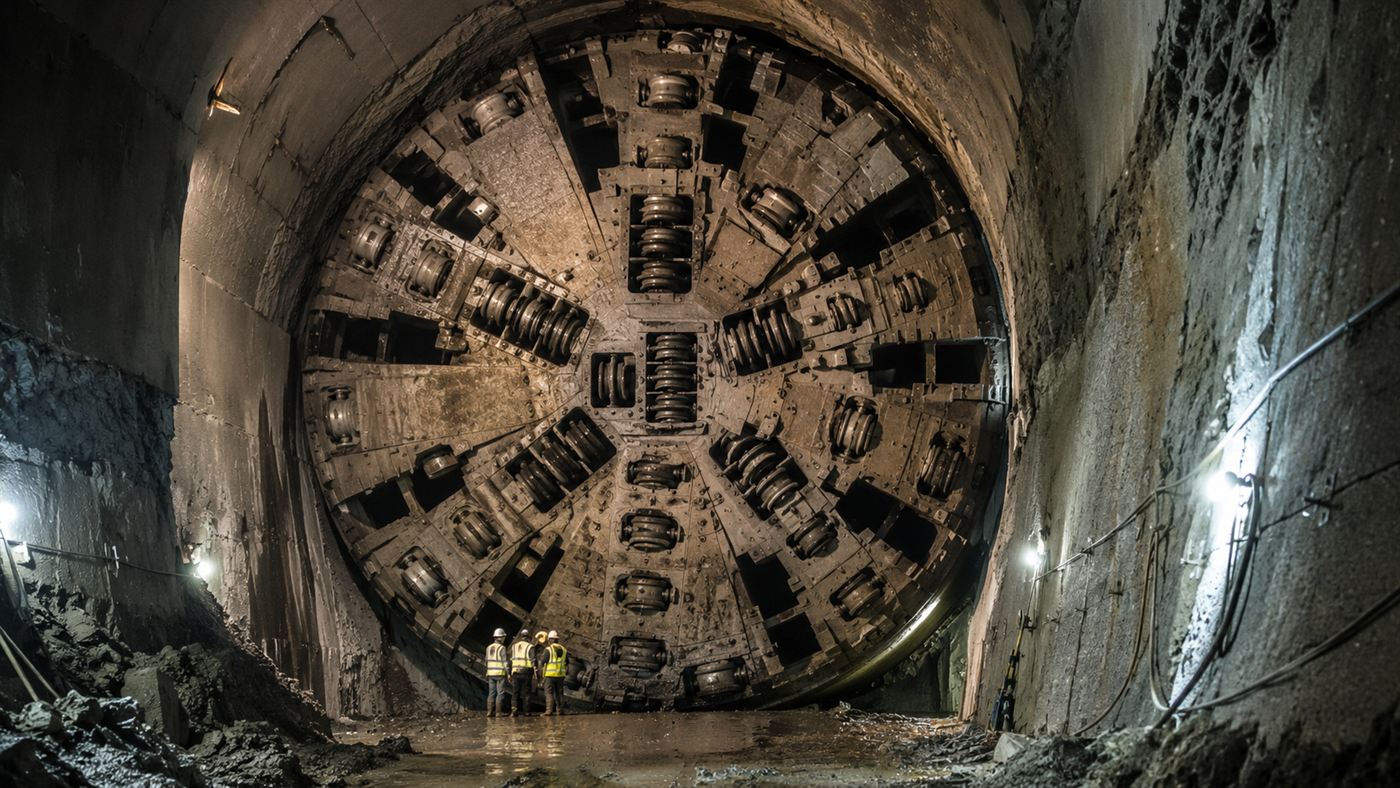
The spinning cutterhead of a tunnel boring machine is wider than a five-storey building is tall. Illustration: Watts & Wild.
The machine started its journey 44.7 metres below Birchgrove Oval, a suburban sports field, and is boring toward Waverton on the far side of the harbour, running as deep as 50 metres below the waterline. It is the first of two, followed shortly by a near-identical sibling named Barangaroo, and together they will carve the final and hardest stretch of excavation on Sydney's Western Harbour Tunnel.
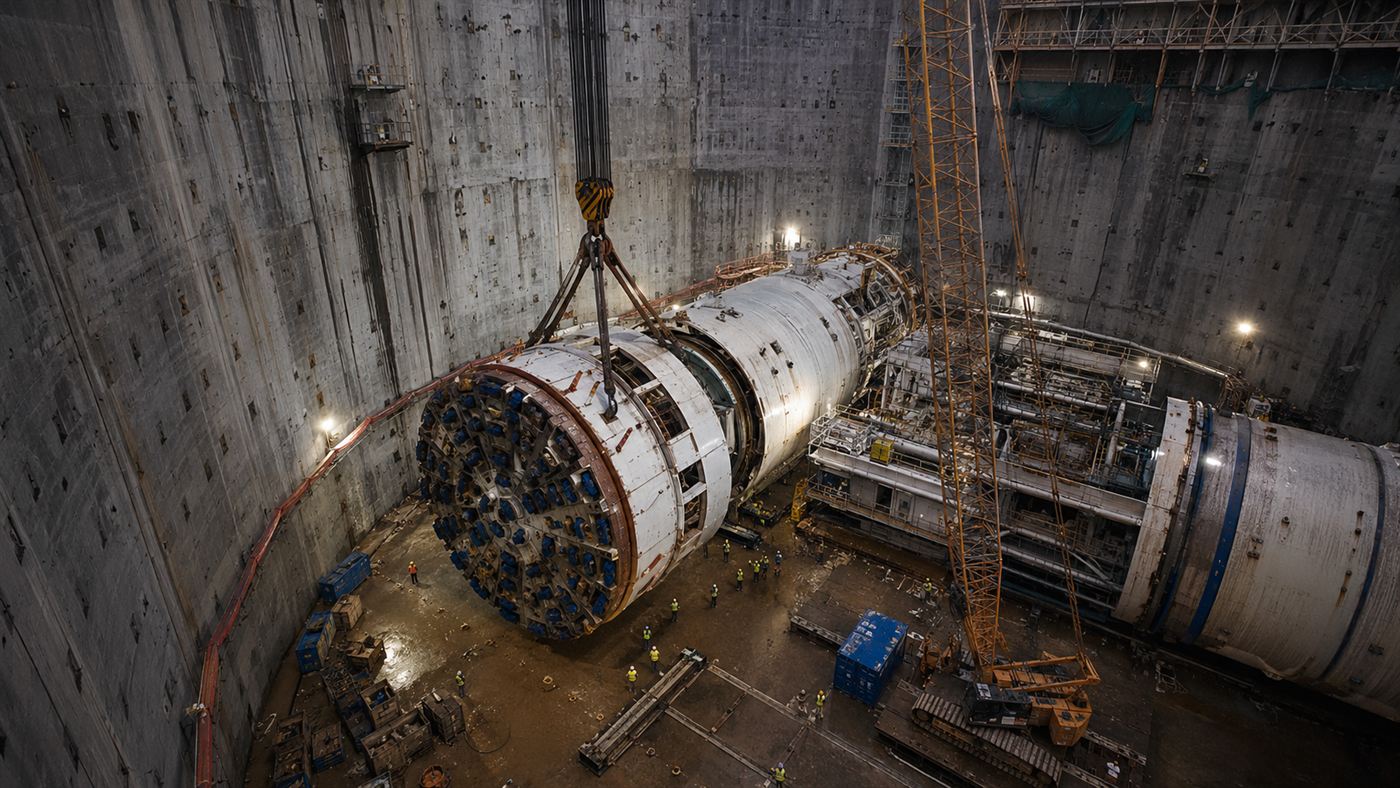
The numbers alone are startling. The cutting face is 15.7 metres across, the whole machine weighs about 4,350 tonnes, and it drags behind it a train of equipment including a world-first underground slurry treatment plant more than 100 metres long. This is not really a drill so much as a mobile factory grinding through rock and mud, building the tunnel as it goes.
The short version is that one of the biggest digging machines ever assembled below ground is now inching under a harbour that millions of people cross every day, and almost none of them will feel a thing.
What a tunnel boring machine actually does
A tunnel boring machine, or TBM, is a marvel of doing several jobs at once. Its front is a giant rotating disc studded with cutting tools that grind away the rock and soil. Behind that face, the loosened material from the excavation is pumped or conveyed backward and out, while further back still, curved concrete segments are lifted into place to line the walls, so a finished tunnel emerges from the tail even as the head keeps chewing forward.
The pace is deceptively gentle. A machine like this typically advances only tens of metres a day, chewing forward barely faster than the minute hand of a clock. But it never really stops, working around the clock in shifts, and that patient, relentless creep is how humans now thread roads and railways through mountains and under seas that would once have been impassable.
The machine that bends to follow a curve
What sets these machines apart is not just their size but their agility. The route beneath the harbour is not a straight shot; it winds in a long, shallow S. To follow it, Patyegarang is articulated, meaning it can bend at the waist to follow the curve, steering through a turn rather than only boring dead ahead as older machines did.
That flexibility matters because it lets engineers thread a tunnel around obstacles, other tunnels, weak ground, sensitive buildings, instead of demanding a perfectly straight path. A steel body longer than a city block that can nonetheless ease around a bend is a quietly remarkable piece of engineering, and it is what makes a route this complex possible at all.
Why dig under the harbour at all?
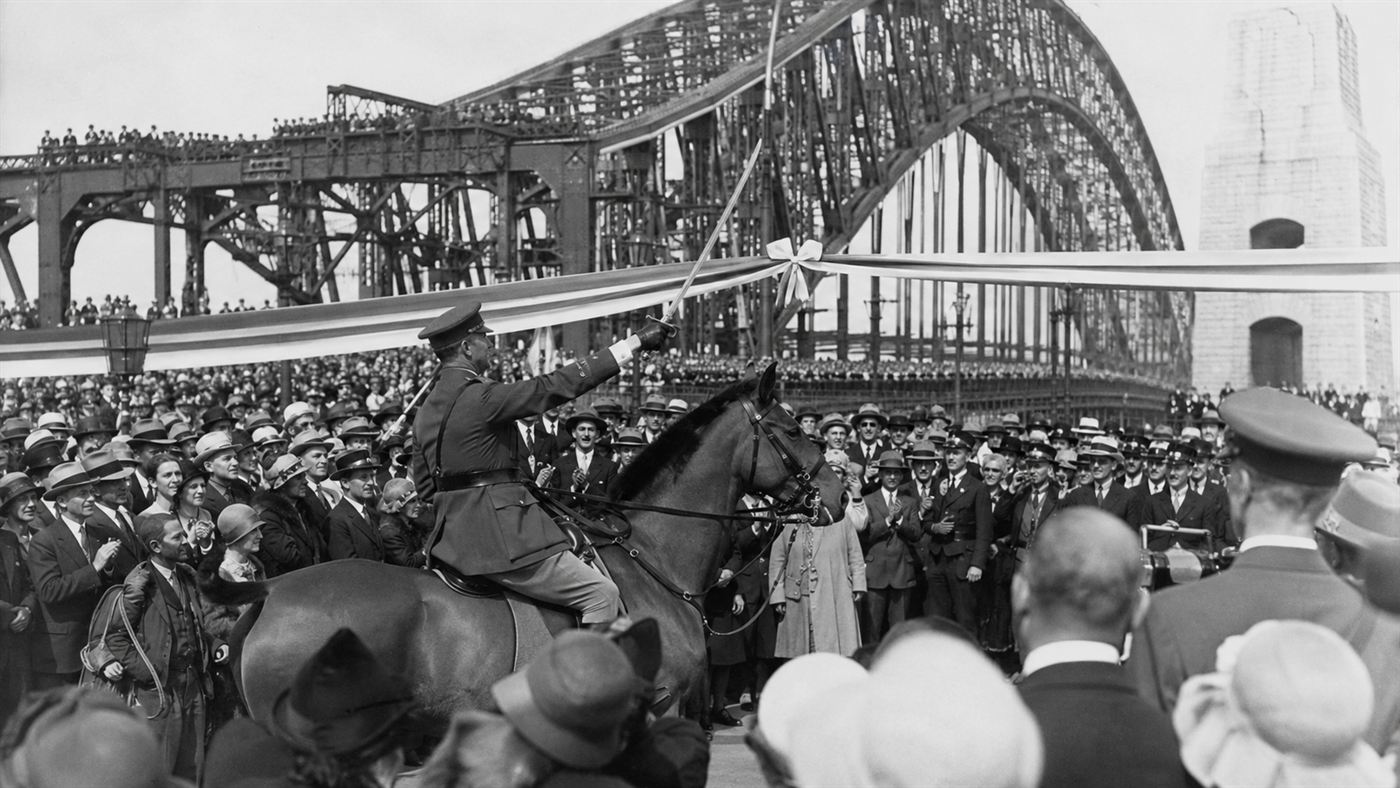
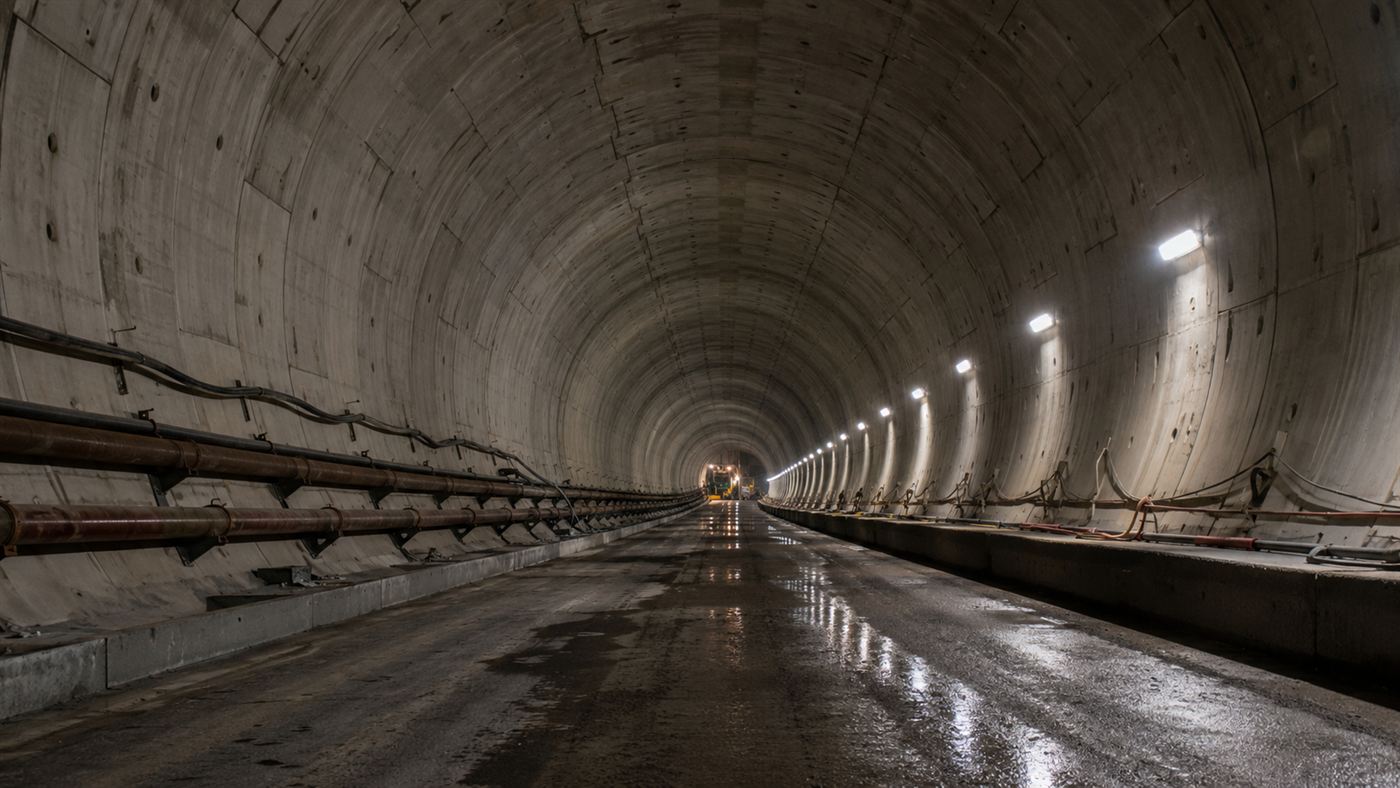
Sydney, like many great harbour cities, is split by its water, and the crossings that already exist, the famous bridge among them, are chronically jammed. The Western Harbour Tunnel, roughly 6.5 kilometres long, is meant to give traffic another way across, linking the road network on both sides and, the government hopes, easing the strain on the existing bridge and tunnel.
Going underground avoids the impossible task of building another giant bridge across Sydney Harbour, and it spares the surface, keeping ferries, boats and the celebrated skyline untouched. The trade is that everything happens in the hardest possible place to work, deep below the water, where a single mistake is enormously expensive to fix.
The honest catch
It is easy to be dazzled by a machine this big, and the engineering genuinely deserves the applause. A tunnel like this can take cars off crowded streets, shorten journeys and knit a divided city together, and doing it underground protects the harbour that makes Sydney what it is. Those are real gains, and the craft involved is extraordinary.
But the catch is worth naming. Megaprojects like this are famous for running over time and over budget, and this one has drawn its share of debate about cost and priorities. There is also a deeper question that no tunnel can answer on its own: building more road capacity often just invites more cars, which can refill the new space and leave the traffic much as it was. A bigger road is not always a smaller jam. The machine under the harbour is a wonder. Whether it truly fixes the problem it was built for is a question only the years above ground will settle.
Sources: NSW Government on the tunnel boring machines, CGTN, and Global Construction Review.
Right now, a steel giant is grinding forward in the dark far below the boats and the ferries, and no one up top can hear it. Are vast tunnels like this the smart way to unclog our cities, or just a costly invitation for even more traffic? Tell us what you think in the comments.
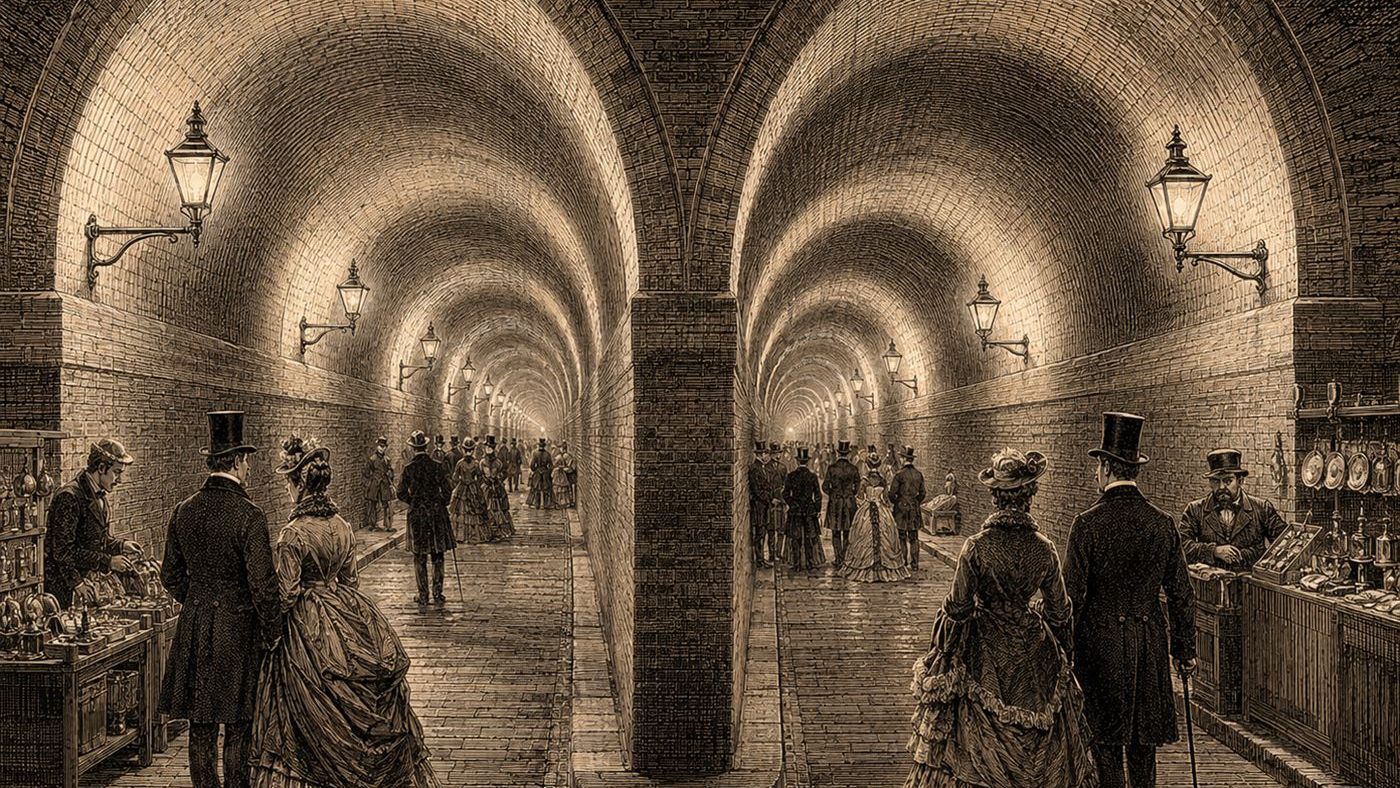
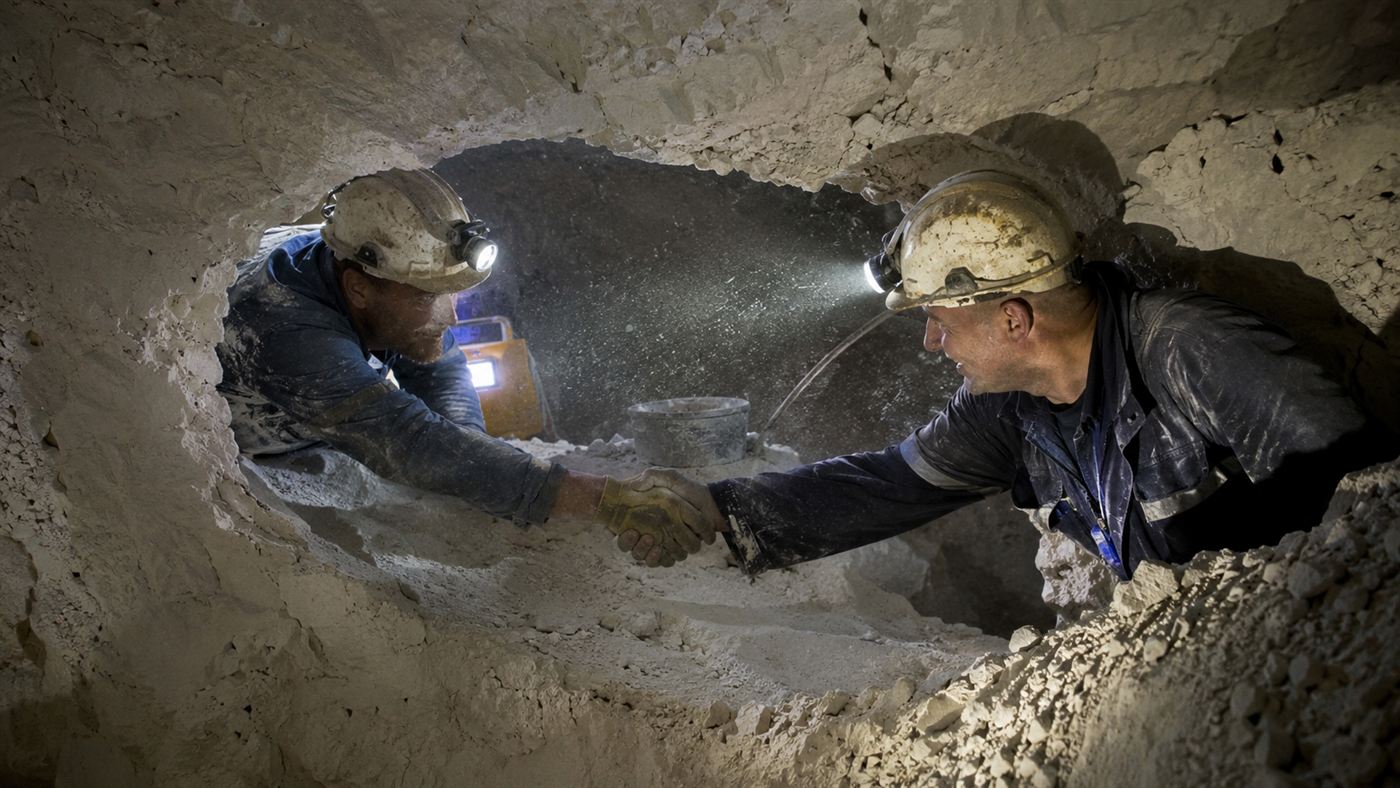
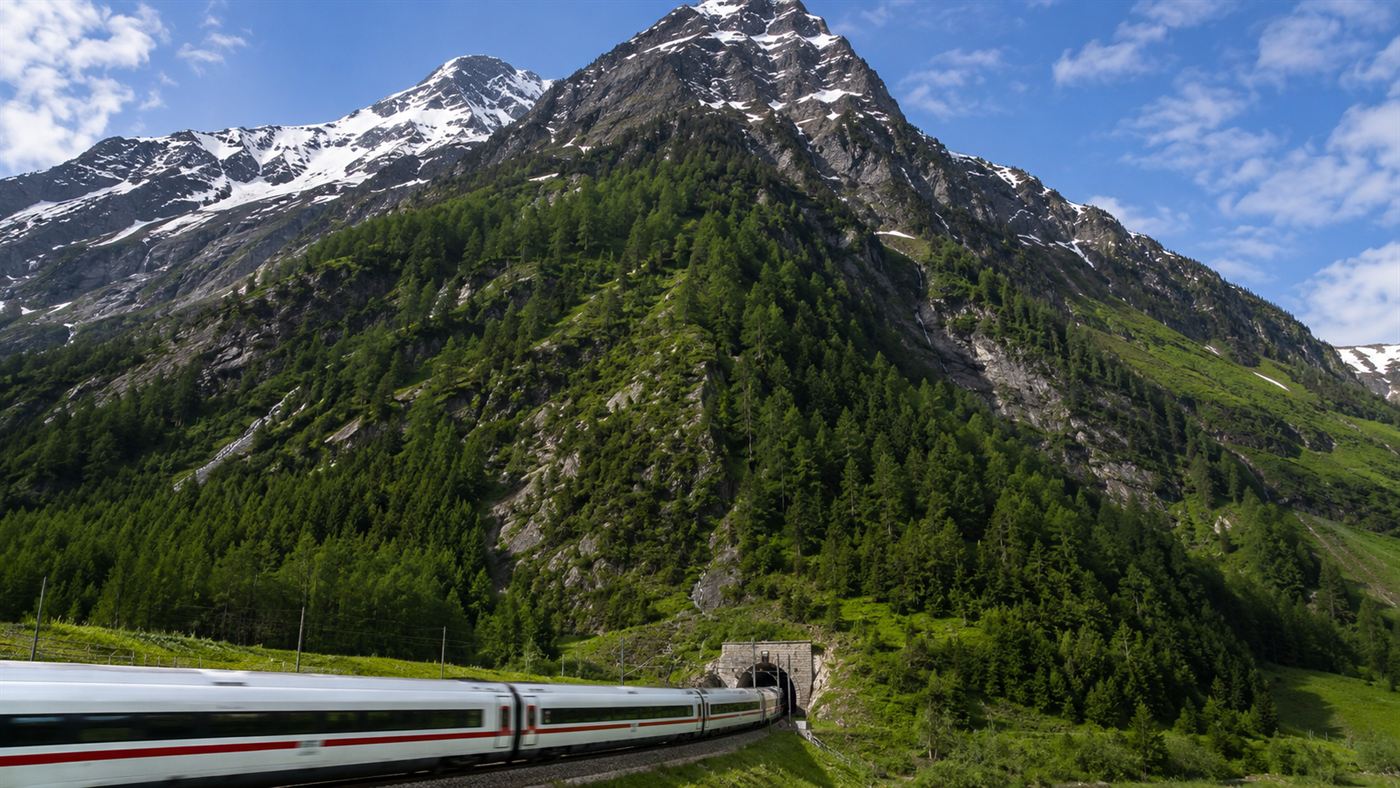
Related reading: the Thames Tunnel, the first ever dug under a river, inspired by a shipworm. See also the Channel Tunnel, where two digs met beneath the sea, and the Gotthard Base Tunnel bored straight through the Alps. See also the Zojila tunnel, holed through the Himalayas in 2026 to reach Ladakh year-round.