Engineers just broke through the Zojila tunnel, taming one of the world's deadliest mountain passes
High in the Indian Himalayas there is a mountain pass so treacherous that its name is said to mean the pass of blizzards, closed by snow and avalanches for months every year. In June 2026 engineers bored all the way through the rock beneath it, and in doing so handed an isolated region a road that vanishes under snow for half the year no longer.
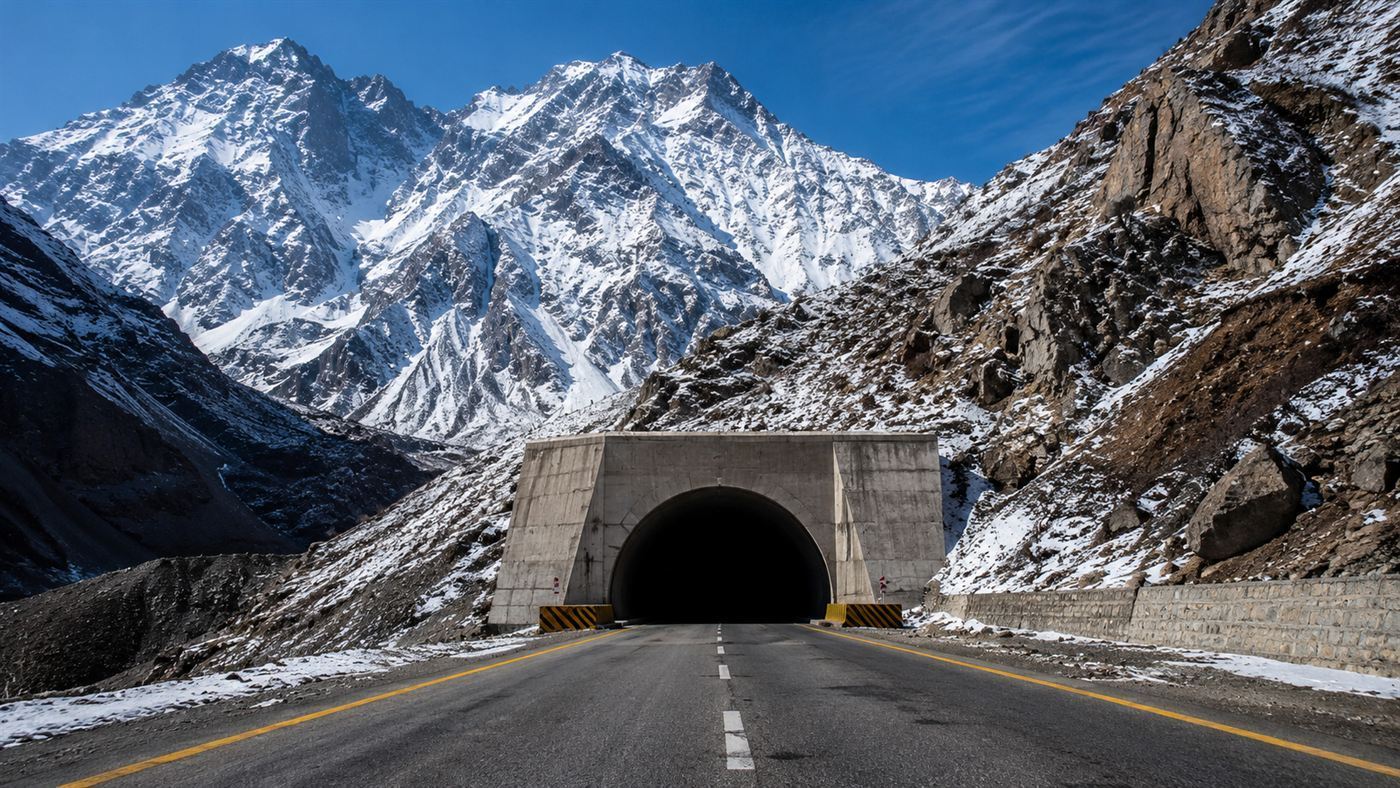
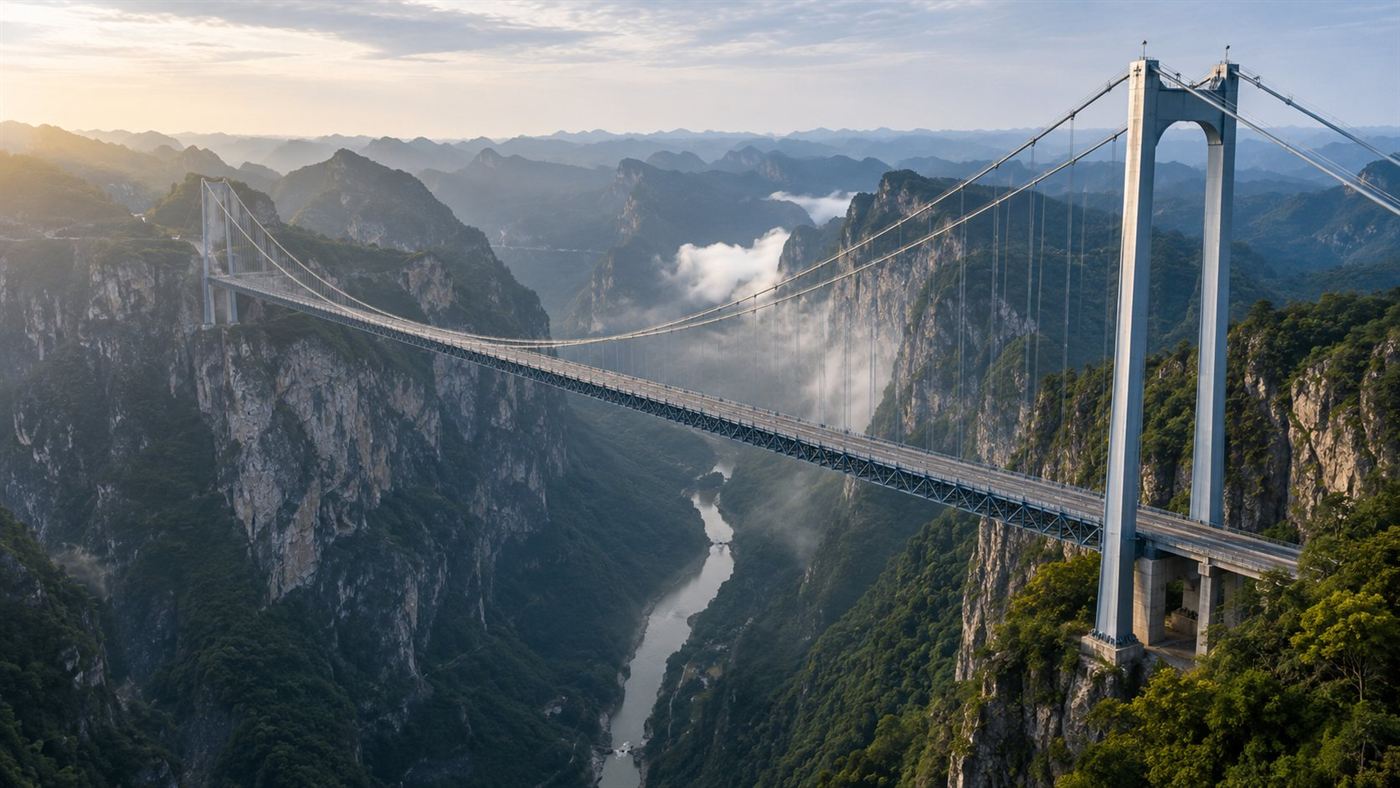
The mouth of the Zojila tunnel, driven under a pass that has cut off a region for generations. Illustration: Watts & Wild.
The short version is this. On June 9, 2026, India achieved the main breakthrough on the Zojila tunnel, the moment when the two ends of a bore finally meet through the mountain. At 13.15 kilometres it is set to become Asia's longest bidirectional single-tube road tunnel, and the longest anywhere at such a punishing altitude. And it was finished about six months ahead of schedule, a rare sentence to write about a project this size.
The tunnel runs beneath the Zoji La, a pass sitting at roughly 11,500 feet on the road between Srinagar in Kashmir and the high desert region of Ladakh. For much of the year that pass is simply gone, buried under snow and swept by avalanches, and with it the only real road link to an entire population.
Boring a straight, warm, lit tunnel underneath all of that changes the map, and the lives along it.
Why does the Zojila tunnel matter so much?
For the people of Ladakh, this is not an abstraction. Every winter the Zoji La closes and the region is largely cut off by road from the rest of the country for months, leaving communities to stockpile food, fuel and medicine and to wait out the season. A tunnel that stays open in every month of the year is a lifeline as much as a shortcut, turning a seasonal dead end into a year-round road.
There is a harder edge to it too. The Srinagar to Leh highway is the main land route into Ladakh, and Ladakh sits on India's most sensitive borders. The route is a vital supply line for troops stationed in the high mountains, and its importance has grown since the military standoff with China in the eastern part of the region that began in 2020. An all-weather link here is read in New Delhi as strategy, not just convenience, and it is a reminder that connection is also a form of power.
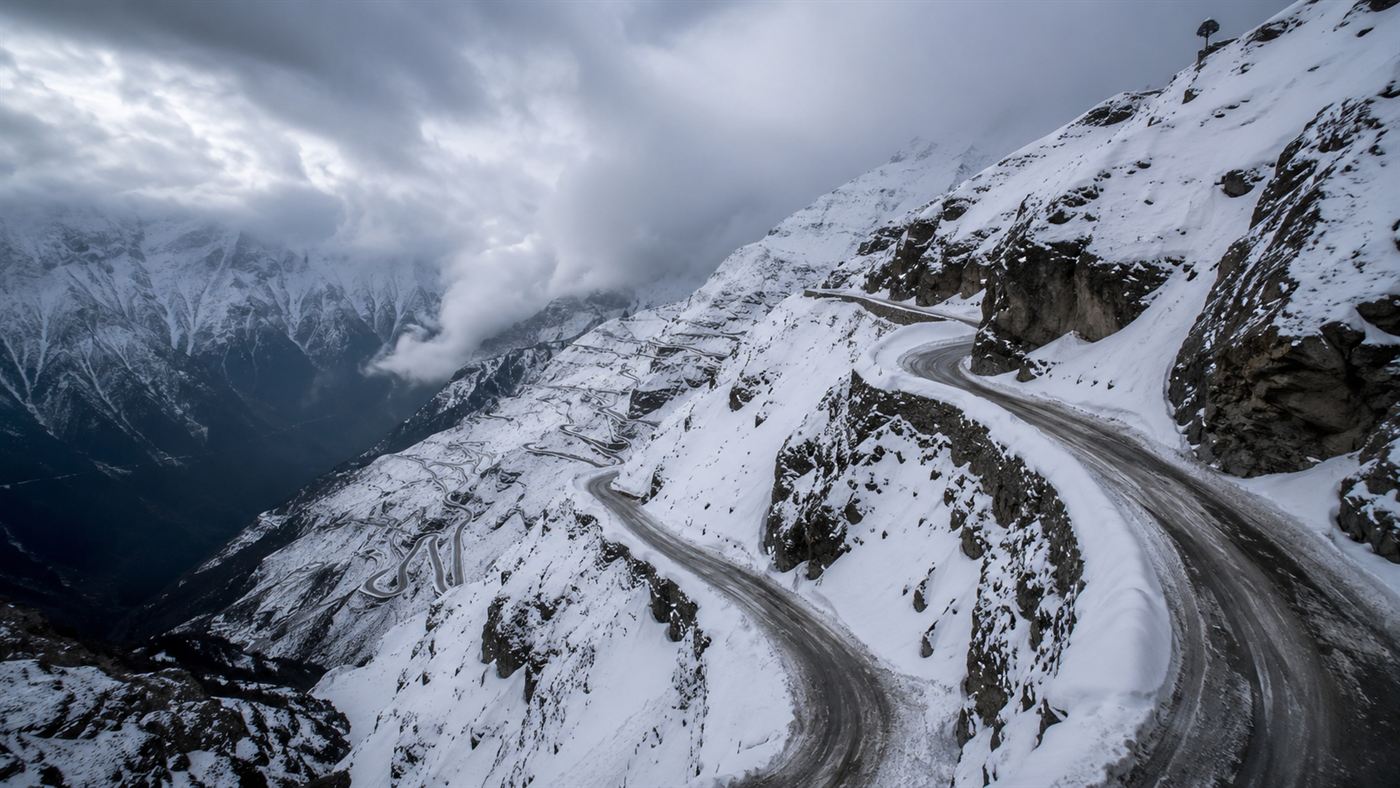
What it takes to dig at 11,500 feet
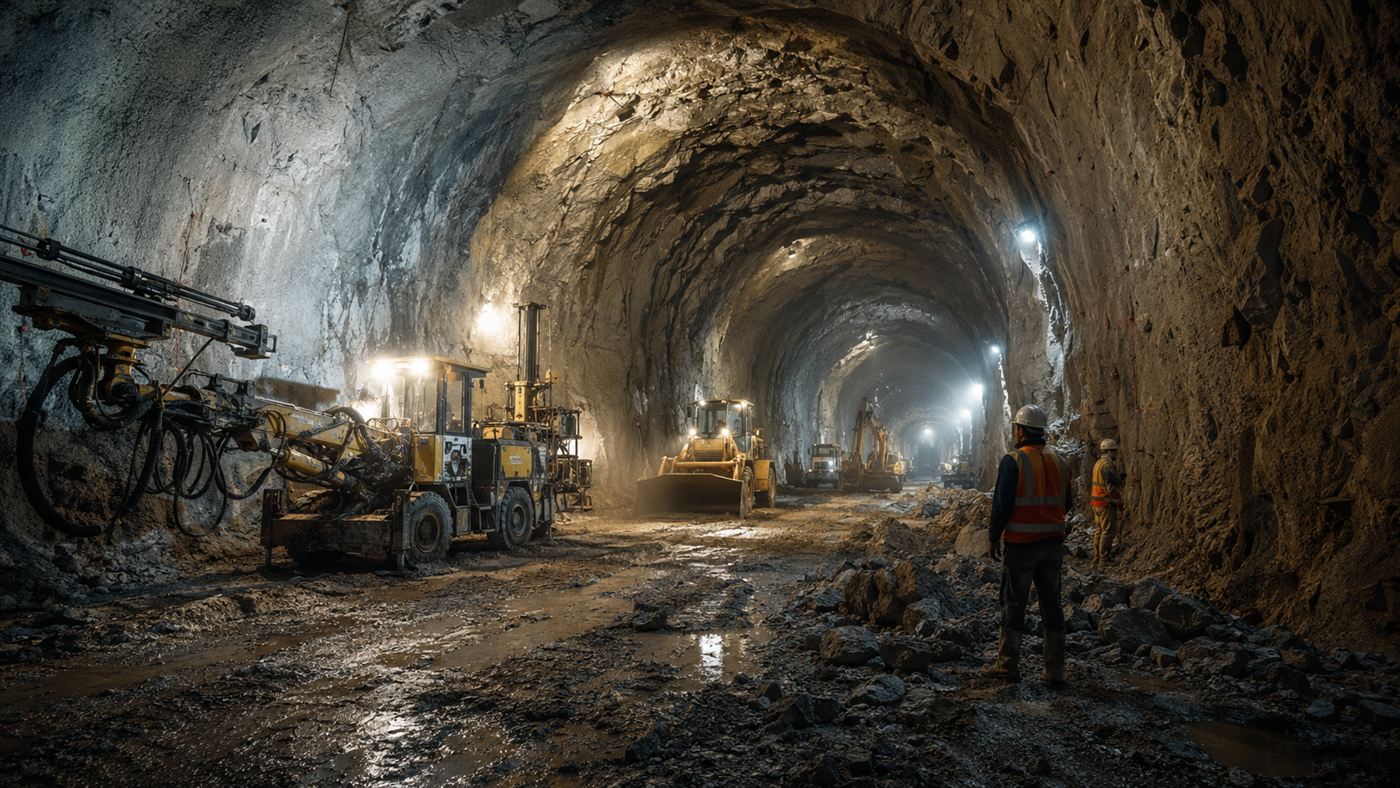
Tunnelling is hard anywhere. Doing it in the high Himalayas is a different order of difficulty. The rock is fractured and unpredictable, the winters are brutal, and at this altitude the thin air saps both machines and the crews who run them. Workers laboured in shifts through conditions that would stop most construction sites cold, blasting and boring metre by metre from both ends toward a meeting point deep inside the mountain.
Getting the two headings to line up and meet, after years of drilling through shifting Himalayan rock, is the technical heart of the achievement, and doing it ahead of schedule is genuinely impressive. Yet a breakthrough is not an opening. What comes next is the long, unglamorous work of lining, ventilation, lighting, drainage and safety systems, because the mountain still holds the final say on when traffic actually rolls through.
The honest catch
It is easy, and fair, to celebrate this as a triumph of engineering and a genuine gift to the people of Ladakh, who have waited generations for a road that does not disappear each winter. The human benefit is real and large, and finishing ahead of time in such conditions deserves the applause it is getting.
But two cautions belong beside the cheer. First, the breakthrough is a milestone, not a ribbon-cutting; the tunnel still needs its fit-out and safety systems before a single car passes through, and Himalayan projects have a long history of slipping in that final stretch. Second, a road built partly for troops on a contested frontier is never only about groceries and tourism, and the same tunnel that rescues a community from isolation also hardwires a tense border. The engineering is a marvel. What it carries will be, as ever, up to the people at either end.
Sources: Deccan Herald, Republic World, and the contractor MEIL.
A pass that has stranded a region every winter for generations may soon be something you drive under without a second thought. Is a tunnel like this best seen as a rescue for isolated communities, or as a border being quietly hardened, or both at once? Tell us what you think in the comments.
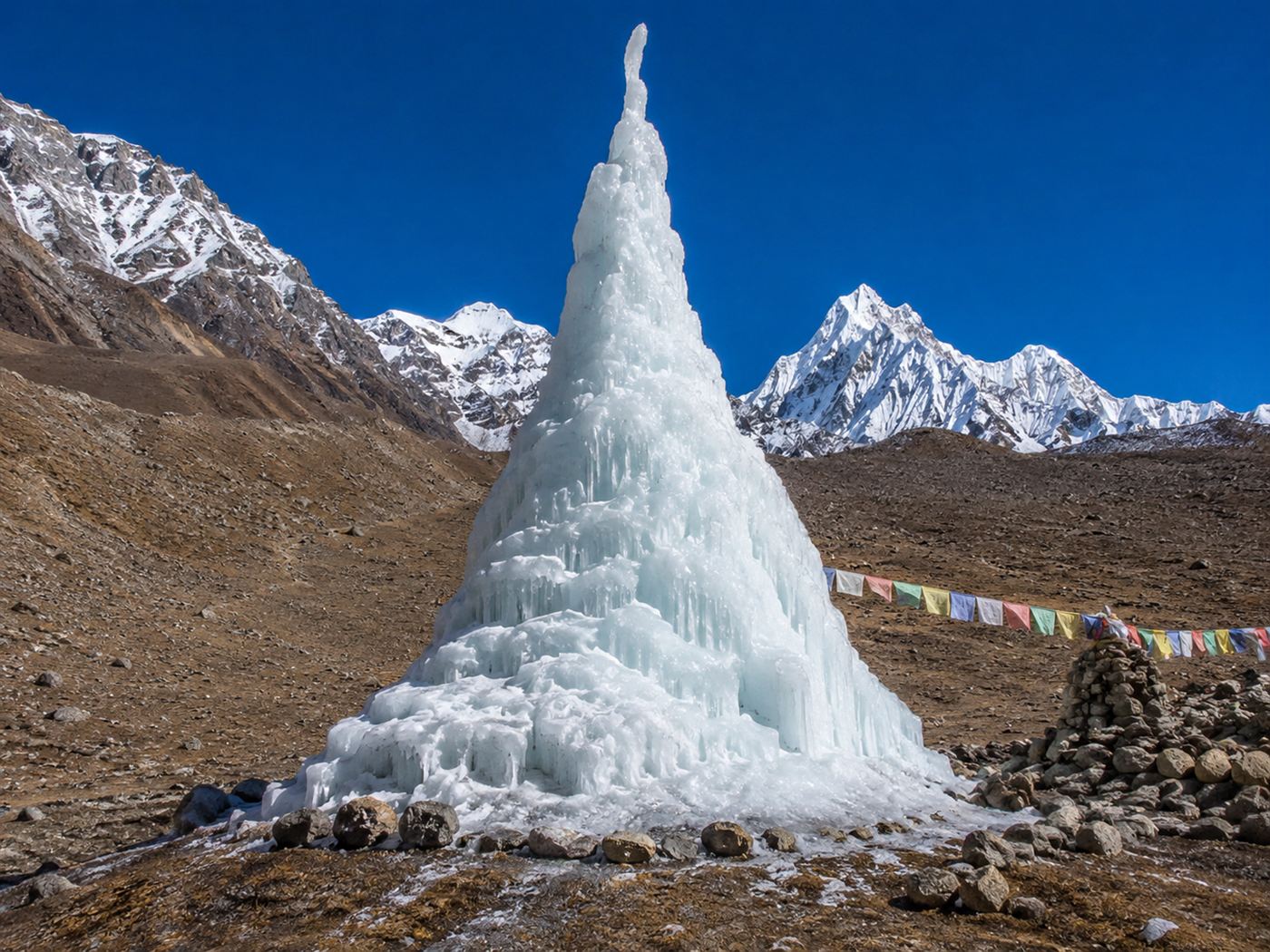
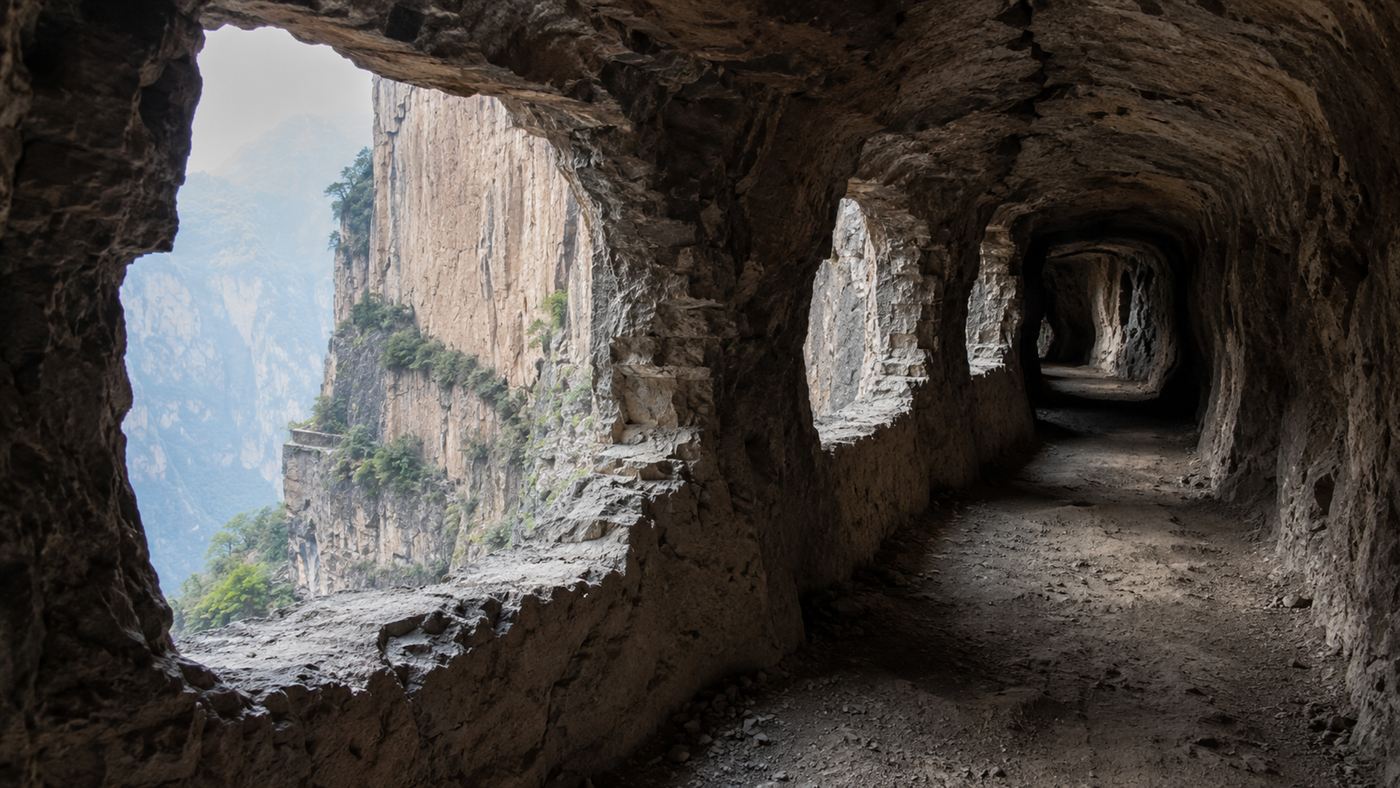
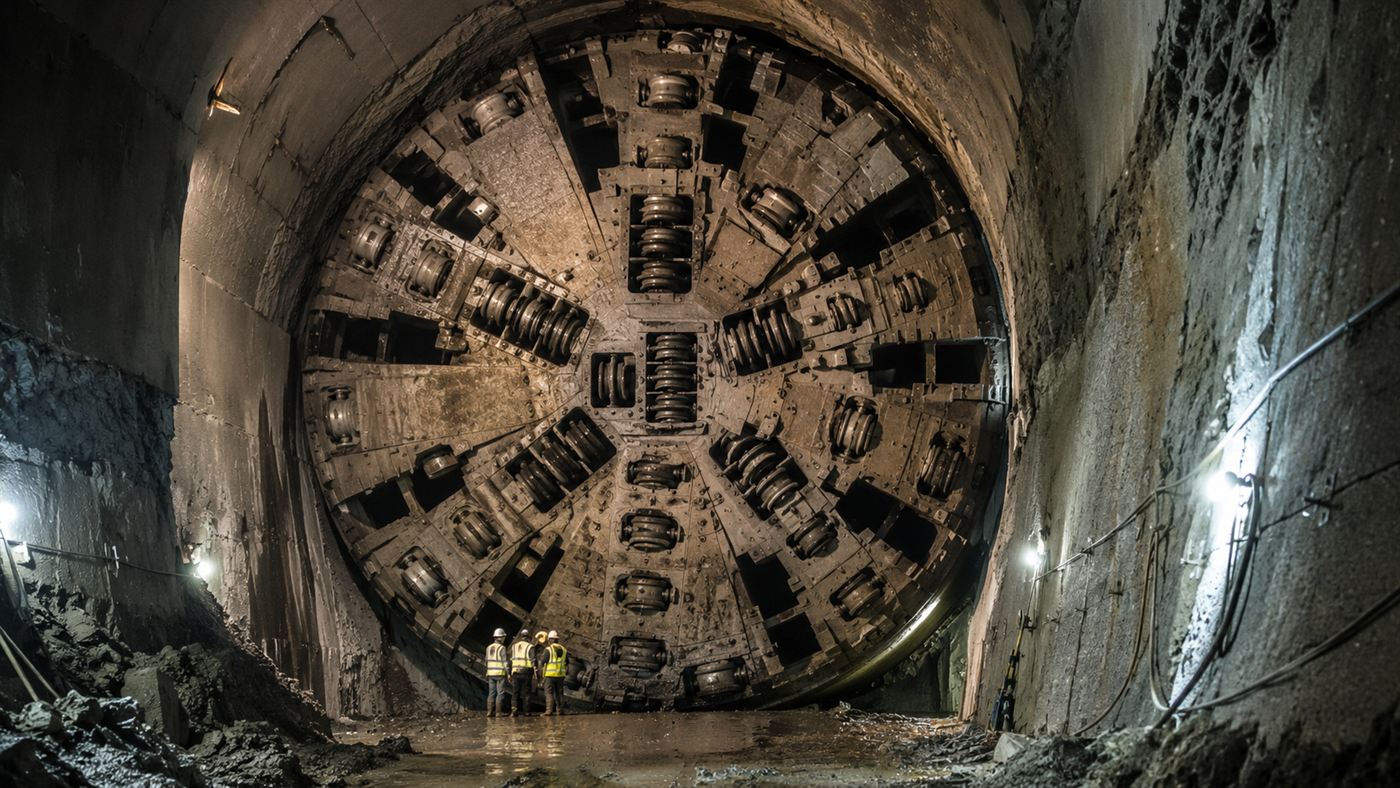
Related reading: how one engineer builds artificial glaciers to water the same high desert of Ladakh. See also the Chinese villagers who carved a road tunnel through a cliff by hand, and the giant machines boring Sydney's new harbour tunnel.