A Scottish family abandoned nine cattle on the island of Swona in 1974, and 50 years later the herd is still there, gone fully wild and ruling the island alone
When the last family left the tiny Orkney island of Swona in 1974, they could not take their cows with them, so they left them behind. Half a century later those animals are still on the island, but they are not livestock any more. With no people to manage them, the Swona Island wild cattle went fully feral.
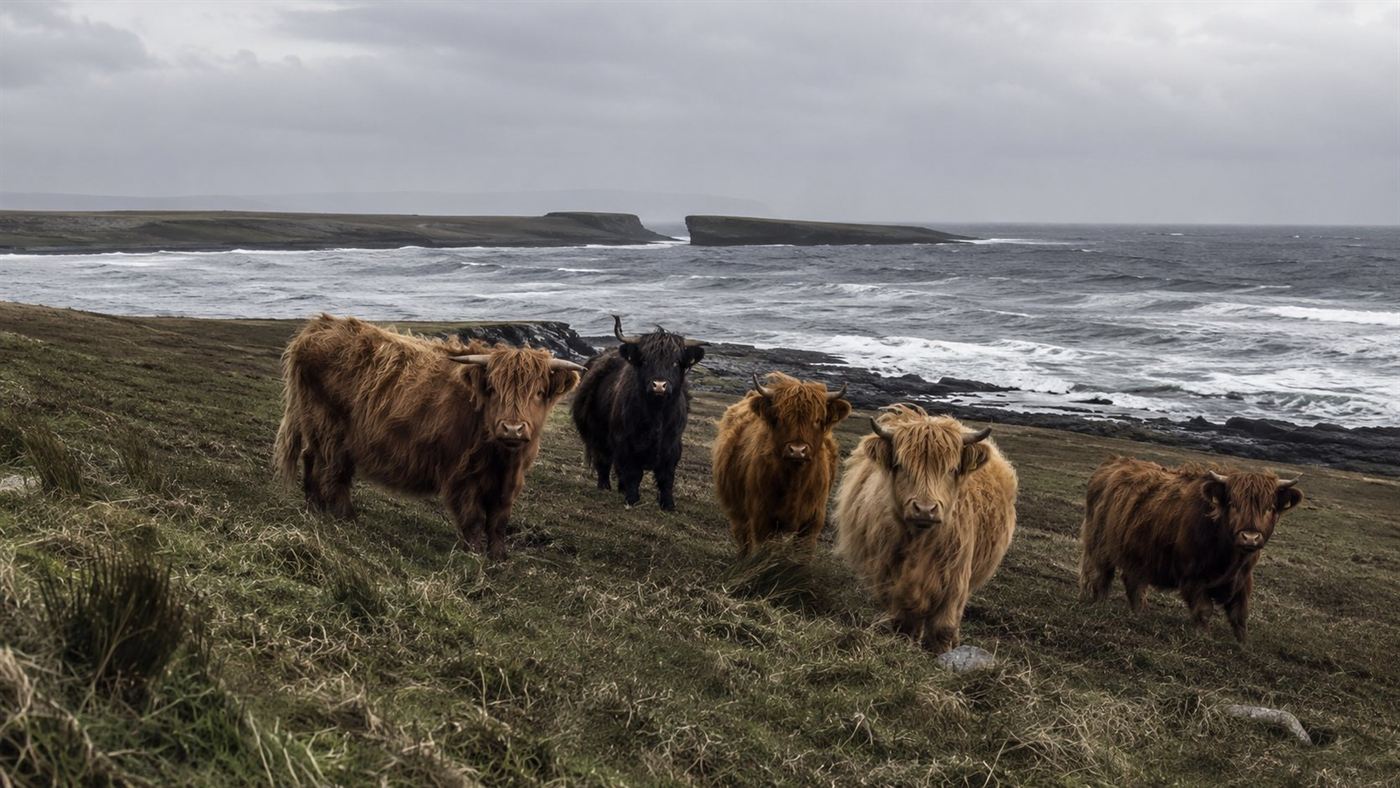
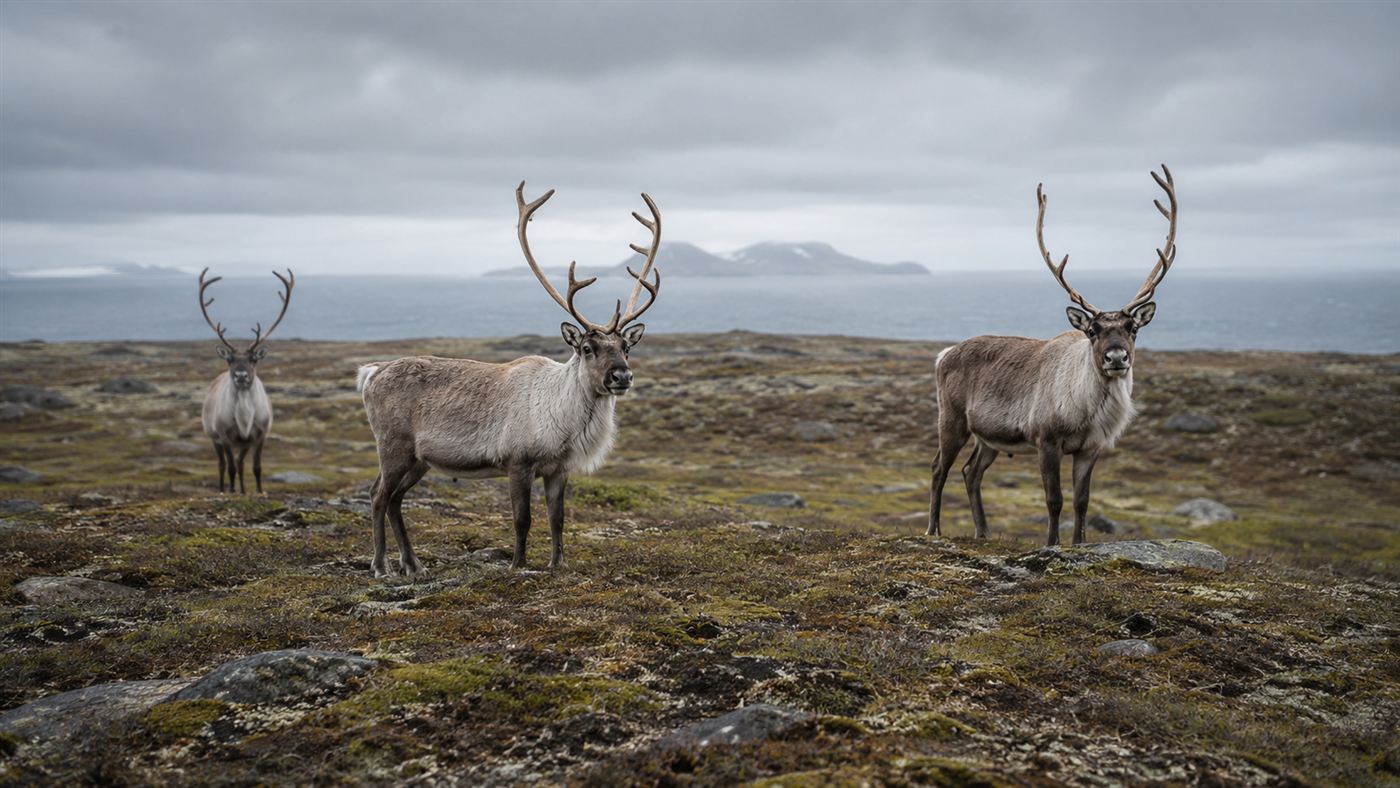
No fences, no farmer, no barn, the Swona cattle have run their own island for 50 years. Illustration: Watts & Wild.
In March 1974, James and Violet Rosie packed up and left Swona, a small uninhabited island in the Pentland Firth off the north coast of Scotland. They were the last residents, and when they went the island emptied of people for good. What they could not take with them was their cattle, a small herd of beef cows that had to be left where they stood.
That was meant to be a temporary problem. Instead, as Countryfile described it, when the people left, something large and unexpected took over the island. The cows were never collected. Left entirely alone, they did what no farm animal is supposed to do: they survived, bred, and turned feral, and they have been running Swona on their own ever since.
The herd that got left behind
The animals stranded on Swona were ordinary farm stock, a beef herd of eight cows and one bull, a Shorthorn and Aberdeen-Angus cross, the kind of cattle you would find on any small Scottish farm. There was nothing wild about them on the day the Rosies left. They were tame, handled, and dependent on people for feeding and shelter.
Nine animals on a treeless island in one of the roughest stretches of sea in Britain should not have lasted long. Yet the herd not only held on, it grew. As recorded in the island's history, around 13 or 14 cattle were taken off Swona in October 1977 to be sold, which means that in barely three years the abandoned herd had already multiplied well beyond the nine left behind.
How livestock becomes wildlife
Left to themselves, the cattle stopped behaving like livestock. With no one to herd, feed, or breed them, they organised their own lives around the seasons and the island. They learned which slopes gave shelter from the Atlantic wind, where the grass lasted longest, and how to calve without help. Over the years they have been observed forming a clear social structure, with the herd moving and reacting as a single wary group rather than a scatter of tame cows.
This is the quiet shock of Swona. Domestication is usually treated as a one-way street, thousands of years of breeding that turned wild aurochs into placid farm animals. The Swona herd shows how thin that layer can be. Take the people away, and within a single generation the farm cow remembers how to be a wild animal again.
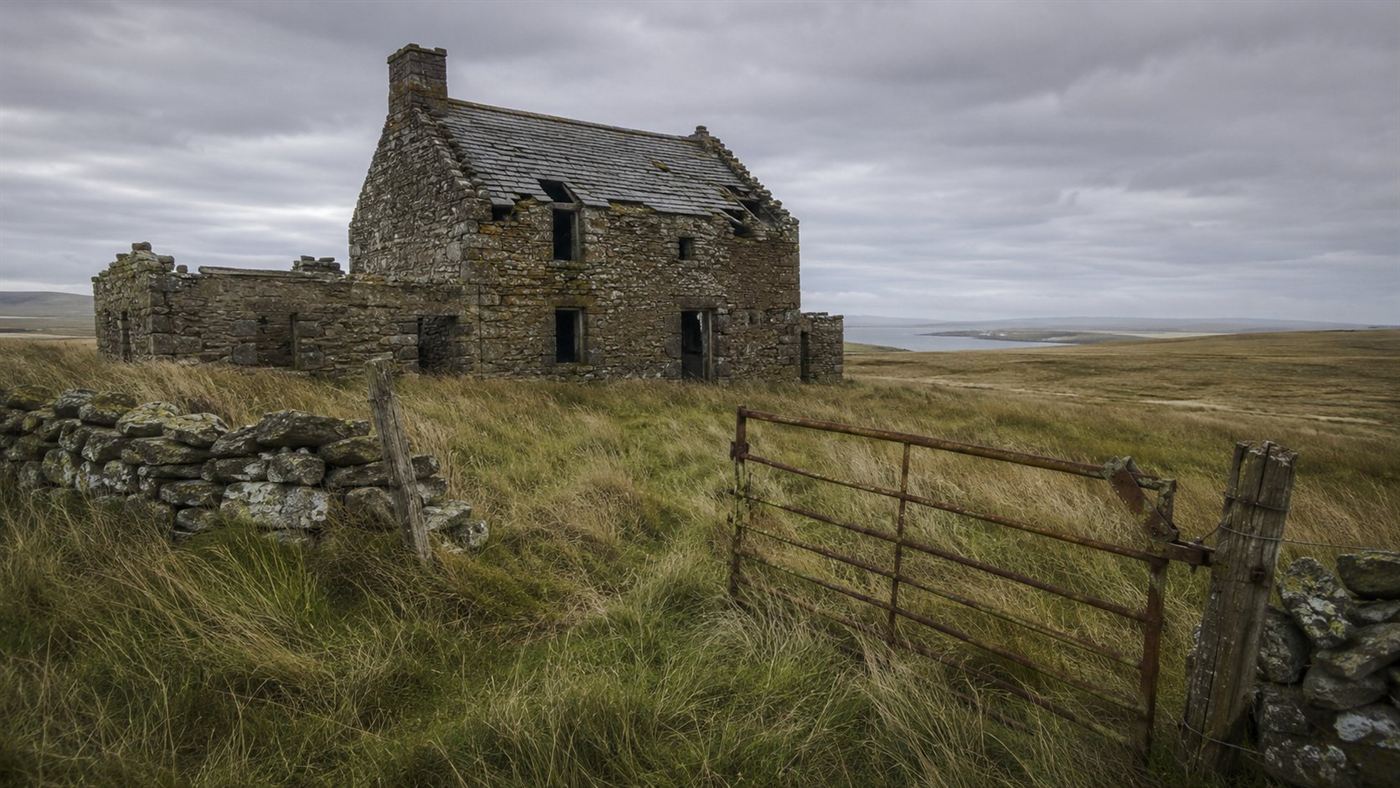
How the Swona Island wild cattle run themselves
The population has not exploded, and that is part of the story too. Swona is small, and the island can only feed so many animals, so the herd has settled at a size the land can carry. By 2012 the herd had stabilised at an average of around seventeen animals, close to the maximum the island can support, the herd quietly doing its own population control without a single human decision.
People do still check on them from a distance. When the naturalist Chris Packham visited for a BBC series on Orkney in 2017, he counted roughly twenty cows and calves and three bulls, a healthy, self-sustaining wild herd. They are now one of the very few groups of truly feral cattle in Britain, a living experiment that nobody designed and nobody runs.
The honest catch
It is worth being clear about what Swona is not. This is not a vast wild herd thundering across a landscape, it is a few dozen animals on a small island, and the island's limits are exactly what keep the numbers in check. Strip away the romance and it is a very small population living a hard life in a harsh place.
And there is a real ethical edge to it. With no one managing them, the cattle face the full force of the weather, disease, and difficult winters with no help at all, and animals die natural deaths that a farm would never allow. Whether leaving them to it counts as freedom or neglect is a genuine question, and not everyone agrees on the answer.
Why a forgotten herd matters
Swona is an accident that turned into one of the cleaner natural experiments you could ask for. It shows, without anyone planning it, how quickly a domesticated animal can step back across the line into the wild, and how a population left alone will find its own ceiling rather than breed itself to ruin.
For a world increasingly talking about rewilding and letting landscapes look after themselves, a handful of cows on a Scottish island are a small, stubborn proof of concept. Nobody chose to run this experiment. The animals simply stayed, and quietly answered a question the rest of us are only now starting to ask.
A herd of farm cows was abandoned on an island and, with no humans left, turned itself back into wildlife. Is a self-governing wild herd like Swona's something to protect and celebrate, or animals we have a duty to bring back under human care? Tell us what you think in the comments.
Related reading: California brought beavers back to its rivers after 70 years, and in two seasons one family rebuilt a wetland no agency could afford to dig.