A radar engineer felt a chocolate bar melt in his pocket in 1945, got curious instead of annoyed, and that stray observation became the microwave oven in nearly every kitchen
Some inventions come from years of deliberate effort. The microwave oven came from a snack going soft in a man's pocket, and from the rare instinct to ask why instead of just wiping off the mess. A machine of war became a machine for reheating leftovers.
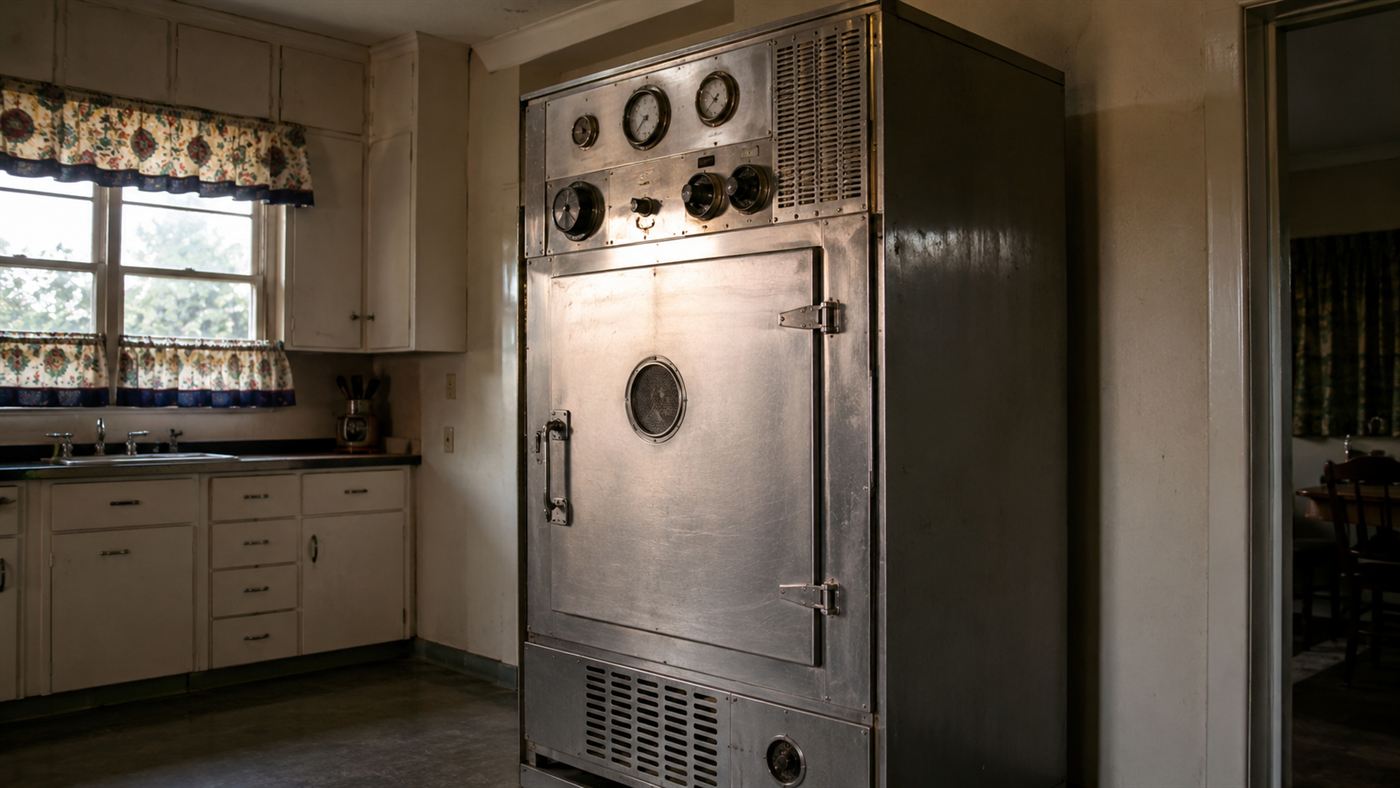
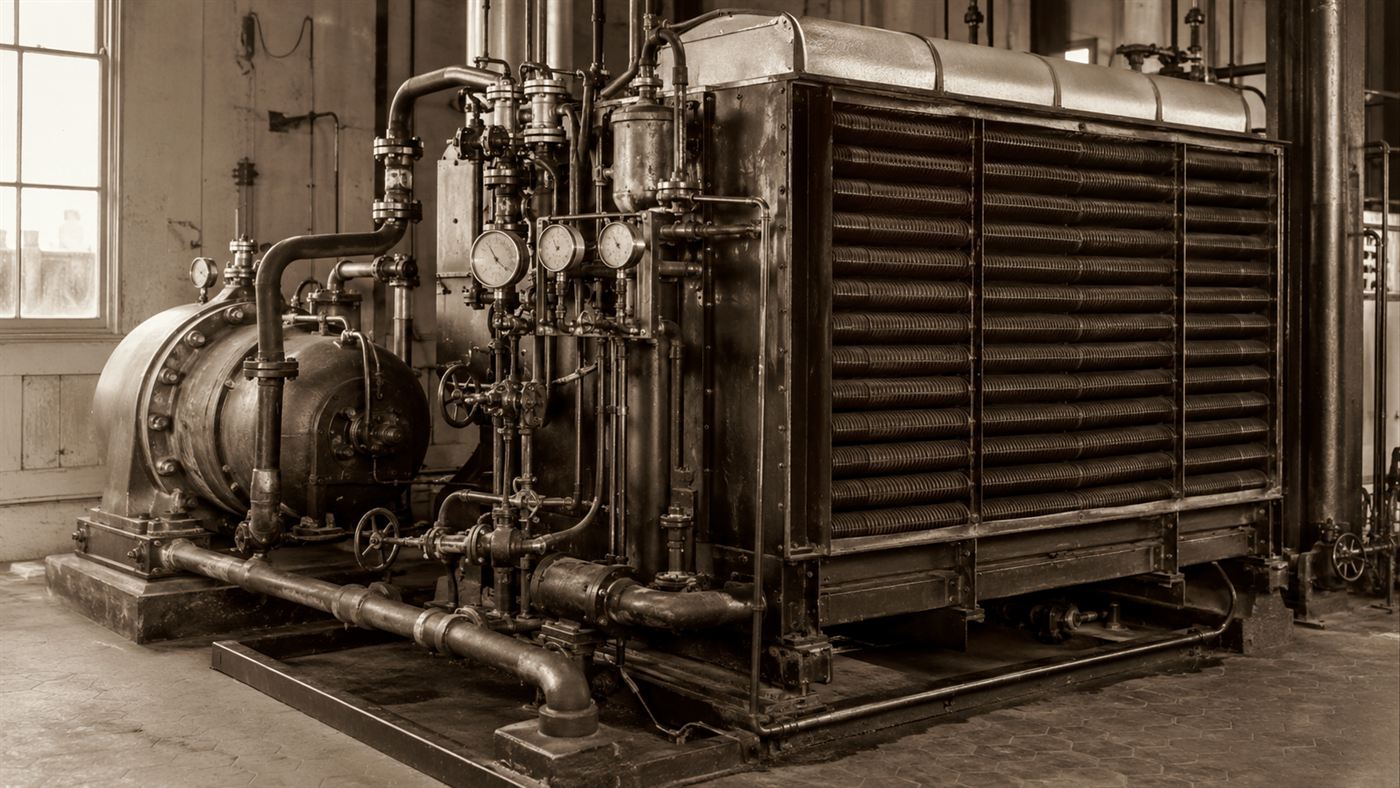
The first microwave ovens were huge, costly machines aimed at restaurants, not homes. Illustration: Watts & Wild.
The microwave oven sits on kitchen counters around the world, so ordinary that we barely think about it. Yet its origin is one of the great happy accidents of technology. It was not the product of anyone setting out to build a better oven. It came out of the machinery of the Second World War, from a device designed to detect enemy planes, and it was discovered because one engineer noticed something odd and refused to let it go.
As the record of his life describes, the engineer Percy Spencer discovered the microwave's cooking power after a snack melted in his pocket while he worked near a magnetron. From that trivial, sticky moment came a whole new way of cooking, and a reminder that the biggest ideas sometimes announce themselves in the smallest, strangest ways.
The short version: In 1945, Percy Spencer, an engineer at Raytheon building magnetrons for wartime radar, noticed one had melted a snack in his pocket. He tested the effect with popcorn and an egg, realised microwaves could cook food fast, and Raytheon turned it into the first microwave oven, the Radarange. Decades later, cheaper countertop models put a former weapon technology into almost every home.
The engineer who paid attention
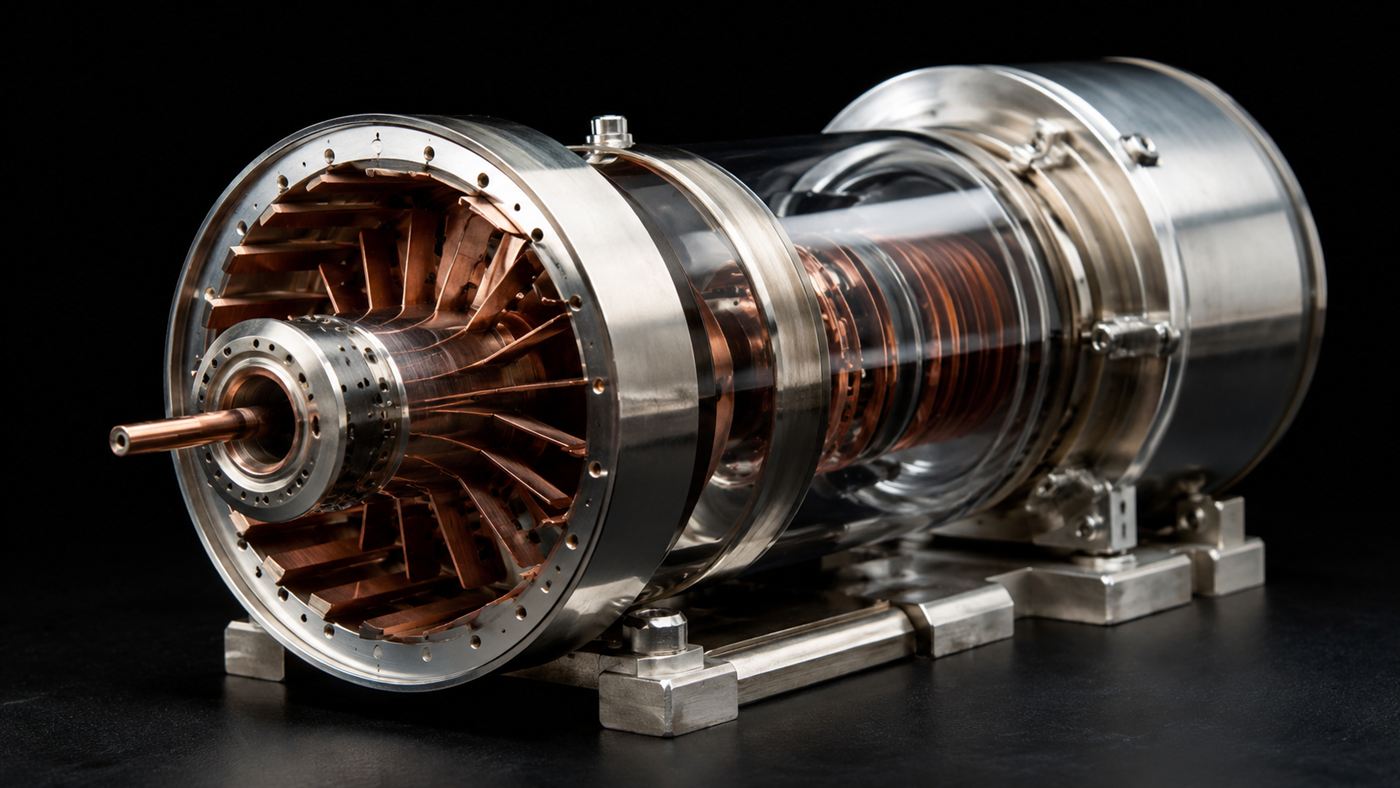
Percy Spencer was not a typical inventor. Orphaned young and with almost no formal schooling, he taught himself electronics and became one of the most valued engineers at the American company Raytheon, eventually holding hundreds of patents. During the war, Raytheon was mass-producing magnetrons, the powerful vacuum tubes that generate the microwaves used in radar, which was helping the Allies spot ships and aircraft.
One day in 1945, standing near a running magnetron, Spencer noticed that a snack in his pocket, in the popular telling a chocolate bar, had turned to a melted mess. Plenty of people around that equipment had felt it give off warmth, but Spencer did what few did: he stopped and asked what was actually happening. That instinct, to treat a small anomaly as a clue rather than a nuisance, is the real beginning of the microwave.
Popcorn and an exploding egg
Being an engineer, Spencer tested his hunch. He sent for popcorn kernels and held them near the magnetron, and they burst into popcorn, scattering across the lab. Then, the story goes, he tried an egg, which promptly heated so fast inside its shell that it exploded, reportedly in a colleague's face.
Messy as it was, the point was proven. The microwaves streaming from the radar tube were heating the food from the inside out, agitating the water within it, and doing so with startling speed. Spencer realised that the same invisible energy guiding the war effort could, if harnessed and contained, cook a meal in a fraction of the usual time. The trick was to build a safe box around it.
Turning a weapon into an oven
At the heart of the whole thing is the magnetron, and the poetry of the microwave is that this component never really changed jobs. The same kind of tube that let warships and aircraft see through darkness and fog is the same kind of tube that now warms a bowl of soup. Radar and the microwave oven are, in a real sense, the same technology pointed at two very different targets.
What microwaves do is simple and clever. They make the water molecules in food jiggle furiously, and that molecular motion is heat, so the food warms rapidly and fairly evenly, without any hot element or open flame. Instead of heating a pan and waiting for the warmth to creep inward, you heat the water throughout the food almost at once. Spencer and Raytheon had, in effect, discovered a way to cook with the invisible light of radar.
The first microwave oven was a monster
The earliest product was nothing like the neat box we know. Raytheon's first commercial microwave oven, launched in 1947 and called the Radarange, was a giant. It stood well over a metre and a half tall, weighed several hundred kilograms, needed plumbing for water cooling, and cost thousands of dollars. No home could use one, so it went into restaurants, ocean liners and railway dining cars, where speed mattered and space did not.
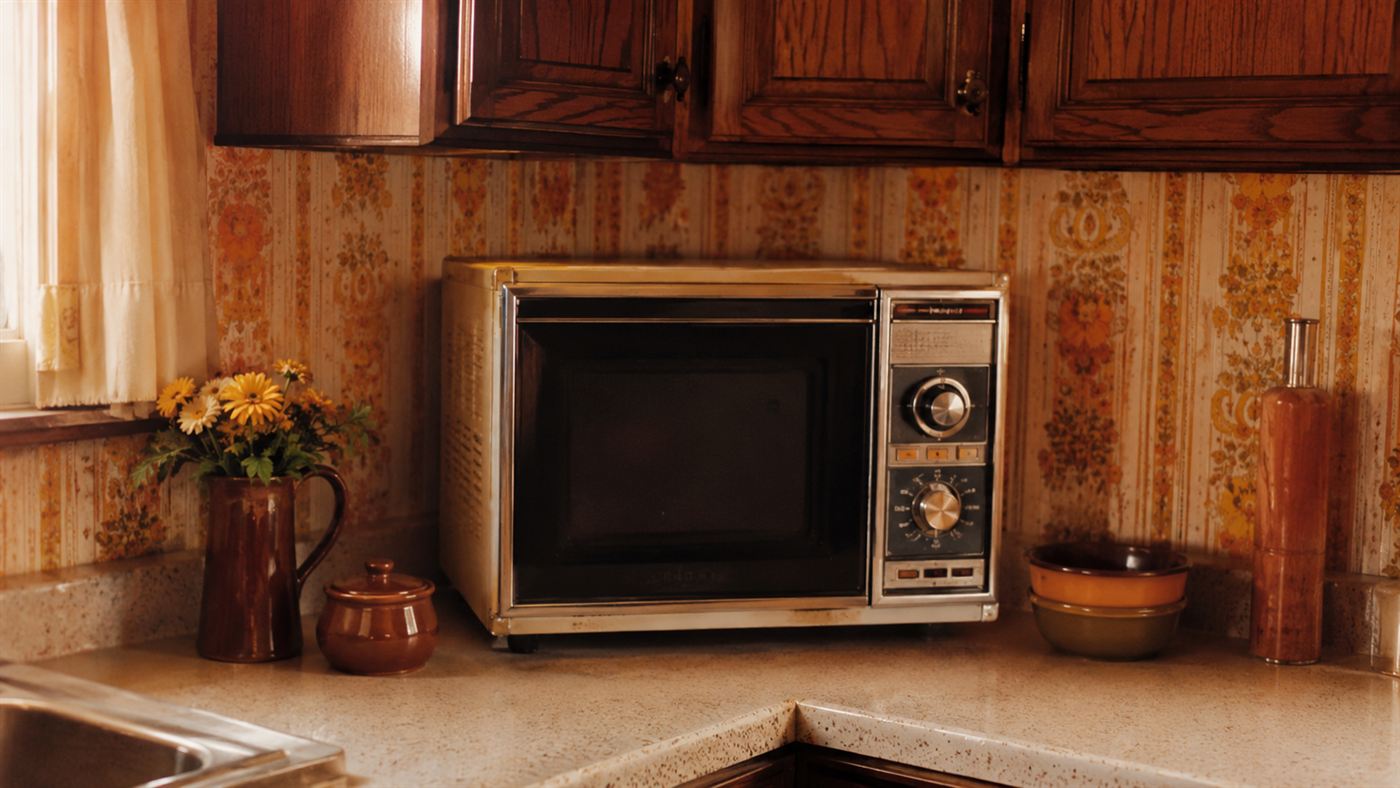
Shrinking that beast into an affordable countertop appliance took years of engineering. It was not until the late 1960s that a compact, home-friendly model arrived at a price ordinary families could consider, and from there the microwave spread with astonishing speed. Within a couple of decades it went from an industrial curiosity to a fixture as expected in a kitchen as a fridge or a sink.
How it changed how we eat
Once it was in the home, the microwave quietly rewired everyday life. Reheating leftovers became trivial, a frozen meal could be ready in minutes, and a whole industry of convenience food grew up around the promise of dinner at the press of a button. For busy households, students and workers, it collapsed cooking from a chore of many minutes into one of seconds.
That convenience reshaped habits and even architecture, as kitchens and grocery aisles reorganised themselves around fast, packaged food. Few gadgets born in a laboratory have slipped so completely into the rhythm of ordinary days. The descendant of a radar tube now hums in break rooms and dorm rooms and family kitchens on every continent, doing a job its inventors could hardly have imagined when they built it to watch the skies.
The honest catch
A few honest notes round off the tale. The neat chocolate-bar version is a little polished, some accounts say it was a peanut cluster, and Spencer was not truly the first to feel warmth near a magnetron, only the first to chase down why. His genius was less a flash of luck than a prepared, curious mind, which is arguably the better lesson anyway.
It is also worth calming the fears that cling to the microwave. The scary idea that it bombards food with dangerous radiation, or strips out all its goodness, does not hold up. Microwaves are non-ionizing, the low-energy kind of radiation that cannot damage your genes the way X-rays can, they stay locked inside the shielded box, and quick microwave cooking can actually preserve nutrients that long boiling would destroy. The fair criticism is not about safety but about culture, since the same device that liberated us from the stove also helped usher in a world of processed, packaged, hurried food. Like most miracles of convenience, the microwave gave us back time, and quietly asked something in return.
A weapon of war became the most ordinary machine in the kitchen, all because one man wondered about a melted snack. Is the microwave oven a perfect example of curiosity turning accident into progress, or a symbol of how convenience quietly reshaped what and how we eat? Tell us what you think in the comments.
Related reading: Charles Goodyear, whose accidental discovery of vulcanized rubber went very differently for its inventor.
More from Watts & Wild
More in Curiosities →


Bruno writes about energy history, industrial disasters, and the people who shaped the technologies we take for granted. He is based in Brazil.