People have spent centuries and fortunes trying to work out why a 300-year-old violin sounds so perfect, and the honest answer is not what anyone wants
A single old violin can sell for more than a mansion, prized for a sound that experts have called impossible to match. For three hundred years the world has hunted for the secret behind it, and the most unsettling clue of all is a modern test that suggests the secret might not exist.
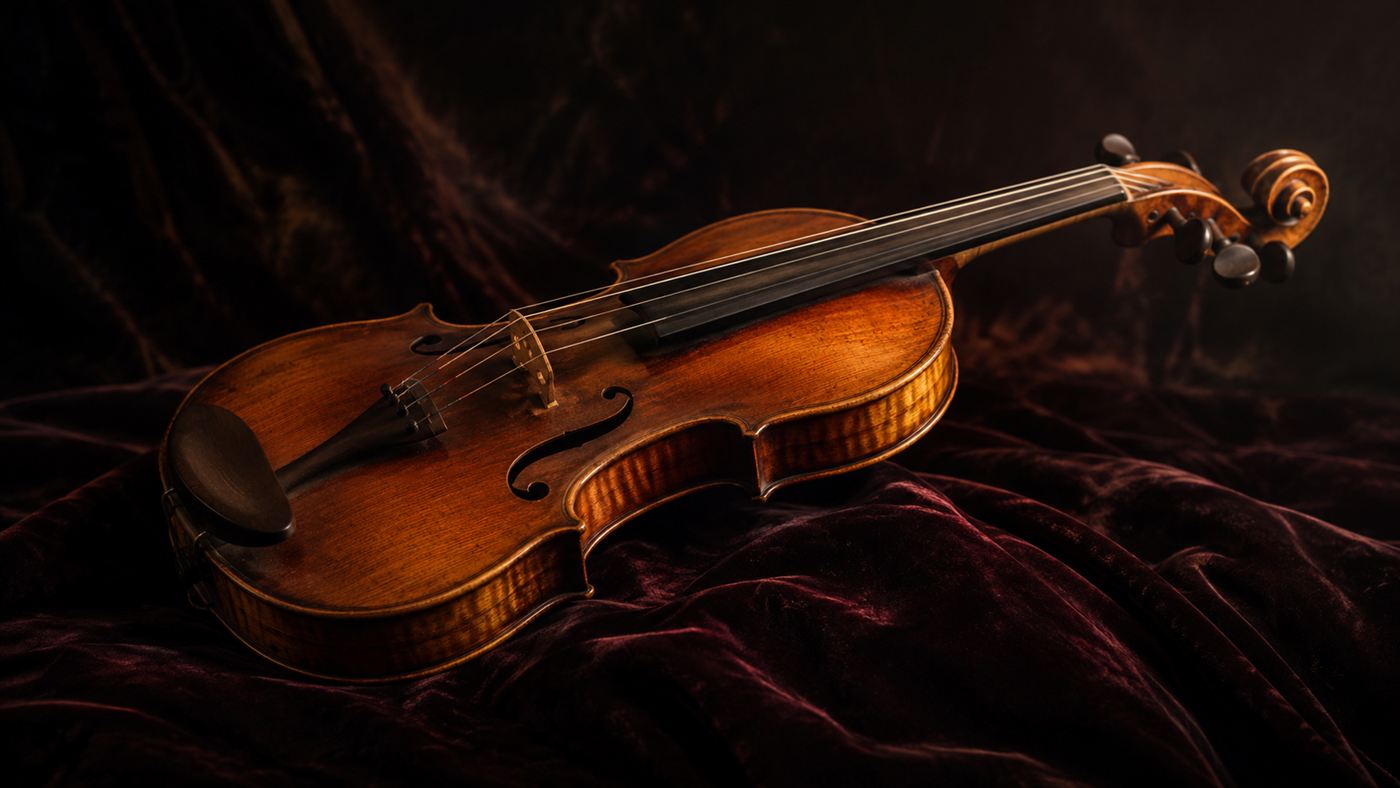
A Stradivarius violin can be worth millions, prized above all for its sound. Illustration: Watts & Wild.
In the Italian town of Cremona around the year 1700, a craftsman named Antonio Stradivari made violins, cellos and violas that would become the most revered instruments in history. Only a few hundred survive, and the finest of them now change hands for many millions of dollars, guarded like crown jewels and loaned to the world's great soloists.
What makes a Stradivarius worth all that is not just its age but its supposed sound, a warmth and power that generations of musicians have described as unmatchable. And ever since, people have asked the obvious question: what did this one man know that no one has been able to reproduce?
The short version is that the search for the secret of the Stradivarius has run for three centuries, has blamed almost everything, and keeps colliding with an awkward modern discovery that many lovers of the instrument would rather not hear.
The hunt for the Stradivarius secret
The most romantic suspect has always been the varnish. Stradivari's instruments glow with a deep amber colour, and for ages people believed he mixed a secret varnish, some lost chemical recipe, that gave the wood its voice. Chemists have analysed flakes of it for clues, hoping to find the magic in the coating.
Others looked deeper, into the wood itself. One striking idea points to the climate, arguing that the spruce and maple Stradivari used grew during an unusually cold stretch of European weather, so the trees grew slowly and evenly, producing a denser, more uniform timber than luthiers can easily find today.
Wood, chemistry and craft
There are more suspects still. Studies of Stradivari's wood have turned up traces of minerals and treatments, hinting that the timber may have been soaked or chemically handled, perhaps to protect it from woodworm, in ways that also changed how it sang. Every few years another paper claims to have isolated a piece of the puzzle.
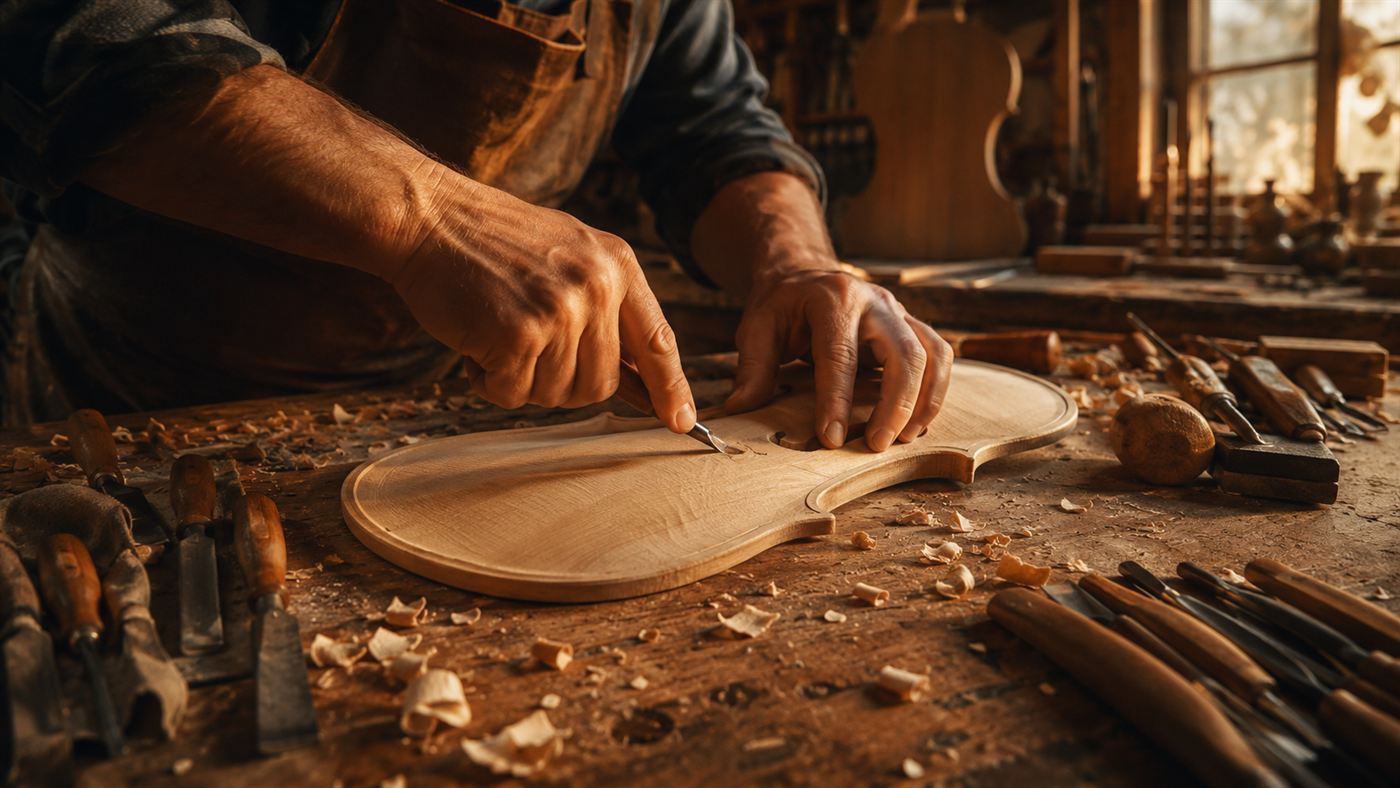
And then there is simply the craft. Antonio Stradivari spent a lifetime perfecting the arching of the plates, the thickness of the wood in each spot, the shape of every curve, and it may be that his genius was not one secret ingredient but a thousand tiny judgements, honed over decades, that together produce a superb violin.
The test that changed the question
Then modern researchers did something that shook the whole legend. They ran careful blind tests, letting expert violinists play a Stradivarius and top modern violins without knowing which was which, sometimes in darkened rooms or behind screens, and asked which they preferred.
The results were startling. Time and again, the players and even skilled audiences could not reliably tell the old master instruments from the new ones, and in some tests they actually favoured the modern violins. The supposedly unmistakable Stradivarius sound turned out to be far harder to pick out than anyone had assumed.
So why do we still believe in the magic?
Because a great deal more than sound is wrapped up in a Stradivarius. There is the weight of three hundred years of history, the names of the legendary musicians who played each instrument, the staggering price, and the simple human tendency to hear more beauty in something we already believe is precious.
Expectation is powerful. Tell a listener that a violin is a priceless Stradivarius and they will strain to hear genius in it, and tell a player the same and their own confidence may change how they perform. Much of the instrument's aura may live not in the wood at all, but in the story we bring to it.
The honest catch
None of this means a Stradivarius is a fraud, and it would be just as wrong to swing to that extreme. These are genuinely magnificent instruments, made by a Cremona master at the peak of his art, and plenty of great players sincerely love the way they respond. The point is subtler and more interesting than either worship or debunking.
The honest catch is that the gap between a Stradivarius and a fine modern violin is far smaller than the legend insists, and no single lost secret has ever been proven to exist. We keep hunting for one anyway, because a story about vanished genius is more thrilling than the truth, which is that a superb old violin and a superb new one may simply be two superb violins, and that some of the magic we hear is the magic we expect.
The most famous instrument on Earth may owe as much to its story as to its sound. If you could not hear the difference from a fine new instrument, would it still be worth millions to you? Tell us what you think in the comments.
Related reading: the Kensington Runestone, another mystery people refuse to let die. See also the Cardiff Giant, a marvel that turned out to be a fake, and the Beale ciphers, a puzzle no one can quite close. See also Salvation Mountain, one man's painted hill that survives only by being remade.