A farmer dug a stone out of his field carved with a Viking message from 1362, and more than a century later nobody can fully kill the mystery
Tangled in the roots of a tree on a Minnesota farm, so the story goes, lay a slab of rock with a chilling message chiselled into it in Norse runes. If it is real, Scandinavians stood in the American Midwest more than a century before Columbus. If it is not, it is one of the most stubborn hoaxes the country has ever produced.
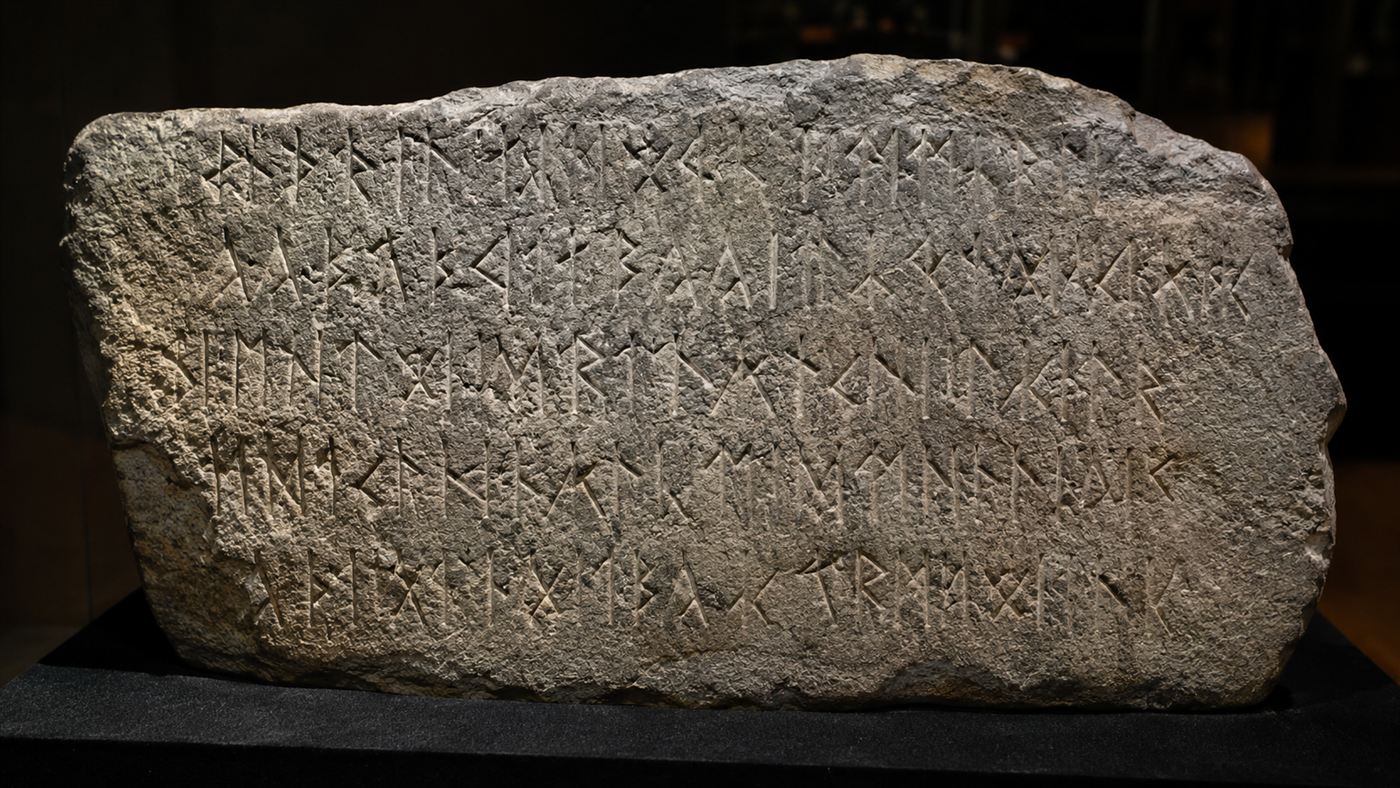
The Kensington Runestone is covered in runes telling of a deadly Norse expedition in 1362. Illustration: Watts & Wild.
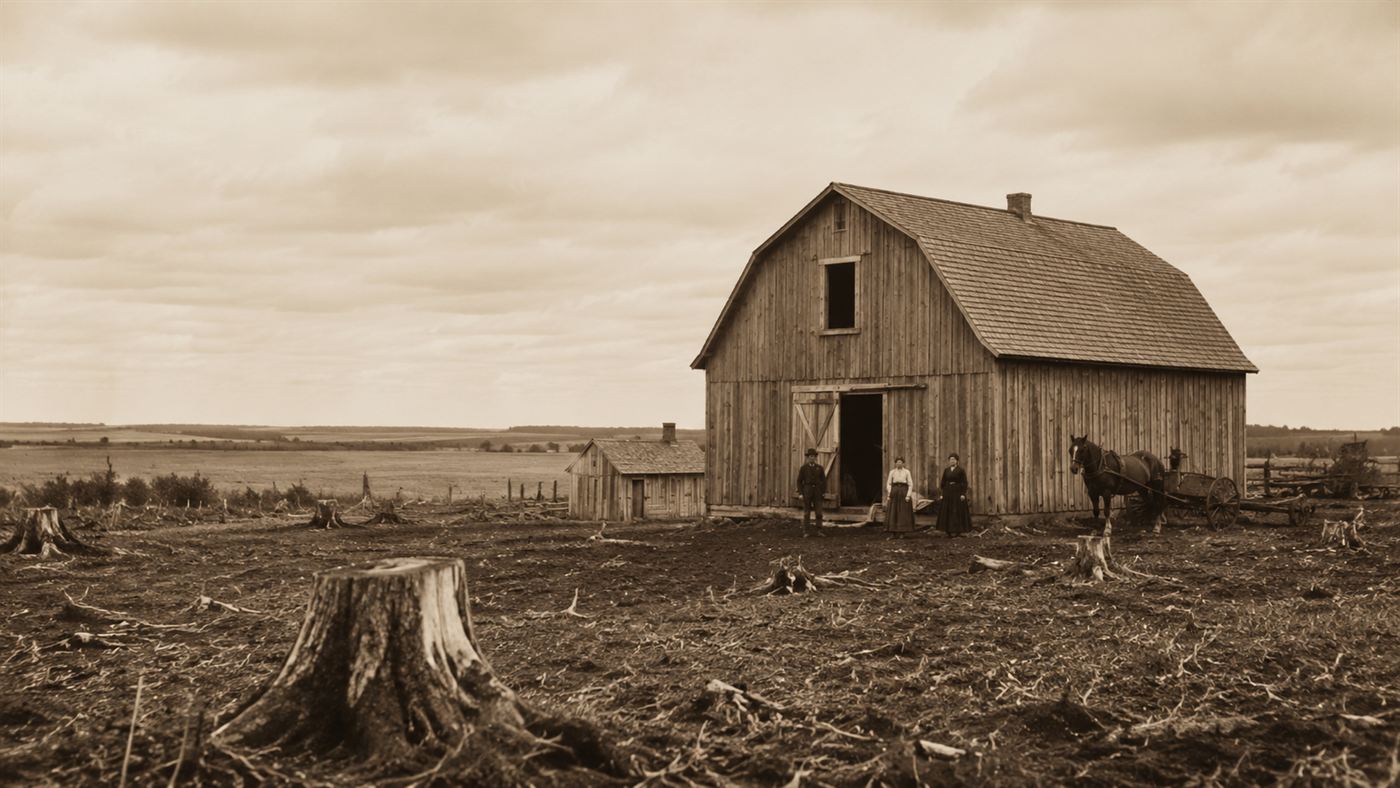
In 1898, near the small town of Kensington, Minnesota, a Swedish immigrant farmer named Olof Ohman said he was clearing land when he pulled up a heavy stone slab wrapped in the roots of an aspen. Its face was covered in strange angular letters, and when they were finally read, they told an extraordinary story.
The carving describes a party of Norse explorers, Goths and Norwegians, on a journey west, and records that some of them returned to camp to find their companions dead. It is dated 1362, which would place Scandinavians deep in North America generations before any Columbus, and it turned a quiet farm into the centre of a fight that still smoulders.
The short version is that most experts are confident the Kensington Runestone is a fake, and yet it has refused, for well over a hundred years, to lie down and be forgotten. That refusal is the really interesting part.
What the Kensington Runestone says
Read aloud, the inscription is genuinely eerie. It speaks of a small band of travellers camped by a lake, and of ten men found red with blood and dead when the others came back from fishing. It ends with a line about men left to guard their ships a long journey away, a haunting detail that gives the whole thing the ring of a real distress note.
That vivid, tragic quality is part of why the stone grips people. It does not read like a dry label; it reads like the last words of a doomed expedition, and it invites you to imagine lost Norsemen dying in the American wilderness centuries before the history books say anyone from Europe was there.
Why most experts call it a hoax
The trouble is the language. When scholars of Old Norse examined the Norse runes, many concluded that the wording, spelling and letter forms looked far too modern for 1362, closer to the Scandinavian dialects and schoolbook runes of the nineteenth century than to genuine medieval carving. To trained eyes, it read like someone from Ohman's own era doing an impression of the Middle Ages.
There were other problems. The style of the cuts looked surprisingly fresh for a stone supposedly buried for five hundred years, and Olof Ohman was known to own books touching on runes and Scandinavian history. For most professional linguists, the simplest explanation was a knowledgeable hoax, made by someone with the right books and a talent for carving.
Why won't the story die?
If the case against it is so strong, you might expect the Kensington Runestone to have quietly vanished into a museum footnote. Instead it became a local treasure. The nearby town embraced it, built a giant roadside monument to it, and generations of residents grew up proud of their Viking stone, hoax or not.
Part of the pull is identity. For Scandinavian immigrant communities in the upper Midwest, a stone proving their ancestors had reached this land first was a powerful and flattering idea, and that emotional investment outlived any amount of academic doubt. A handful of amateur researchers have kept up the fight for authenticity ever since, and each new argument gives the legend another breath.
The honest catch
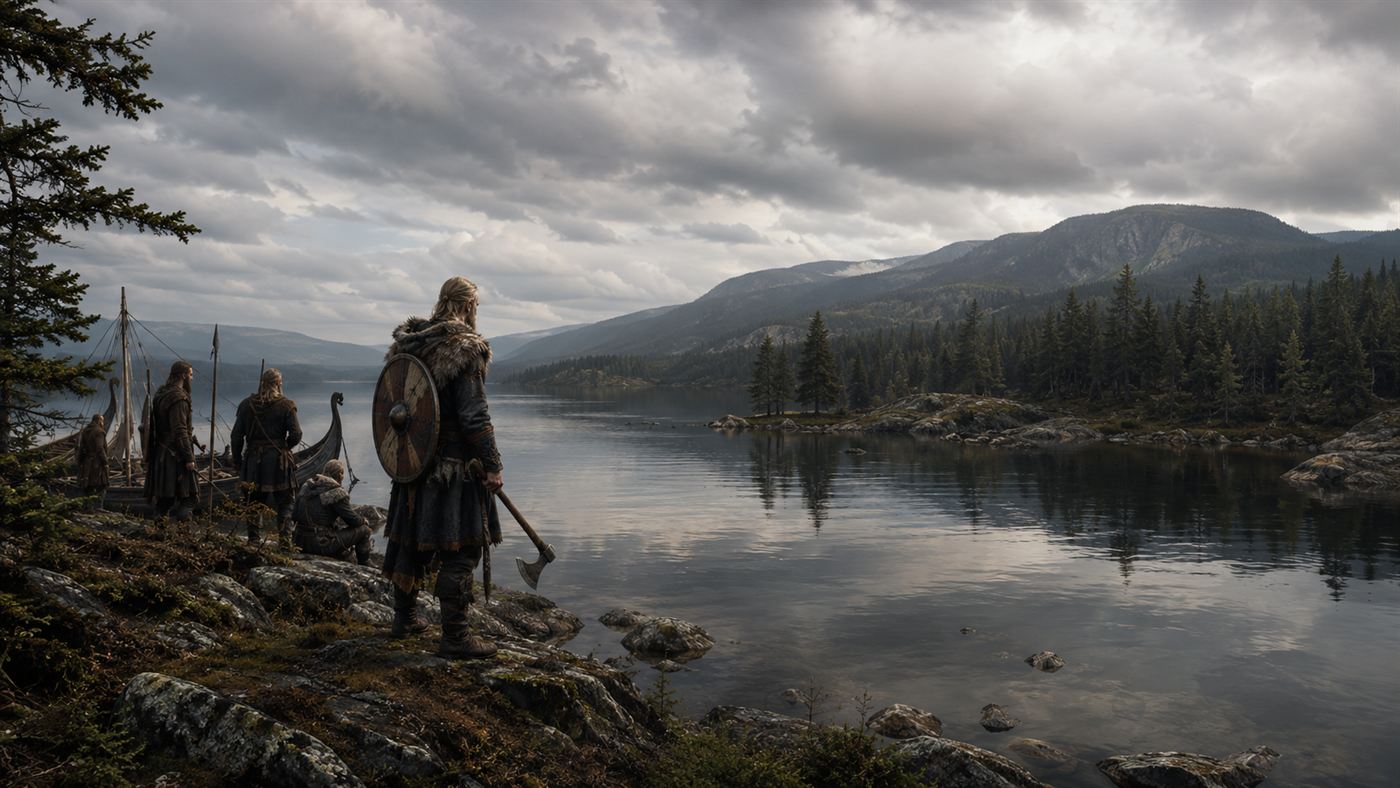
It is tempting to sneer at the believers and close the file, but honesty cuts both ways here. Norse explorers really did reach North America, at L'Anse aux Meadows in Newfoundland, around the year 1000, so the general idea of Vikings on this continent is not fantasy at all. That real history gives the runestone just enough plausibility to keep the door open a crack.
Still, the weight of expert opinion is clear, and the most likely truth is the less romantic one: that the Kensington Runestone is a clever nineteenth-century creation, not a medieval cry for help. What makes it worth telling is not the buried Vikings but the living people, a farmer whose honesty we cannot now test, a town that adopted a stone as its own, and the simple, human way a good story can outrun the evidence against it for a hundred years and counting.
A stone that would rewrite history, or a farmer's quiet joke that outlived him by a century. Would you want the runestone to be real, even if the evidence says it is not? Tell us what you think in the comments.
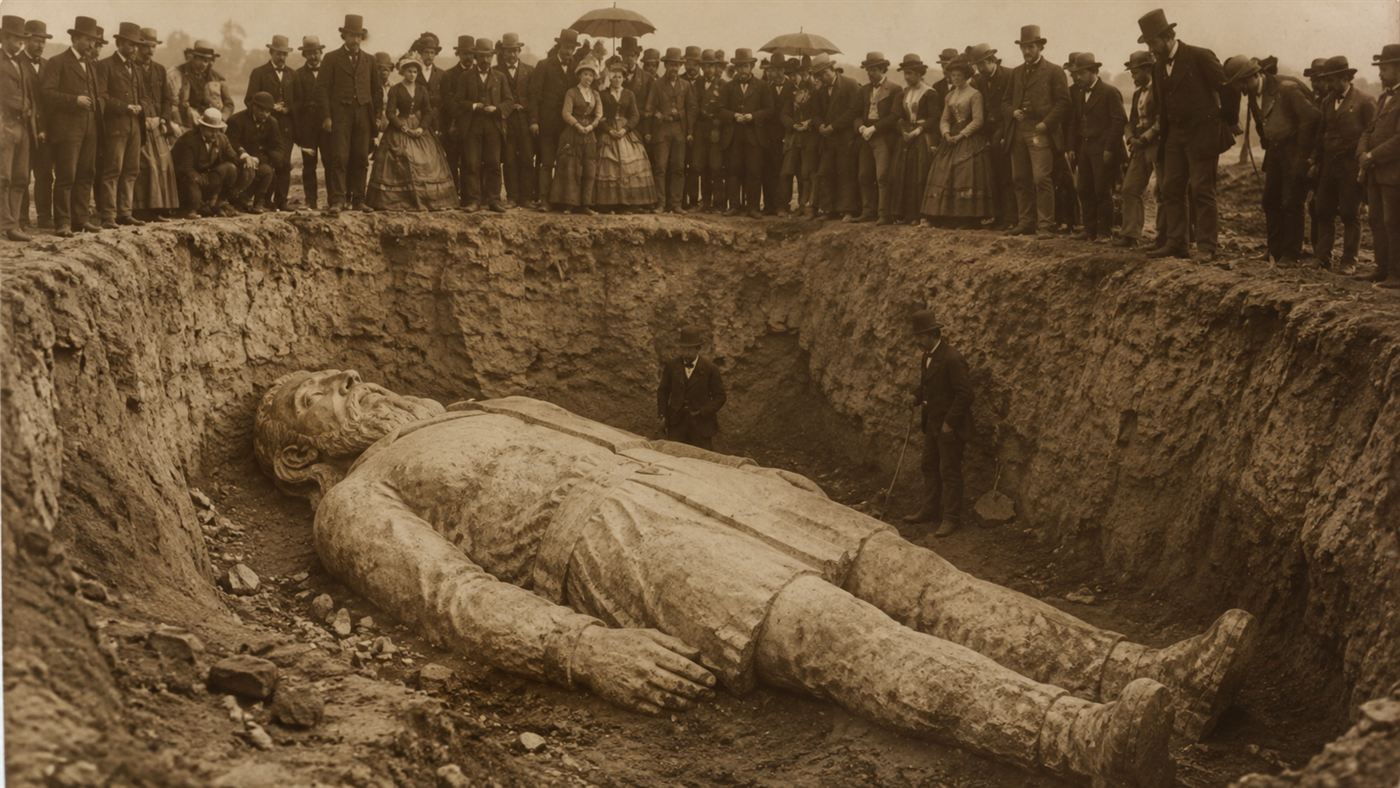
Related reading: the Cardiff Giant, a fake stone man that fooled a nation the same century. See also the Beale ciphers, another American mystery no one can quite close, and the Fox sisters, whose confessed hoax launched a whole religion. See also the Stradivarius, whose lost secret may be a myth we refuse to give up.