A single chemical reaction makes bread out of thin air and feeds half the world, yet the genius behind it also invented poison gas, and it now devours a chunk of the planet's energy
It is the most important invention almost nobody can name. The Haber-Bosch process pulls nitrogen straight out of the air and turns it into fertilizer, and without it roughly half the people alive today could not be fed. Its story runs from bread for billions to the trenches of the First World War, and it sits quietly behind a huge slice of the world's energy use.
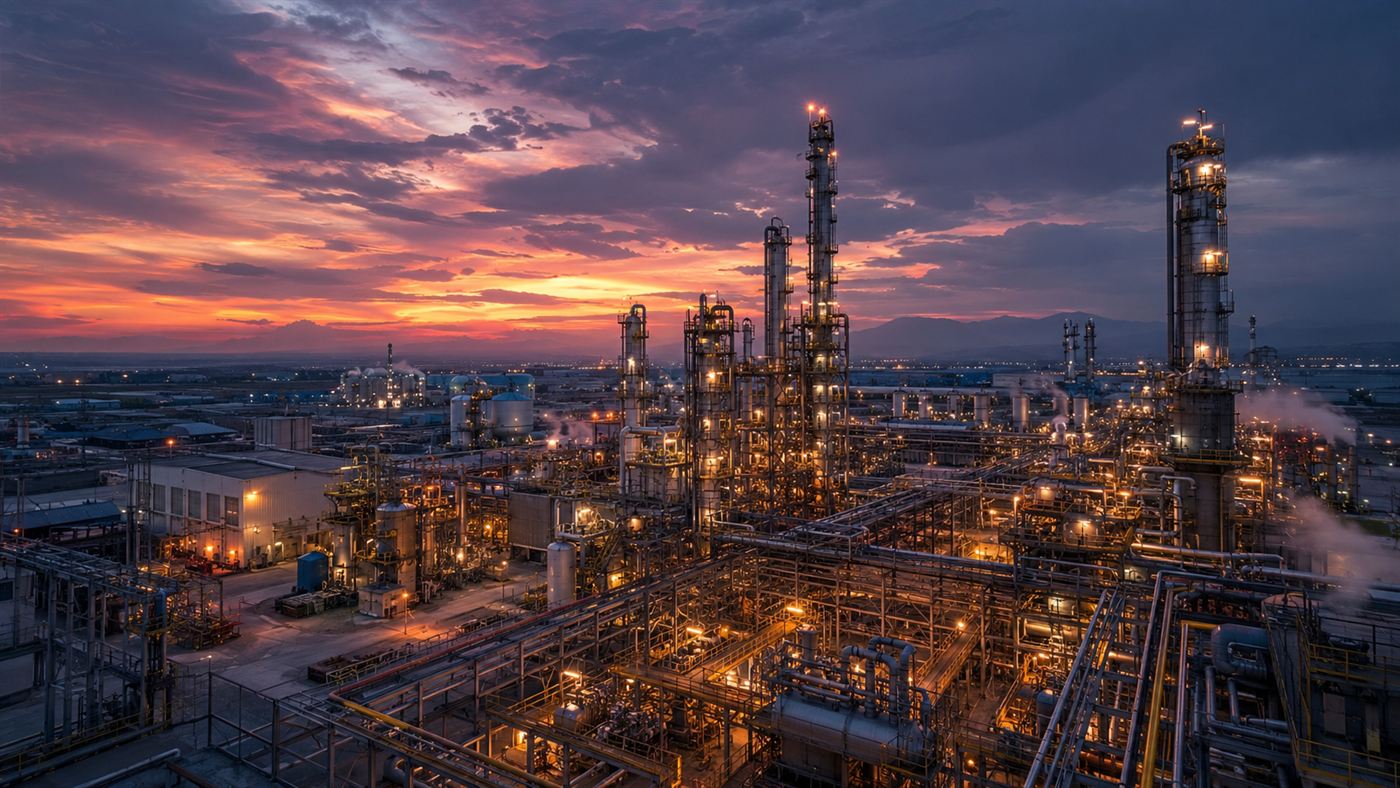
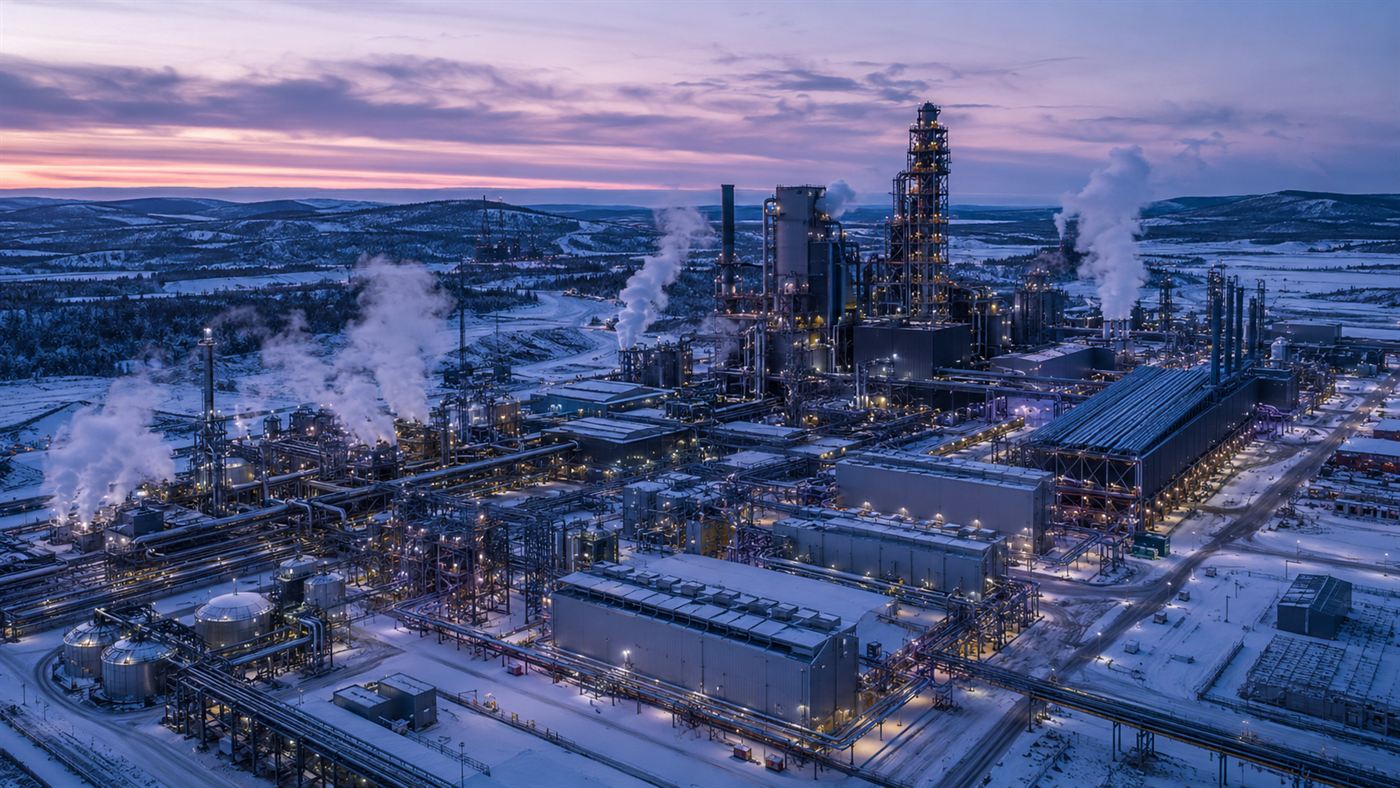
In plants like this, nitrogen from the air is forged into ammonia under crushing pressure. Illustration: Watts & Wild.
Here is a fact that sounds impossible: a large part of the protein in your body was assembled with the help of a machine that grabs gas out of thin air. The air around you is nearly four-fifths nitrogen, the key ingredient plants need to grow, yet that nitrogen is locked in a form almost no living thing can use. For most of history, the amount of food the world could grow was capped by how much usable nitrogen nature provided.
That ceiling was lifted in the early 20th century by two German chemists. The reaction they perfected breaks the iron grip of atmospheric nitrogen and turns it into ammonia, the raw material of modern fertilizer. It is no exaggeration to say it changed the carrying capacity of the planet. As Our World in Data has estimated, synthetic fertilizer now underpins the food supply of about half the world's population.
How the Haber-Bosch process makes bread from air
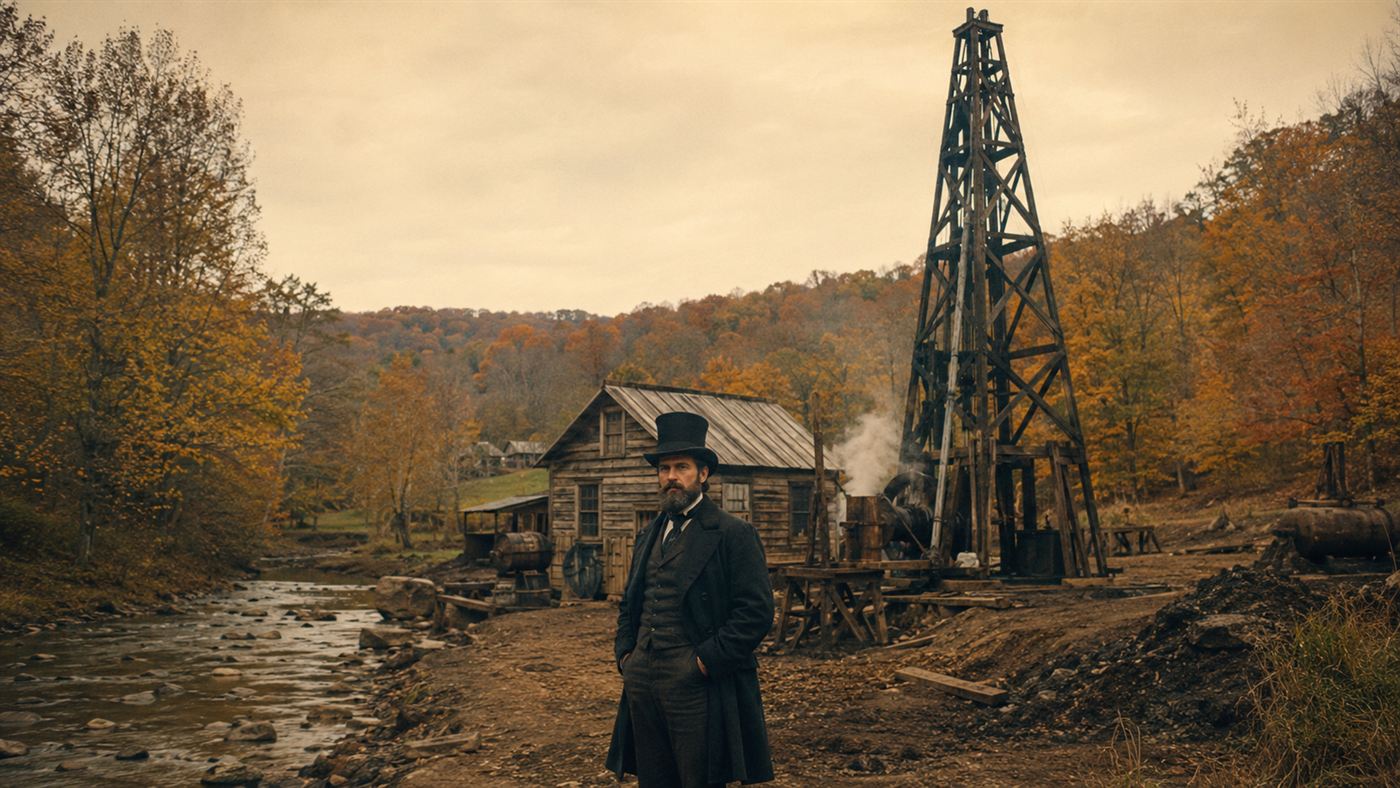
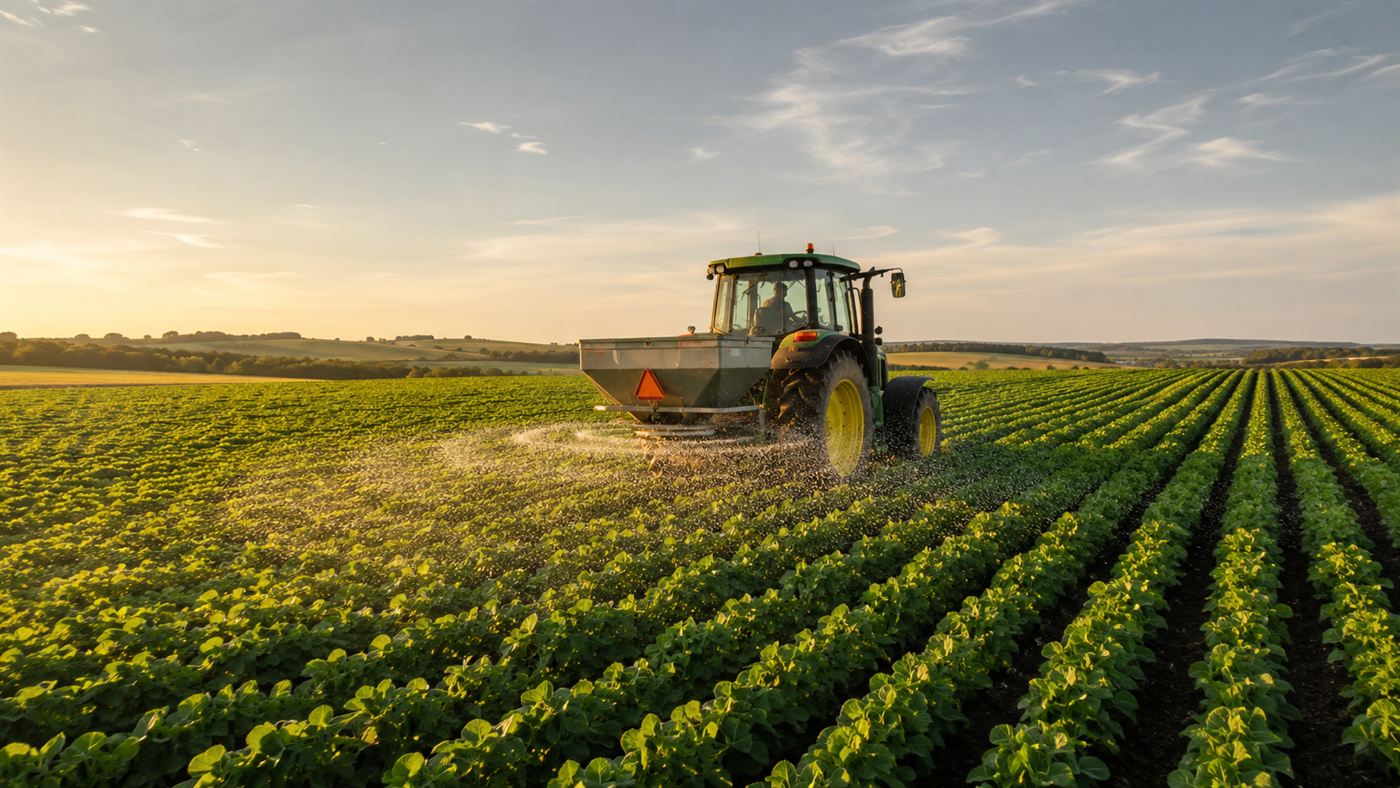
The chemistry sounds simple and is fiendishly hard. You take nitrogen from the air and hydrogen, and you force them to combine into ammonia. The trouble is that nitrogen molecules are extraordinarily stubborn, bound so tightly that they will not react under normal conditions. As Britannica recounts, Fritz Haber found around 1909 that under enormous pressure and high heat, with the right metal catalyst, the two gases could be coaxed together.
Haber proved it could be done in the laboratory; the engineer Carl Bosch, working for the chemical giant BASF, then performed the far harder feat of doing it at industrial scale, building reactors that could survive those brutal pressures day after day. By 1913 the first factory was running. The Haber-Bosch process took a delicate bench experiment and turned it into a global industry that now produces well over a hundred million tonnes of ammonia a year.
The dark side of the man who fed the world
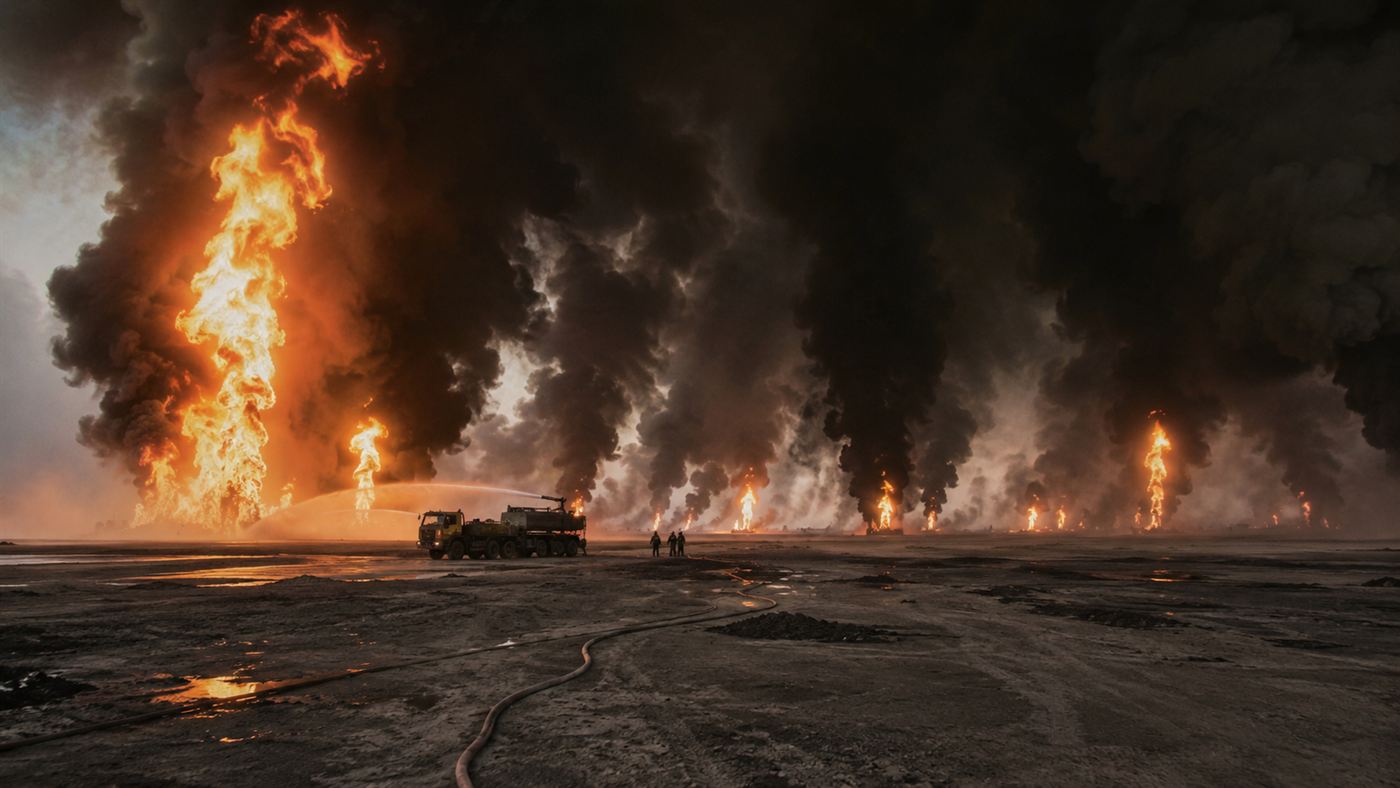
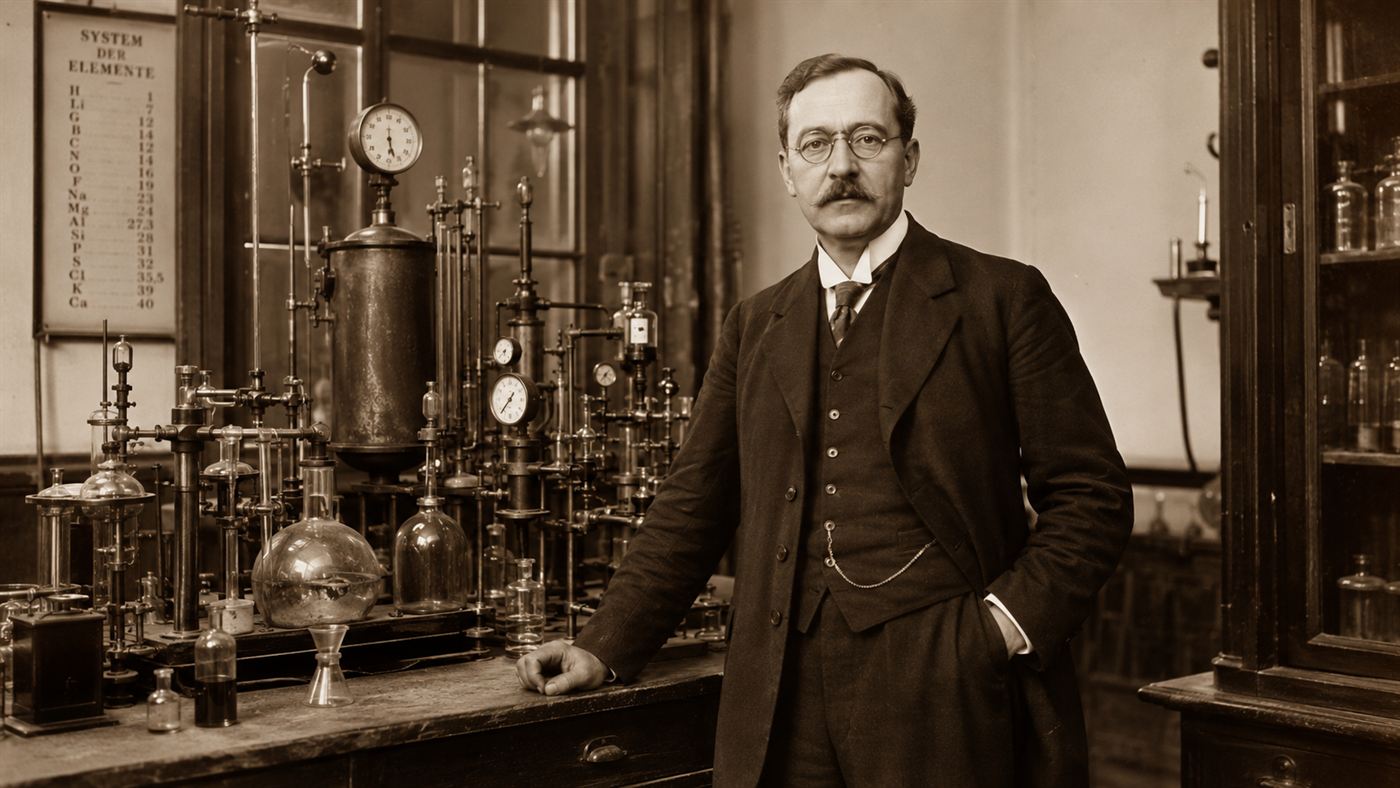
If the story stopped there, Fritz Haber would be remembered as a straightforward hero. It does not. The same genius that pulled fertilizer from the air also made him, by his own enthusiastic choice, the father of modern chemical warfare. As Wikipedia documents, during the First World War he personally oversaw the development and first use of chlorine gas, and was present at the front when it was released against Allied troops in 1915.
The human cost reached into his own home. His wife, Clara Immerwahr, herself a gifted chemist, is widely reported to have killed herself in despair over his weapons work, days after the first gas attack. Haber pressed on, won a Nobel Prize that many found grotesque given his role in the war, and poured his talent into a science that had given the world both more food and a new way to die.
A bitter final irony
History was not done with Fritz Haber. A proud German patriot who had converted from Judaism, he discovered after the Nazis took power that none of his service mattered to them. In 1933 he was pushed out of his own institute for being Jewish, and he died in exile the following year, broken and far from home.
The cruelest twist came after his death. Research linked to his institute on cyanide-based pesticides helped lead to the gas later used in the Nazi death camps, where members of his own extended family were murdered. The man who arguably saved more lives than anyone in history is bound, by the same chain of chemistry, to one of its greatest horrors. Few legacies in science are so impossible to sum up in a single sentence.
The honest catch
Beyond the human drama, the process carries a heavy bill that is rarely mentioned at the dinner table. Forcing those gases together takes a lot of heat and pressure, and the hydrogen it needs is almost always stripped from natural gas. Add it all up and making ammonia swallows somewhere around 1 to 2 percent of the entire world's energy and pumps out a serious share of industrial carbon dioxide.
There is an ecological hangover too. We now make so much synthetic nitrogen that the excess runs off farms into rivers and seas, fuelling algal blooms and dead zones, and warps the planet's natural nitrogen cycle. The Haber-Bosch process is not a clean miracle; it is a Faustian bargain that trades cheap, abundant food for a steady, hidden drain on energy and the environment.
Why an invisible reaction still rules our lives
None of that changes the central, staggering fact: take this one reaction away and the modern world simply cannot feed itself. That is why engineers are now racing to make green ammonia, splitting water with renewable electricity to supply the hydrogen instead of using fossil gas, trying to keep the food without the carbon.
It is a strange thing to owe your existence to a chemical process you have probably never heard of, devised by a man who was both saviour and war criminal. The next time you eat a slice of bread, there is a fair chance the nitrogen in it passed through a Haber-Bosch reactor first. Few inventions are so vital, so invisible, and so impossible to feel simple about.
One reaction feeds half the world, burns a slice of its energy, and was invented by a man who also made poison gas. Does knowing its dark history change how you feel about the food on your plate? Tell us in the comments.
Related reading: The Swedish plant making steel with clean hydrogen instead of coal.