The clean hydrogen the world is spending billions to manufacture may be sitting under our feet already, and in France geologists think they have found 92 million tonnes of it brewing naturally underground
The world is pouring billions into machines that split water to make clean hydrogen. It now turns out the planet may have been quietly making the stuff on its own all along, and in France geologists believe they have found one of the largest deposits of natural white hydrogen ever recorded.
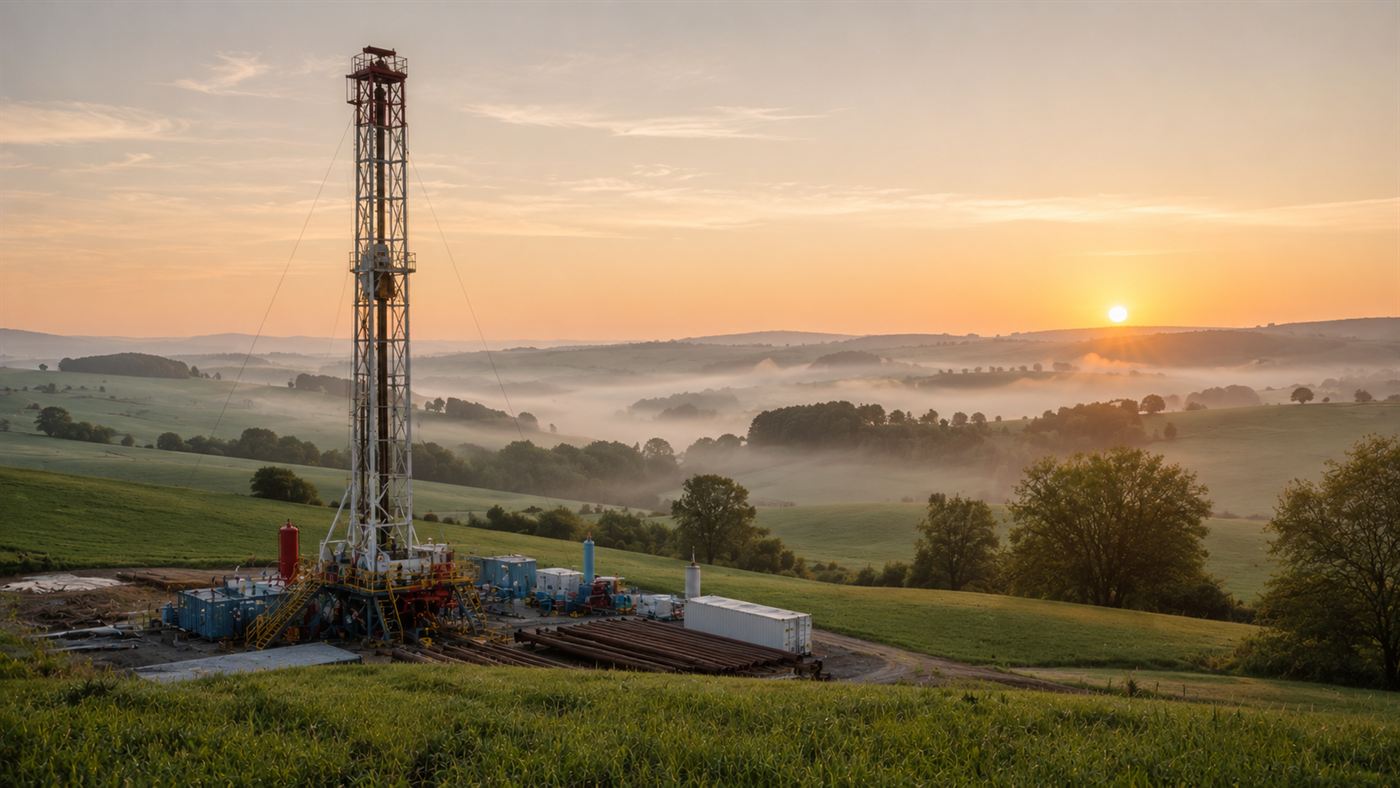
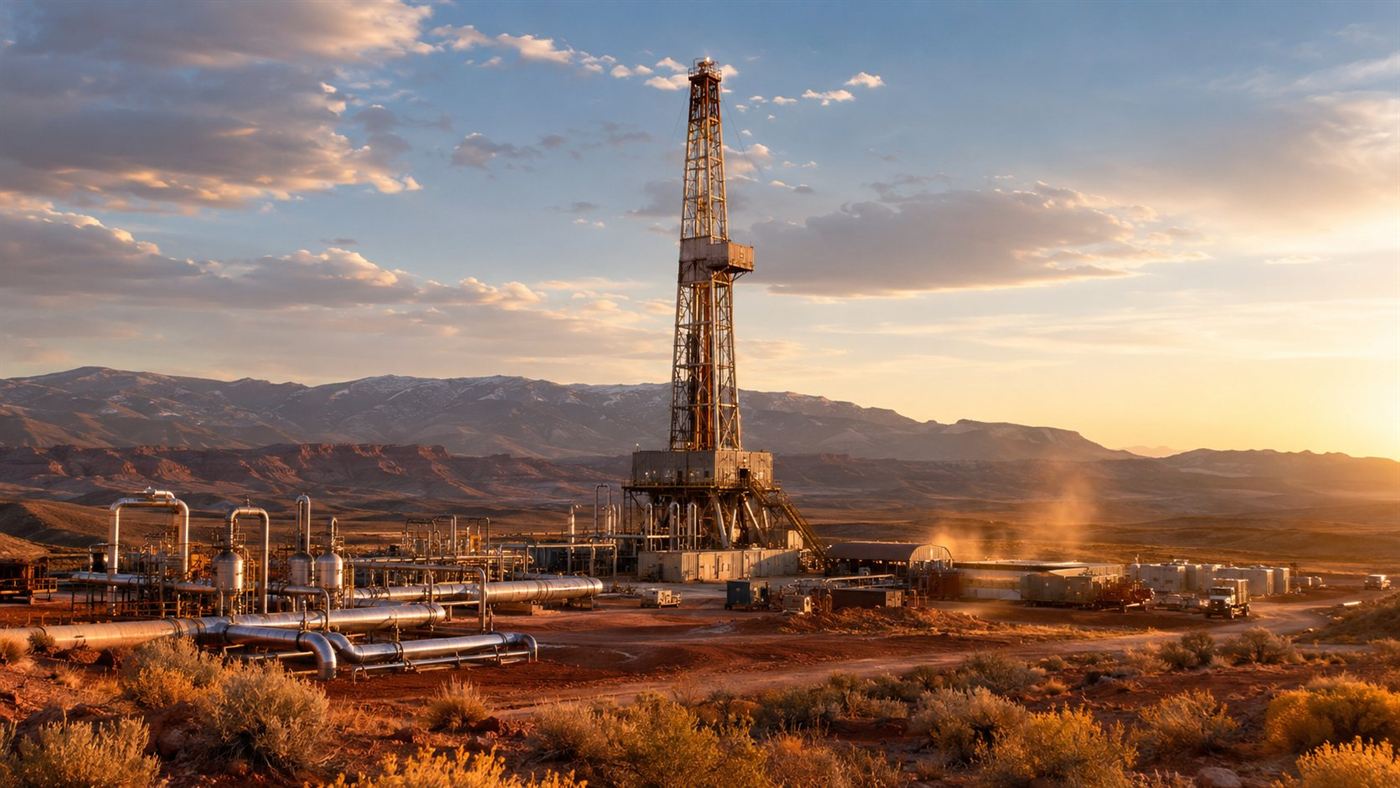
Drilling rigs are now probing the French countryside for natural hydrogen. Illustration: Watts & Wild.
For years, hydrogen has been sold as the clean fuel of the future with one big asterisk: making it is hard. Most of the hydrogen used today is stripped out of natural gas in a process that pumps out carbon dioxide, and the clean version, made by splitting water with electricity, is expensive enough that it barely exists at scale. The whole debate has been about how to manufacture the stuff.
Which is why a discovery under the fields of eastern France has caused such a stir. Geologists were not even looking for it, but instruments lowered into old mine workings kept detecting rising concentrations of pure hydrogen gas, the kind the Earth appears to be generating entirely on its own. Suddenly the question is not how to make hydrogen, but how to go and dig it up.
The fuel the Earth makes for free
This naturally occurring gas has a colour-coded nickname, white hydrogen, sometimes gold hydrogen, to set it apart from the grey kind made from fossil gas and the green kind made with renewable electricity. It forms underground through natural chemistry, most famously when water reacts with iron-rich rocks deep in the crust, steadily producing hydrogen that can rise and collect in geological traps.
The appeal is obvious. If you can simply drill into a reservoir of hydrogen the planet made for you, you skip the factories, the fossil gas, and most of the cost and emissions that have held the fuel back. It would turn hydrogen from something you laboriously manufacture into something you extract, much like oil or natural gas, except that burning it produces water rather than carbon dioxide.
France's underground jackpot
The headline find is in the Lorraine and Moselle regions of France. Researchers there have estimated that as much as 92 million tonnes of white hydrogen may lie beneath the area, at depths of around 1,200 to 1,300 metres, in what could be one of the largest deposits ever identified. An initial discovery in 2023 was followed by further promising results in 2025.
The numbers being floated are huge, with some estimates putting the potential value of the Lorraine resource in the tens of billions of dollars. It was stumbled upon almost by accident, by a team that was originally measuring methane in abandoned coal workings and kept finding hydrogen levels climbing the deeper they went. That single observation helped turn natural hydrogen from a geological curiosity into a serious energy prospect.
A global gold rush
France is not alone. In Albania, scientists studying an old chromium mine in the Bulqizë region found hydrogen pouring out of the rock, and a 2025 geophysical campaign estimated a flow of around 11 tonnes of hydrogen a year from a reservoir holding somewhere between 5,000 and 50,000 tonnes. In Mali, a single well has been quietly supplying hydrogen that powers a village's electricity for years.
From Kansas to Spain to Australia, the hunt is now on, and money is following. As Scientific American has reported, interest in these once-ignored hydrogen deposits has surged, drawing in start-ups and major investors betting that natural hydrogen could become a real piece of the clean-energy puzzle. What was a fringe idea a few years ago is fast becoming a worldwide exploration race.
Why this could change everything
If natural hydrogen can be tapped cheaply and at scale, it would be a genuine shortcut. Clean hydrogen is exactly what the hardest-to-decarbonise industries need, the steelmaking, the fertiliser, the heavy fuels, and the main thing holding it back has always been the price of making it. A fuel you pull straight from the ground, leaving only water when burned, sidesteps that problem in one move.
It would also reshape the energy map. Countries with the right geology, iron-rich rocks and the right underground conditions, could find themselves sitting on a resource they never knew they had, the way oil once redrew the fortunes of nations. A clean fuel that comes from drilling rather than building is a very different proposition from the hydrogen economy people have been planning.
The honest catch
Before anyone gets carried away, the caveats here are serious. Almost all of these figures are estimates, not proven, recoverable reserves, and there is a long road between detecting hydrogen in a borehole and producing it commercially. No one has yet built a large natural-hydrogen industry, and it is entirely possible the gas is too spread out, too deep, or too slow-forming to extract profitably.
There are climate footnotes too. Hydrogen itself is a leak-prone gas that, when it escapes, indirectly worsens warming by extending the life of other greenhouse gases, so a sloppy industry could undercut its own benefits. And drilling for hydrogen carries the familiar risks of any extraction. The promise is real, but so is the gap between a hopeful estimate and a working well, and most projects today are still firmly in the exploration phase.
Why natural white hydrogen matters
The reason this story matters is not that the problem is solved, it is that the question has changed. For a decade the entire clean-hydrogen effort assumed we would have to manufacture every gram of it. The discovery that the Earth may have made vast quantities for free, and that France could be sitting on tens of millions of tonnes of it, reopens the whole game.
Whether white hydrogen turns out to be a genuine revolution or an expensive geological tease is one of the more interesting open questions in energy right now. Would you rather bet on factories that make clean hydrogen, or on a global rush to drill for the kind the planet made itself? Tell us in the comments.