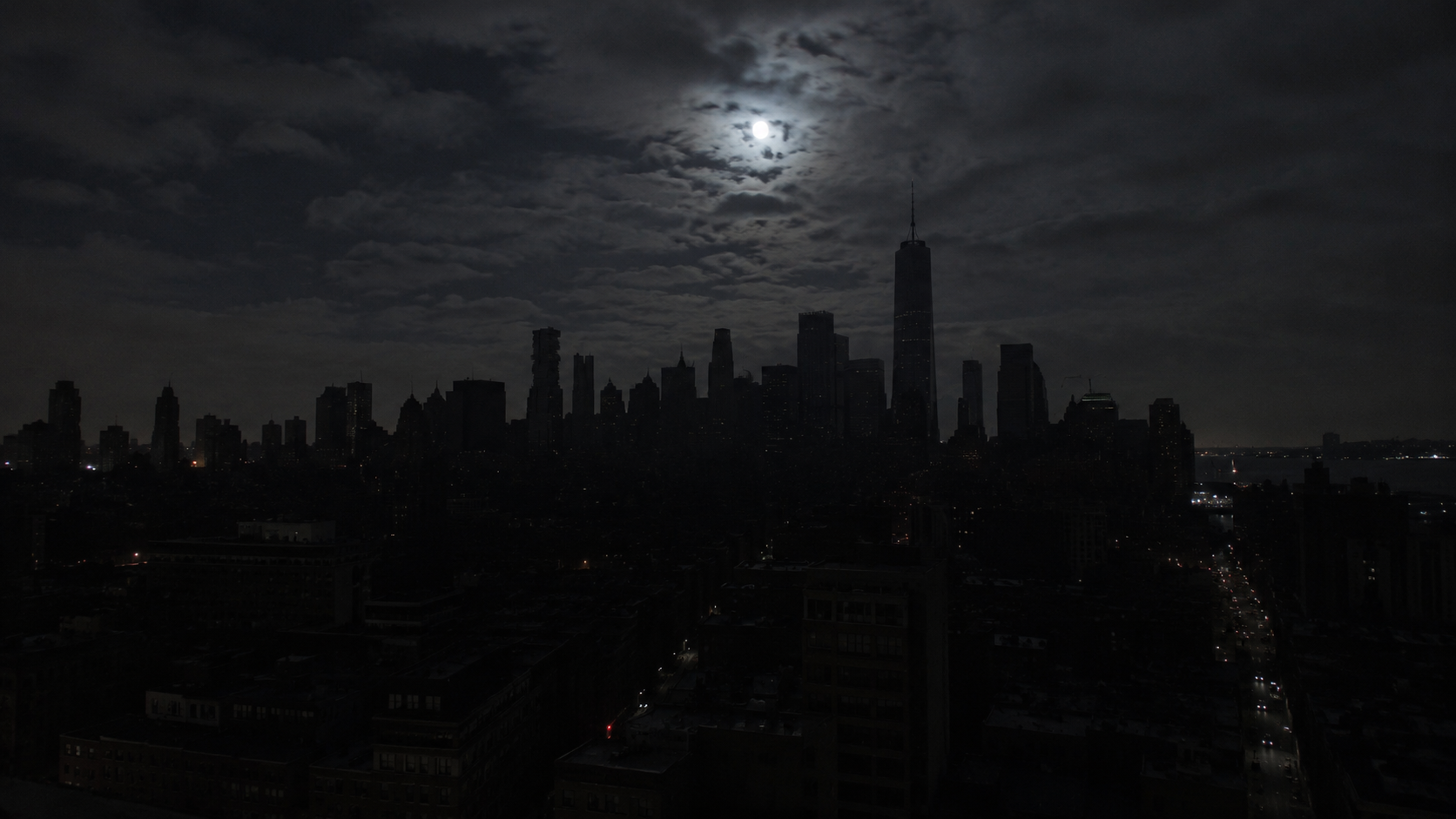
Forget hackers: squirrels have knocked out the power grid more than 900 times, and once took down the NASDAQ
We spend billions worrying about cyberwar switching off the lights. Yet when it comes to squirrels versus the power grid, the furry rodent is winning by a landslide. By the numbers anyone can actually count, squirrels have done far more damage to the grid than every hacker on Earth combined.
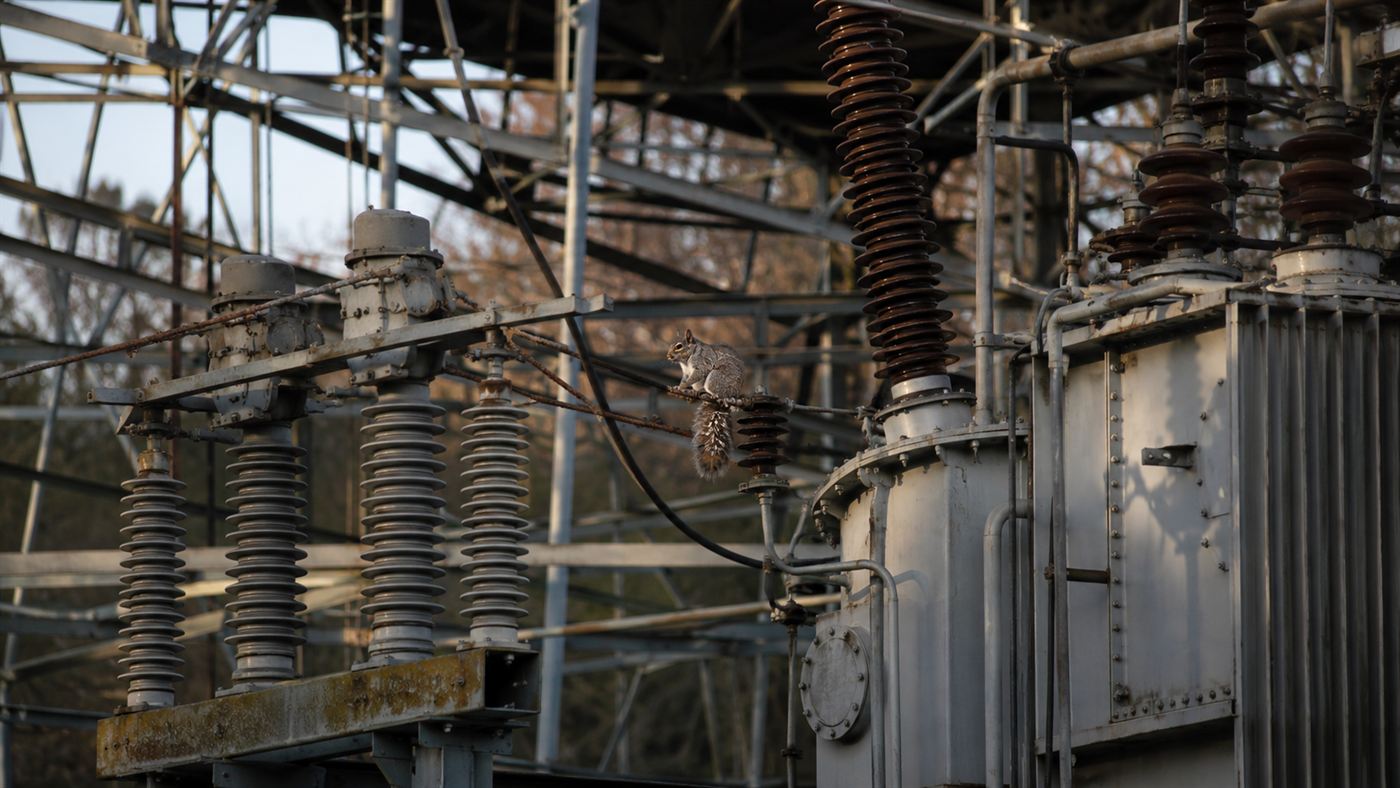
A squirrel in a substation is one short circuit away from blacking out a neighbourhood. Illustration: Watts & Wild.
The claim sounds like a joke, but it came from inside the security industry. A researcher named Cris Thomas, better known by the handle SpaceRogue, got tired of hearing breathless warnings about a coming "cyber Pearl Harbor" that would switch off the power grid. So he started keeping score of what actually knocks the lights out, and built a public tracker for it called CyberSquirrel1.
What he found was a quiet rodent rampage. As his CyberSquirrel1 project documents, squirrels were responsible for 913 of 1,774 animal-caused power disruptions logged over about 35 years, by far the single biggest culprit. Birds, snakes and raccoons fill out the rest, but the squirrel is the undisputed champion of the blackout.
How a squirrel beats the power grid
The mechanics are grimly simple. Substations and transformers are full of exposed, electrified metal spaced just far enough apart to be safe, as long as nothing bridges the gap. A squirrel climbing through that equipment is exactly the wrong size. The moment its body touches two live parts at once, it completes a circuit that was never meant to close, and a violent short does the rest.
The squirrel is almost always killed instantly, and sometimes it takes a chunk of the neighbourhood's electricity with it, occasionally starting a fire in the gear. To a transformer, a curious squirrel and a deliberate act of sabotage look almost identical. The grid does not care about motive, only about metal touching metal.
The squirrel that froze Wall Street
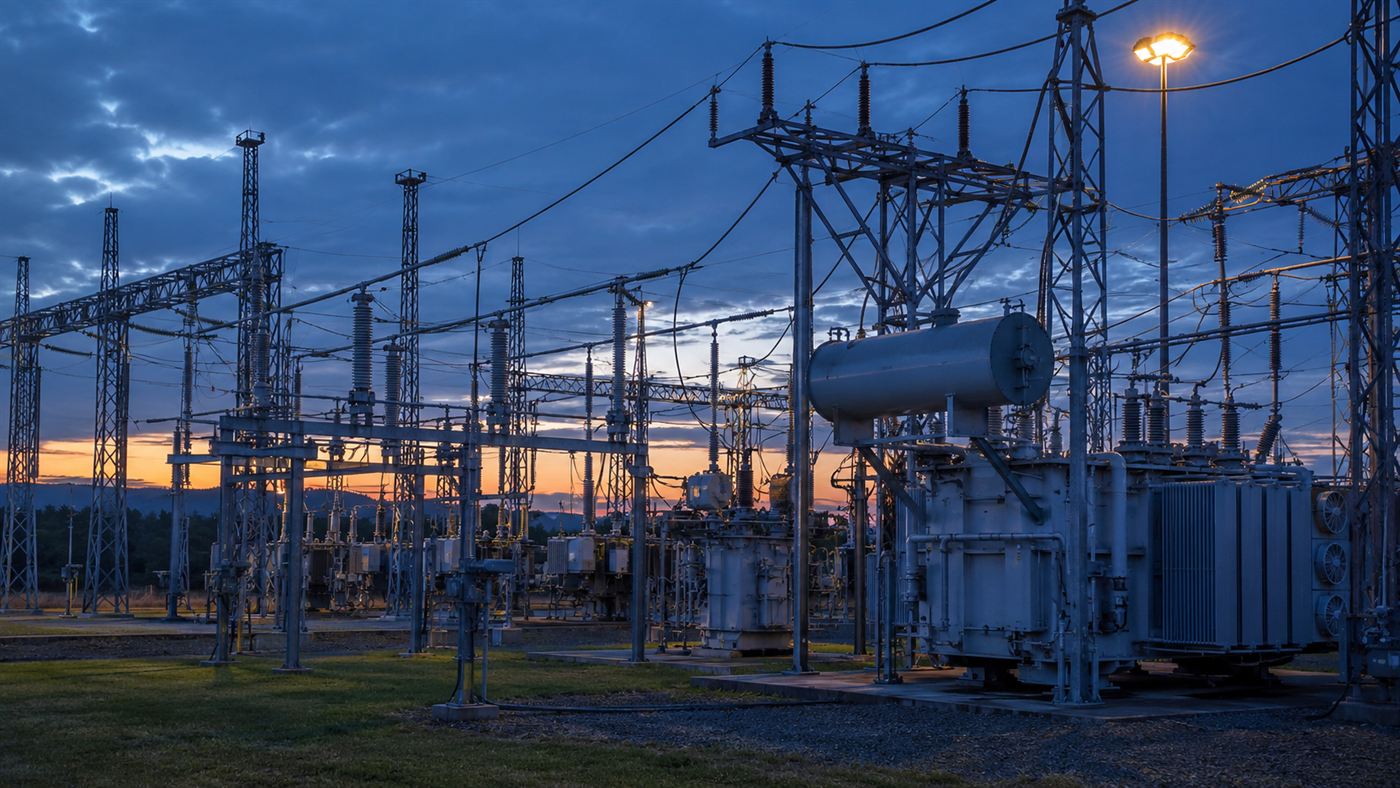
If you think a rodent cannot reach the big leagues, consider Wall Street. As Smithsonian magazine has recounted, in 1987 a single squirrel caused a roughly 90-minute power loss to the NASDAQ's automated trading system, briefly knocking out a market that handled tens of millions of trades. A second squirrel managed to disrupt the NASDAQ again in 1994. No hacker has ever shut down a major stock exchange with the casual ease of a squirrel looking for somewhere to sit.
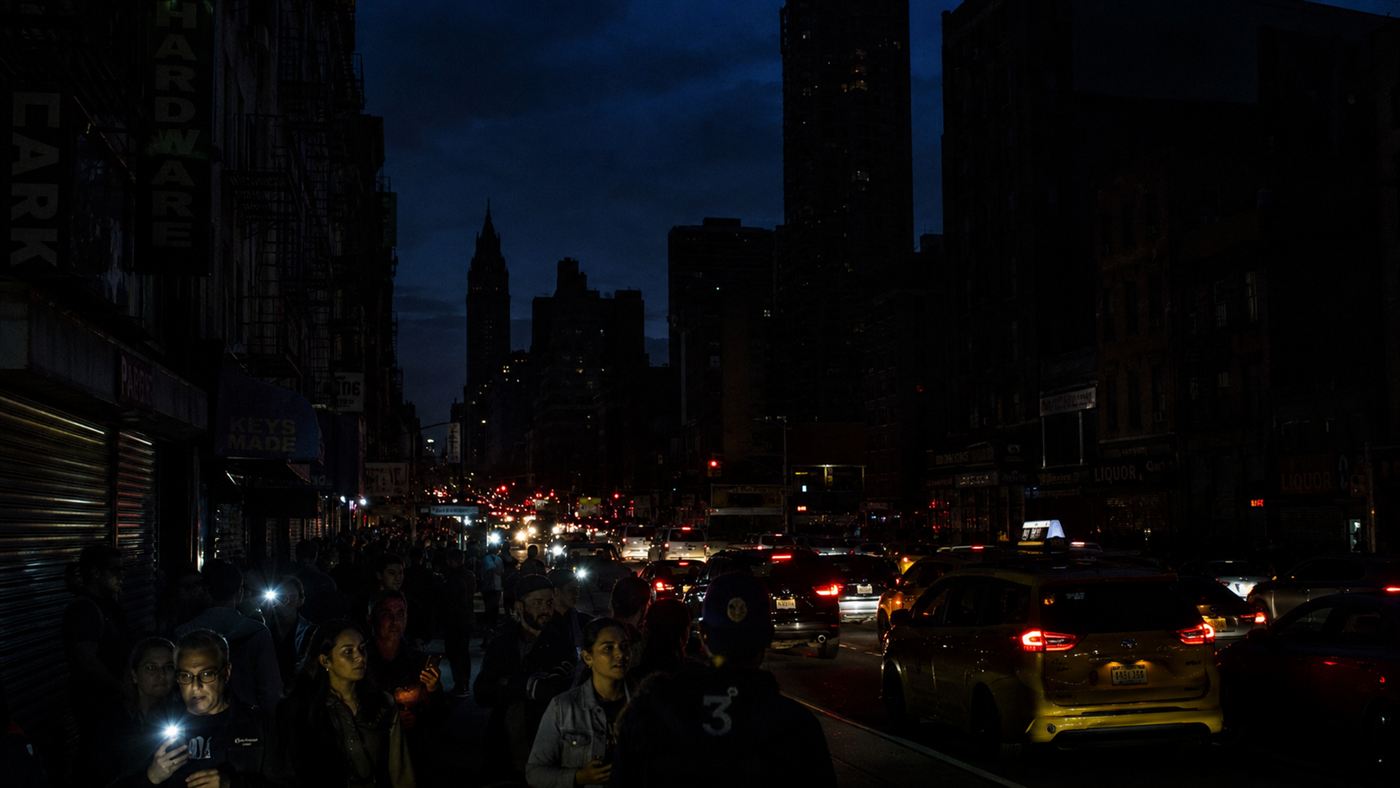
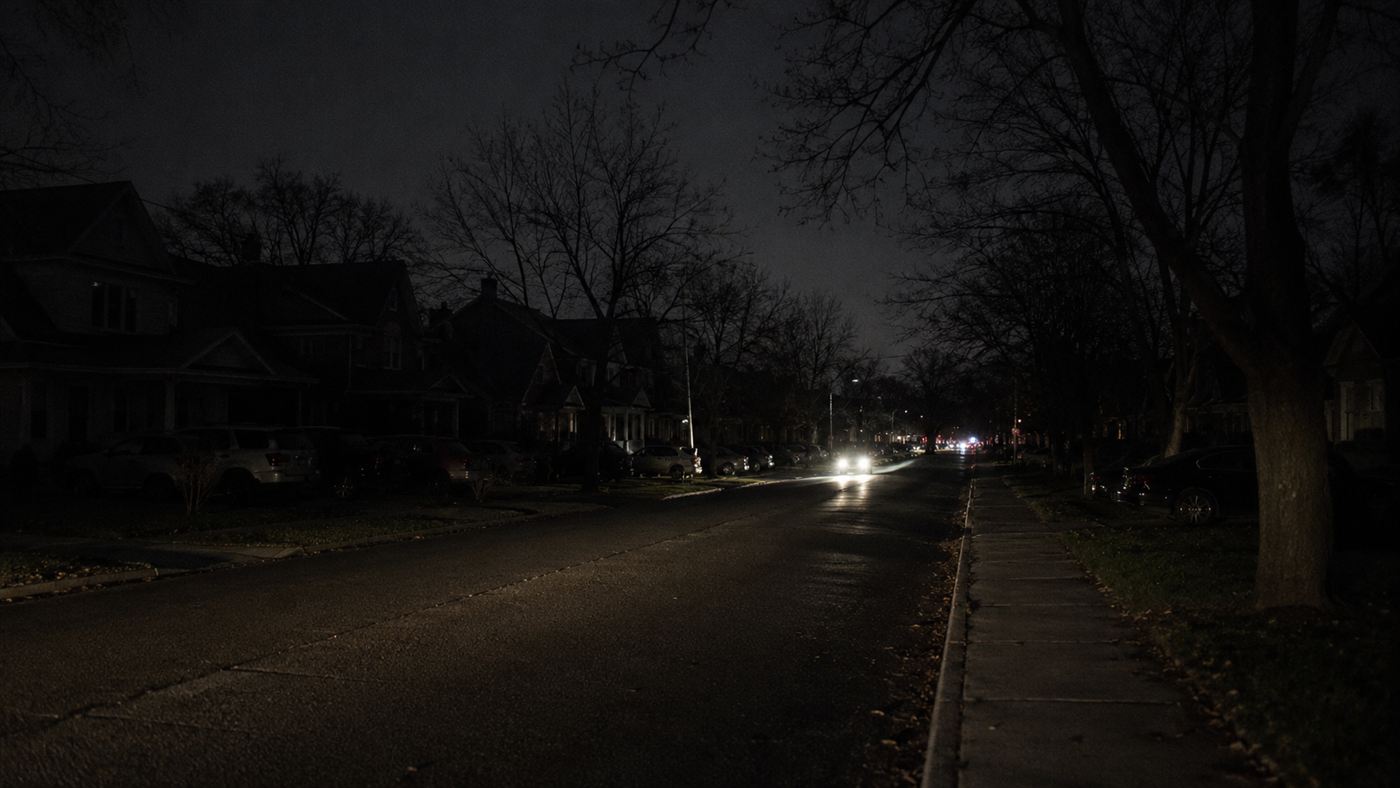
Universities, airports, whole towns and tens of thousands of customers at a time have all gone dark because one animal picked the wrong perch. These are not freak events; they happen somewhere almost every week, which is the entire point Thomas was trying to make.
The honest catch
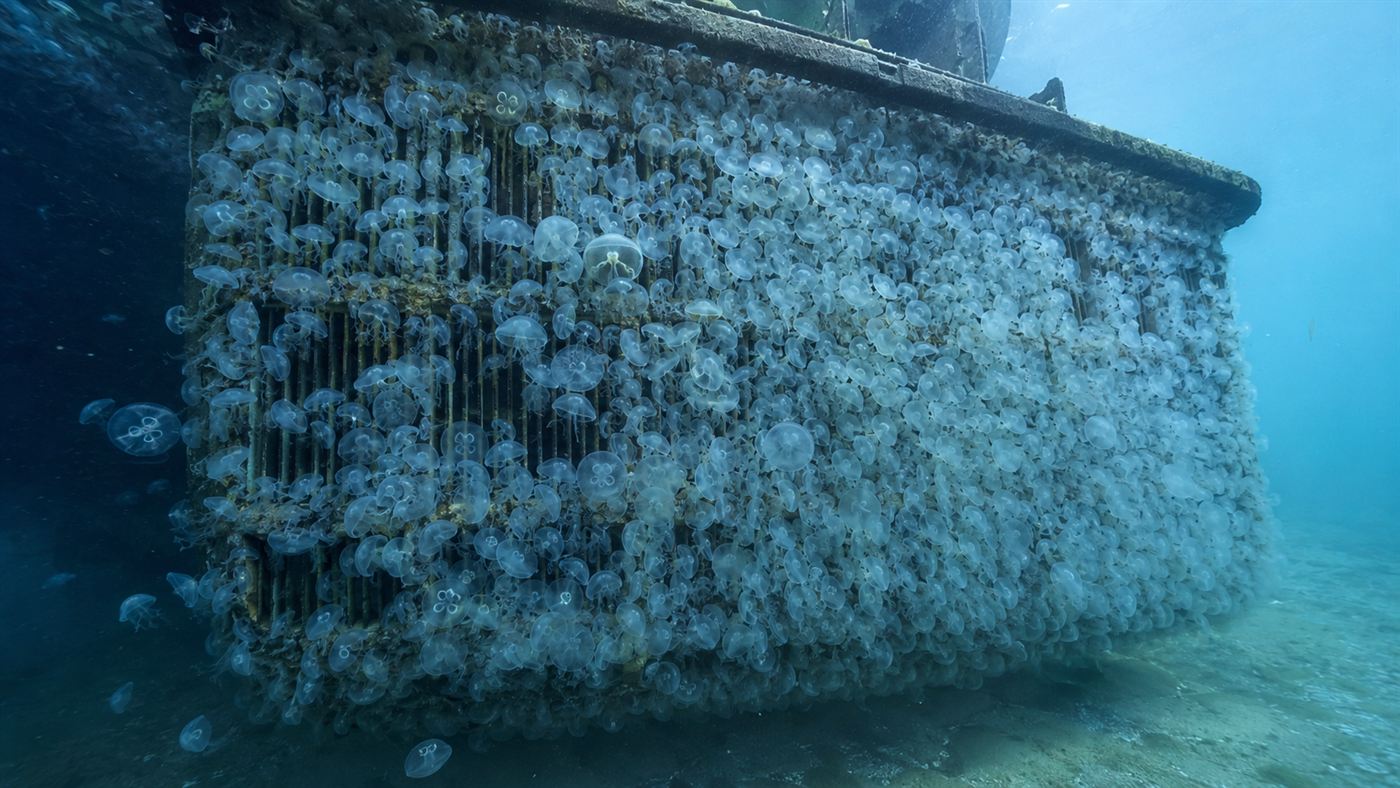
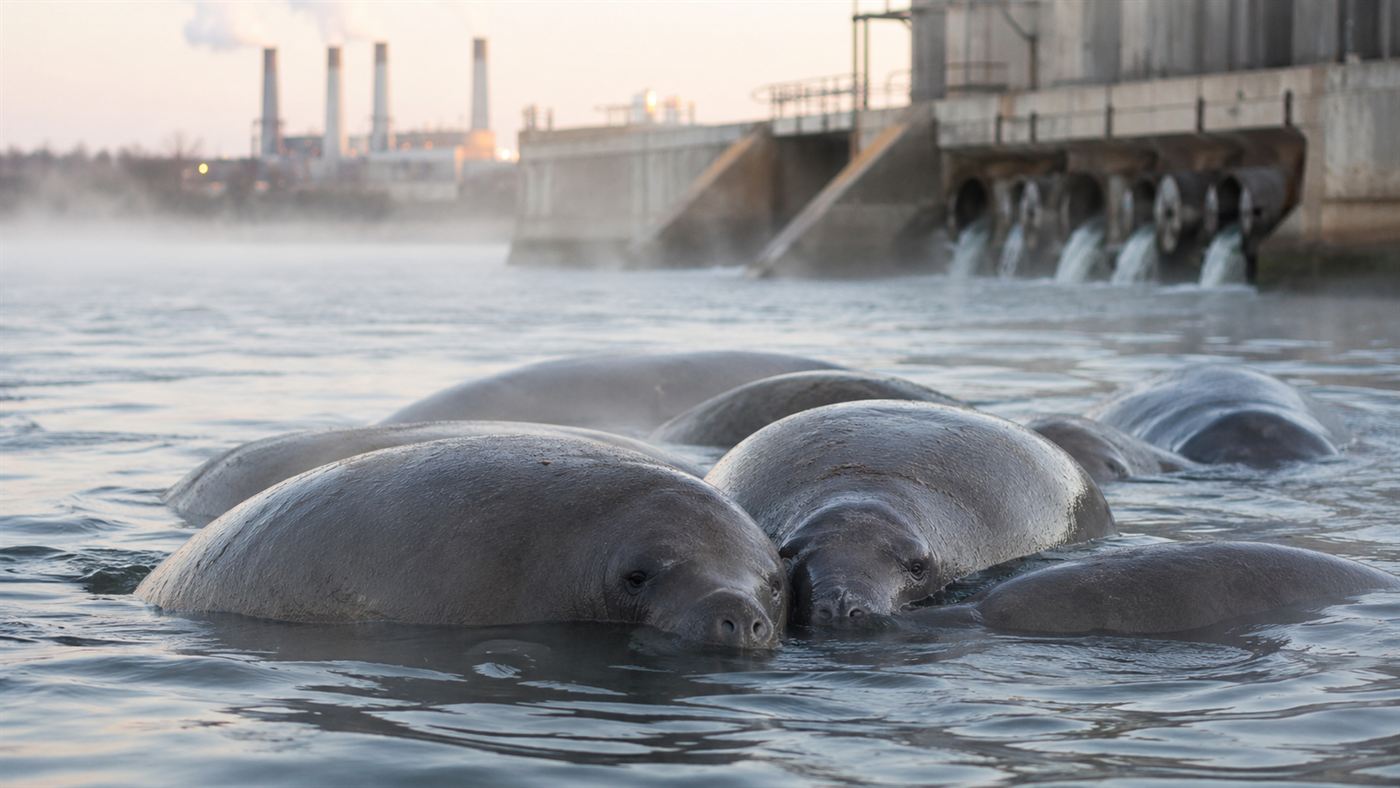
Now the fairness clause, because the comparison is cheekier than it looks. CyberSquirrel1 counts only incidents reported in the news, which means it undercounts both sides: plenty of small animal outages never make the paper, and many serious cyber-intrusions are kept secret for years. So this is not proof that hacking is harmless; a deliberate attack on the grid could one day be far worse than any squirrel. Storms, too, cause bigger and longer outages than any animal. The real message was never that squirrels are terrifying, but that we obsess over dramatic, invisible threats while ignoring the boring, furry one chewing on the actual wires. The grid is a wild frontier where nature keeps wandering in, whether it is a squirrel in a substation, a swarm of jellyfish clogging a nuclear plant, or manatees huddling in its warm-water outflow.
The scariest threat to the power grid is not a shadowy hacker in a hoodie, it is a squirrel that wanted a warm place to sit. Are we spending our attention and money on the right dangers, or just the most cinematic ones? Tell us what you think in the comments.
Related reading: how swarms of brainless jellyfish keep shutting down nuclear power stations.