A swarm of brainless jellyfish can shut down a billion-dollar nuclear reactor in hours, and warming seas are making it happen more often
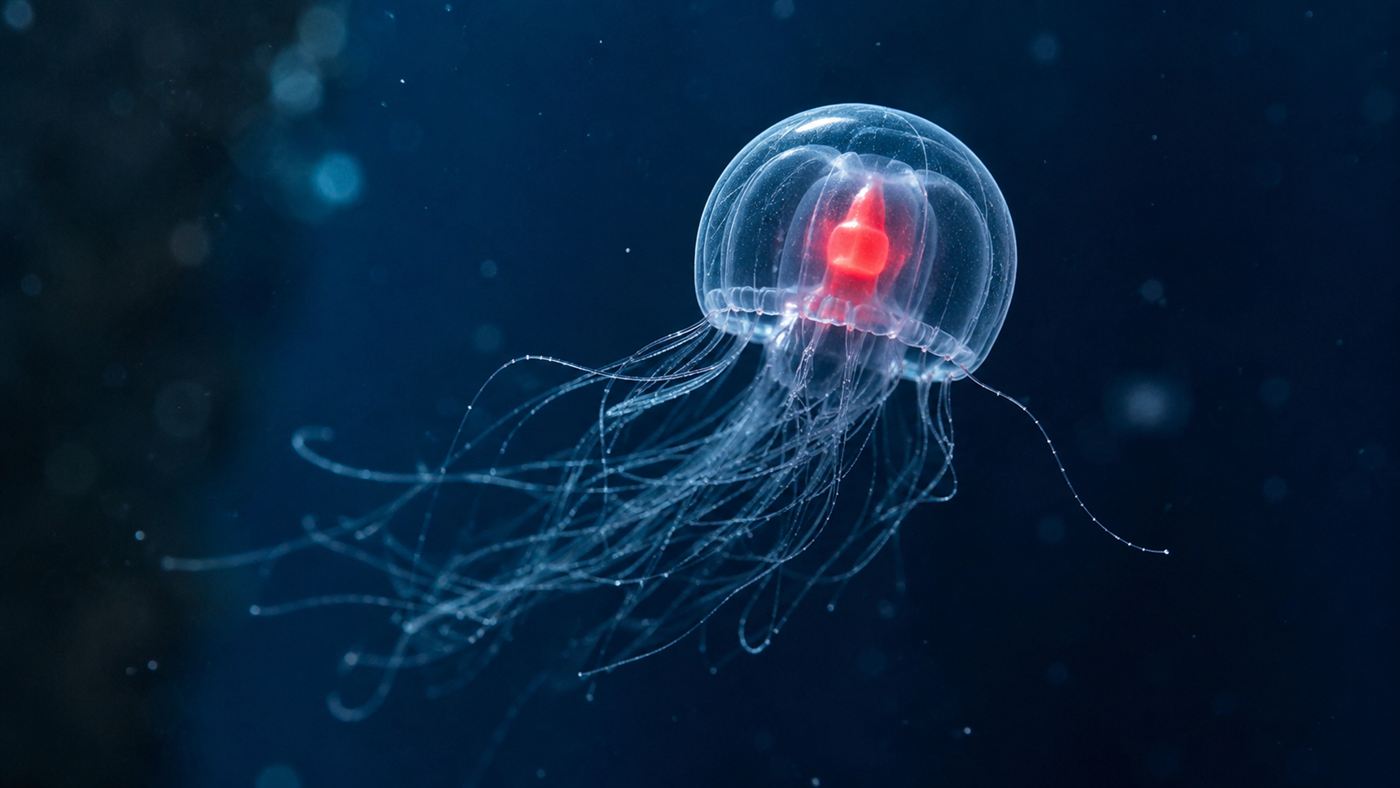
A nuclear reactor is one of the most controlled machines humans have ever built. Yet again and again, one of the oldest and simplest animals in the ocean walks straight past all that engineering and switches it off. When a jellyfish power plant shutdown happens, it is not a meltdown or a hack. It is a soft, brainless blob clogging a pipe.
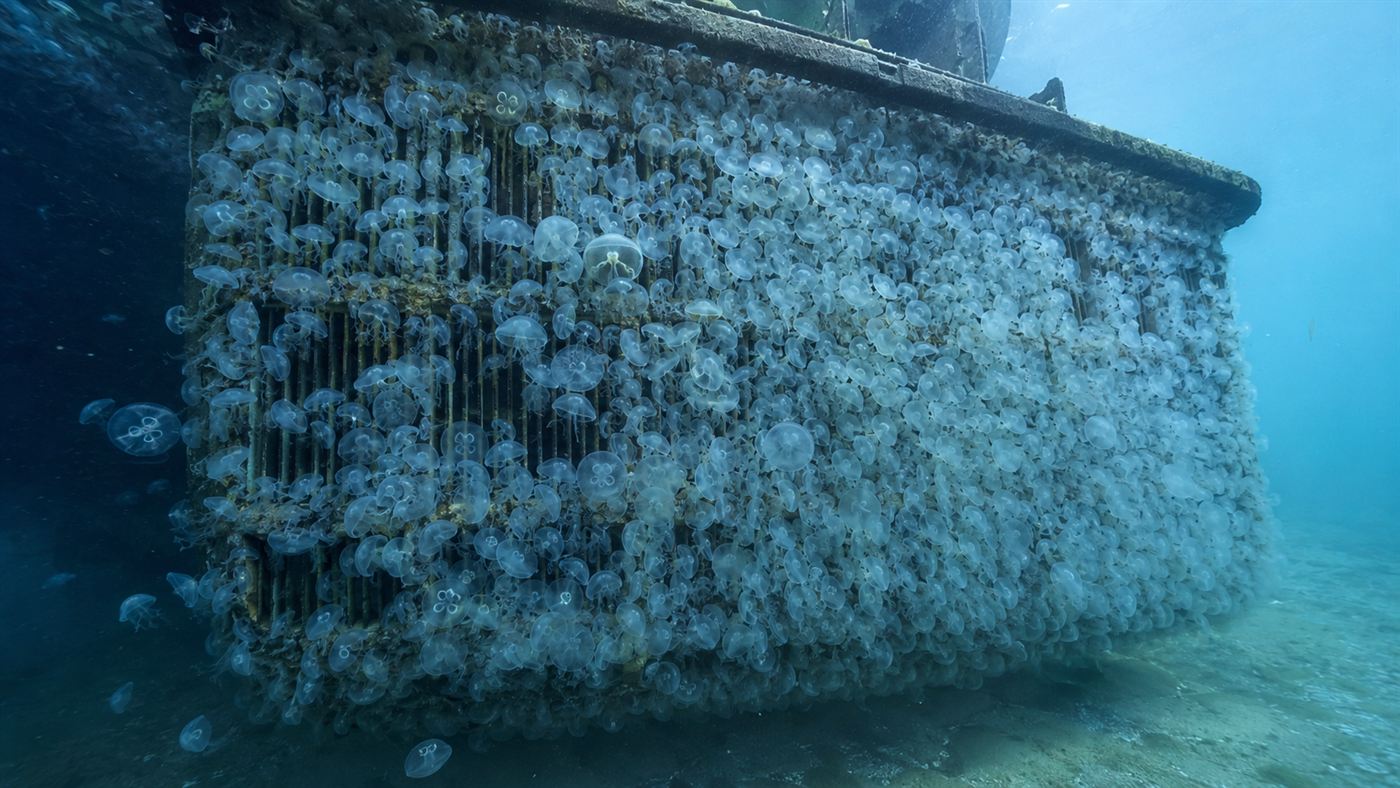
When a bloom hits the intake screens, the soft bodies pile up and choke the flow of cooling water. Illustration: Watts & Wild.
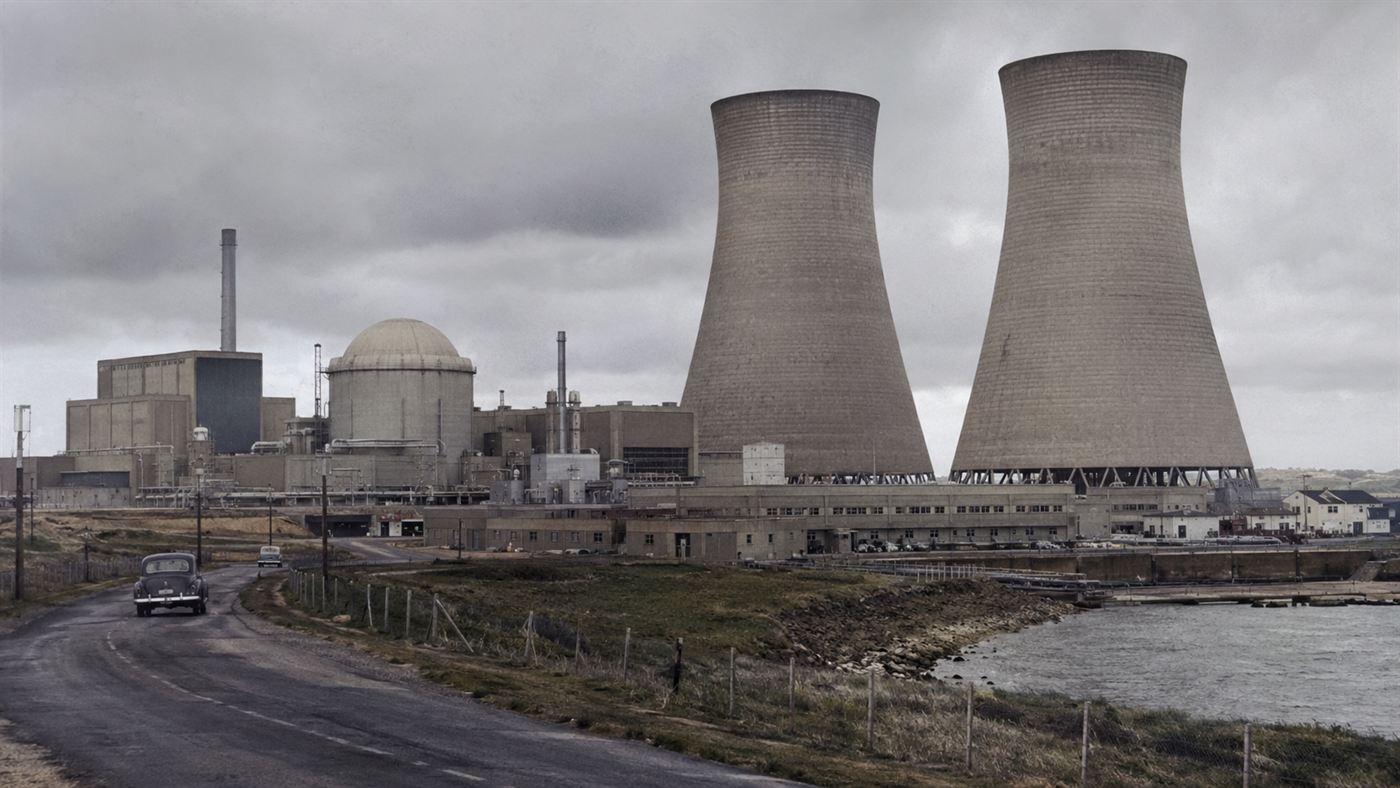
In June 2011, the Torness nuclear station on the coast of Scotland did something dramatic: it shut down both of its reactors at once. The cause was not a fault in the reactor or a problem with the fuel. As National Geographic reported, the seawater filling the plant's cooling intake had turned thick with moon jellyfish, and operators powered down rather than risk running short of cooling water. Industry estimates put the cost of that kind of outage at well over a million dollars a day.
Why a jellyfish power plant shutdown happens at all
The weakness is built into how these plants work. A big coastal reactor or fossil station has to dump enormous amounts of waste heat, so it sucks in vast volumes of seawater, runs it past the condensers, and pushes it back out. To stop fish and debris getting in, the intake is guarded by metal screens. Those screens are fine against the occasional plank or plastic bag.
They are useless against a bloom. When millions of jellyfish drift in on the tide, their soft bodies mat together against the screens and seal them like wet tissue over a drain. The cooling flow drops, alarms sound, and the operators face a simple, non-negotiable choice. A reactor that cannot guarantee its cooling water must come down, no matter how perfectly the rest of it is running.
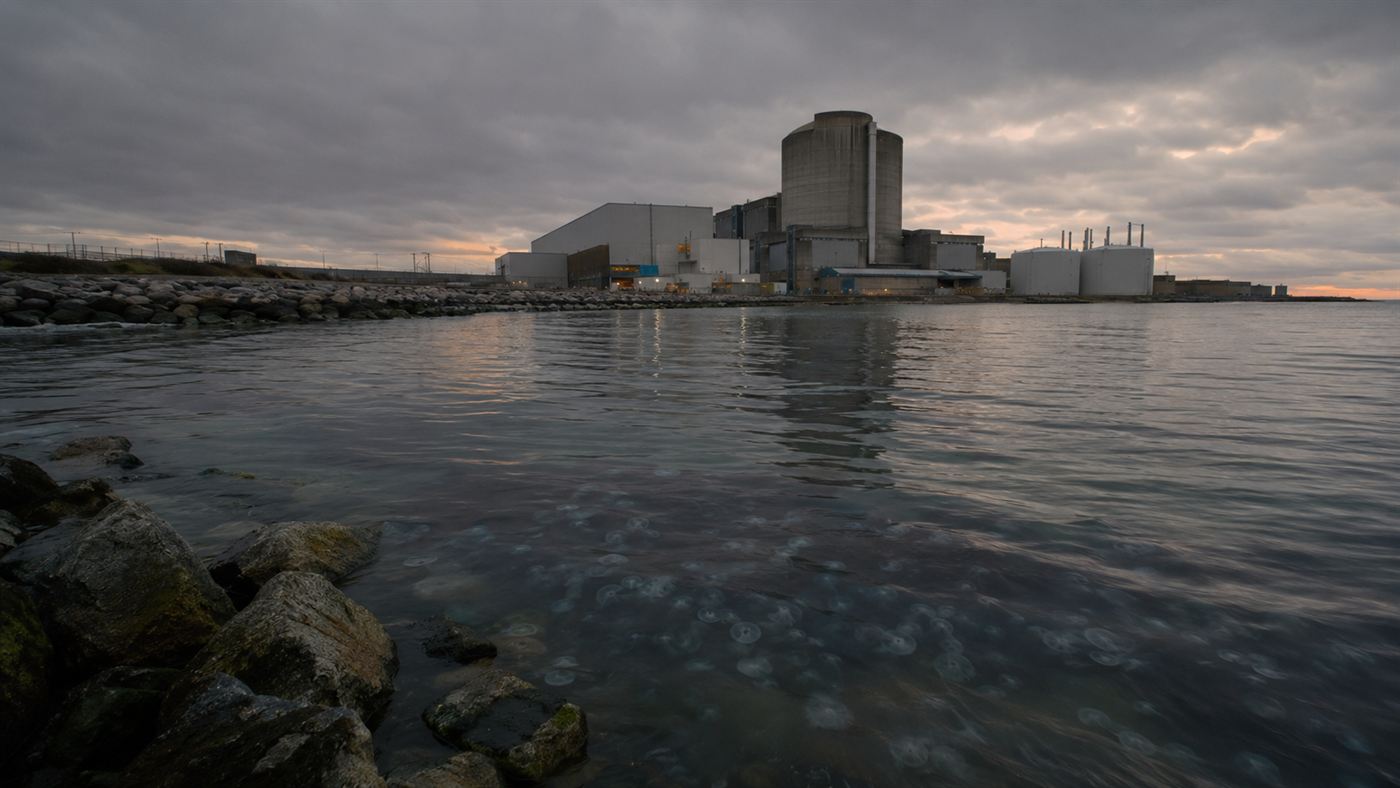
It is not a freak event, it is a pattern
Torness was not a one-off. In September 2013, a swarm forced operators to scram the Oskarshamn plant in Sweden, knocking out its reactor number 3. As NBC News noted at the time, that unit is a 1,400-megawatt boiling-water reactor, one of the largest of its type in the world, taken offline by an animal that is roughly 95% water and has no brain at all.
Once you start looking, the list is long. Jellyfish have triggered shutdowns and scares at power plants in Japan, the United States, Israel, the Philippines, South Korea, France, Sweden and Scotland, and the first recorded clog of this kind goes back to 1937. California's Diablo Canyon, Florida's St. Lucie and plants along the Israeli coast have all wrestled with the same gelatinous enemy. This is a global, recurring problem hiding behind a faintly comic headline.
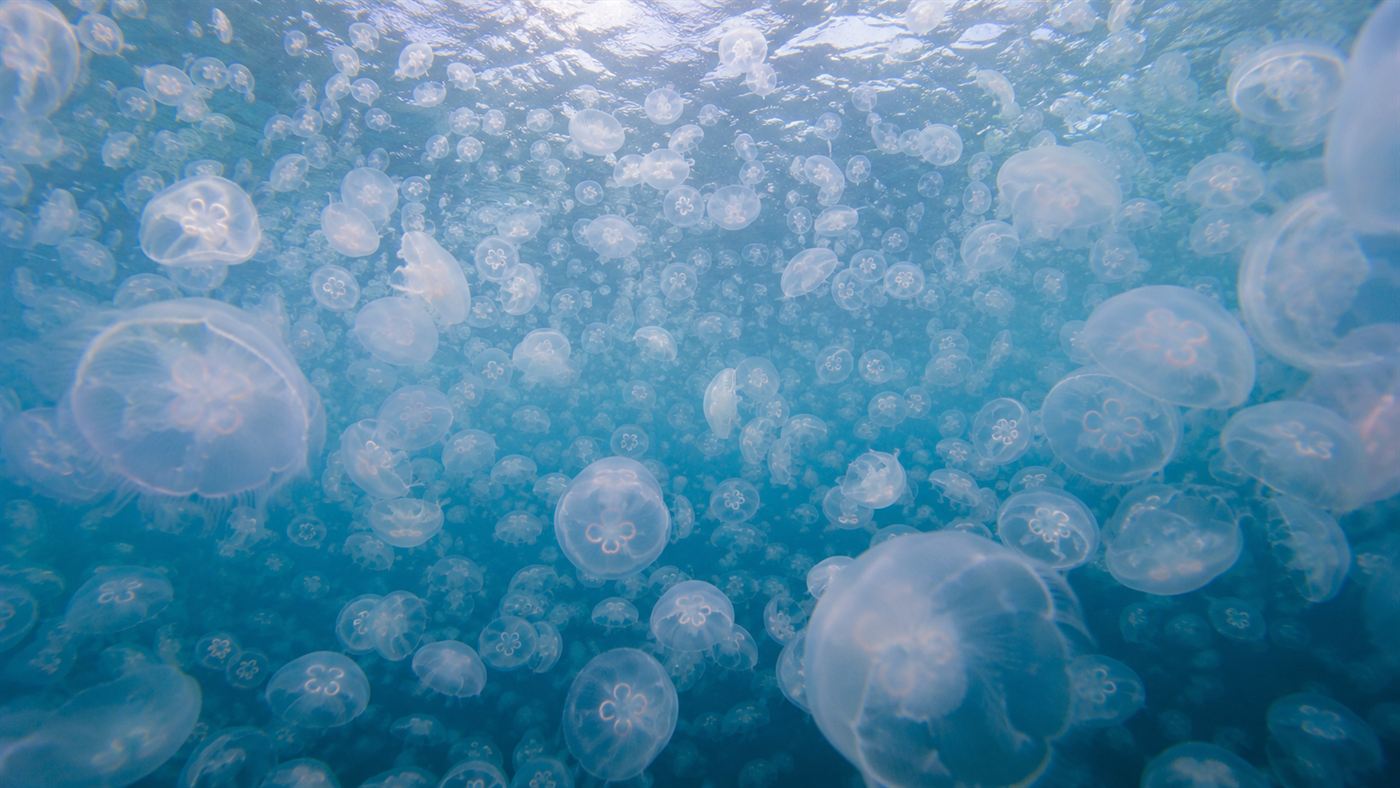
Why the swarms keep getting bigger
The unsettling part is the trend. In many seas, jellyfish blooms appear to be growing larger and more frequent, and the reasons read like a summary of what humans have done to the ocean. Warmer water suits many jellyfish. Overfishing strips out the fish that used to eat them and compete with them for food. Fertiliser runoff and low-oxygen dead zones, which choke other life, are conditions jellyfish tolerate better than almost anything else.
In other words, the same pressures that make oceans worse for fish tend to make them better for jellyfish. We may be quietly engineering seas that favour the very animal most likely to switch our power stations off. It is a strange feedback loop, and it lands squarely in the territory where energy and the natural world collide, much like the way Chernobyl's abandoned zone turned into an accidental wildlife haven.
The honest catch
It is worth keeping the threat in proportion. A jellyfish bloom cannot cause a nuclear accident in the way the headlines sometimes imply; the shutdown is the safety system working exactly as designed, not failing. The reactor core is never in danger from a clogged intake, and plants now use bubble curtains, faster-cleaning screens and bloom monitoring to fight back. The damage is mostly financial and to the grid, as a big chunk of power vanishes with little warning. Still, the lesson is humbling. We can split the atom and tame it inside a steel vessel, yet a creature with no brain, no bones and no plan can still reach in and pull the plug. The story rhymes with other moments when wildlife and our machines met head-on, from a few starlings released in a park that became 200 million birds to the bats being wiped out across America.
The most advanced power source we have keeps being defeated by one of the oldest animals in the sea, and warming oceans are tilting the odds further in the jellyfish's favour. Should coastal plants be redesigned around the bloom, or are we just going to keep getting surprised? Tell us what you think in the comments.
Related reading: the immortal jellyfish that can reverse its own life cycle and effectively cheat death.