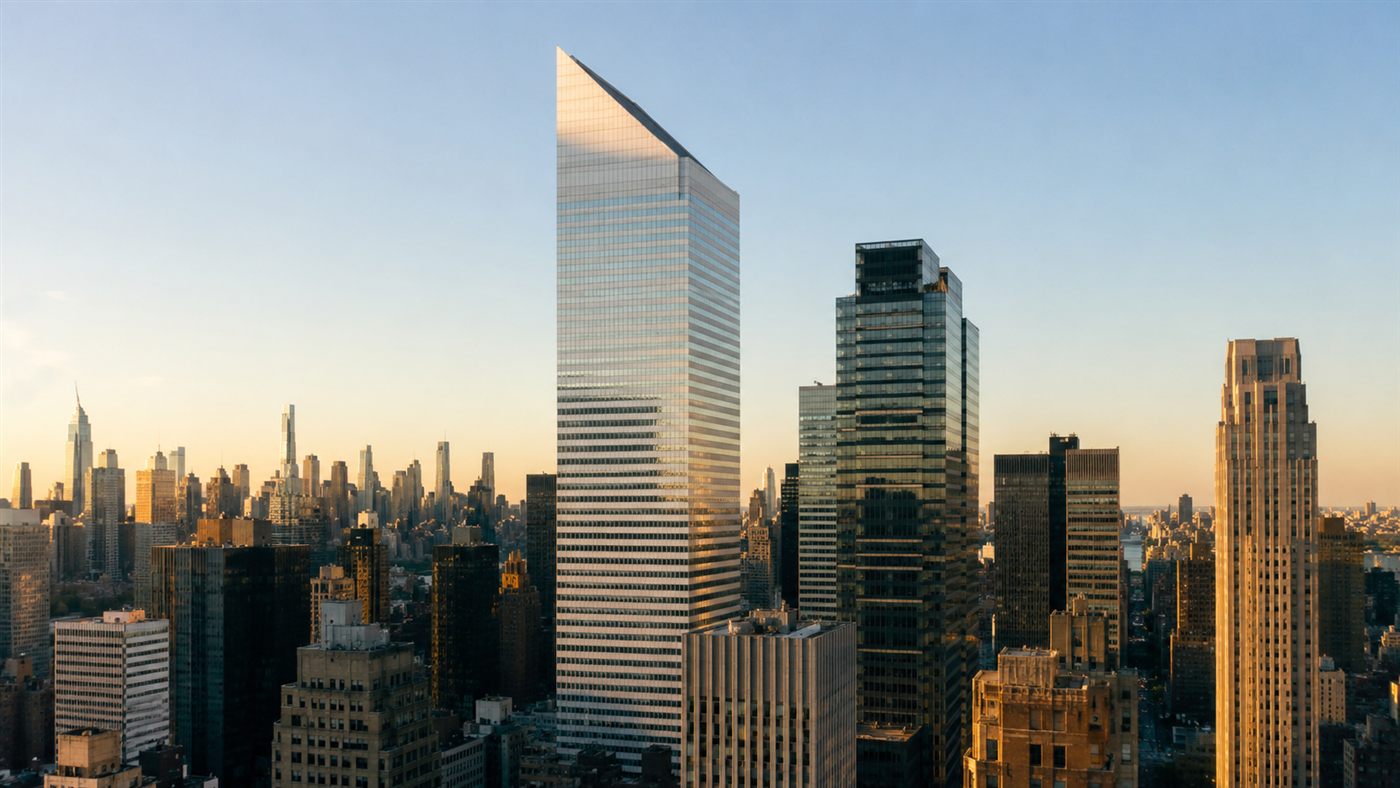
The 1977 New York City blackout dropped nine million people into darkness for 25 hours, and the same city that had stayed calm in 1965 tore itself apart
When the grid failed on a hot July night in 1977, New York did not light candles and wait politely the way it had a decade earlier. This time the lights went out and the city went up: a thousand fires, more than sixteen hundred shops emptied, the largest mass arrest in its history. The difference was not the electricity. It was everything else.
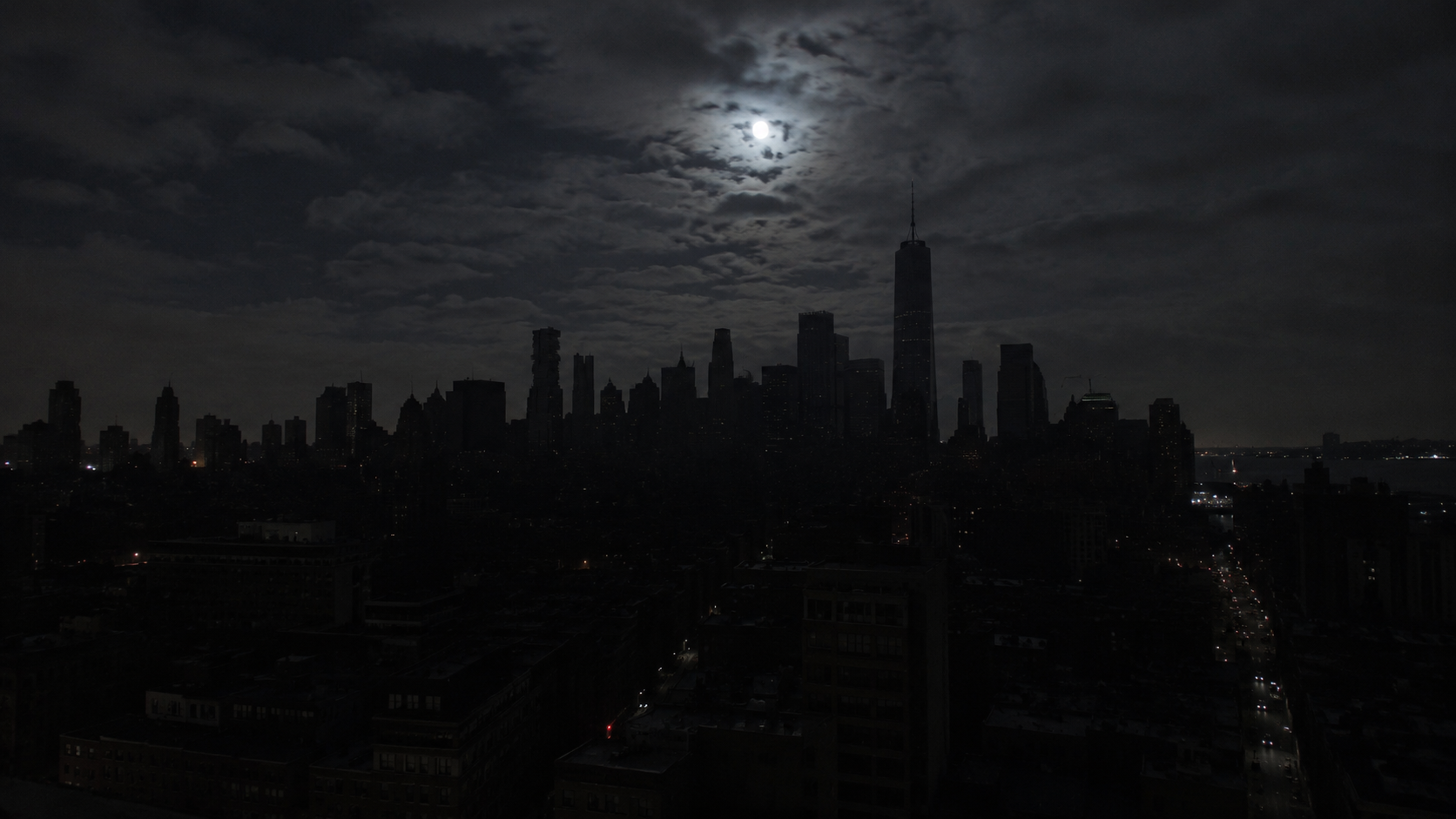
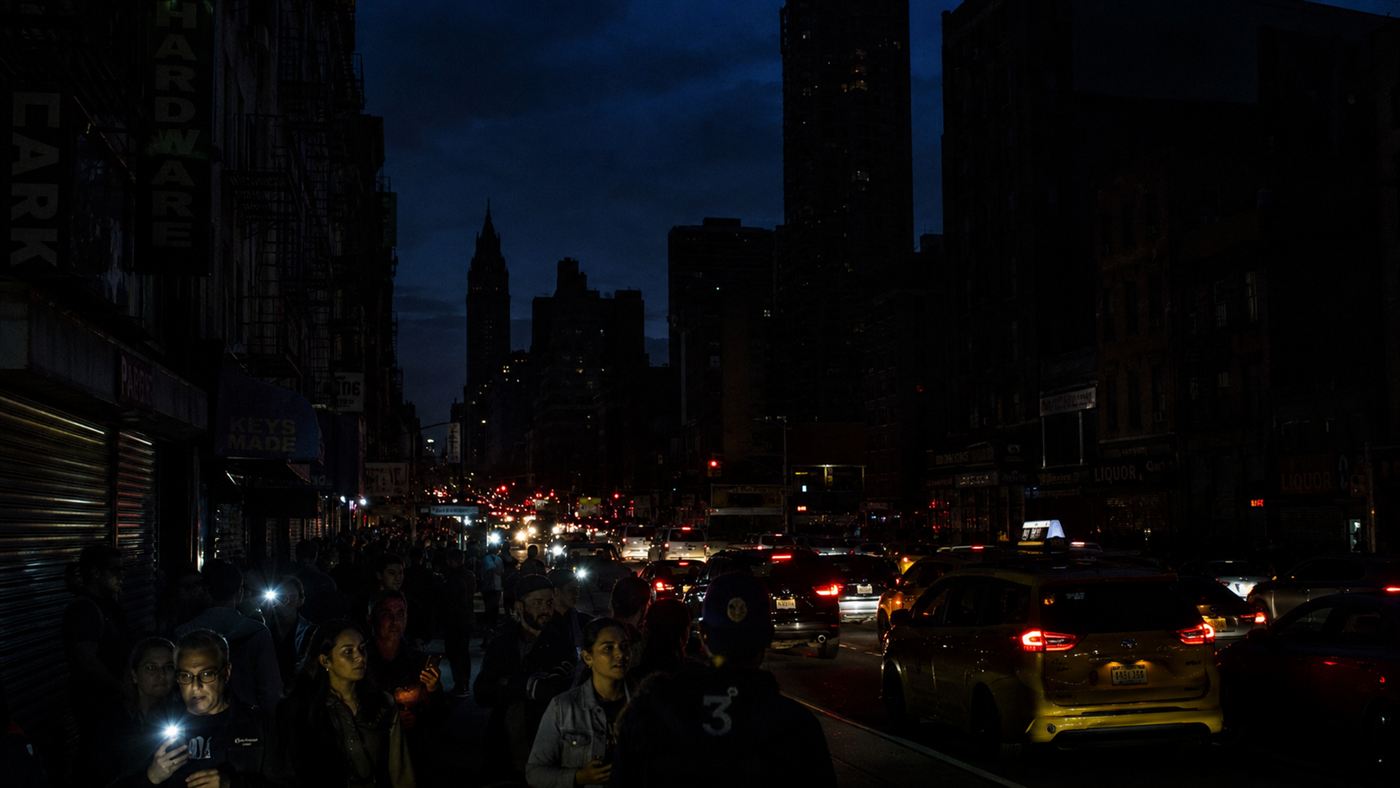
For about 25 hours, the brightest city on Earth went completely dark. Illustration: Watts & Wild.
The 1977 New York City blackout is remembered less for the engineering failure that caused it than for the long, chaotic night it unleashed. It is the rare power cut that became a turning point in a city's story, a single dark evening that exposed everything that was breaking in 1970s New York, and, some say, helped give birth to a sound that would conquer the world.
But it began, as these things often do, with the weather and the grid.
What caused the 1977 New York City blackout?
On the evening of 13 July 1977, a thunderstorm rolled over the Hudson Valley north of the city. At 8:37 p.m., lightning struck substations and transmission lines carrying power into New York, tripping circuit breakers and cutting off electricity from the Indian Point nuclear plant. It was the start of a cascade.
Over the next hour, the Con Edison system fought to hold itself together and lost. More lines failed, generators that might have saved the grid could not be brought up in time, and operators were unable to shed load fast enough. By 9:36 p.m., almost exactly an hour after the first strike, the entire power system serving New York City had collapsed. Nine million people were suddenly in the dark.
Twenty-five hours in the dark
The timing could hardly have been worse. The blackout fell in the middle of a brutal heat wave, with temperatures that week climbing past 100 degrees Fahrenheit, and it landed on a city already on its knees. New York in 1977 was effectively bankrupt, crime was high, and residents were living in fear of the "Son of Sam" serial killer who was still at large. The darkness lit a fuse on all of it.
Within hours, looting and arson erupted across dozens of neighbourhoods, hitting hardest in poor areas like Bushwick, where whole blocks of shops were stripped and set alight. By the time power returned about 25 hours later, the toll was staggering: roughly 1,000 fires, more than 1,600 stores looted, and around 3,700 people arrested, the biggest mass arrest in the city's history. A later congressional study put the damage at over $300 million.
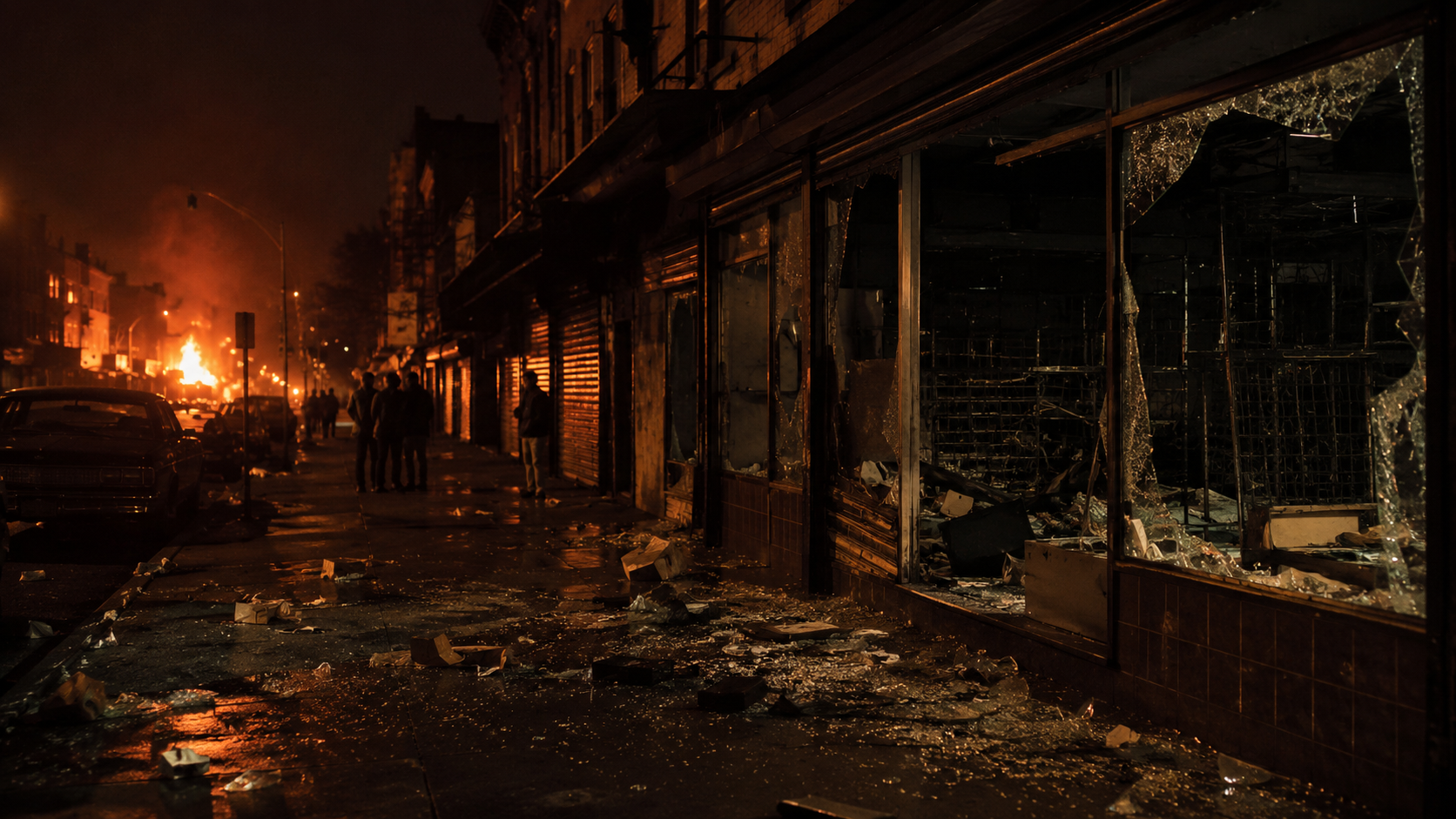
Why 1977 was nothing like 1965
What makes the night so haunting is the contrast. Just twelve years earlier, in November 1965, a far larger blackout had darkened the entire Northeast, and New York had met it almost cheerfully, with strangers directing traffic and helping each other home. People later spoke of it as a night the city came together.
In 1977 the lights went out on a very different city. The economy had cratered, unemployment in some neighbourhoods was crushing, and a decade of decline had worn away the goodwill. The blackout did not create the anger and desperation that boiled over that night; it simply removed the last thing holding them back. The same failure of the same kind of grid produced order in one decade and chaos in the next, and the only variable that had changed was the people, and how much they had left to lose.
Did the blackout really start hip-hop?
Here is the twist the blackout is most famous for today. In the years since, a powerful legend has grown up that the looting of 1977 helped ignite hip-hop. The story goes that among the goods carried out of darkened electronics shops were turntables, mixers and speakers, and that this sudden flood of cheap gear put DJ equipment into the hands of kids in the Bronx who could never have afforded it.
Early DJs like Grandmaster Caz have said the night swelled their ranks, that "there was a large amount of DJs after that because equipment became more accessible." Hip-hop was already being born in Bronx rec rooms and parks before July 1977, so the blackout did not invent it. But the idea that one dark night democratised the tools of a new music, and helped a local scene explode into a global culture, is too good, and too plausible, to dismiss entirely.
The honest catch
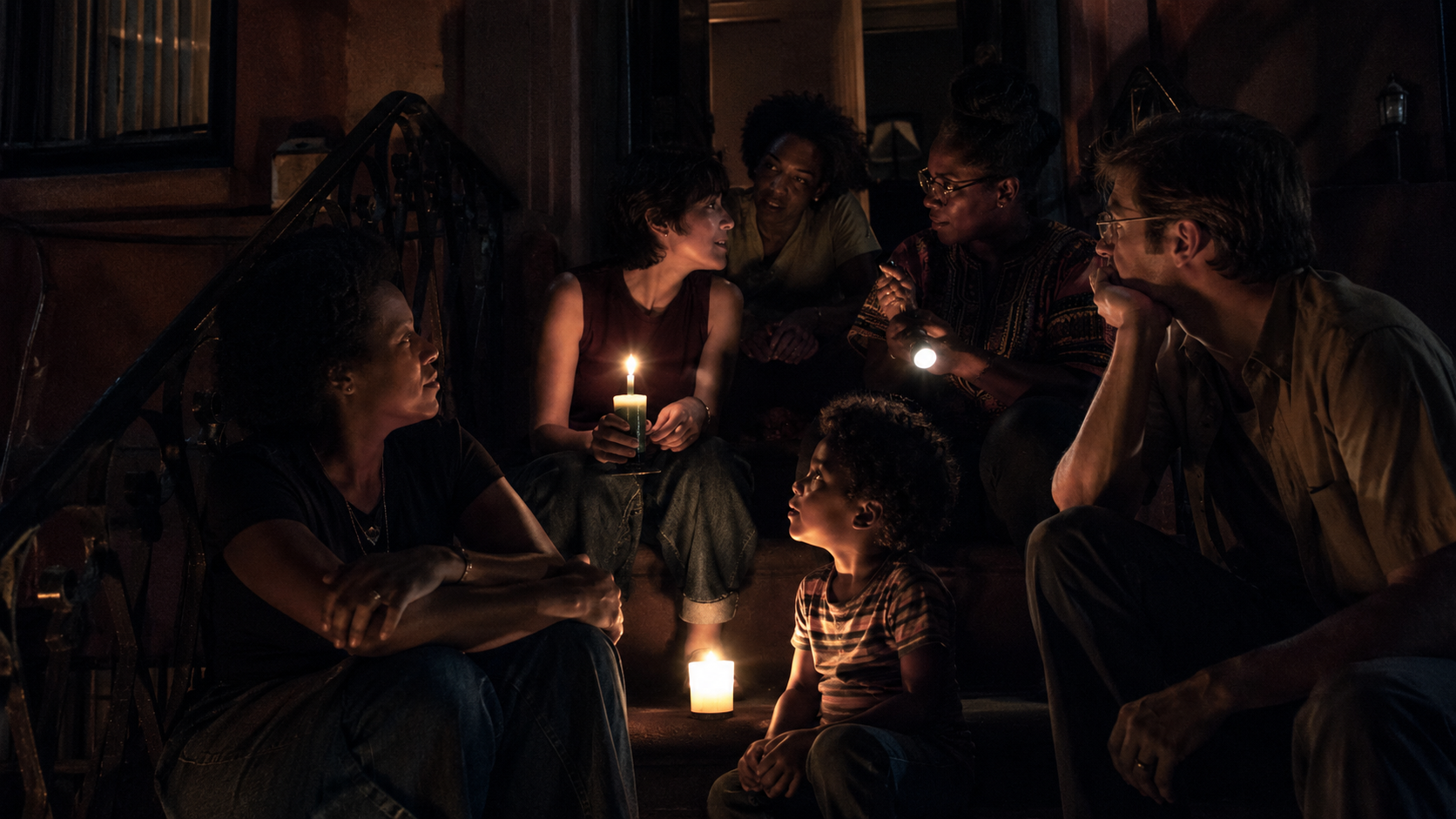
It is worth resisting the neat morality tale. The chaos was real and frightening, but it was also concentrated, and the overwhelming majority of New Yorkers spent the night exactly as they had in 1965, sitting on stoops, sharing flashlights and minding their neighbours. Painting the whole city as a riot does a disservice to the millions who simply endured it.
The hip-hop claim deserves the same caution. The evidence is mostly anecdote from a couple of DJs, not hard proof, and treating a destructive blackout as the heroic origin story of a beloved art form glosses over the genuine harm done to the shopkeepers and families who lost everything. The night was a catastrophe first, and a cultural footnote second.
Why the 1977 New York City blackout still matters
For the power industry, the night was a hard lesson in how a grid can unravel from a single weak point, and it drove real changes in how utilities protect and restore their systems. The cascade that took down Con Edison in an hour is studied to this day alongside the bigger blackouts that followed.
But its deeper lesson is about us, not the wires. A blackout is a stress test that strips a city down to whatever it is really made of at that moment, and the same darkness can produce a block party or a riot depending entirely on the lives lived under the lights. The 1977 New York City blackout is remembered because, for 25 hours, it showed New York exactly what it had become.
The same city met one blackout with block parties and the next with fire, and the only thing that changed was the people. When the lights go out where you live, which version of the city do you think you would see? Tell us what you think in the comments.
Related reading: In 2003 a single overgrown tree branch and a software bug plunged 50 million people across the Northeast into darkness.