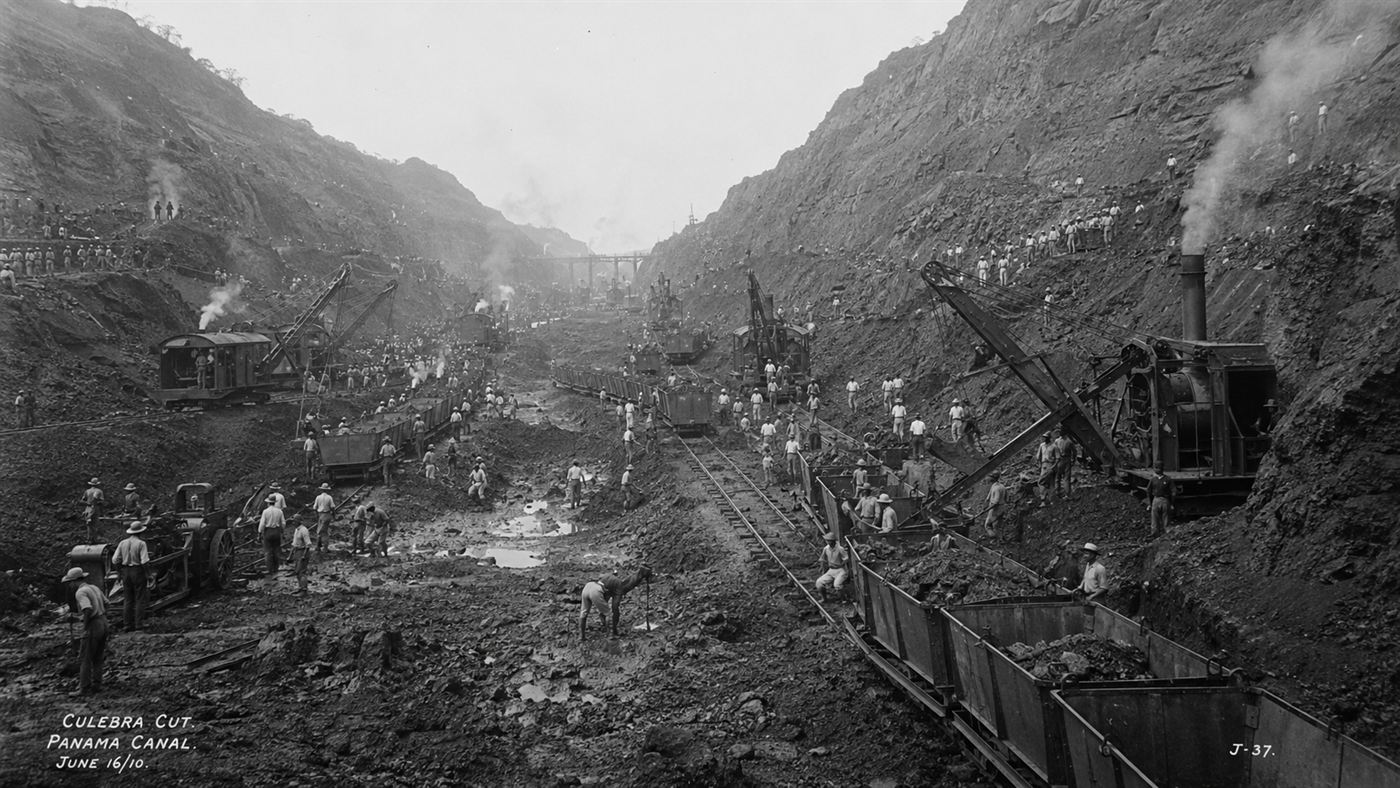
It took 100,000 workers from 30 countries and 121 lives to turn Australia's rivers backward through the mountains
After the Second World War, Australia set out to do something close to impossible: grab the rivers running off its highest mountains, turn them around, and push them inland through the rock to make power and water out of nothing. The Snowy Mountains Scheme took a quarter of a century to build, and the army of migrants who built it ended up rebuilding the nation too.
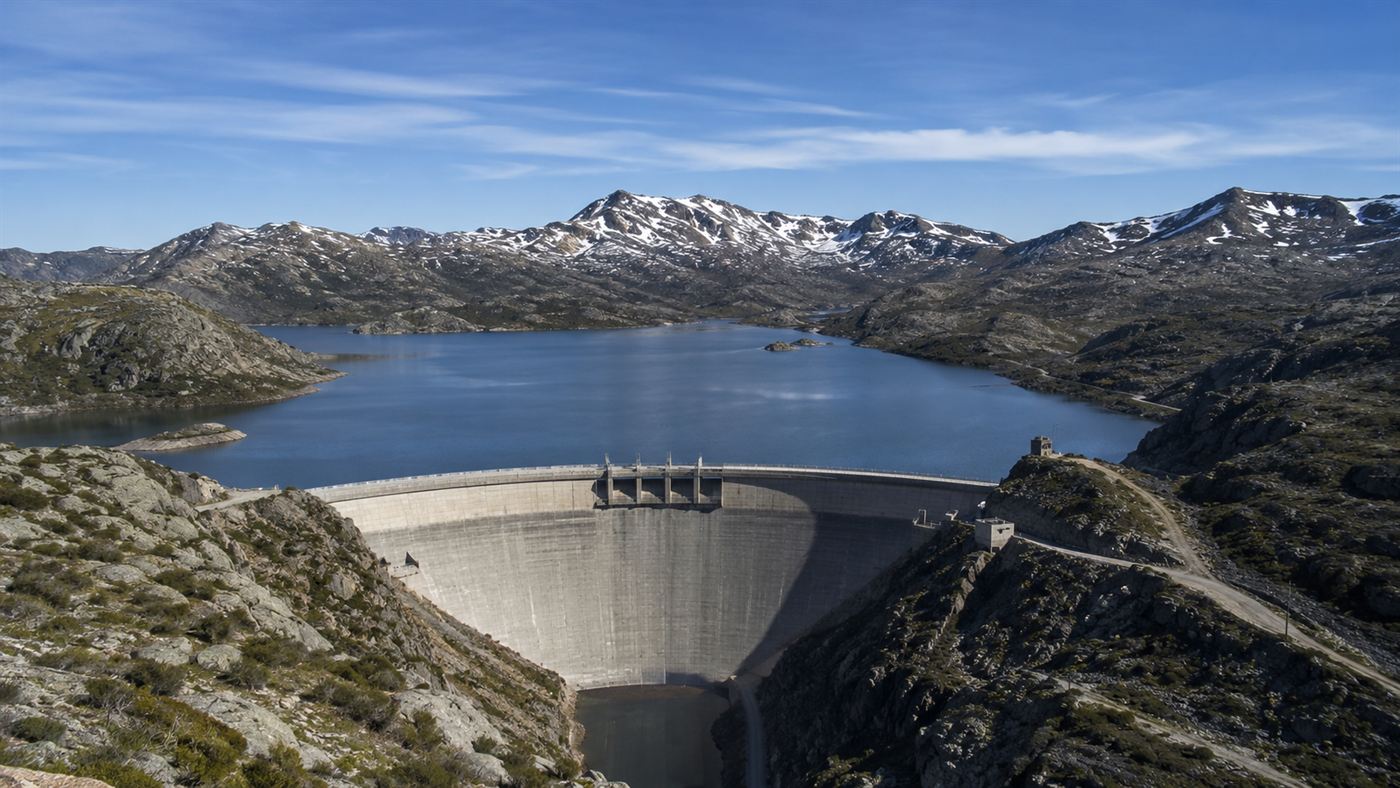
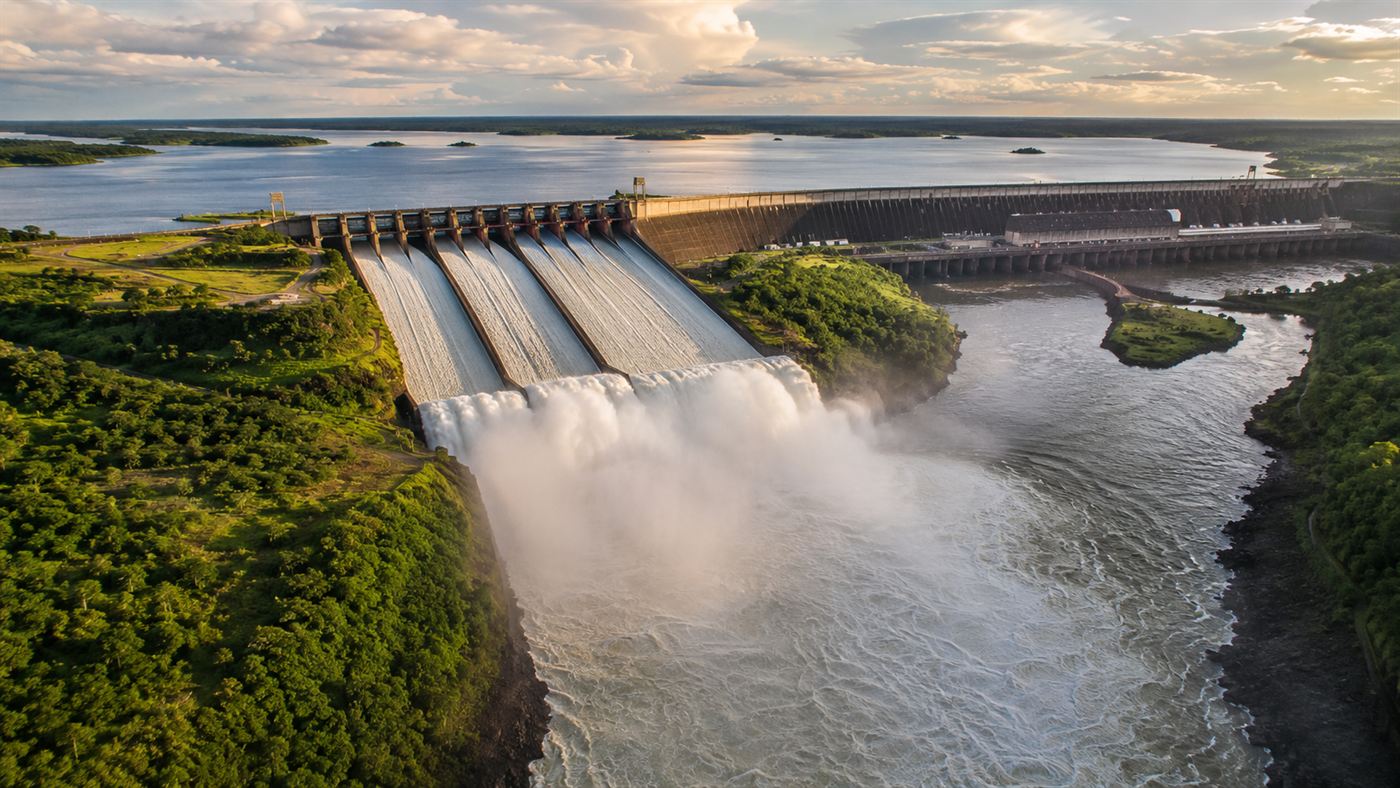
One of sixteen dams that re-plumbed the Australian Alps for power and irrigation. Illustration: Watts & Wild.
Work began on 17 October 1949 and did not finish until 1974, a full 25 years later. In that time crews carved out sixteen major dams, seven power stations, two pumping stations and around 225 kilometres of tunnels, pipelines and aqueducts, almost all of it buried in remote alpine country that was snowbound for months at a time. It remains the largest engineering project Australia has ever attempted.
The core idea was audacious. The Snowy River and its neighbours naturally ran south and east, draining off the mountains and out to the sea. Engineers decided to intercept that water high up, send it the other way through tunnels bored under the Alps, and let it fall more than half a kilometre on the inland side, spinning turbines as it dropped before flowing on to irrigate the dry farmland of the Murray and Murrumbidgee.
How the Snowy Mountains Scheme reversed a river
Reversing a river is not a figure of speech here. Instead of letting gravity carry the snowmelt to the Pacific, the scheme collects it behind high dams and routes it westward through the mountain itself. As the Institution of Civil Engineers describes it, the network of dams, tunnels and stations works as one giant machine for moving and dropping water exactly where people wanted it, rather than where nature sent it.
The payoff was double. The same water generates large amounts of clean hydro-electric power on its way through the turbines, and then arrives in the inland river system to keep irrigation flowing through Australia's brutal dry spells. For a young country desperate for both electricity and farmland, it was nation-building cast in concrete.
The army that built it, and changed a country
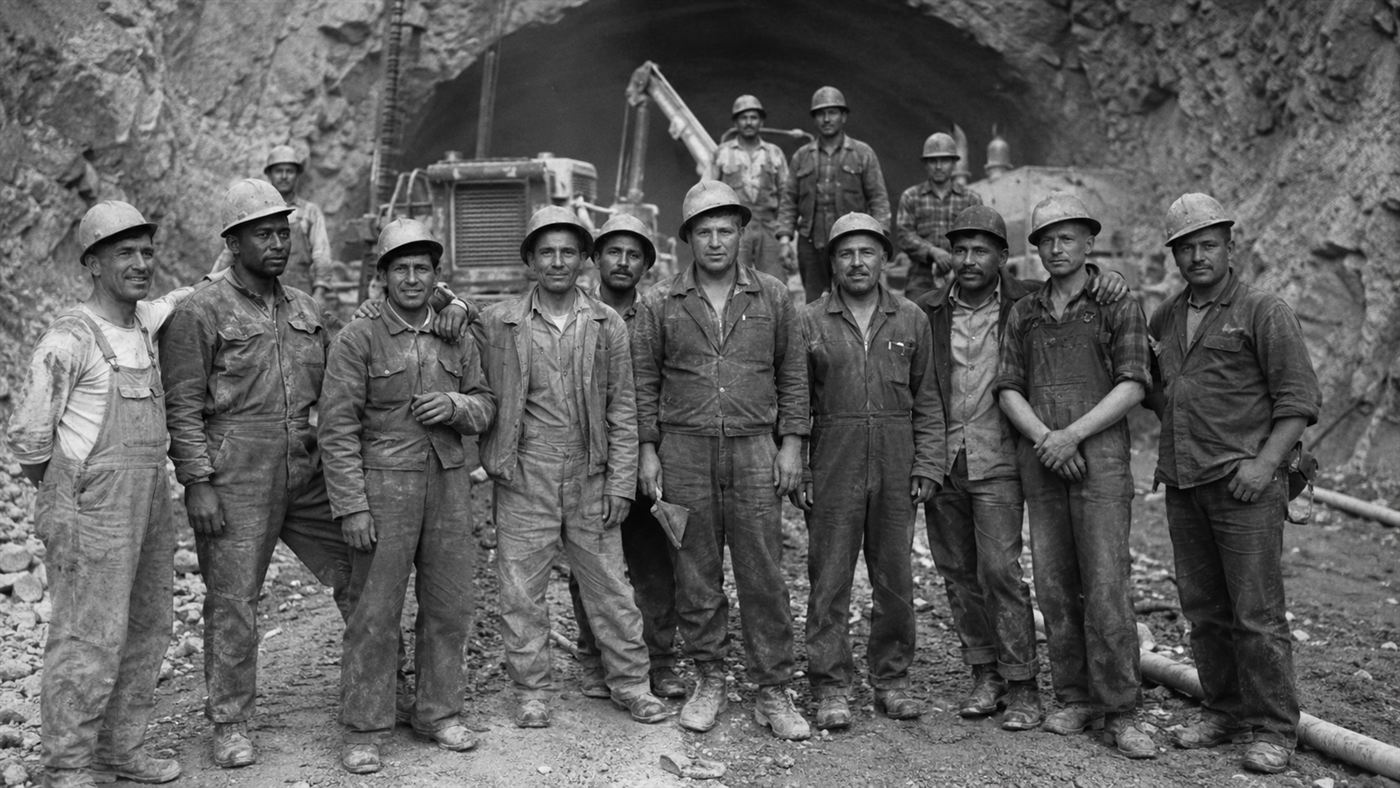
This is where the story stops being about concrete. Around 100,000 people worked on the Snowy, and roughly two-thirds of them were immigrants, many of them refugees and displaced people from a wrecked post-war Europe. As SBS has documented, they came from more than 30 nations, Germans and Italians and Greeks and Poles and Norwegians and many more, often former enemies now working side by side in the same freezing tunnels.
The effect on Australia was profound. A country that had been overwhelmingly British found itself blending dozens of languages and cultures on a single worksite, and many of those workers stayed, married and settled. The Snowy did not just generate power, it helped switch on modern multicultural Australia. For a generation of migrants, the scheme was the place where they first became Australian.
The honest catch
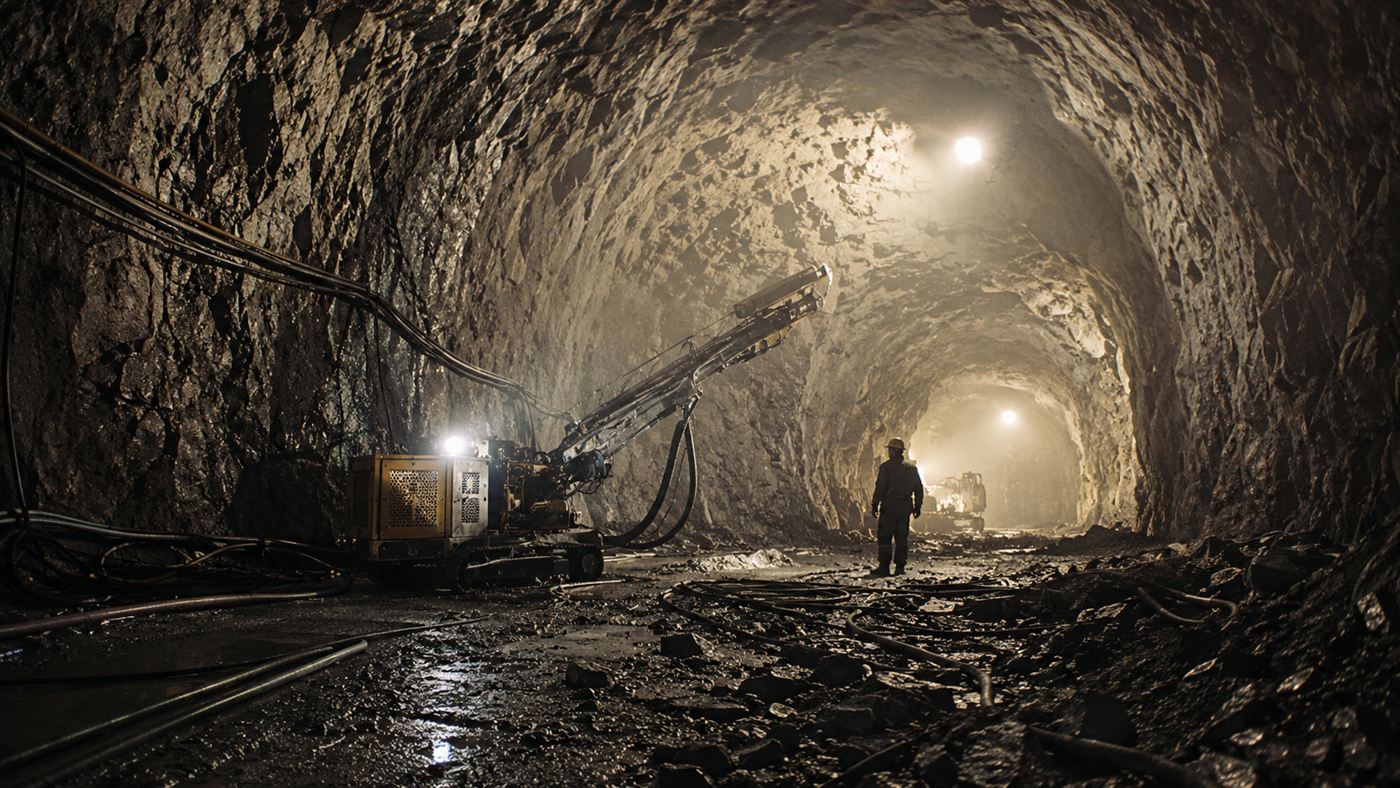
It would be wrong to wrap this in pure romance, because the bill was paid in lives and rivers. As the record notes, the official death toll was 121 workers, killed by rockfalls, machinery and the savage alpine conditions, and the men who died are part of the foundation as surely as the concrete. The harmony, too, was hard-won rather than instant; migrant workers faced danger, isolation and plenty of prejudice.
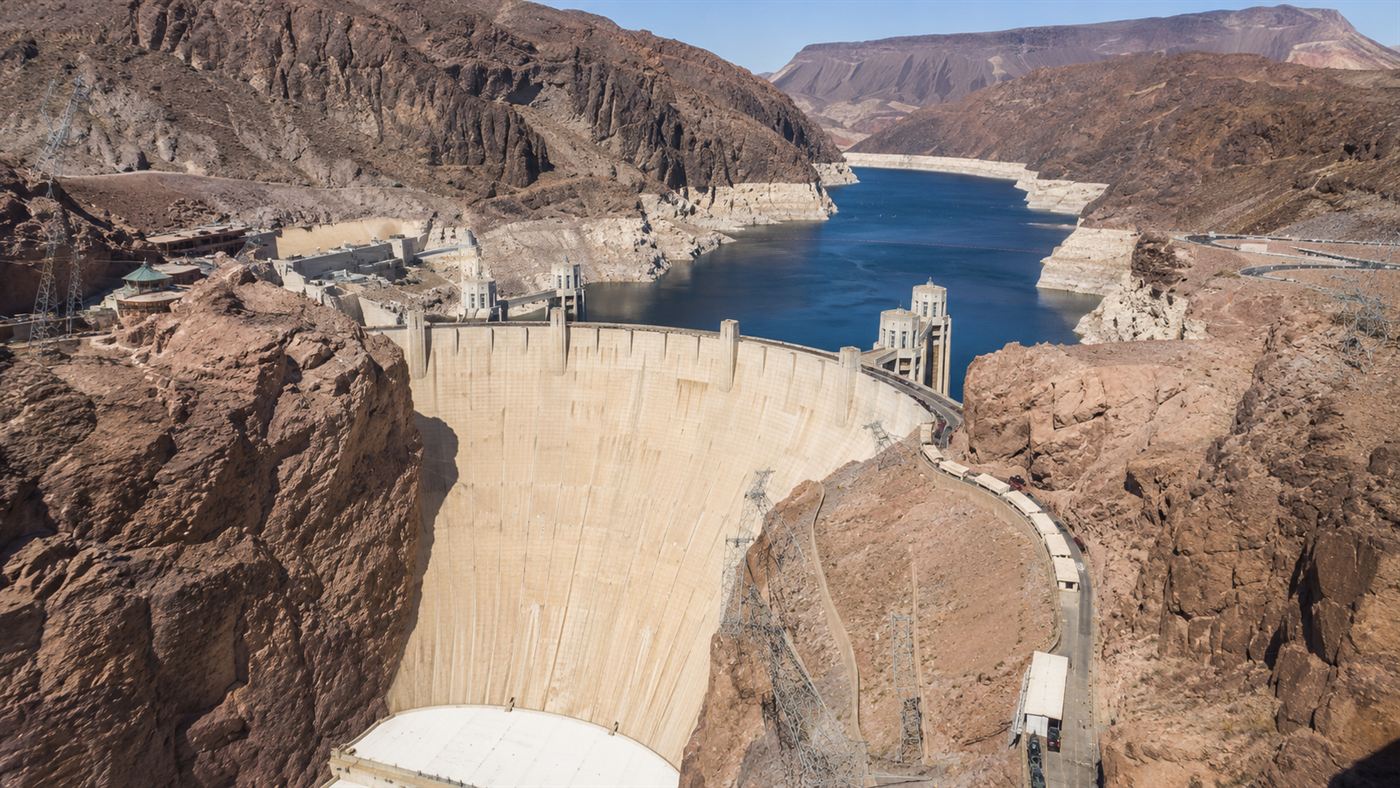
There is an environmental reckoning as well. Diverting the Snowy inland left the original river a shadow of itself for decades, starved of most of its natural flow, and only later did Australia begin returning some water to it. So the scheme is not a flawless triumph but a very human one: a staggering feat of engineering that delivered power and farmland, remade a society, and cost both lives and a great river along the way. It belongs beside other nation-scale builds like the Hoover Dam and the railways and canals that were dug at a similar human price, including the Panama Canal.
A hundred thousand people from thirty nations spent 25 years turning a river inland through the mountains, and built a multicultural country in the process. Was the Snowy worth its cost in lives and in a drained river, or is that a price we should stop being proud of? Tell us what you think in the comments.
Related reading: the Hoover Dam, the concrete colossus they had to cool with an ice factory so it would not cook itself.