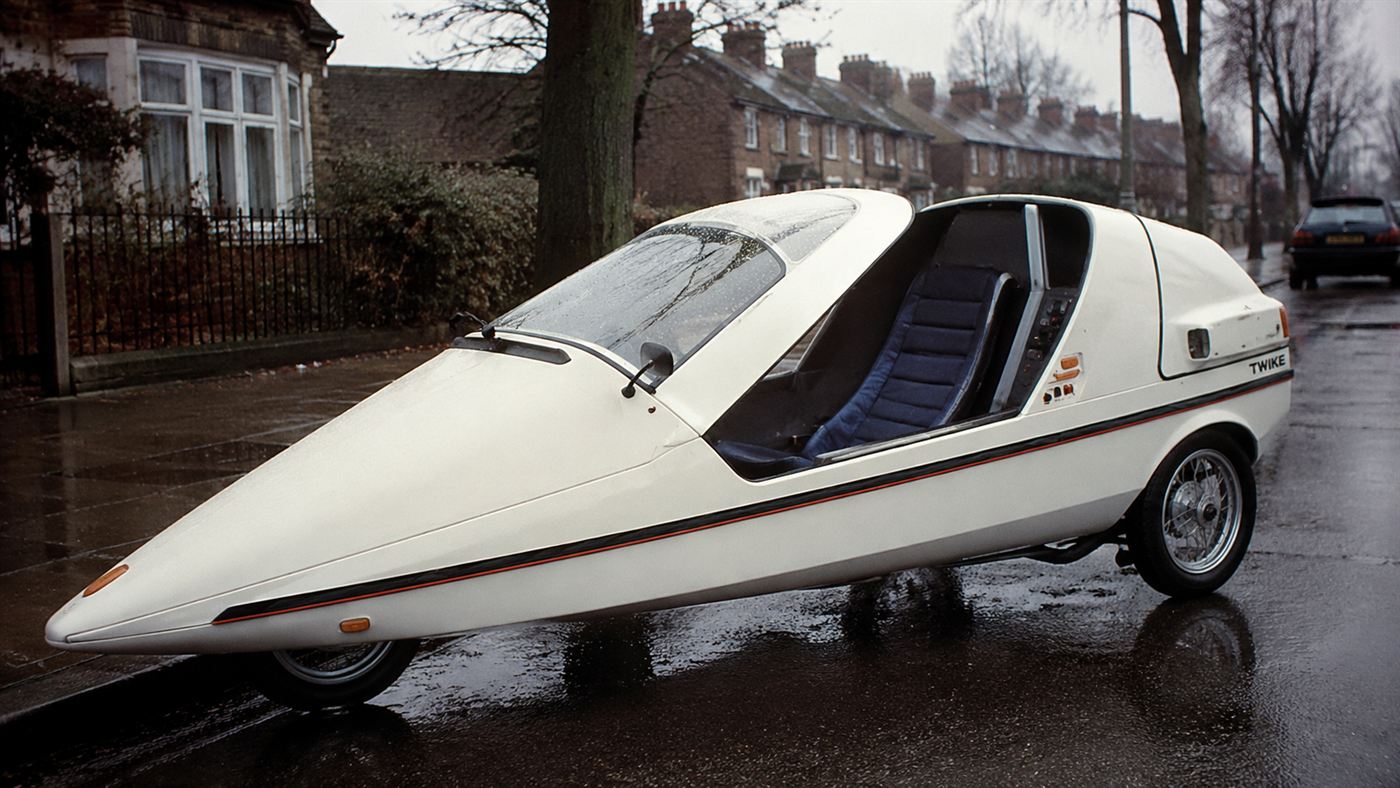
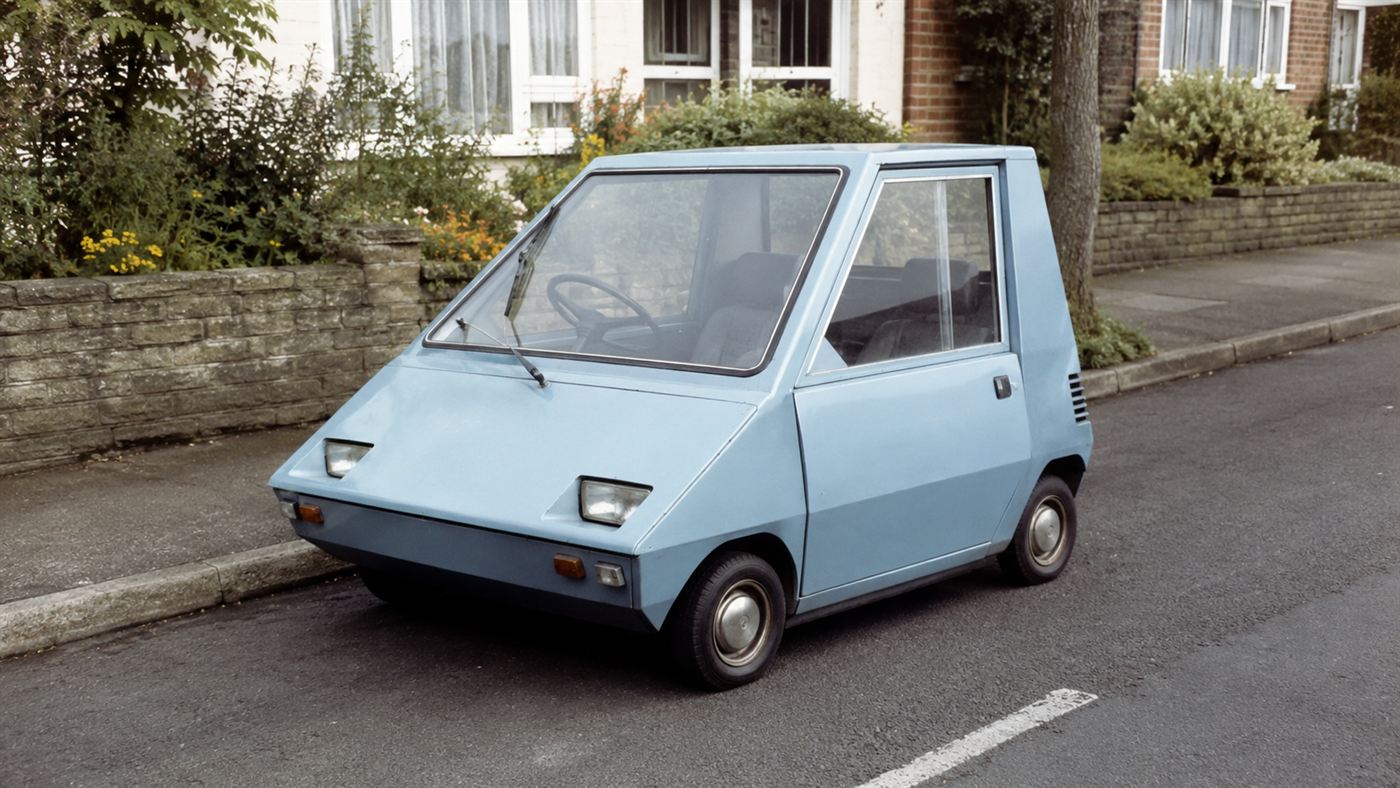
It was going to remake every city on Earth, then it became a punchline with two wheels
For most of a year, the world's smartest technology investors whispered about a secret invention so important that cities would be rebuilt around it, an idea some said would be bigger than the internet itself. When the curtain finally lifted, the great mystery turned out to be a man standing on two wheels. The Segway is the story of what happens when hype meets a sidewalk.
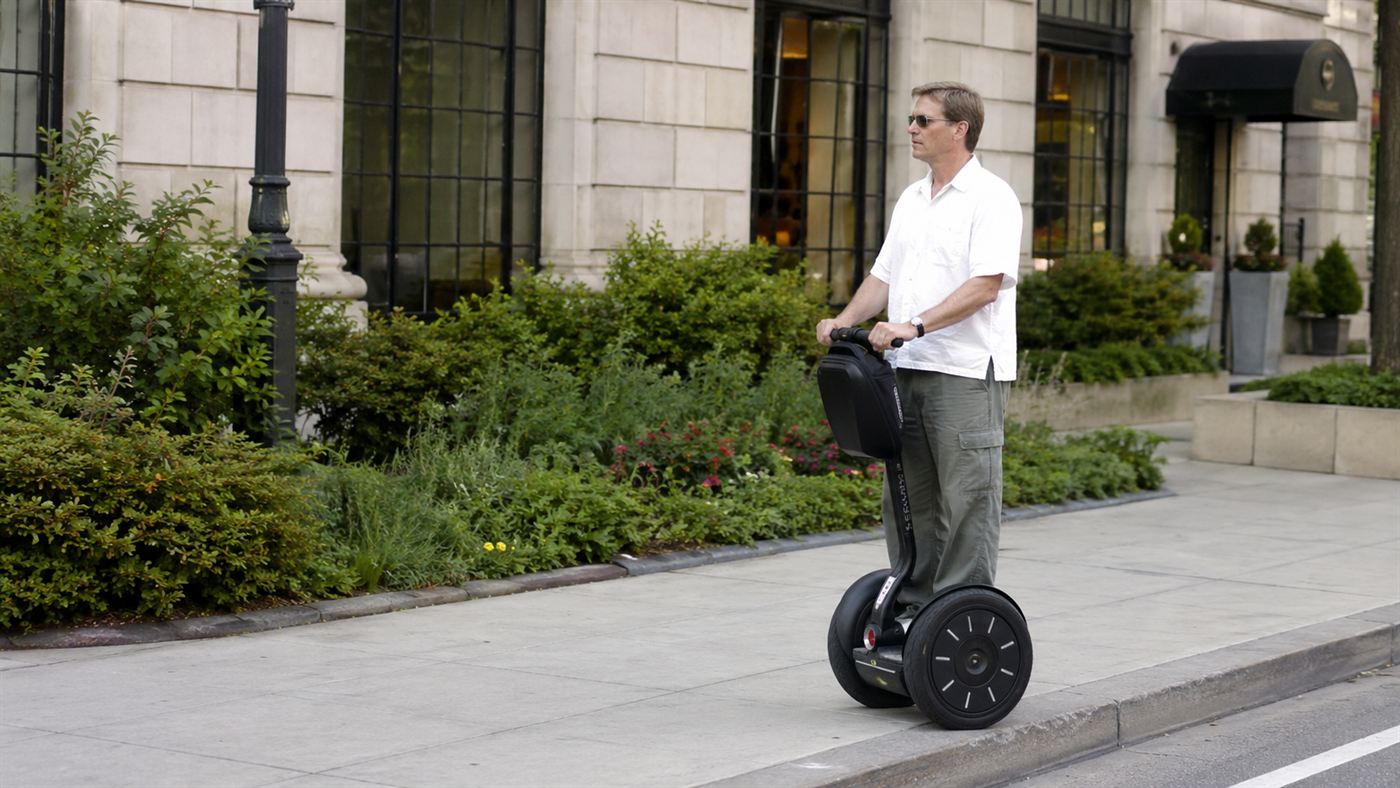
The Segway balanced itself on two wheels and asked you only to lean. Illustration: Watts & Wild.
The Segway was the creation of Dean Kamen, a brilliant and serious inventor whose other work included life-saving medical devices. His self-balancing electric machine was, by any fair measure, a genuine engineering marvel. Its failure had almost nothing to do with how clever it was, and almost everything to do with the impossible expectations that were piled onto it before anyone outside a small circle had even seen the thing.
It is a near-perfect case study in how a great gadget can be ruined by the story told about it, and in how the future it predicted can arrive anyway, just wearing different clothes.
The secret machine called Ginger
Before it had a public name, the project went by code names, including Ginger and simply "IT." In late 2001 leaked excerpts from a book about the invention sent the technology world into a frenzy. Famous figures were quoted predicting that this mystery device would reshape how cities were built and reach a billion dollars in sales faster than any company in history.
With no product to look at, the speculation ran wild. People guessed it was a hovercraft, an antigravity machine, a personal flying device, anything to match the breathless promises. By the time of the reveal, the invention had been talked about so much, and so grandly, that no real object could possibly have lived up to it.
Magic sneakers on live TV
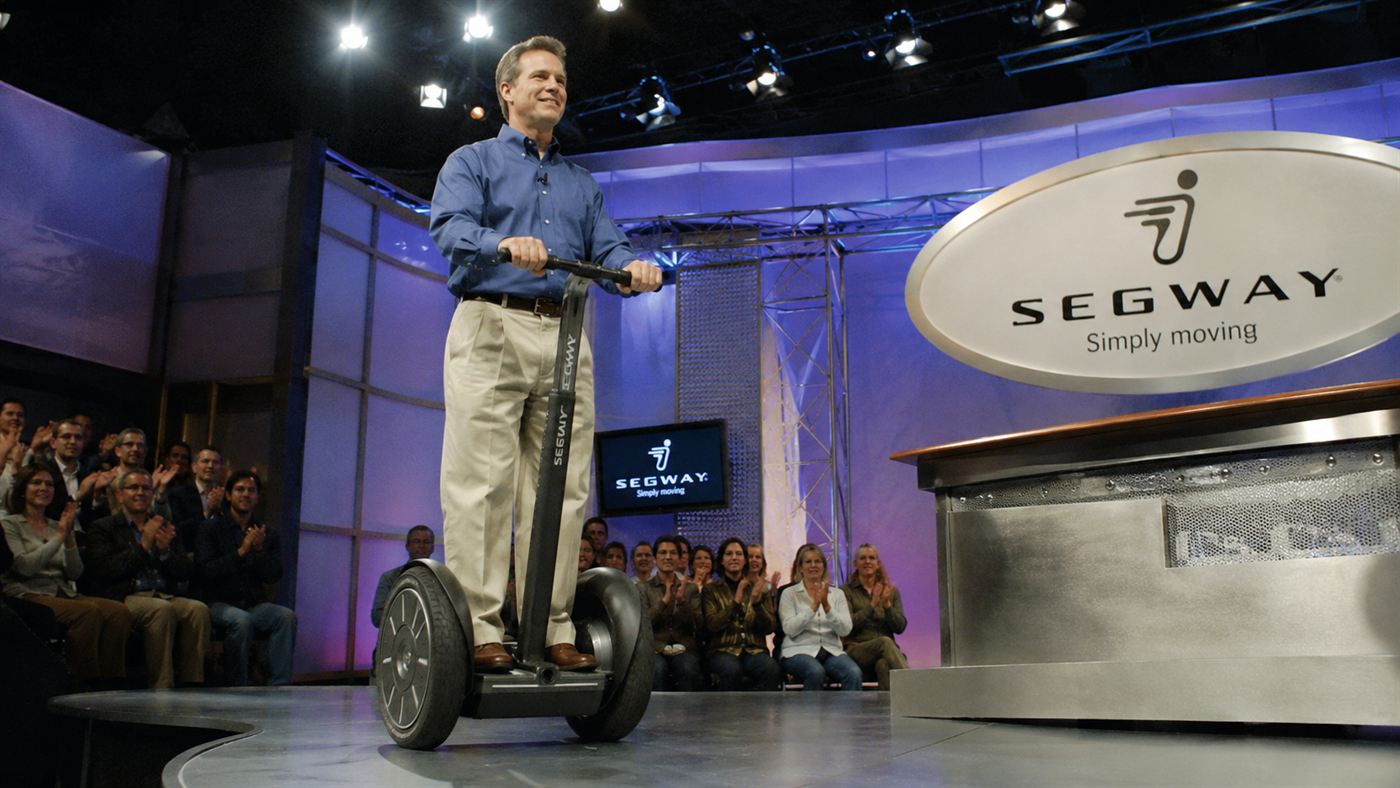
The unveiling came in December 2001 on morning television, where Kamen rode the Segway out and described it as something like putting on a pair of magic sneakers. The machine was genuinely clever inside. Using gyroscopes and tilt sensors, it balanced itself upright on two wheels and read the rider's body, gliding forward when you leaned forward and slowing when you leaned back, with no handlebars to steer and no obvious way to fall.
As a piece of control engineering it was beautiful, the kind of thing that makes people grin the first time they try it. But the gap between "a delightful machine to ride" and "the device that will replace the car and redesign civilisation" was a canyon, and the Segway had been launched straight into it.
Why the Segway flopped
Reality arrived quickly and rudely. You could not buy one for about a year, and when you finally could it cost around 5,000 dollars, which instantly made it a toy for the wealthy rather than transport for the masses. Worst of all, there was nowhere obvious to ride it: too slow and heavy for the road, and banned from the pavements of most cities, where motorised vehicles are not allowed.
The company even pushed through special laws in dozens of places to let Segways onto sidewalks, and still almost no one bought them to ride there. Sales that were supposed to reach thousands a week crawled in at a tiny fraction of that. The machine became shorthand for overhyped technology, a fixture of mall security guards and tourist tours, the punchline rather than the revolution.
The owner who rode one off a cliff
The story then took a turn so grimly ironic it sounds invented. In 2010 the Segway company was owned by Jimi Heselden, a self-made British businessman and generous philanthropist who had bought the firm the year before. That September, riding one of his own Segways along a path near his estate, he reversed to let a dog walker pass, went over the edge of a cliff, and fell into the river below, where he died.
It was a freak accident rather than proof of any flaw in the machine, and it is unfair to let it define either the man or his invention. But the image of the owner of Segway being killed by a Segway became, sadly, part of the legend, one more layer in the strange folklore that grew around the device.

The honest catch
Here is the twist that rescues the whole story. The Segway as a product failed, and the original was finally retired in 2020. But the Segway as an idea was right almost all along. Small, clean, electric machines really have started to change how people move through cities, just not in the five-thousand-dollar upright form Kamen sold. The self-balancing technology flowed into hoverboards, and the company's later electric scooters became part of the very micromobility boom the Segway had promised.
So the lesson is not that the Segway was stupid. It is that being right about the future is not enough; you also have to be right about the price, the rules, and the way you look doing it. The Segway saw the electric, car-free city coming with remarkable clarity. It just could not stop telling everyone how important it was, and the world reached that future without it.
A machine sold as bigger than the internet ended up as a punchline, even as the future it imagined quietly came true on rented scooters. Was the Segway a failure, or just an invention that arrived too proud and too early? Tell us what you think in the comments.
Related reading: the Sinclair C5, the other famous electric personal vehicle that the public laughed off the road. For the opposite mistake, see how Kodak invented the first digital camera and then flinched from its own future.