South Korea built a wall that turned a bay into a dead, poisoned lake, then fixed its mistake by making it the largest tidal power station on Earth
It is one of the strangest comeback stories in energy. A government sealed off a bay to make farmland, accidentally created a lake so toxic that people called it the Lake of Death, and then turned that disaster into a record. Today Sihwa Lake tidal power is the biggest tidal power station in the world, and it cleaned the water in the process.
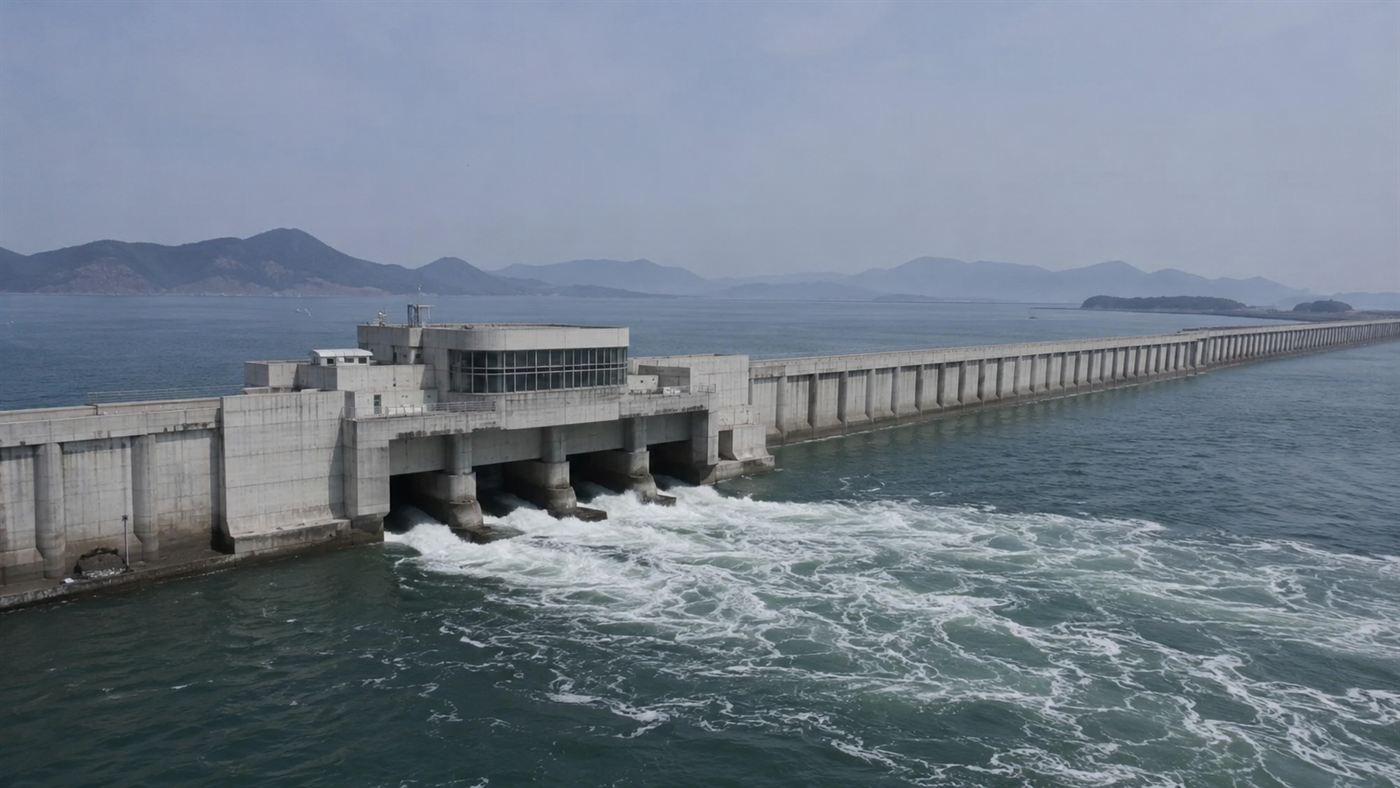
The 12.7-kilometre seawall that once killed the lake now houses the turbines that revived it. Illustration: Watts & Wild.
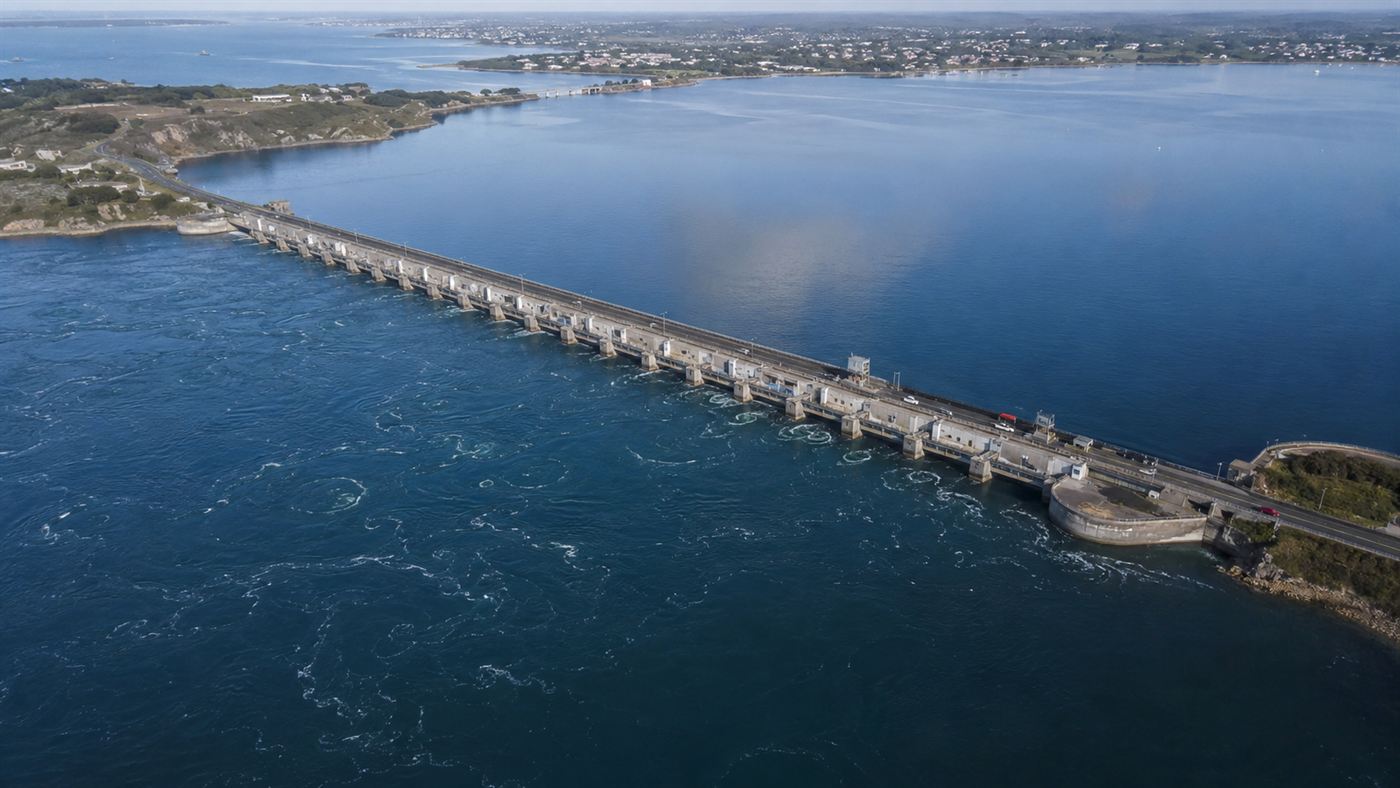
The story starts in 1994, when South Korea finished a 12.7-kilometre seawall across Sihwa Bay, southwest of Seoul. The plan was a land-reclamation project: wall off the bay, let rivers fill the basin with fresh water, and use the new lake to irrigate farmland. On a map it looked tidy. In the water, it was a catastrophe.
With the sea shut out, the bay lost the twice-daily tide that had always flushed it clean. Meanwhile, industrial waste and untreated sewage from the rivers upstream kept pouring in, with nowhere to go. The trapped water turned foul and then dangerous.
How Sihwa became the Lake of Death
Within a few years the lake was effectively poisoned. As the record shows, pollution built up so badly that the reservoir was useless for farming, and surveys later found some of the highest concentrations of certain industrial pollutants ever measured anywhere. The press gave it a grim nickname: the Lake of Death. A project meant to grow crops had instead created one of the dirtiest bodies of water on the planet.
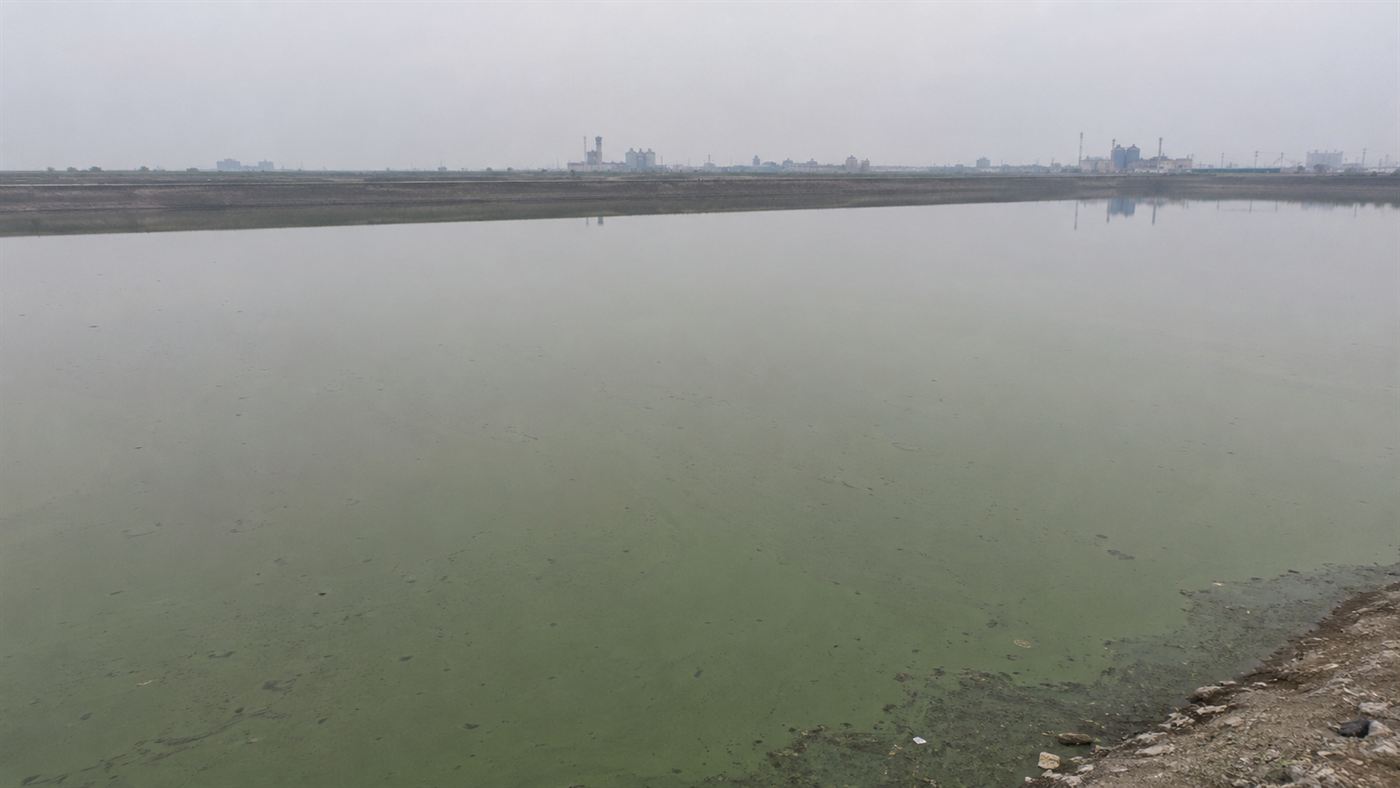
By the late 1990s the freshwater dream was dead, and officials faced an embarrassing problem with no good options. The obvious fix was the humbling one: let the sea back in. They began opening sluice gates to flush the basin with seawater, and the simple act of moving water in and out started to bring the lake back from the dead.
Turning the fix into the world's biggest tidal plant
That is when someone had the clever idea. If millions of tonnes of seawater were going to surge in and out through the seawall anyway to clean the lake, why not put turbines in the wall and harvest the energy of that flow? The cleanup and the power station could be the same machine.
The result, which began operating in 2011, is a 254-megawatt tidal power station, the largest in the world, edging past France's La Rance plant that had held the title for 45 years. Ten huge submerged bulb turbines sit in the seawall, spun by the incoming tide on every flood, generating power while pulling fresh seawater deep into the basin. As POWER magazine has reported, the plant produces roughly 552 gigawatt-hours a year, about enough for a city of half a million people.
The honest catch
This is a genuine redemption story, but it is not a fairy tale. The plant generates on the incoming tide only, sluicing the water back out without making power on the way, which is simpler but leaves energy on the table. The lake's water quality has improved enormously, yet "much cleaner than a poisoned dead zone" is a low bar, and the engineered basin will never be the wild estuary it once was. Sihwa did not undo the original blunder so much as make peace with it.
Still, the lesson is a rare and hopeful one. Most environmental disasters just stay disasters. Here, engineers took a wall that had strangled a bay and turned it into a record-setting clean-energy plant that also healed much of the damage, a trick that puts it in rare company with other attempts to wring power from the sea, from the pioneering La Rance barrage in France to the strange idea of generating power where a river meets the sea. Sometimes the only way out of a mistake is straight through it.
A wall built to grow crops poisoned a whole bay, and the only way to save it turned out to be the world's biggest tidal power station. Is Sihwa proof that we can engineer our way out of our own mistakes, or just a lucky save after a costly blunder? Tell us what you think in the comments.
Related reading: La Rance, the French barrage that was the world's largest tidal power station for 45 years.