Where every river pours into the sea, the simple mixing of fresh water and salt releases energy, and engineers have spent decades chasing this hidden blue power
Every second, the world's rivers dump fresh water into the salty oceans, and that mixing quietly releases energy. Osmotic power, also called blue energy, tries to capture it with clever membranes, promising clean, around-the-clock electricity from nothing but water.
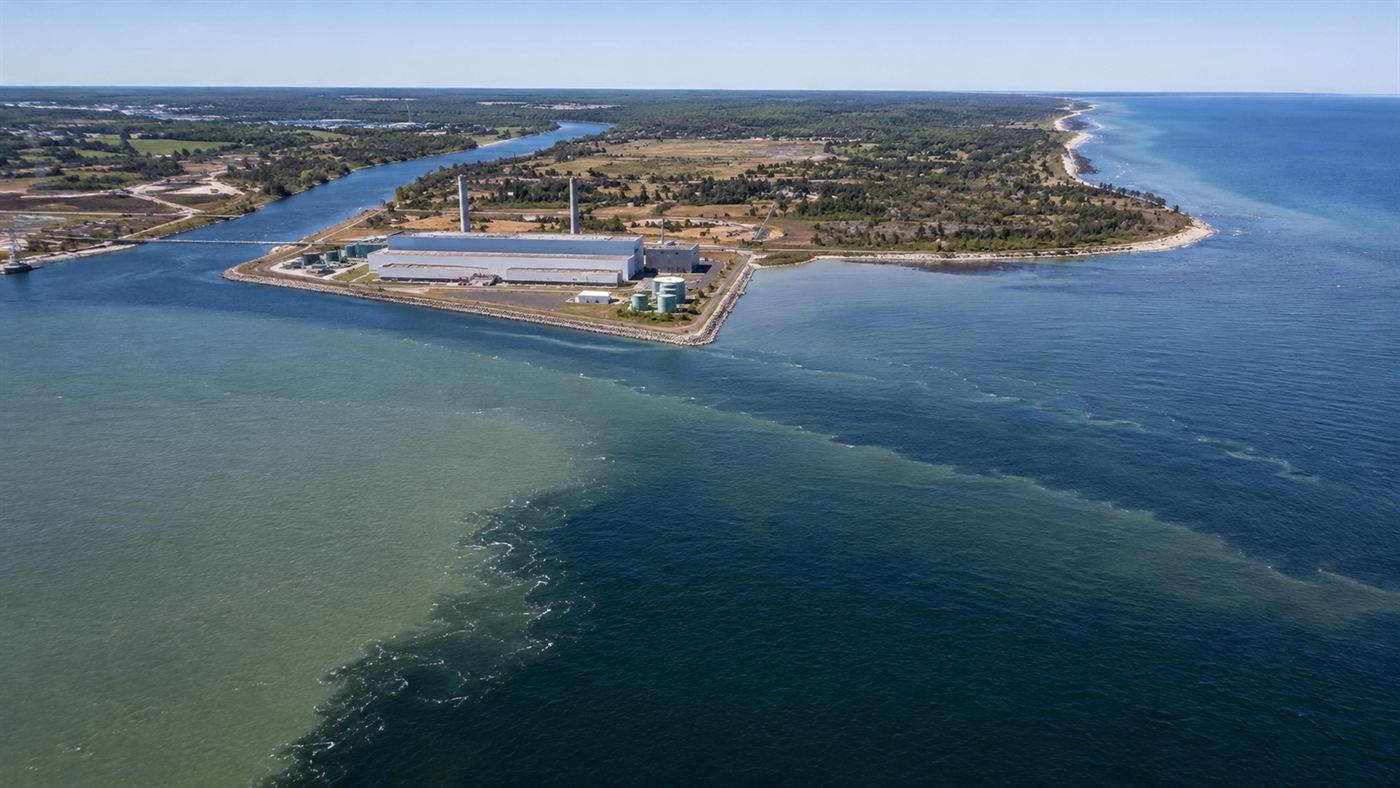
Where a river meets the sea, the clash of fresh and salt water holds a source of renewable power. Illustration: Watts & Wild.
Stand at the mouth of a great river and you are watching one of the largest untapped power sources on Earth flow past unused, the very resource that osmotic power sets out to capture.
Every time fresh water mingles with salt water, a little energy is set free, and across all the world's coasts that adds up to an enormous amount. The sea hides other untapped reservoirs of power too, like ocean thermal energy, drawn from the gap between warm surface water and the cold deep.
What is osmotic power? Osmotic power, also called blue energy, is renewable electricity generated from the difference in salt concentration where fresh river water meets salty sea water. Special membranes harness that salinity gradient, but their cost has kept the technology from going mainstream.
The osmotic power hiding in a river mouth
The science rests on something called the salinity gradient, the contrast between fresh and salty water.
Nature is always trying to even that contrast out, and it is the pull of that mixing that osmotic power tries to harvest before the river and sea blend on their own.
Unlike sunshine or wind, this salinity gradient never stops, because rivers run day and night in every season.
Add up every river mouth on the planet and the theoretical potential of blue energy runs into the terawatts, a serious slice of what humanity uses.
The catch, as always, is turning that diffuse promise into electricity you can actually use.
Two ways to bottle it
Engineers have two main tricks for capturing osmotic power, and both rely on thin sheets called membranes.
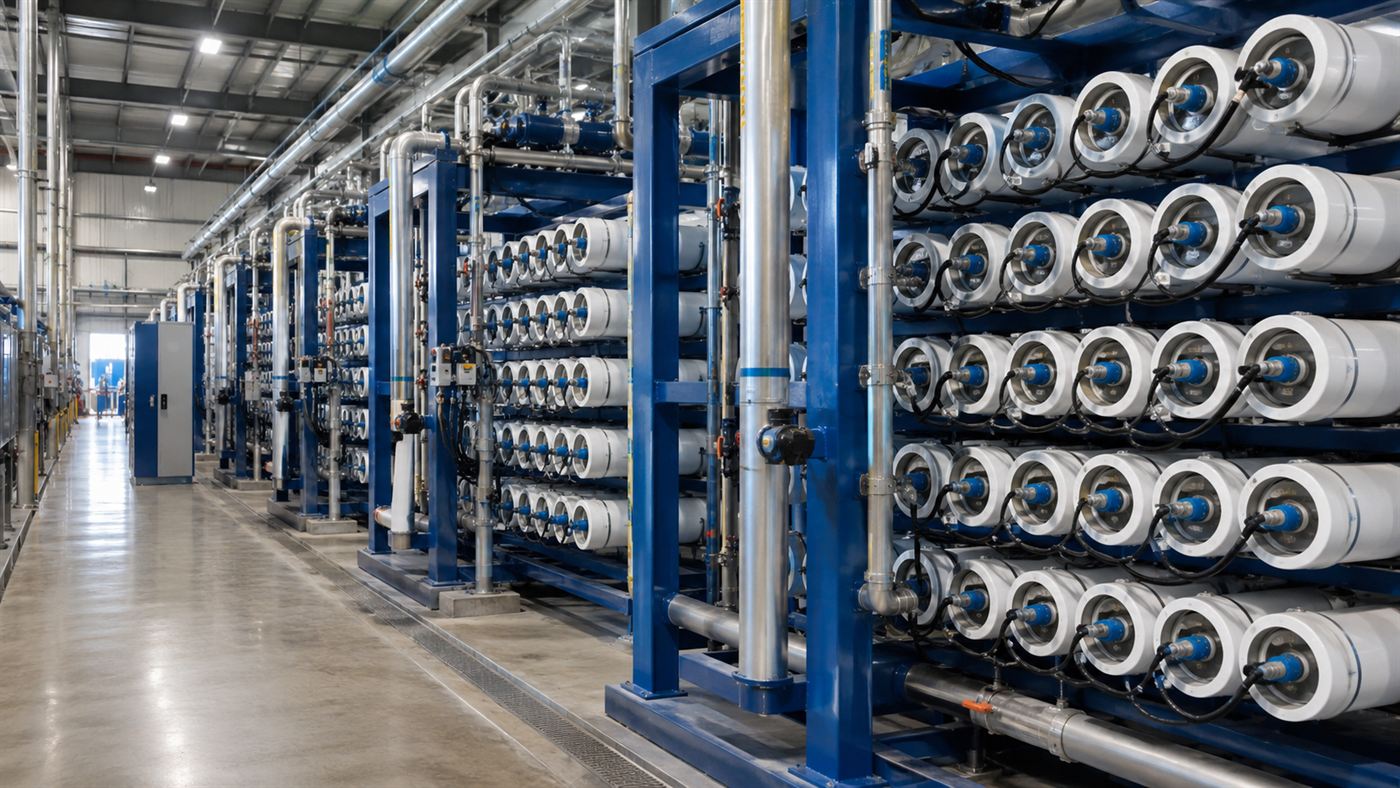
The first, pressure-retarded osmosis, lets fresh water seep through a membrane into a sealed tank of salt water, raising the pressure until it can spin a turbine.
The second, reverse electrodialysis, stacks special membranes so that ions moving from salty to fresh water create an electric current directly, with no turbine at all.
Either way, the membrane is the heart of the machine, the delicate barrier that does the real work of turning a salinity gradient into power.
And it is also the part that has caused the most heartbreak.
Norway's bold prototype
The most famous attempt at osmotic power came from Norway.
In 2009 the energy company Statkraft opened the world's first osmotic power prototype at Tofte, even unveiled by the country's crown princess.
It was a genuine milestone, the first time anyone had generated real electricity from a salinity gradient at a working plant.
But the membranes simply could not move enough water per square metre to be worth their cost, and in 2014 Statkraft quietly pulled the plug.
The pioneer of blue energy had proved the idea worked and then walked away because the numbers did not.
The Dutch keep the dream alive
Where Norway stepped back, the Netherlands, a country obsessed with water, stepped in.
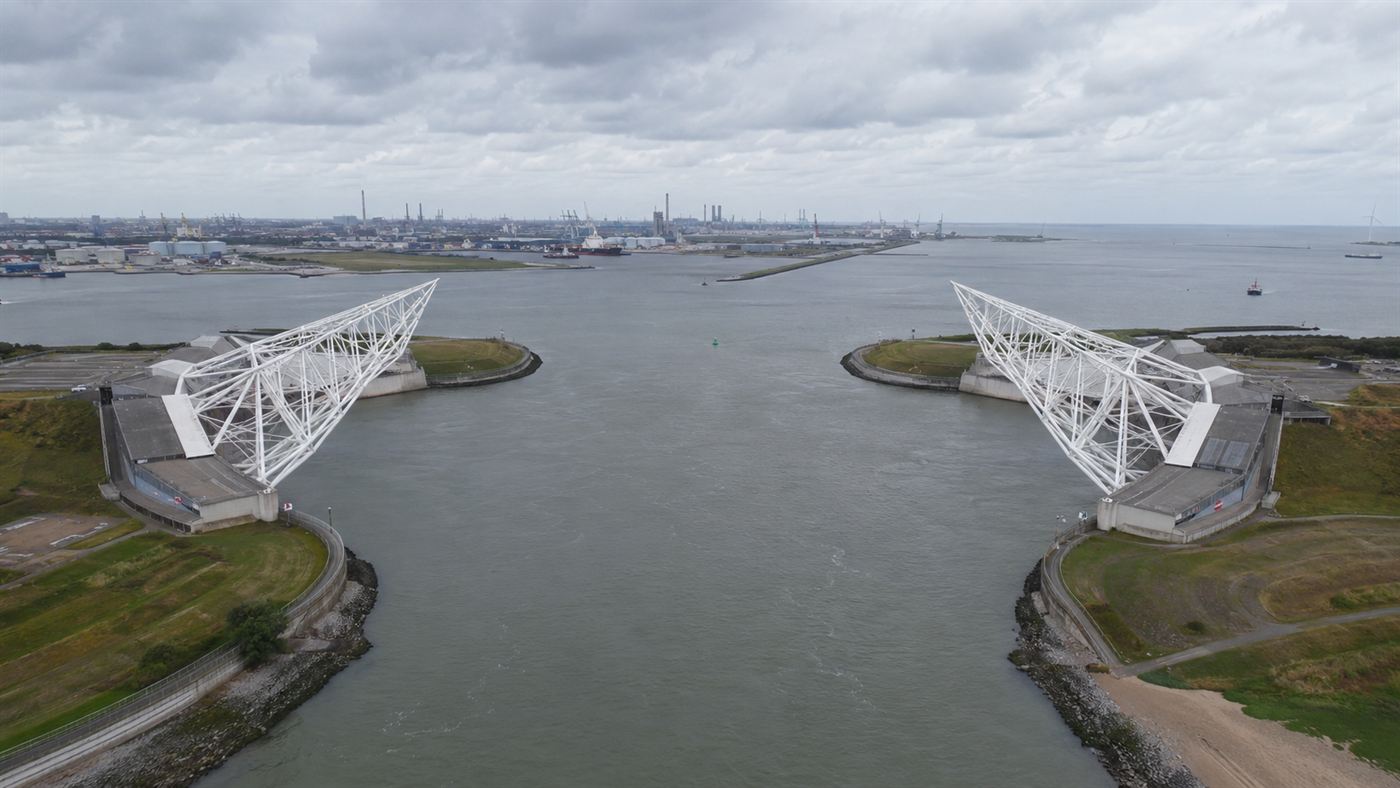
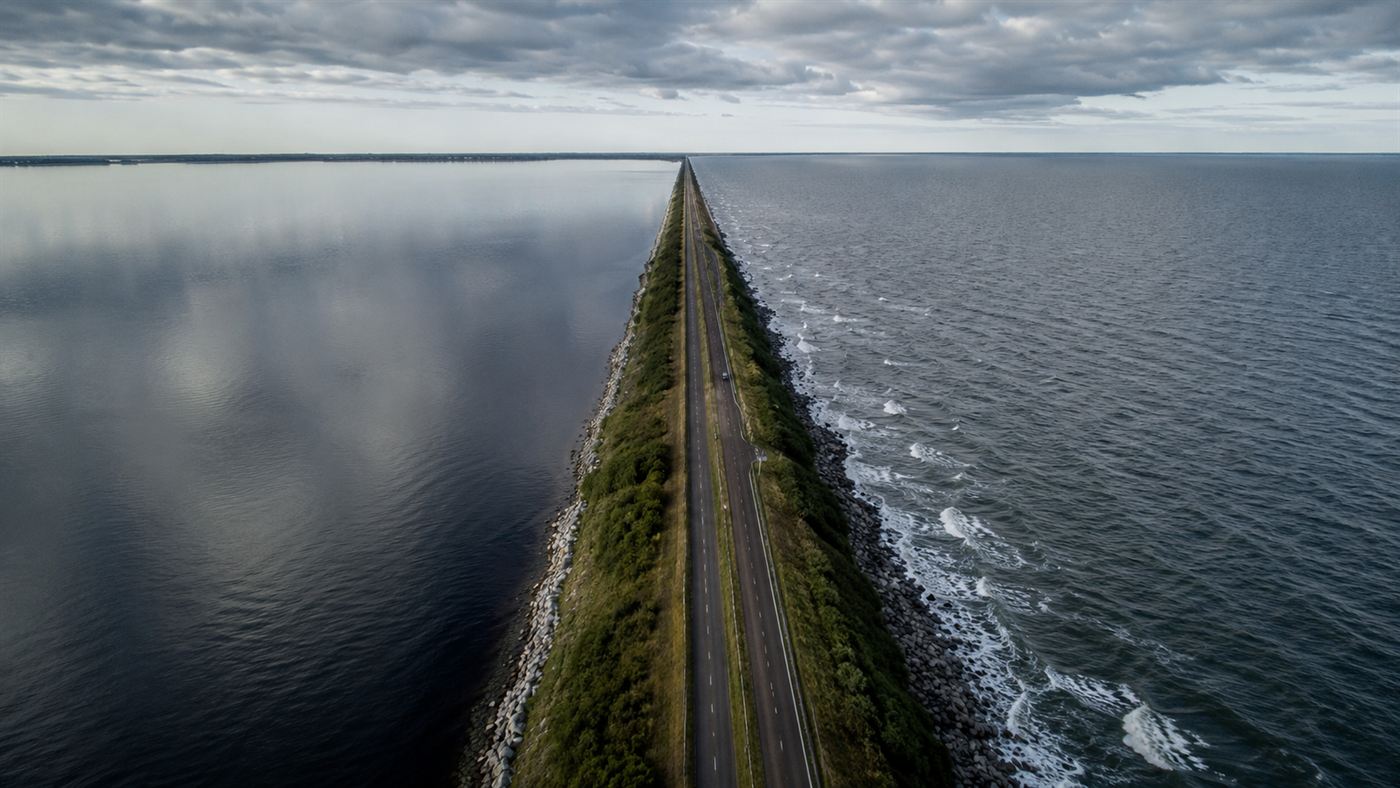
On the famous Afsluitdijk, the long dike that separates a freshwater lake from the salty Wadden Sea, a Dutch team built a reverse-electrodialysis blue energy plant, and the Afsluitdijk is exactly the kind of place where fresh and salt water meet in huge volumes.
The site is a natural laboratory, with fresh and salt water already pressed against each other across the barrier.
It remains modest in scale, but it keeps the technology alive and improving while the world waits for cheaper membranes.
For now, blue energy survives as a careful experiment rather than a power station you would notice.
The honest catch
It would be lovely to say blue energy is about to power our cities, but the honest answer is not yet.
The membranes at the centre of osmotic power are still expensive, fragile, and prone to clogging with silt and slime, which strangles their output.
The power squeezed from each square metre of membrane is low, so a meaningful plant needs a vast area of them, which is what wrecks the economics.
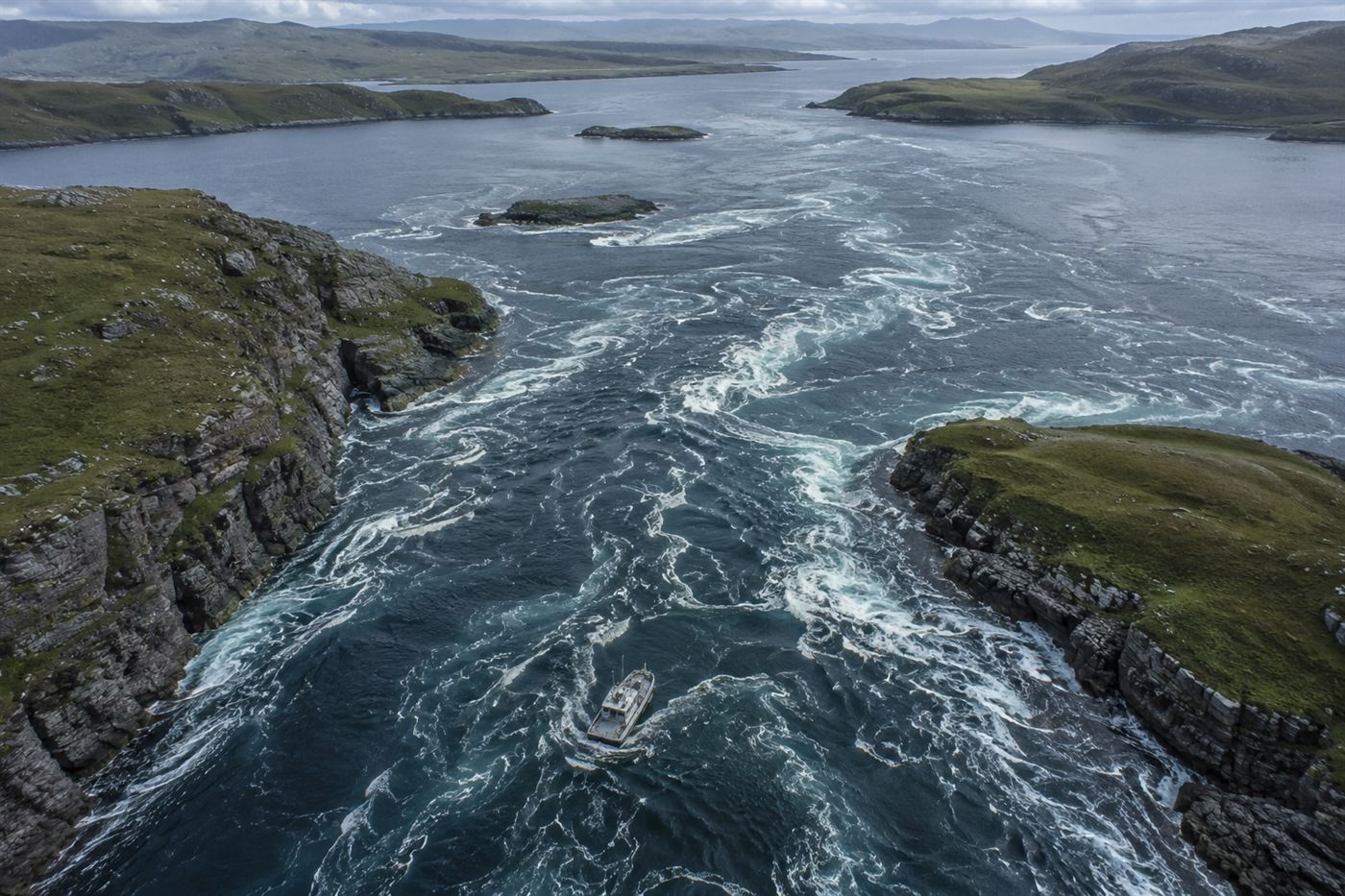
There is an environmental footnote too, because drawing huge volumes of water from a river mouth can disturb the very estuaries that make the salinity gradient possible, and like the related promise of tidal power in Scotland, the ocean gives up its energy grudgingly.
Osmotic power remains one of the great almost-theres of clean energy, a real and renewable source we can touch but not yet afford to use at scale.
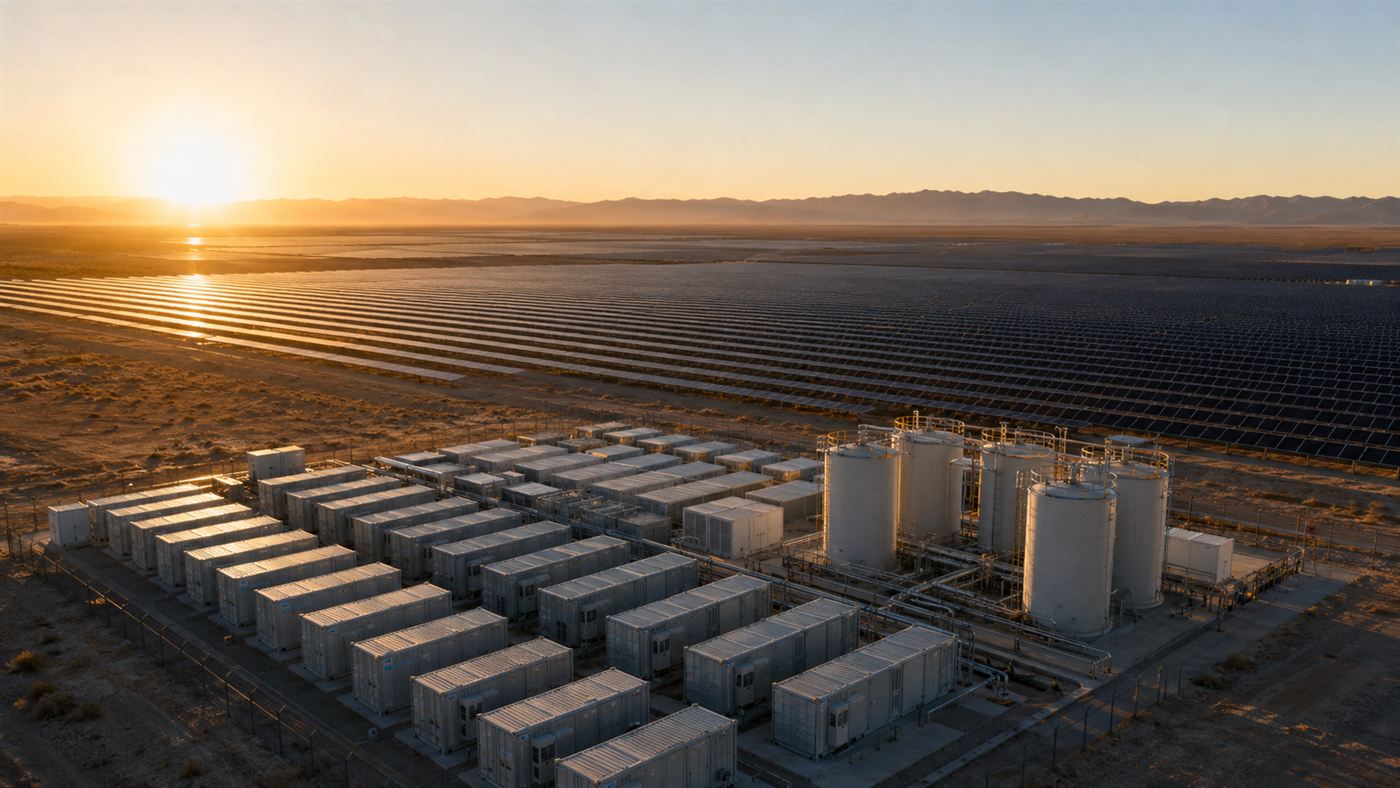
If membranes ever get cheap enough, the quiet meeting of every river and sea could become a power plant, joining the wider hunt for steady clean power that runs from tidal turbines to novel stores like the Finnish sand battery and the vanadium flow batteries of China.
If blue energy is renewable, constant and everywhere rivers meet the sea, is it worth pouring money into cheaper membranes, or are there better places to spend it? Tell us in the comments.