A device that could turn nine-tenths of a wave into electricity was shut down in a closed meeting in 1982, on a cost estimate later found to be wrong by a factor of ten
The sea is full of energy, and in the 1970s a Scottish engineer built a machine to capture an astonishing share of it. Salter's Duck could swallow up to ninety percent of the power in a passing wave. It looked like a serious answer to the oil crisis. Then Britain quietly let it go.
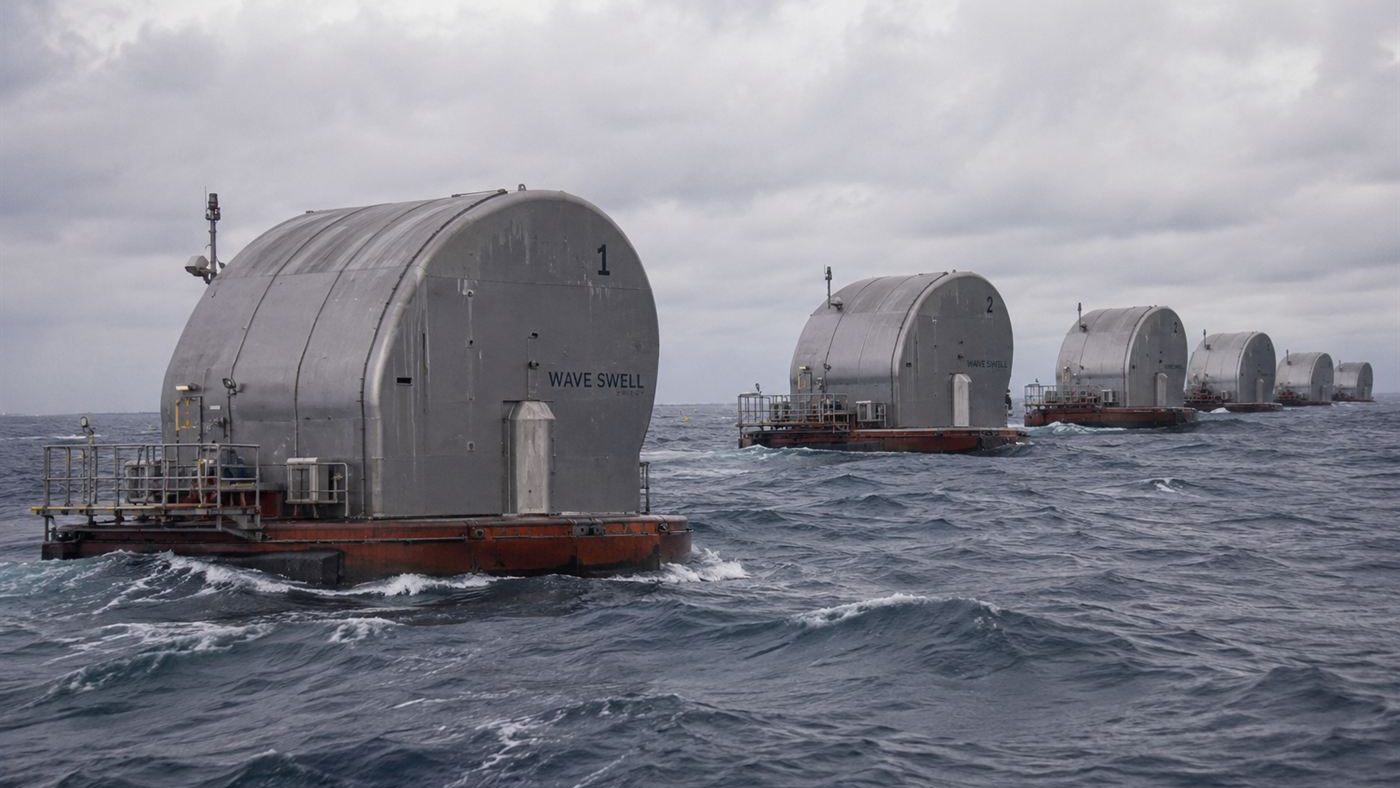
Salter's Duck nodded on the waves, absorbing their energy. Illustration: Watts & Wild.
The idea was born of a crisis. When the oil shock of 1973 sent energy prices soaring and exposed how dependent the West had become on imported fuel, governments suddenly took alternatives seriously. At the University of Edinburgh, an engineer named Stephen Salter looked at the grey waves rolling in off the Atlantic and saw an enormous, untapped power source, if only someone could build a machine to harvest it.
In 1974 he unveiled his answer, and it was elegant. Most people imagine wave power as something that bobs up and down, but Salter's design was cleverer than that.
How Salter's Duck caught the waves
The Duck was a float shaped a little like a teardrop or a cam, tethered in a row of others along a spine in the sea. As HowStuffWorks explains, the curved body was designed to nod back and forth as each wave passed, and that nodding motion was turned into electricity. The shape was the secret: it was tuned to follow the complex motion of a real wave so closely that very little energy slipped past unused.
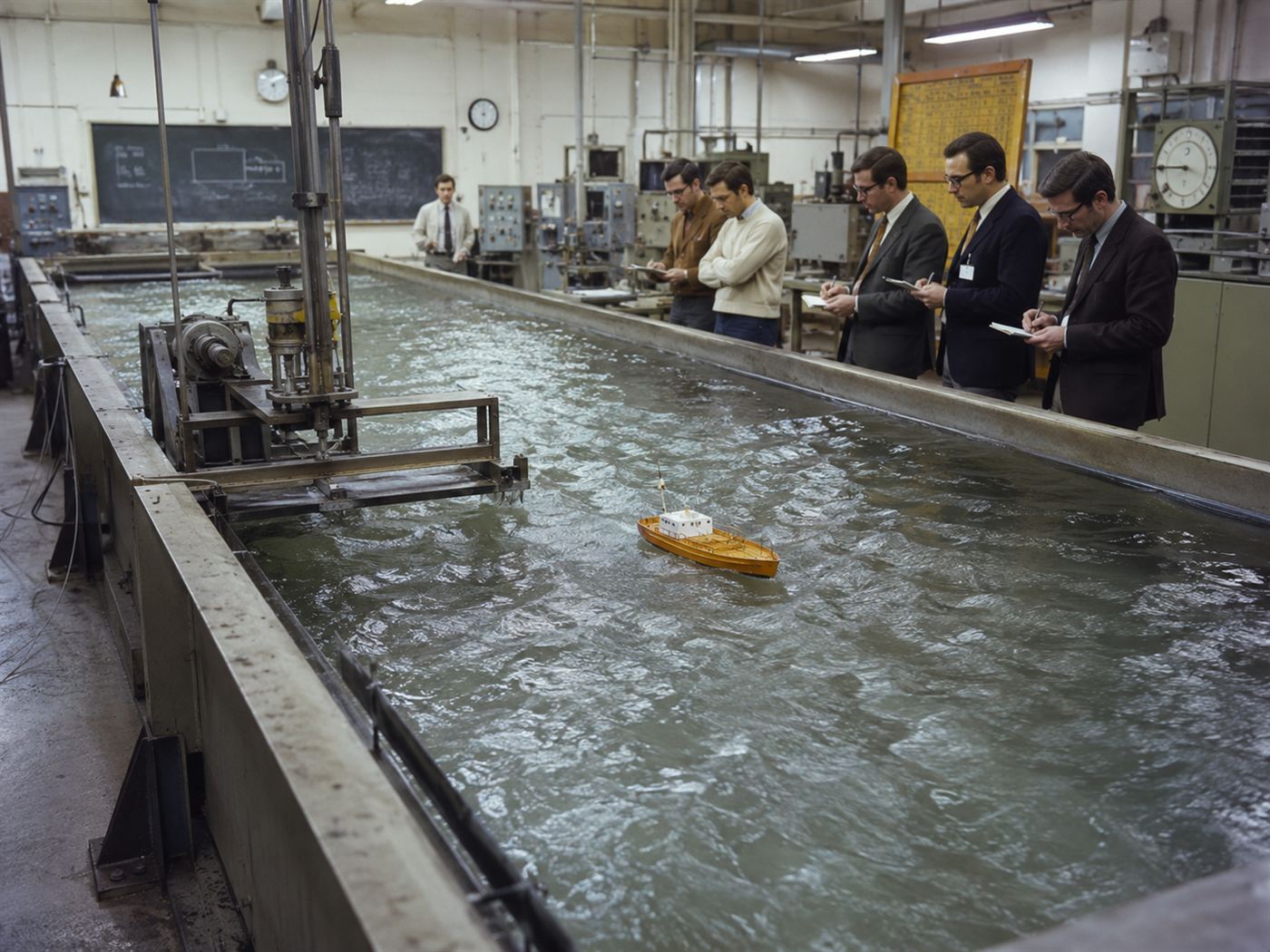
The efficiency was the headline. In testing, Salter's Duck could absorb up to around ninety percent of the energy in the waves that reached it, a remarkable figure for any kind of generator, let alone one wrestling with the messy, irregular power of the open sea. Through the late 1970s, backed by Britain's national Wave Energy Programme, the device worked its way through tank tests and looked genuinely promising.
Killed in a closed meeting
Then, in 1982, it stopped. As a case study on the project records, Britain's Wave Energy Programme was shut down in March 1982, and Salter's Duck failed to secure the funding it needed to go on. The decision turned on an assessment of whether wave power could ever be cost-effective, and the verdict was that it could not.
What made it sting was who did the judging and what came out later. The assessment was carried out by the UK Atomic Energy Authority, the body responsible for nuclear power, the very technology wave energy was competing against for funding. And in time it emerged that the sums had gone badly wrong: the estimate of how much the Duck's electricity would cost had been overstated by a factor of around ten. A promising programme had been closed down, in part, on the strength of a calculation that was off by an order of magnitude.
Why was Salter's Duck cancelled?
To Salter and his supporters, the conclusion was obvious and bitter: wave power had been killed by a rival industry's flawed maths. He spent much of the rest of his life arguing that Britain had thrown away a genuine lead in a technology the world would eventually need, and the factor-of-ten error gave that argument real weight.
The wider context mattered too. By the early 1980s the oil-crisis panic had faded, North Sea oil and gas were flowing, and the political appetite for expensive long-shot renewables had drained away. In that climate, an unproven technology with a frighteningly high price tag, even a wrongly calculated one, was an easy thing for a government to drop.
The honest catch
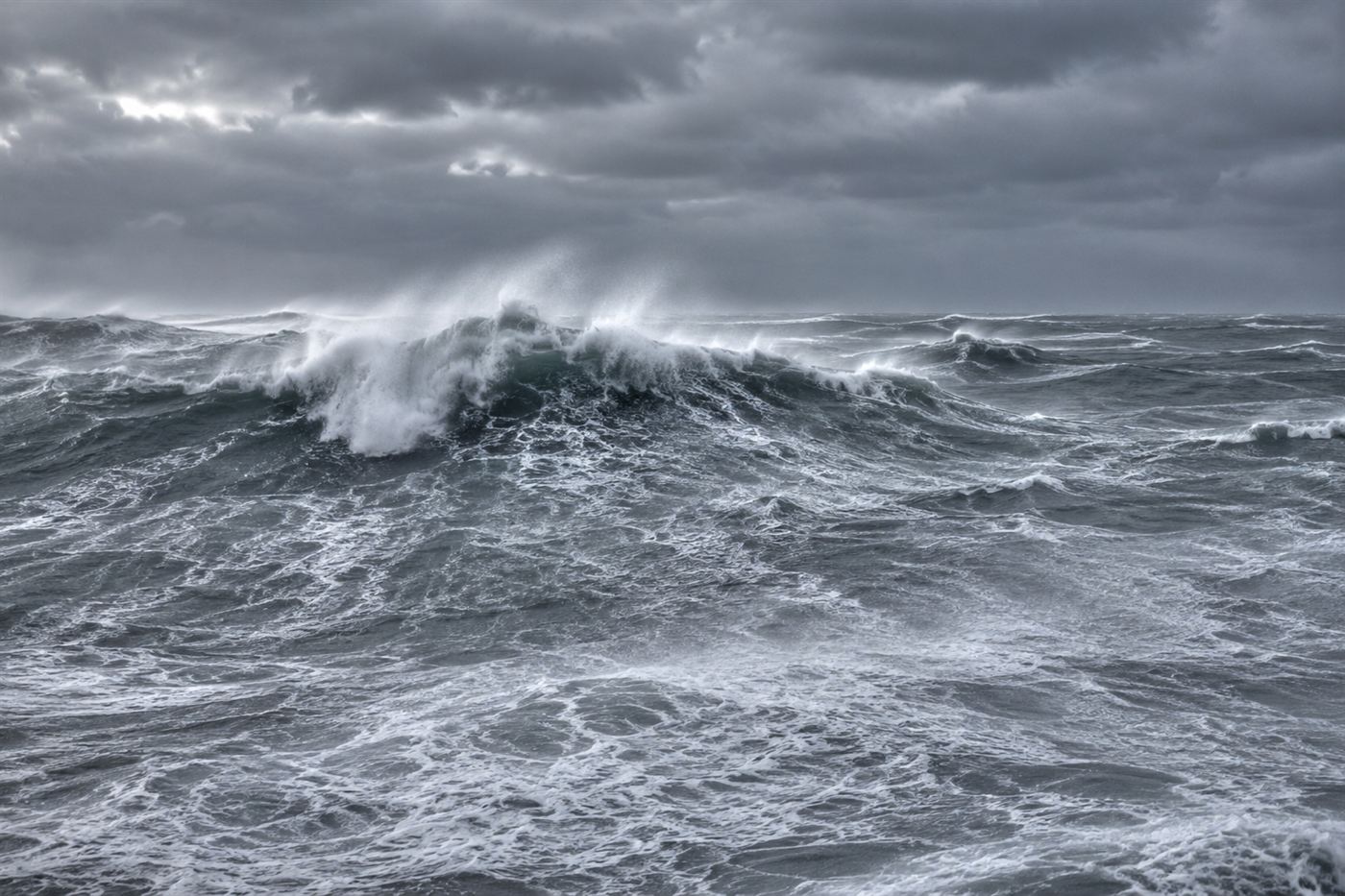
The clean version of this story, brilliant invention murdered by the nuclear lobby, is satisfying but too simple. The cost error and the conflict of interest are real and documented, and they deserve the criticism they get. But wave power also faced genuine, brutal problems that had nothing to do with politics: machines that must survive decades of storms in the open ocean are fiendishly hard and expensive to build, and the early cost estimates for all wave devices, not just the Duck, were daunting.
It is also worth being honest that Salter's Duck was never proven at full scale in the real sea, and that wave power remains commercially unproven to this day, with later flagship projects also failing. So this is not quite a tale of a ready-made solution stolen from us. It is something more uncomfortable: a promising line of research, hurt by a bad decision made for mixed reasons, that we will now never know the full potential of.
Why a dropped duck still matters
The lasting power of the Salter's Duck story is what it says about how the future gets chosen. Technologies do not simply win or lose on merit; they live or die on funding decisions made in particular rooms, by particular people, sometimes on the back of a number that turns out to be wrong. A different verdict in 1982 might have given Britain, and the world, a head start of decades on harvesting the sea.
The waves are still out there, rolling in with the same enormous, unused power they had when Salter first watched them. Do you think wave energy was unfairly abandoned, or was it always going to be too hard to be worth it? Tell us in the comments.
Related reading: Off the north of Scotland, giant underwater turbines now generate power from the raw force of the tides.