The country that built the transcontinental railroad is finally laying its first true high-speed line
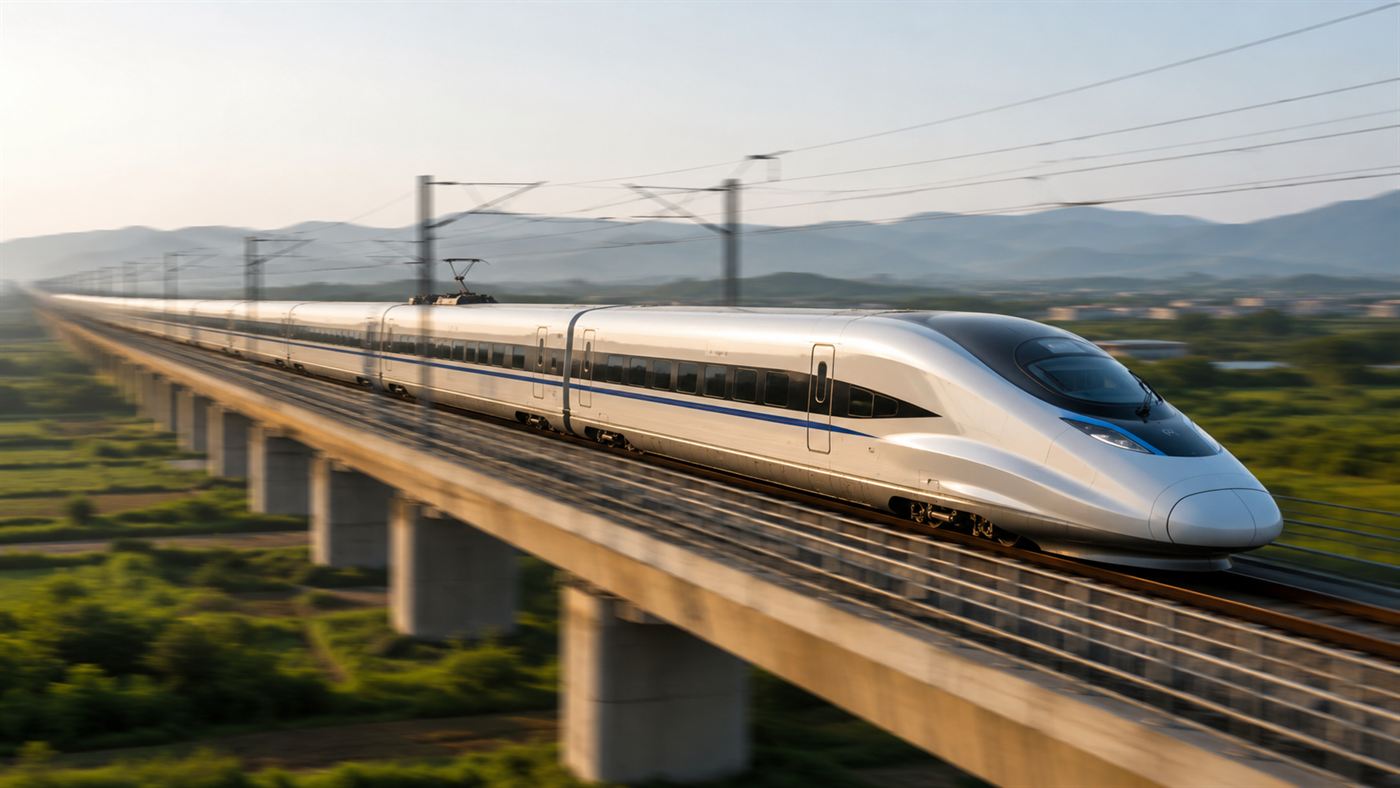
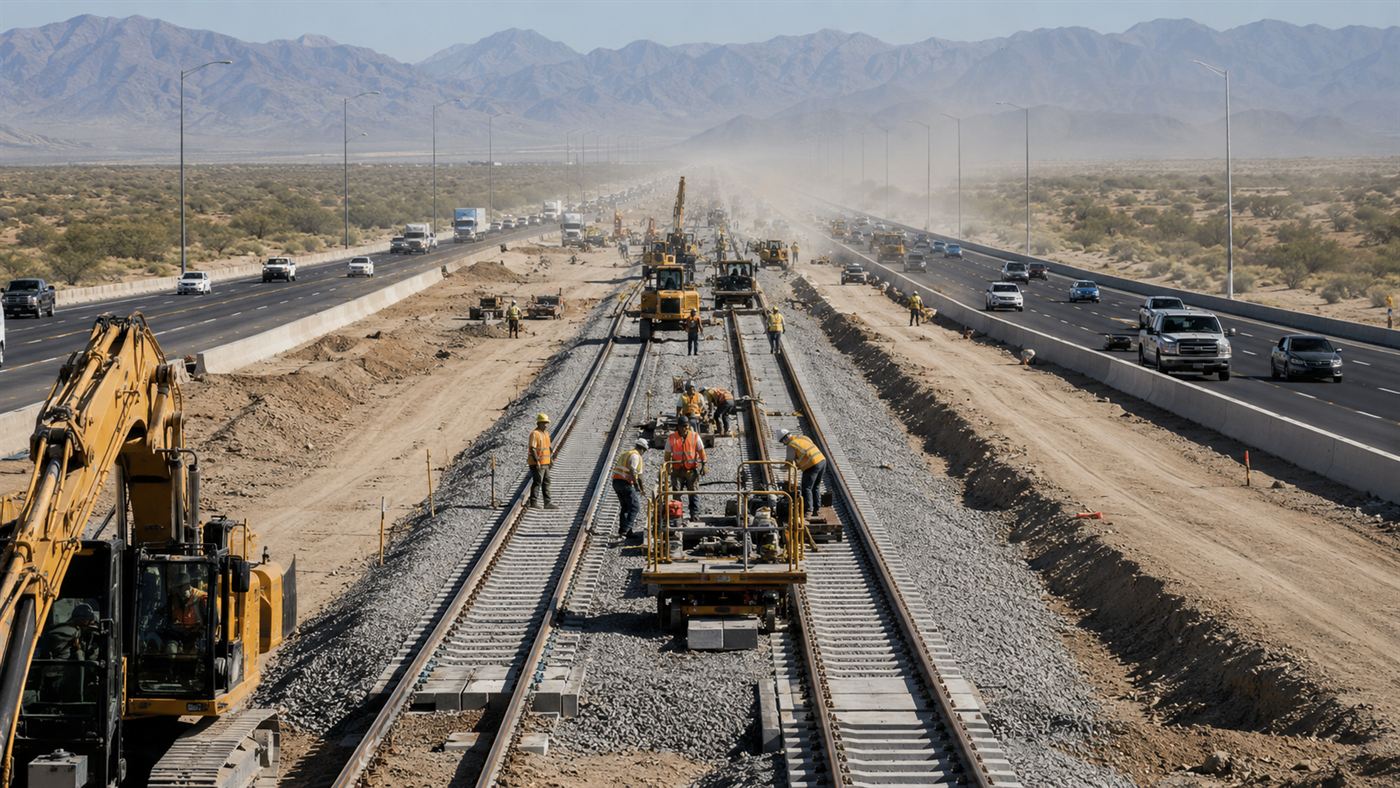
In 2026, in the scrub and sand beside Interstate 15, crews began the serious work on something the United States has strangely never had: a genuine high-speed rail line. Brightline West is building an all-electric railway from Las Vegas to the edge of Los Angeles, with trains meant to fly across the desert at two hundred miles an hour.
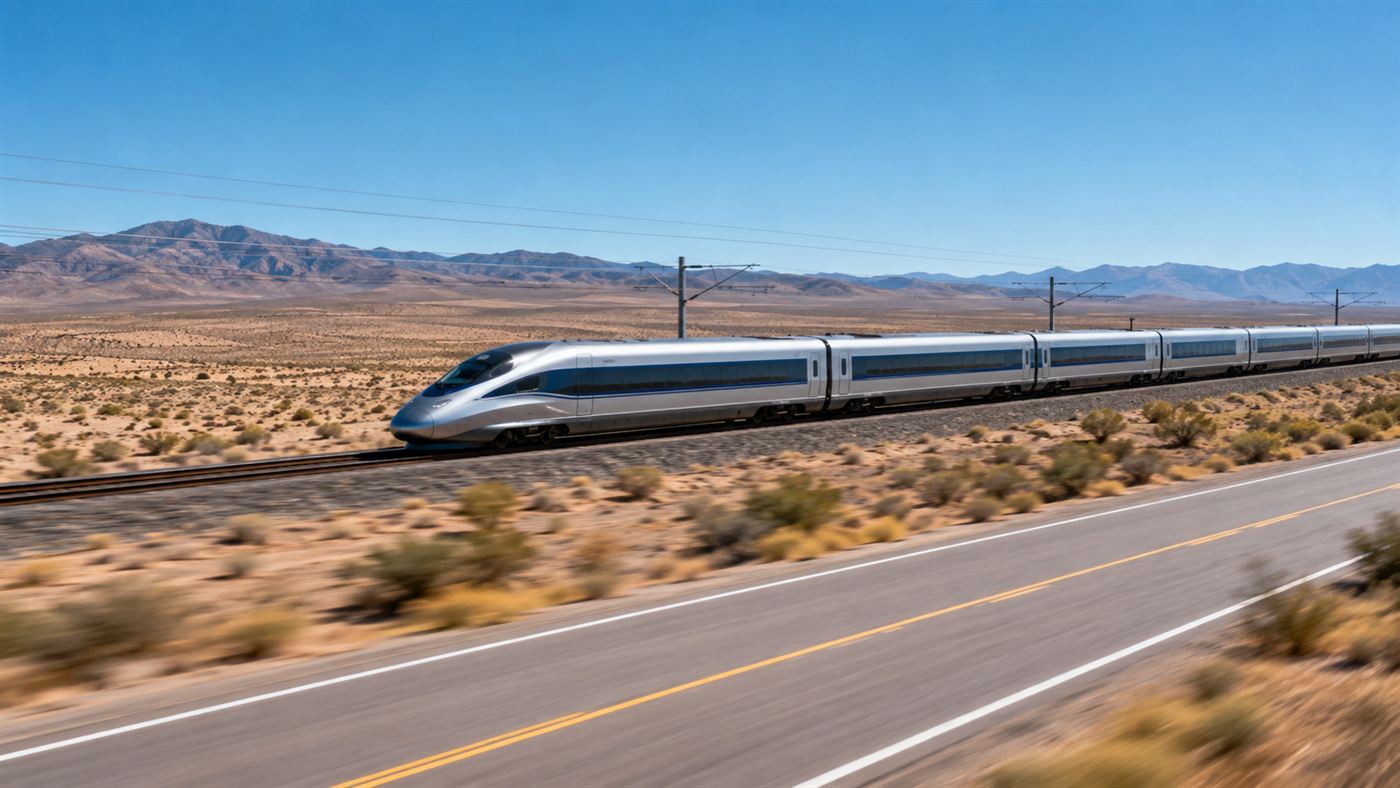
A sleek electric train built to cross the desert at around 200 mph. Illustration: Watts & Wild.
The line will run 218 miles, most of it straight down the median of the interstate, connecting Las Vegas with Rancho Cucamonga on the eastern fringe of the Los Angeles area. The trains are designed to hit roughly 200 miles an hour, turning a drive that regularly stretches to four hours or more, especially on a Sunday when the whole valley streams home from the casinos, into a trip of about two.
What makes 2026 notable is that the project stopped being a plan and became a construction site, with crews boring, grading and building along the corridor in earnest. If it works, Brightline West, a private venture rather than a government line, will be the first true high-speed rail the country has ever run.
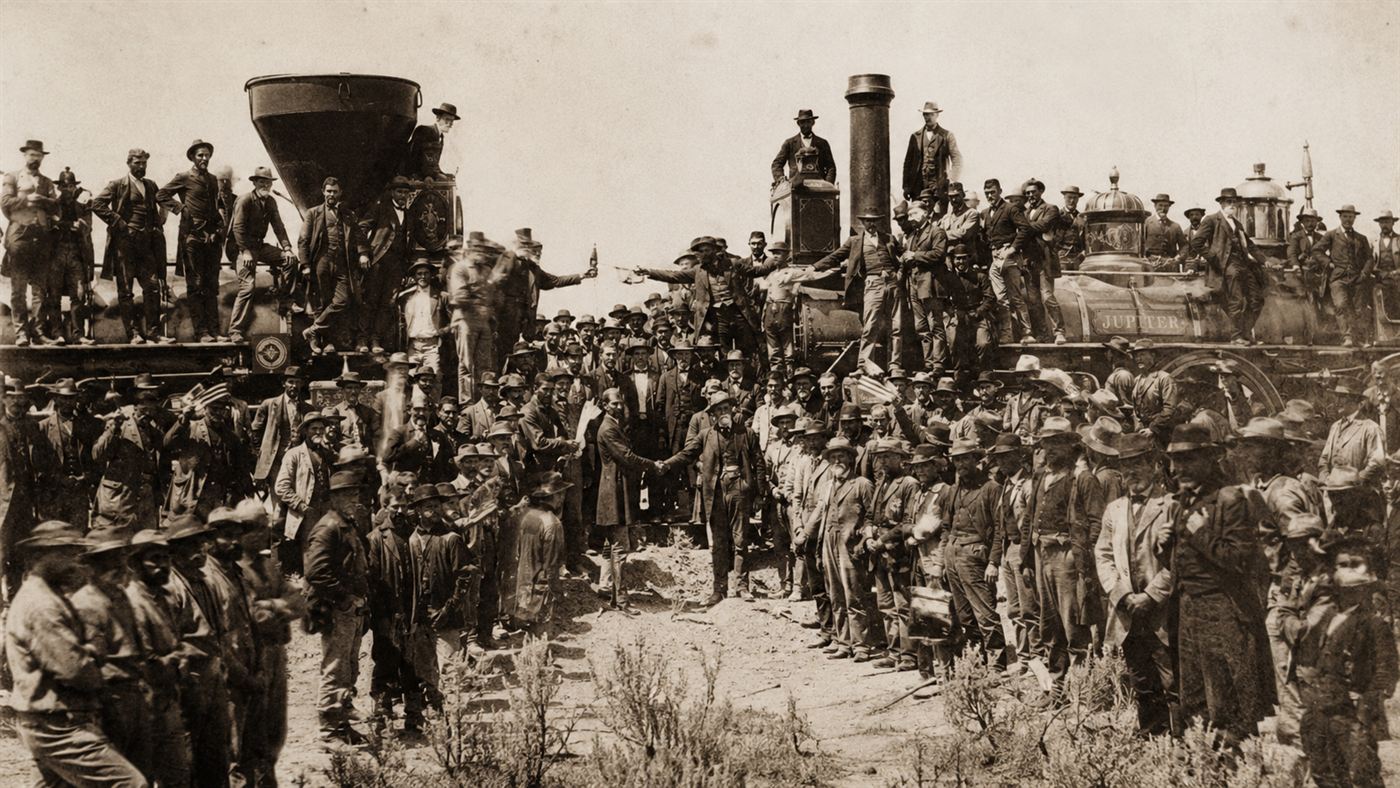
The short version is that America, which once stitched itself together with the transcontinental railroad, is at last attempting the kind of bullet train the rest of the world has enjoyed for decades.
Why America has no high-speed rail yet
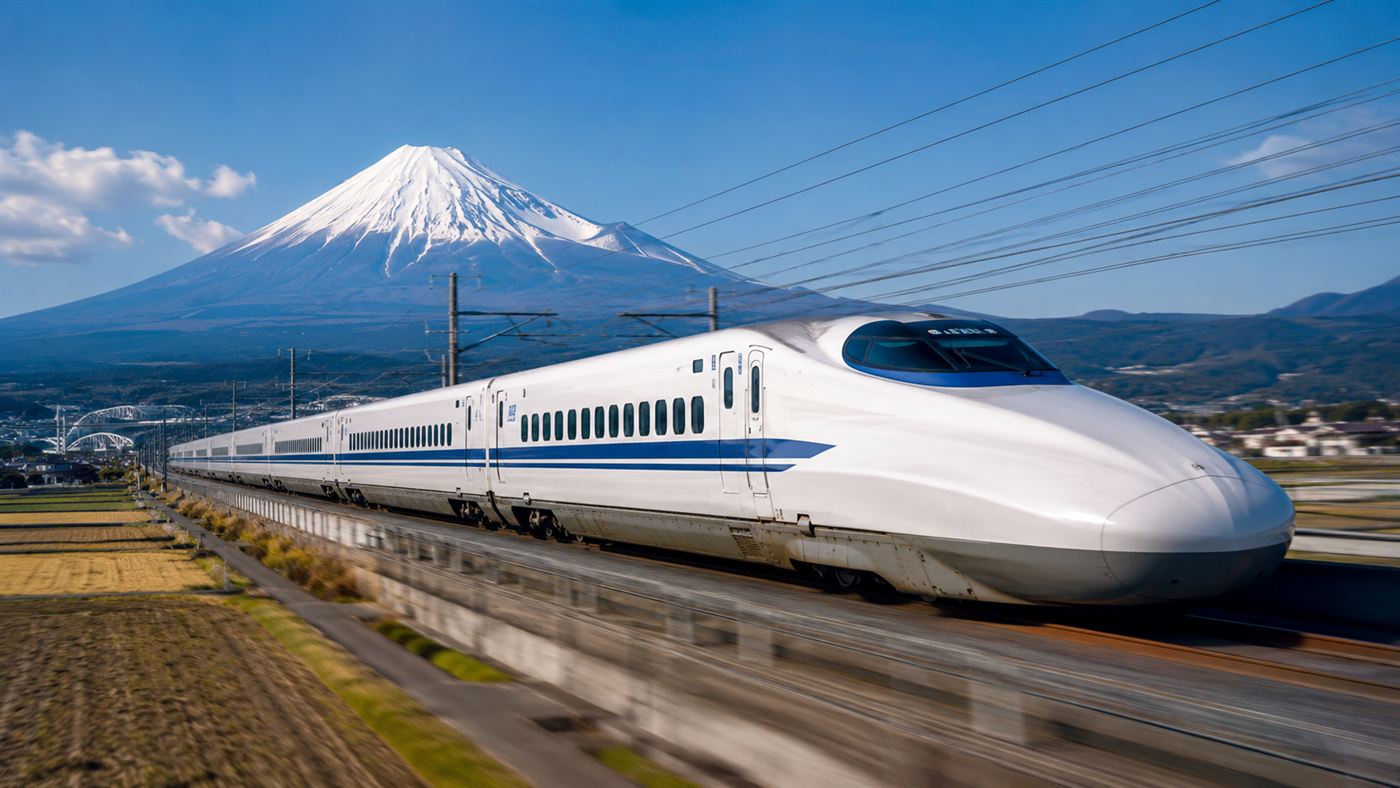
It is a genuine oddity. Japan opened its first bullet train in 1964, and China has since laid tens of thousands of miles of high-speed track, yet the nation that gave the world the great railroads never built a fast one. The reasons are tangled: cheap domestic flights, a deep love of the car, sprawling cities that are hard to link, and the enormous cost and years of lawsuits that any big rail project attracts.
California has spent years and vast sums struggling to build its own high-speed line through the Central Valley, a saga of soaring budgets and slipping dates. Brightline West bet on an easier route by comparison, a mostly straight, mostly empty desert corridor it could build beside a highway it did not have to fight for, which is a large part of why it is the one now racing ahead.
What riders would actually get
For a traveller, the pitch is simple and appealing. Instead of crawling along a jammed Interstate 15 or enduring the airport shuffle for a short flight, you would board a quiet, fast electric train and reach the other end in around two hours, free to work, sleep or watch the desert blur past. On the busiest travel days, that could genuinely beat both the car and the plane.
The trains draw their power from overhead lines rather than burning fuel, so the journey is far cleaner than driving, especially as the grid itself gets greener. For a corridor that carries huge numbers of trips between one of the world's great tourist cities and the vast Los Angeles region, a fast, low-emission alternative to millions of car journeys is a real prize.
Is it really as good as it sounds?
Here the fine print matters. The western end is not in the heart of Los Angeles but in Rancho Cucamonga, some 40 miles from downtown, where riders transfer to a slower commuter line for the last leg. A traveller from central LA has to get out to the station first, which softens the door-to-door time advantage the headline speed suggests.
The budget has swelled too, from earlier estimates to around 21.5 billion dollars, and the opening has slipped to roughly 2029, missing an early hope of carrying crowds to the 2028 Los Angeles Olympics. None of this dooms the project, but it is a reminder that even the easy high-speed route in America is neither cheap nor quick to build.
The honest catch
It is tempting to hail this as the moment America finally joins the high-speed age, and in a real sense it is a milestone worth cheering. A fast, electric, low-carbon link on one of the country's busiest travel corridors is a genuinely good thing, and if it succeeds it could prove that such lines can be built in the United States at all, opening the door to more.
But the catch is worth naming. This is one favourable route, flat and empty and beside a highway, and its swelling cost and slipping schedule show how hard even that is. It does not by itself give America a network, only a first thread, and the country's deeper obstacles to fast trains, its sprawl, its politics and its love of the car, have not gone away. Years late and billions over its first estimate, Brightline West may still be a triumph. It is best seen as a promising beginning, not the finish line of a journey the rest of the world set out on sixty years ago.
Sources: Brightline West construction updates, Planetizen, and Newsweek.
After decades of watching other countries speed ahead, America is finally laying rail for a proper fast train through the desert. Would you take a 200 mph train from Las Vegas to LA, or would you still rather fly or drive? Tell us what you think in the comments.
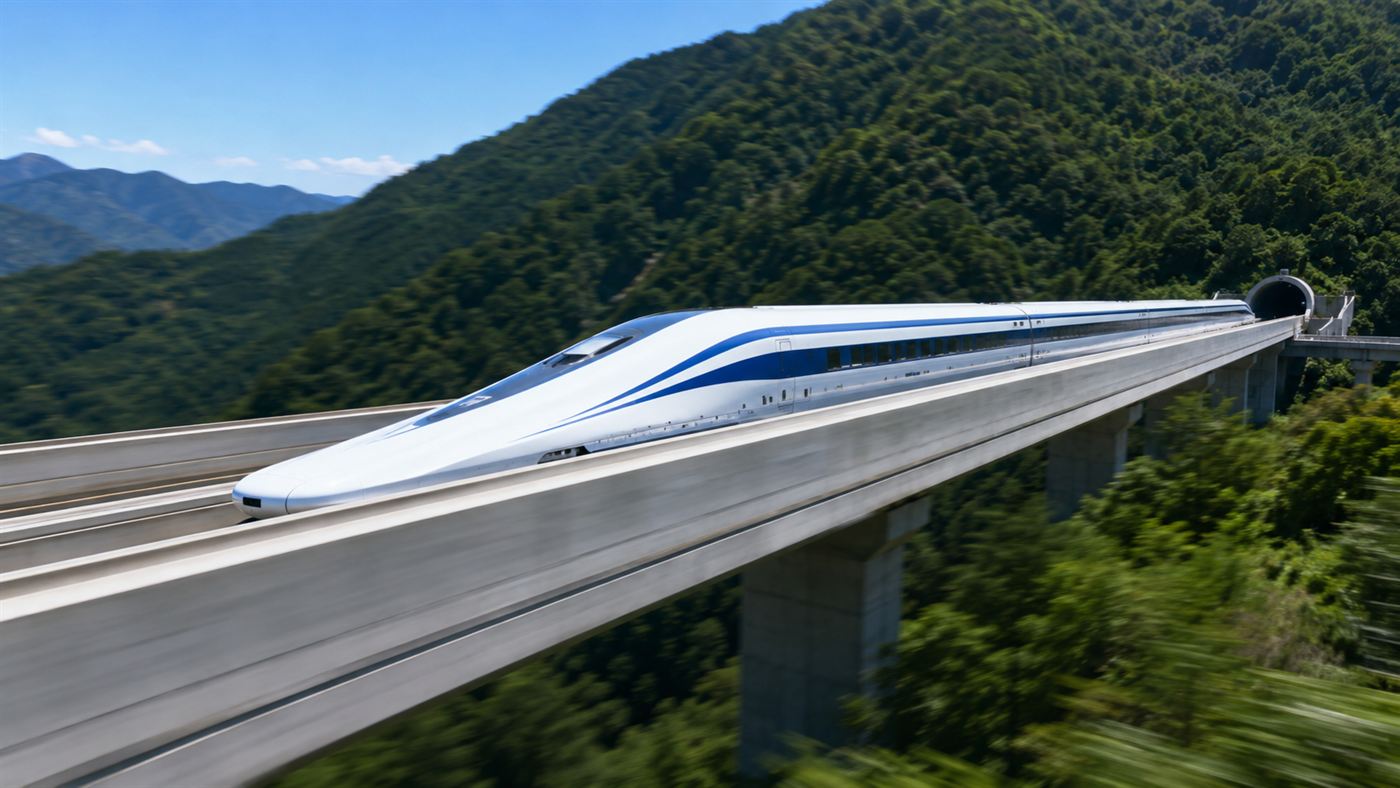
Related reading: the Japanese Shinkansen, the 1964 train that started the high-speed age. See also China's CR450, the fastest scheduled train in the world, and the transcontinental railroad that first bound America together.