A quarter-mile-long serpent lies coiled in the hills of Ohio, built by Native Americans on top of an ancient crater, and after 150 years of study nobody is sure how old it is
From the ground it just looks like a low, grassy ridge winding through the trees. From the air, it snaps into focus: an enormous snake, coiled tail at one end, jaws open at the other, as if about to swallow the sun. It is one of the great prehistoric wonders of America, and it still keeps its secrets.
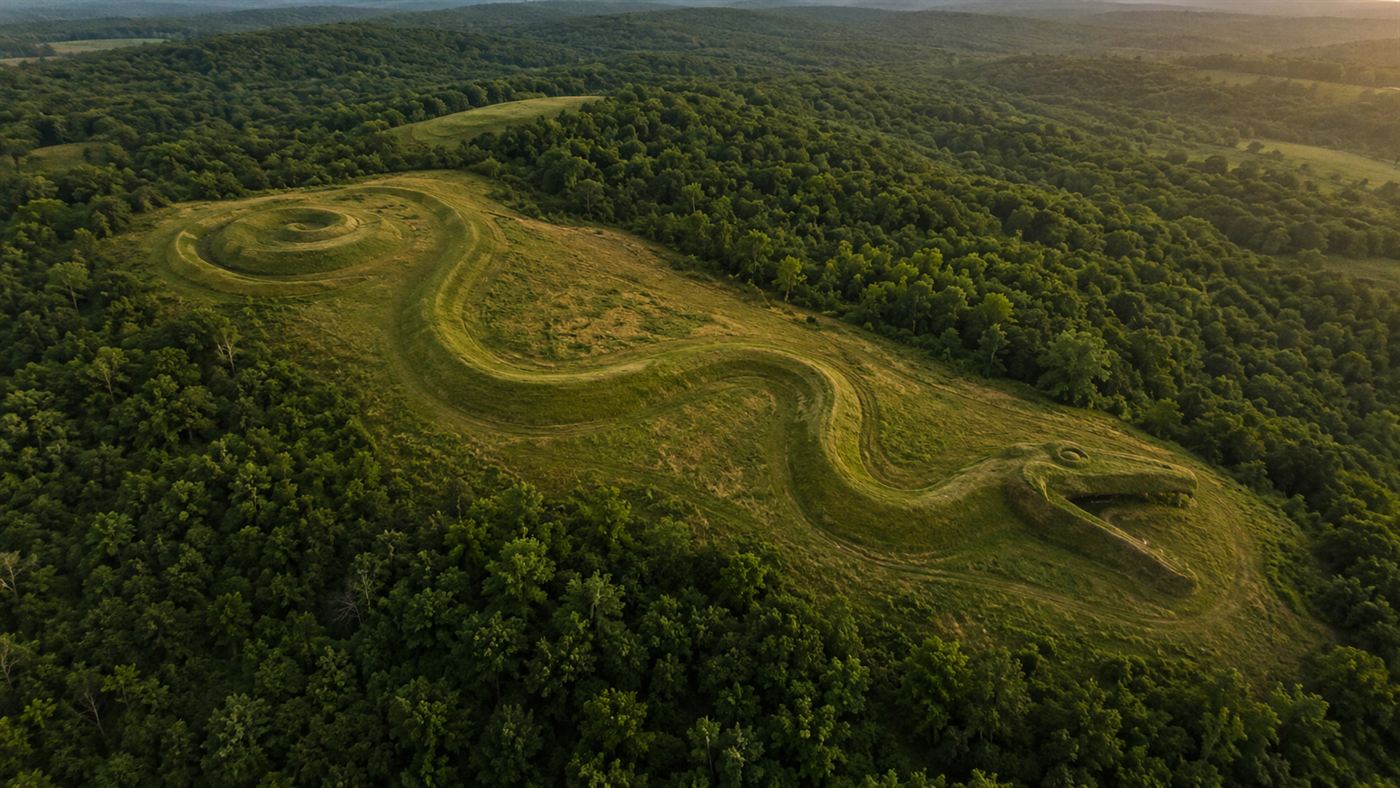
Only from above does the earthwork reveal itself as a giant serpent. Illustration: Watts & Wild.
In the quiet hills of Adams County, Ohio, sits the largest serpent effigy mound ever built by human hands. The Serpent Mound stretches some 1,348 feet from its tightly coiled tail to its open mouth, a low earthen sculpture of a snake so big that its full shape can really only be appreciated from the sky.
It was raised by Native Americans long before Europeans arrived, and it has fascinated and frustrated scholars ever since they first surveyed it in the 1800s. Because for all its scale and its obvious care, the mound refuses to answer the simplest questions we ask of it: who built it, when, and above all, why.
The short version: an ancient culture piled up earth into a perfect quarter-mile snake, aligned it with the heavens, and placed it on one of the strangest patches of ground in North America. The Serpent Mound has survived for many centuries, and it is still an unsolved puzzle sitting out in the open.
A giant snake carved in the earth
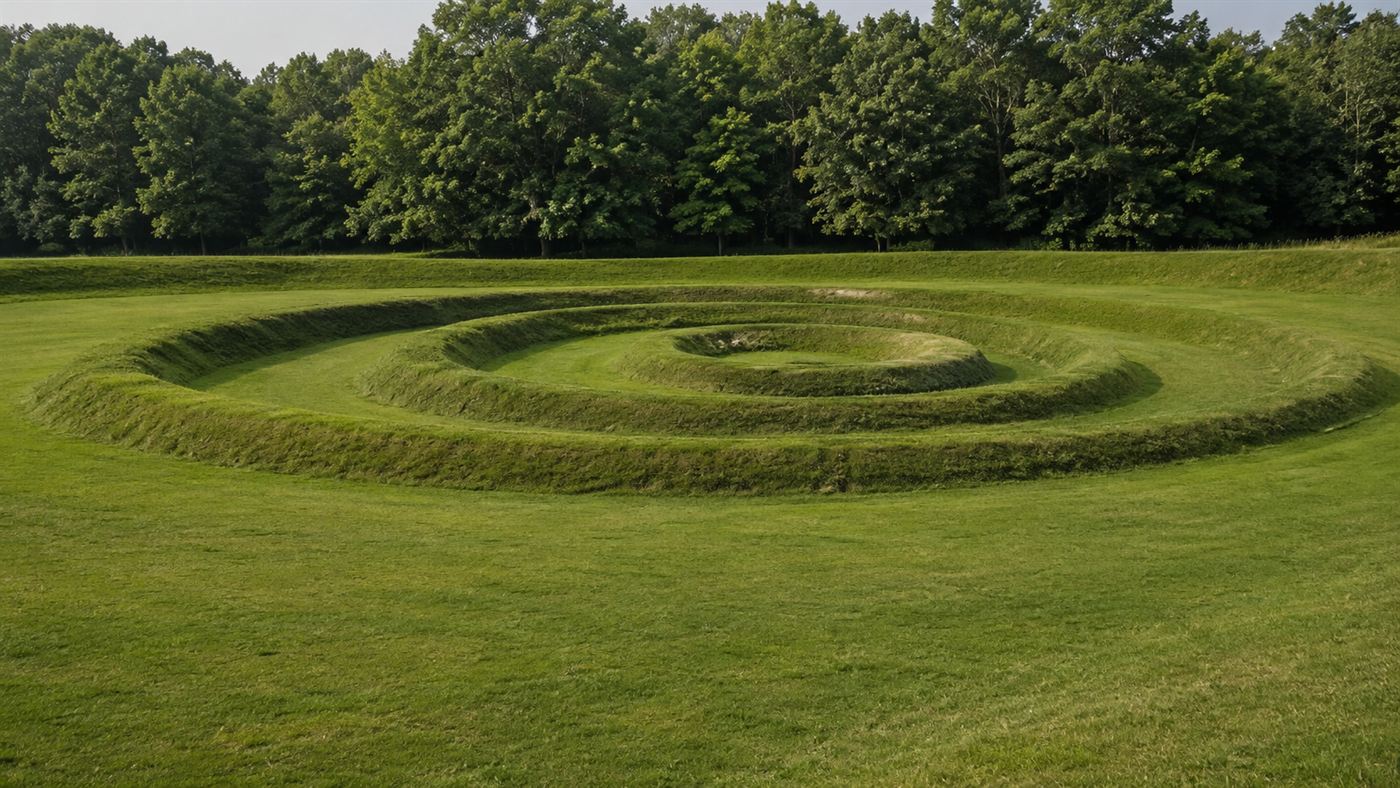
The mound is not a pile of stone but a sculpted ridge of packed earth, only a few feet high, yet laid out with striking precision across a natural plateau. The body ripples in graceful curves, the tail winds into a tidy spiral, and the head opens around a hollow oval that the serpent seems poised to swallow.
Nobody is buried inside the snake itself, which sets it apart from most ancient mounds. As an effigy mound, a shape built to represent a living creature rather than to hold the dead, it clearly meant something profound to its makers, but that meaning was never written down and has to be guessed at.
How old is the Serpent Mound?
This is where the arguments begin, because the honest answer is that we do not know. For a long time the earthwork was credited to the Adena culture, a people who thrived in the region more than two thousand years ago and who built burial mounds nearby.
Then, in the 1990s, radiocarbon dating of material from within the mound pointed instead to the Fort Ancient culture, suggesting it was built around 900 years ago rather than two millennia back. The case for the Fort Ancient builders rested largely on that dating. Later studies muddied the water again, hinting the Adena might have made it after all. Today the true age of the Serpent Mound remains genuinely, frustratingly open.
The serpent that points at the sun
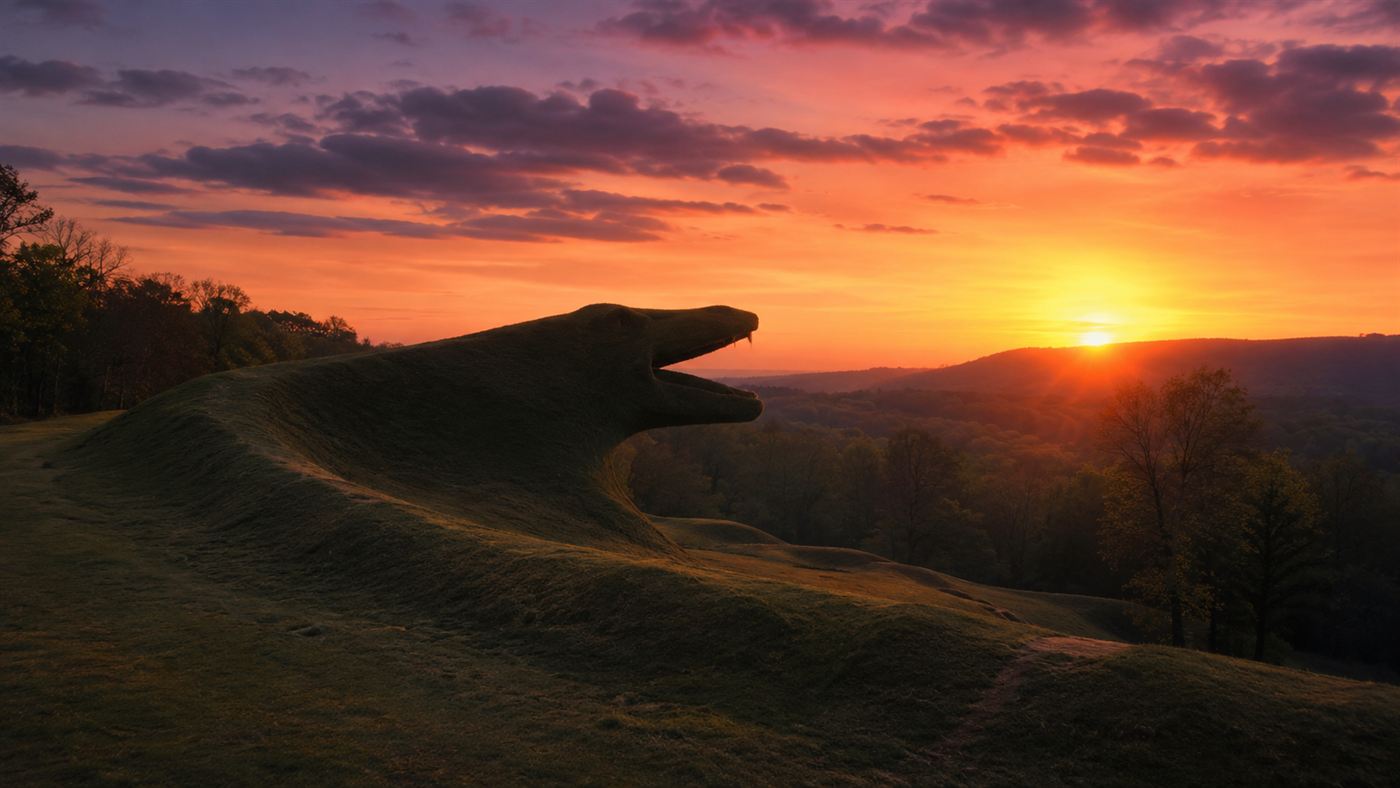
Whoever built it, they seem to have aimed it at the sky. The most widely accepted piece of the puzzle is that the serpent's open head lines up with the point on the horizon where the sun sets on the summer solstice, the longest day of the year.
Some researchers go further, arguing that the curves of the body point toward the sunrises of the winter solstice and the equinoxes, turning the whole snake into a kind of calendar written in earth. If they are right, the Serpent Mound was not just art but an instrument for tracking the turning of the year and the movement of the heavens.
Built on a scar from space
Perhaps the strangest fact of all is what lies beneath the snake. The mound sits on the edge of a large, ancient geological formation known as the Serpent Mound crater, a zone of shattered and uplifted bedrock created hundreds of millions of years ago, most likely by a meteorite slamming into what is now Ohio.
The people who built the effigy could not possibly have known they were working on the scar of a cosmic impact. But the unusual, broken landscape it created may have felt special or sacred to them, a strange place set apart from the ordinary world, and that may be exactly why they chose it for their great serpent.
The honest catch
A mystery this good attracts a lot of nonsense, and it is worth being clear-eyed. Over the years the Serpent Mound has been claimed as the work of lost civilizations, ancient astronauts and every kind of fringe theory, none of which the evidence supports. It was built by Native Americans, full stop, and treating it as anything else erases the real people who achieved it.
The genuine uncertainties are narrower but real: exactly which culture built it, precisely when, and what every part of it meant. The solstice alignment of the head is solid, but the grander astronomical claims are debated, and the romantic link to a specific comet or star is speculation. The true story is remarkable enough without inventing more.
Why the Serpent Mound still guards its secret
What makes the place so haunting is that it is not lost or buried. You can walk right up to it, look down its whole shining length, and still come away with more questions than answers. It has been mapped, dated, dug and studied for well over a century, and it has yielded only fragments.
That is a rare and humbling thing in an age that likes to believe it has explained everything. A vast, deliberate, beautiful monument sits in plain sight in the American Midwest, made by people whose descendants still live today, and it quietly reminds us how much of our own continent's story we have not managed to read.
A giant snake of earth has watched over an Ohio hilltop for centuries, aligned to the sun and built on a crater, and we still cannot fully explain it. Do you think we will ever truly know who raised this giant snake and why, or are some monuments meant to keep their meaning? Tell us what you think in the comments.
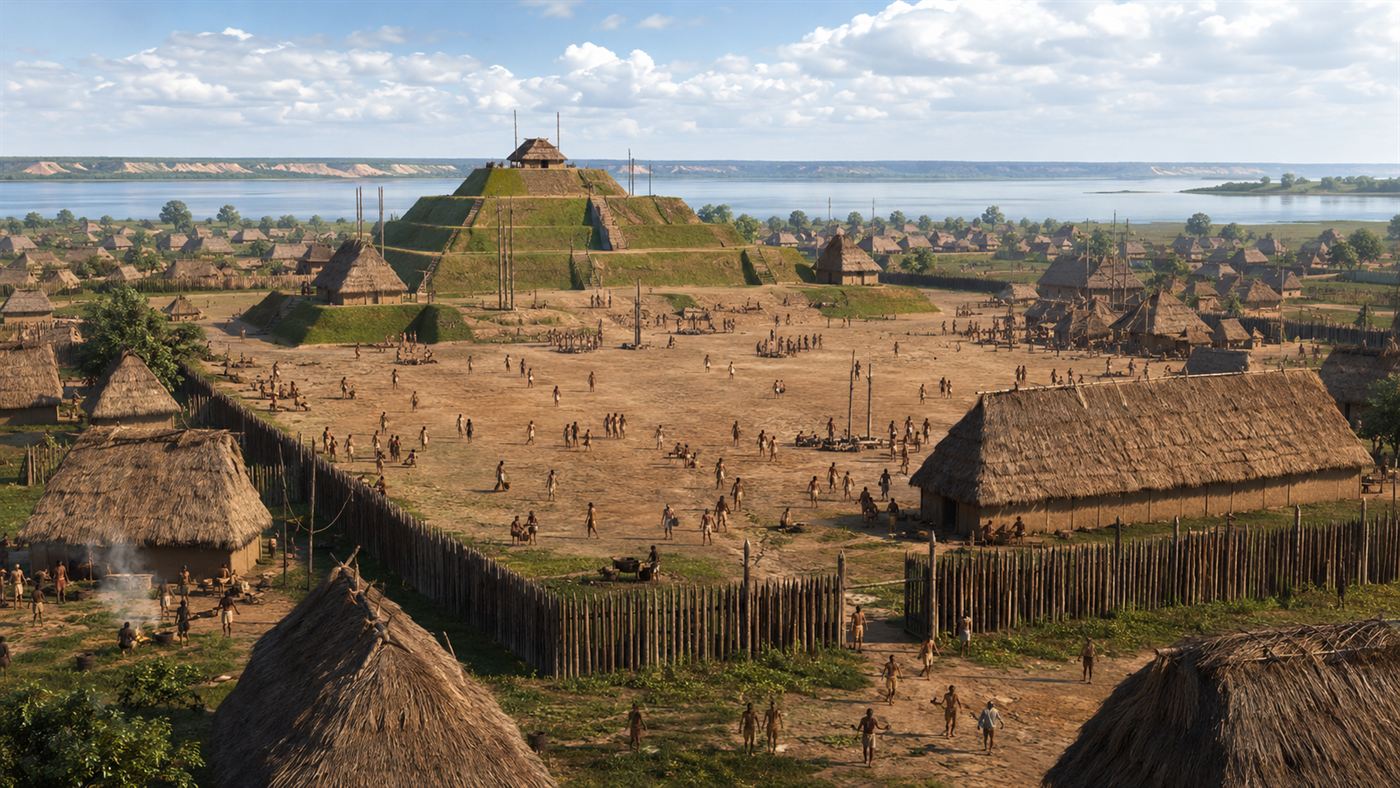
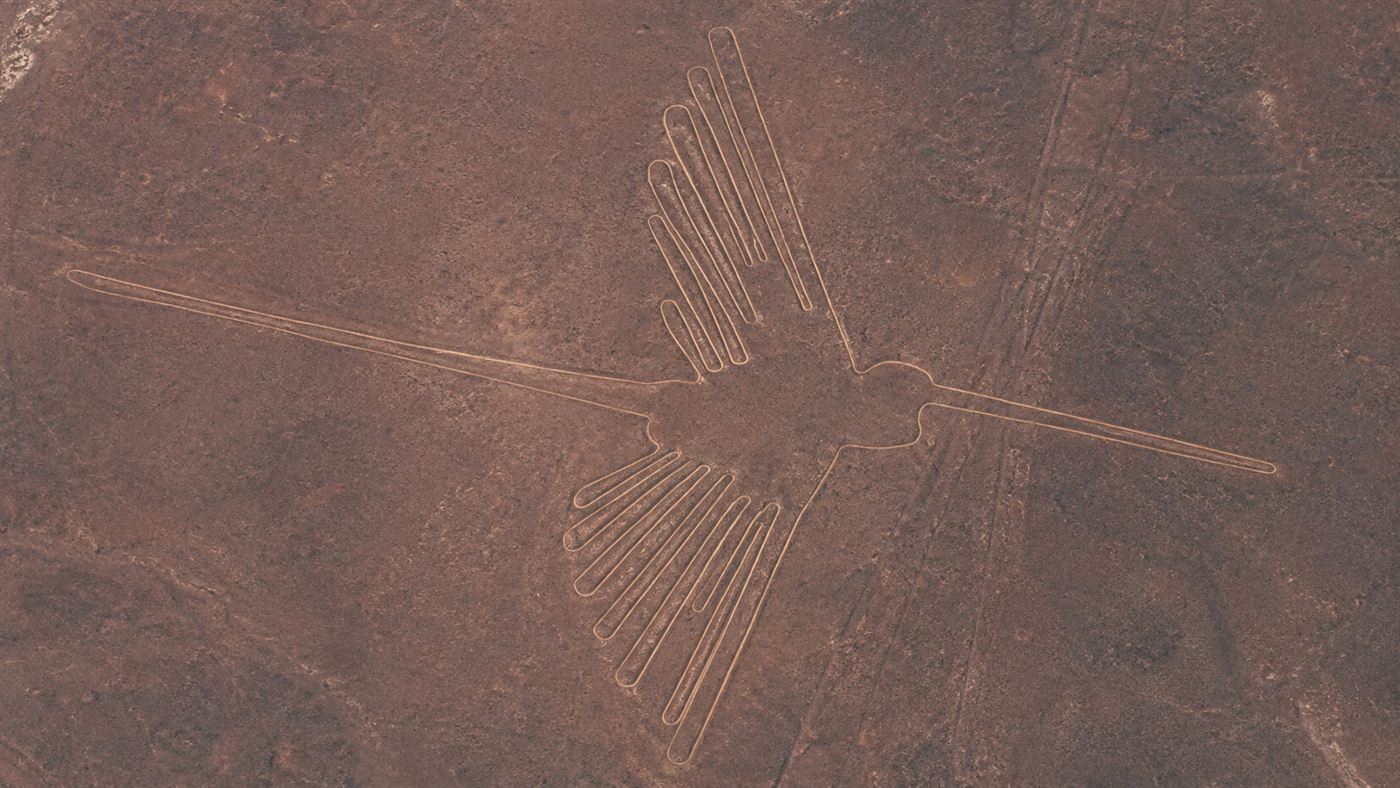
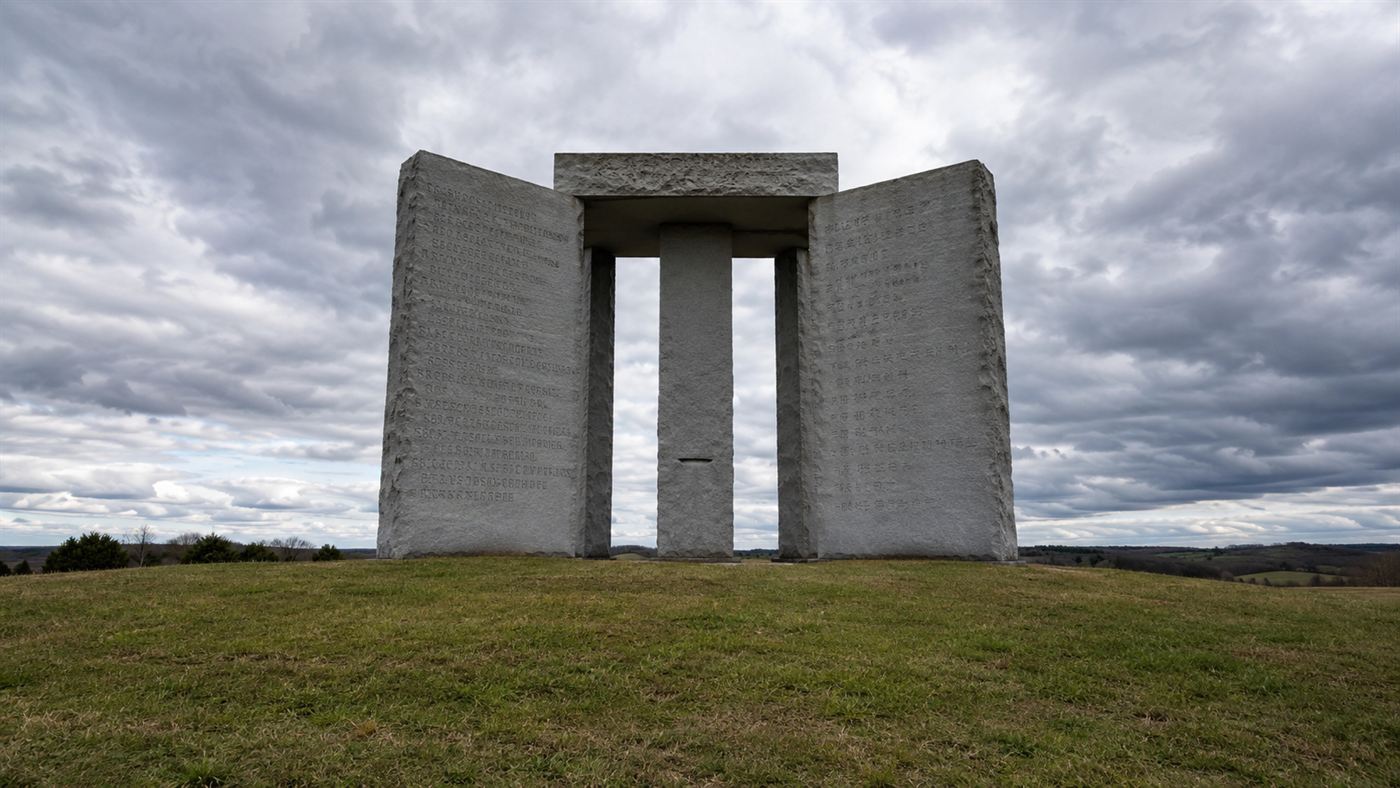
Related reading: Cahokia, the vast Native American city that once rivalled London and then vanished. See also the Nazca Lines, giant desert drawings only visible from the sky, and the Georgia Guidestones, a modern monument built and then blown up in secrecy. See also Devils Tower, a sacred rock whose name and origin are both disputed.