A stranger built a granite monument for the end of the world, kept his name secret forever, and 42 years later someone blew it up
In the summer of 1979, a well-dressed man walked into a granite company in rural Georgia and asked to build a monument to outlast civilization. He gave a false name and paid in full. The result, the Georgia Guidestones, stood for 42 years carrying instructions for the survivors of an apocalypse, and to this day no one knows for certain who commissioned it.
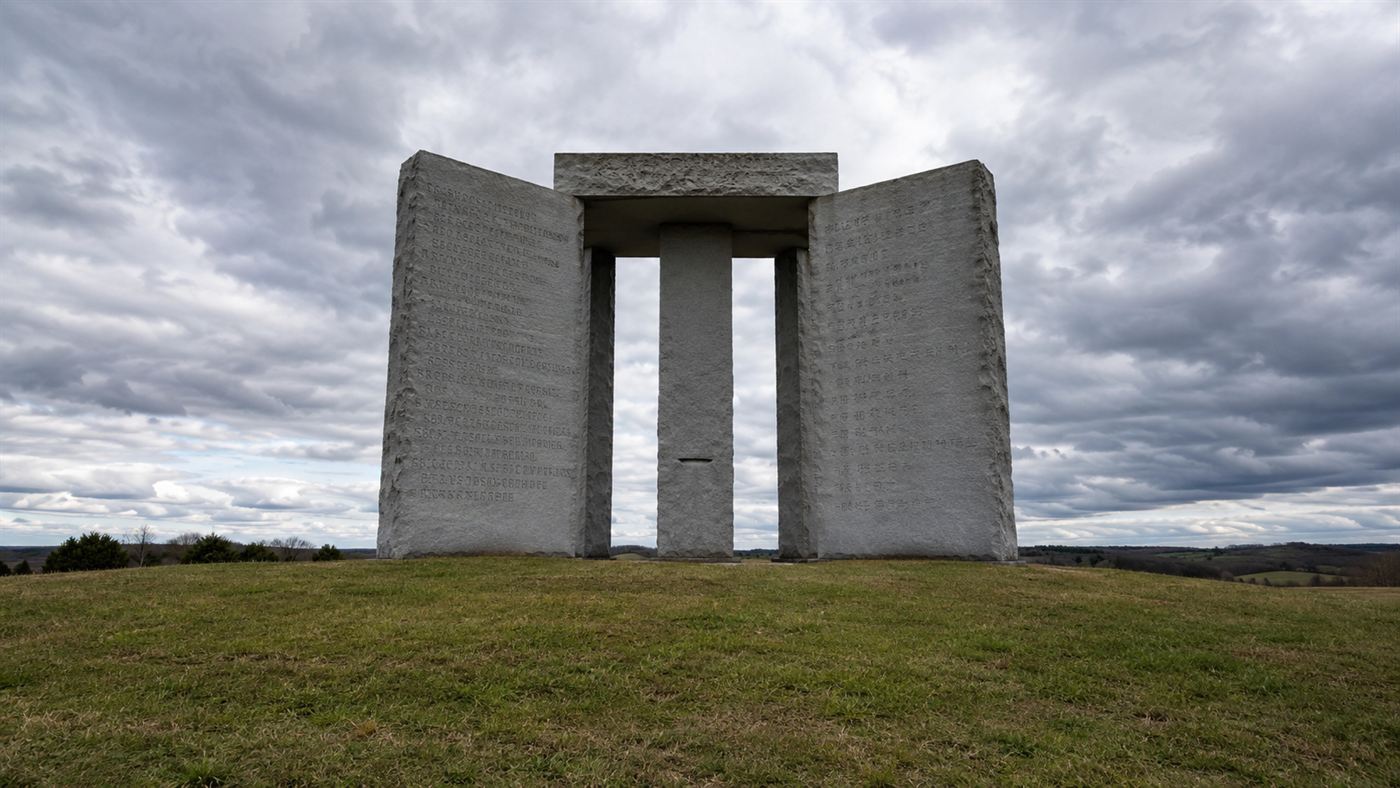
The Georgia Guidestones near Elberton, once nicknamed America's Stonehenge. Illustration: Watts & Wild.
The stranger called himself R. C. Christian, and he was upfront that the name was invented. He told the granite company he represented a small group of people who had been planning this monument for 20 years and who wished, above everything, to stay anonymous. Then he laid out a design of startling ambition: six enormous slabs of granite, precisely cut, aligned to the sun and stars, and carved with a message for a broken future world.
The finished monument was unveiled in March 1980. It stood 19 feet tall and weighed almost 120 tons, and it was so odd, so deliberately strange, that people started calling it America's Stonehenge almost at once. Nobody could quite agree on whether it was a work of hope, a work of menace, or the very expensive daydream of one anonymous man.
What was carved into the stone
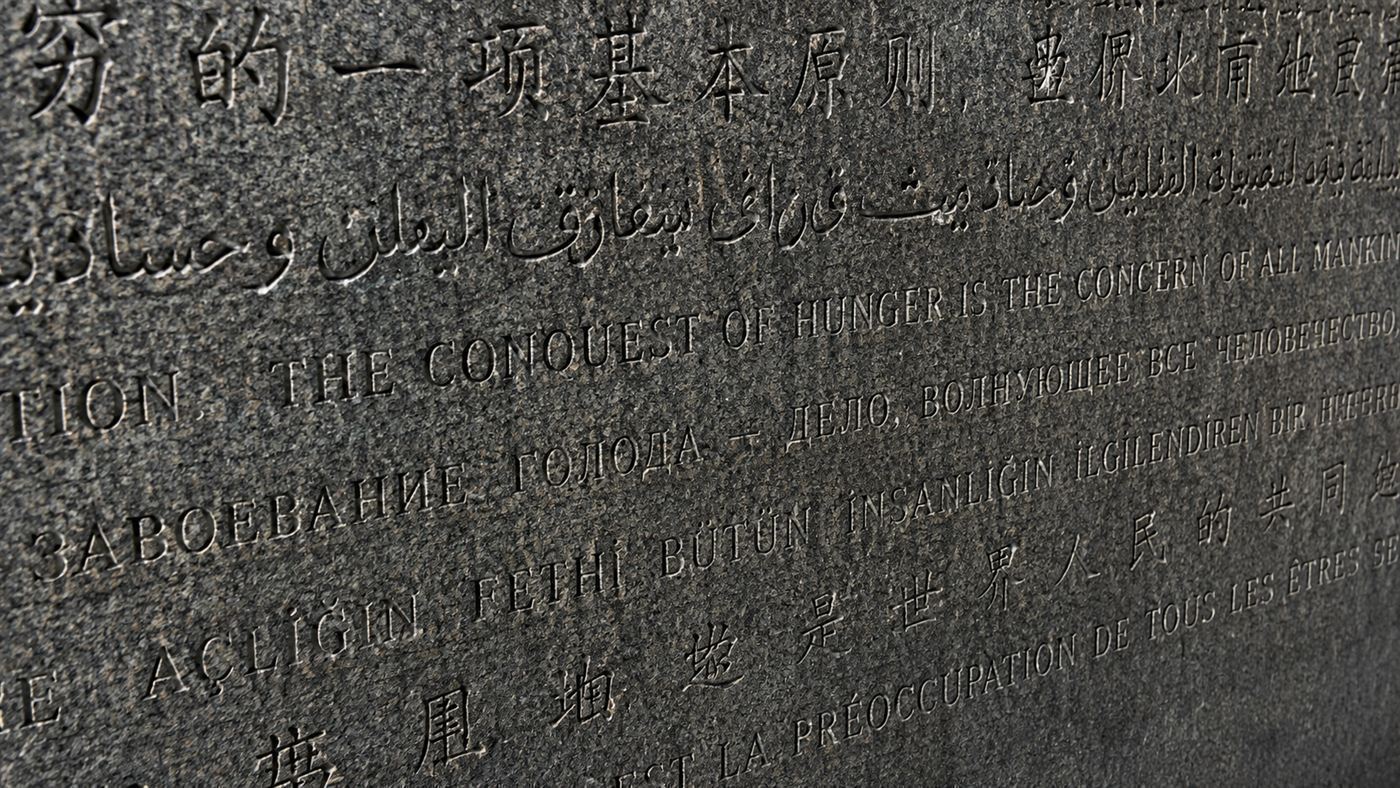
The heart of the Georgia Guidestones was a list of ten short guidelines, engraved in eight languages so that whoever survived a global catastrophe could read them: English, Spanish, Swahili, Hindi, Hebrew, Arabic, Chinese, and Russian. They urged unity, reason, fair laws, and care for the planet, the kind of advice that sounds gentle read aloud in a classroom.
But the very first line is the one that followed the monument to its grave. It called on humanity to maintain its population under 500,000,000, in perpetual balance with nature. To its defenders that was a plea for sustainability after a disaster had already thinned the world. To its enemies it read as something far darker, a blueprint for culling most of the people alive, and that single sentence turned the stones into a lightning rod.
Who really built the Georgia Guidestones
Here is the detail that keeps the story alive. R. C. Christian did not simply pay and disappear. He kept in touch, over years, with a single local man: Wyatt Martin, the banker who handled the money. Martin was the only person alive who ever learned the patron's real identity, and he gave his word that he would never tell a soul.
He kept that promise completely. Martin said the name Christian used with him was a variation on Robert Christian, that the man was educated and courteous, and that he claimed to belong to a discreet group who feared a coming calamity. When Martin grew old, he reportedly destroyed the correspondence rather than risk it becoming public. The one thread that could have unraveled the mystery was deliberately burned by the one man who held it.
That silence is why the Guidestones became a magnet for every theory imaginable. Some saw a benevolent secret society. Many more saw a sinister global elite announcing its plans in stone, and over the decades the monument drew pilgrims, vandals, protesters, and conspiracy videos by the thousand, all arguing about a message left by a man with no face and no name.
The bomb, and a monument that outlasted nothing
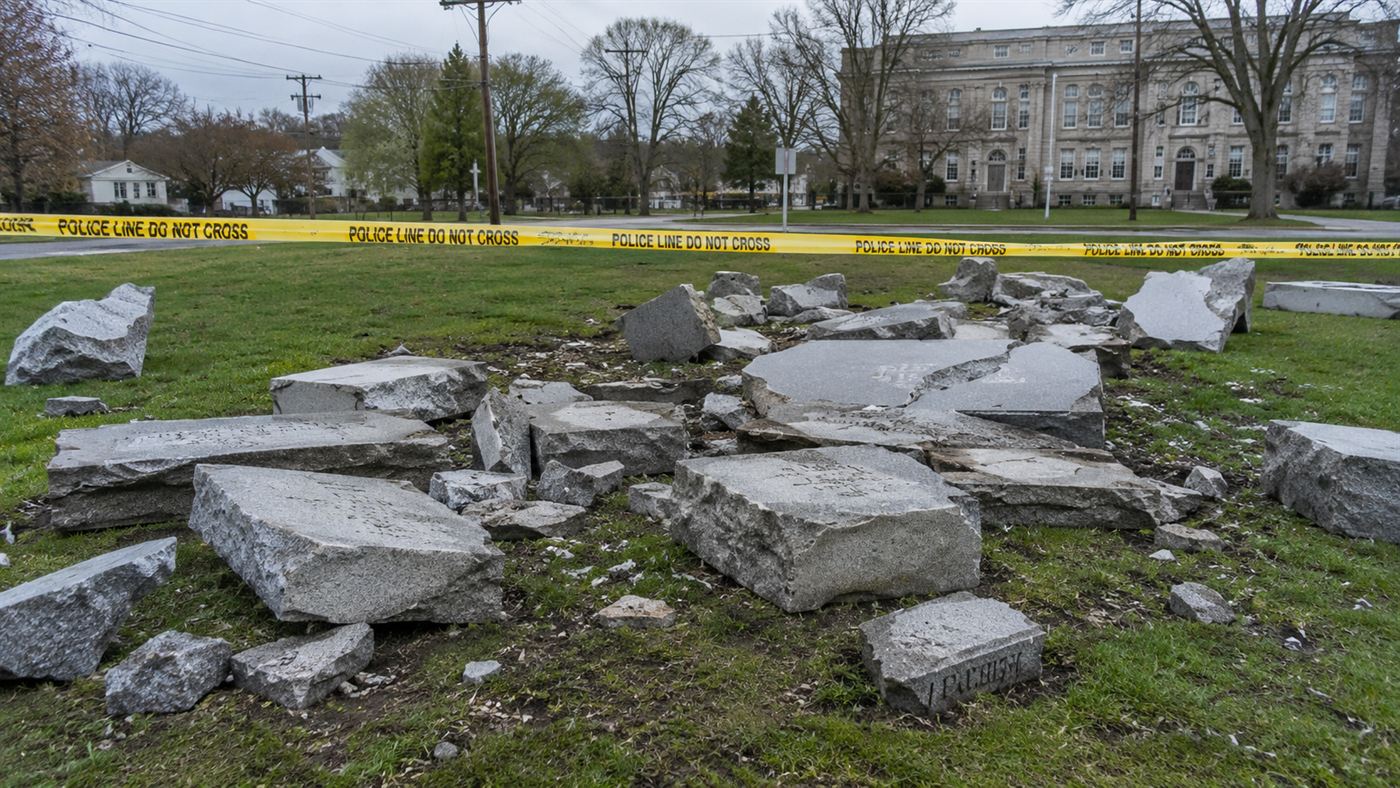
The end came suddenly. Early on July 6, 2022, an explosion tore through one of the granite panels, caught on a nearby camera as a flash in the dark. The blast was powerful enough to destabilize the whole structure, and later that day state authorities decided the safest option was to knock down what remained. Within hours, the monument built to survive the fall of civilization was a pile of rubble.
No one was ever publicly charged. The footage showed a figure and a car, and then nothing. A monument designed to speak to humanity thousands of years from now had lasted just 42 years, undone in a single morning by an anonymous attacker, a strange mirror of the anonymous stranger who had raised it.
The honest catch
It is easy to get swept up in the darkest reading, the secret cabal and the depopulation plot, because that version is thrilling. The plainer truth is probably duller and sadder. The most likely explanation is that a wealthy, eccentric man with genuine Cold War fears about nuclear war simply wanted to leave humanity a note, and had the money to carve it in granite the size of a house.
What made the Georgia Guidestones extraordinary was never really the granite. It was the silence around them, the choice by two ordinary men to keep a secret perfectly, for a lifetime, in a world that keeps almost nothing hidden. The monument is gone now, but the thing people actually could not stand about it, not knowing, is exactly what survives.
A faceless stranger carved instructions for the end of the world, a banker guarded his name to the grave, and a bomber erased the whole thing in one morning. Was it a message of hope for survivors, or something far more sinister? Tell us what you think in the comments.
Related reading: The coded sculpture standing in the CIA's own courtyard that no one has fully cracked in over 30 years.
More from Watts & Wild
More in Curiosities →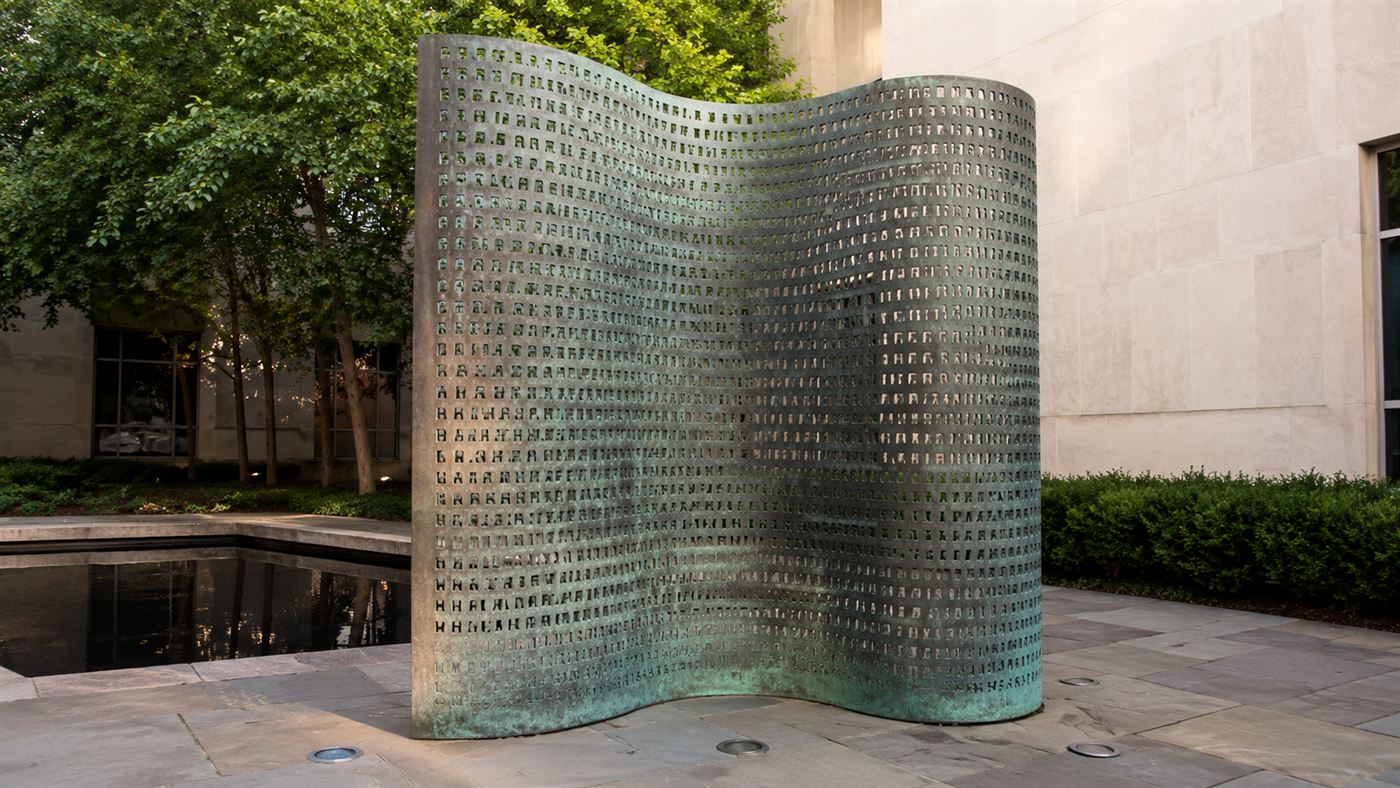


Maria Heloisa Barbosa Borges covers heavy industry, mega-builds, and the places where engineering meets the natural world for Watts & Wild.