A 24-year-old engineer at Kodak invented the world's first digital camera in 1975, and his bosses buried it because they were terrified it would kill the film that made them rich
The most famous cautionary tale in business begins in a corner of a Kodak lab in Rochester, New York, with a young engineer holding a boxy contraption the size of a toaster. It could take a photograph with no film at all. He had just invented the future, and his employer decided it would rather not have one.
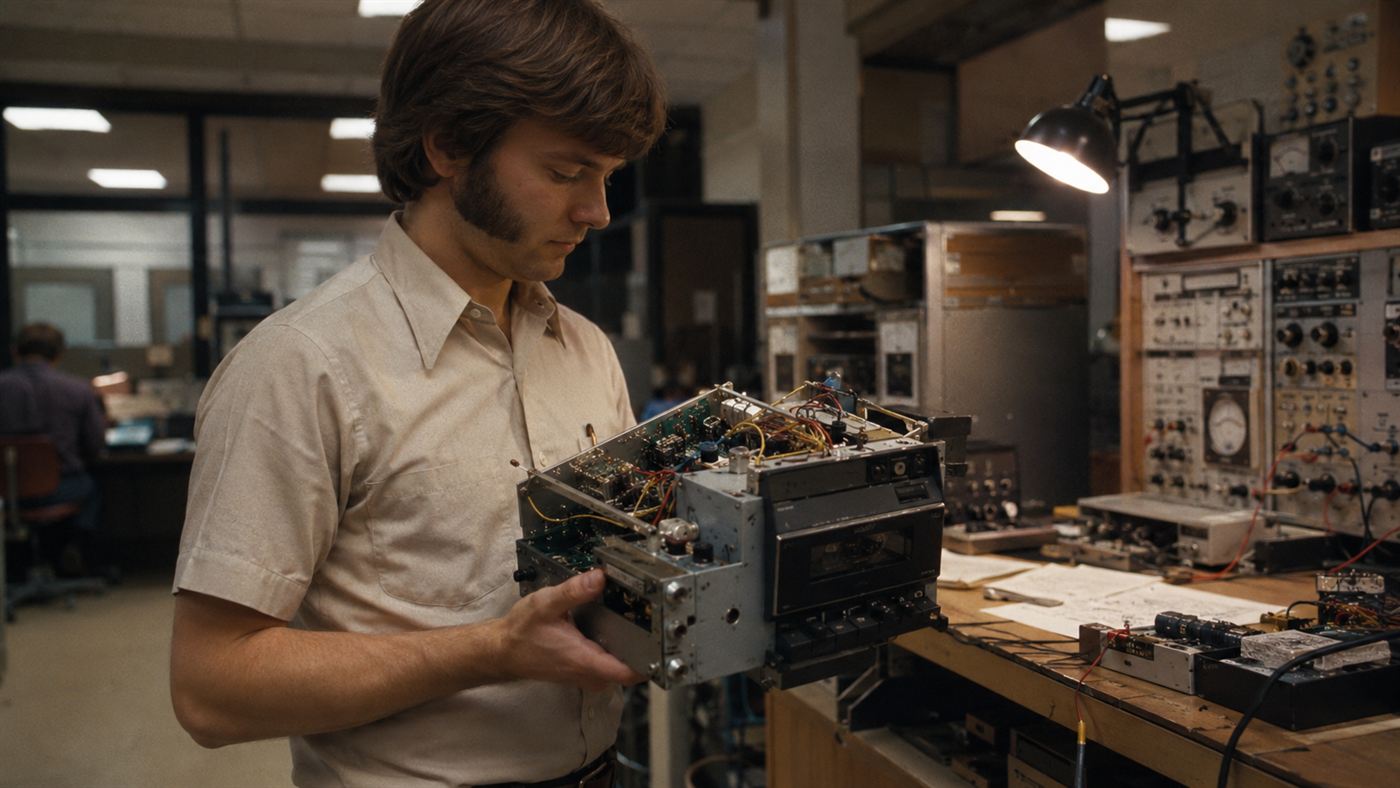
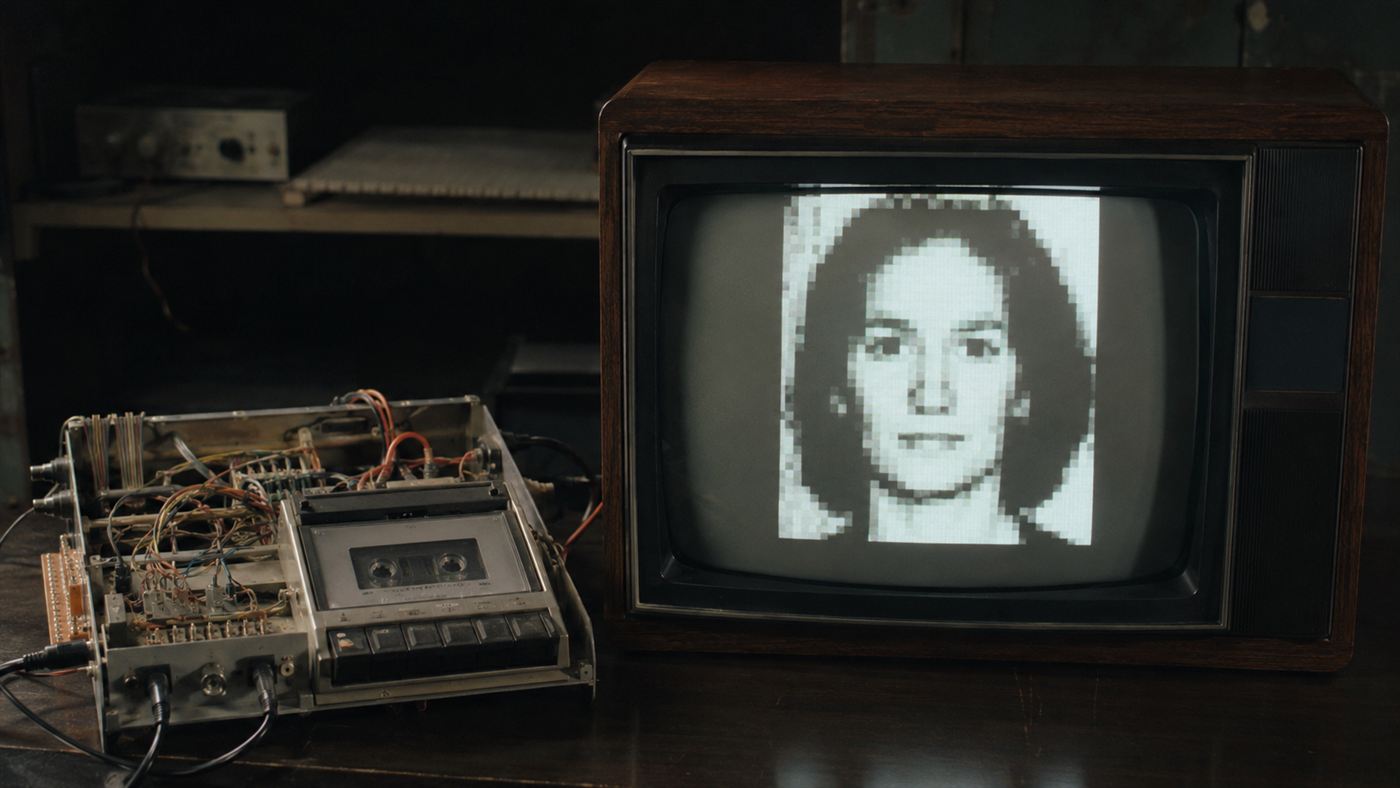
The first digital camera weighed eight pounds and recorded to cassette tape. Illustration: Watts & Wild.
In 1975, a 24-year-old electrical engineer named Steven Sasson was handed a vague assignment at Eastman Kodak: see if a new kind of electronic sensor might be useful for anything. What he built from a movie-camera lens, a fistful of batteries and a Fairchild image chip was the world's first self-contained digital camera, a device that captured light as numbers instead of chemistry.
It was gloriously crude. The image was black and white, just 0.01 megapixels, a grid of 100 by 100 dots. Recording a single frame to a cassette tape took about 23 seconds, and to see the photo you had to play the tape back through a special reader onto a television screen. But it worked, and it pointed at a world where film might one day be unnecessary.
The short version: Steven Sasson invented the digital camera at Kodak in 1975, but when he showed it to management their reaction was cool. The device threatened the film and chemicals that were the company's fortune, so Kodak sat on the future it owned to protect its film business, and decades later that future put the company into bankruptcy.
The camera that ran on numbers, not film
To grasp why this mattered, remember what a photograph was in 1975. Light hit a strip of chemically coated film, which had to be developed, fixed and printed in a darkroom. Kodak did not just sell cameras; it sold the film, the paper, the chemicals and the processing, an entire cradle-to-print empire that printed money.
Sasson's machine skipped all of that. It turned a scene directly into digital data that could, in principle, be stored, copied and displayed forever without a single drop of chemistry. The first digital camera was slow and blurry, but the idea inside it was a loaded gun pointed straight at Kodak's business model.
What the bosses said when they saw it
Sasson has told the story many times, and the reaction he remembers was not excitement but unease. Managers asked why anyone would ever want to look at their pictures on a television set, and they worried, correctly, about what a filmless camera would do to the film business. The invention was interesting, but it solved a problem nobody in charge wanted solved.
So the project was quietly kept in-house rather than pushed toward the market. As IEEE Spectrum has documented in Sasson's own account, he was even told to be careful about talking publicly about the technology. The most important camera of the century became a demo in a drawer.
Did Kodak really bury the digital camera?
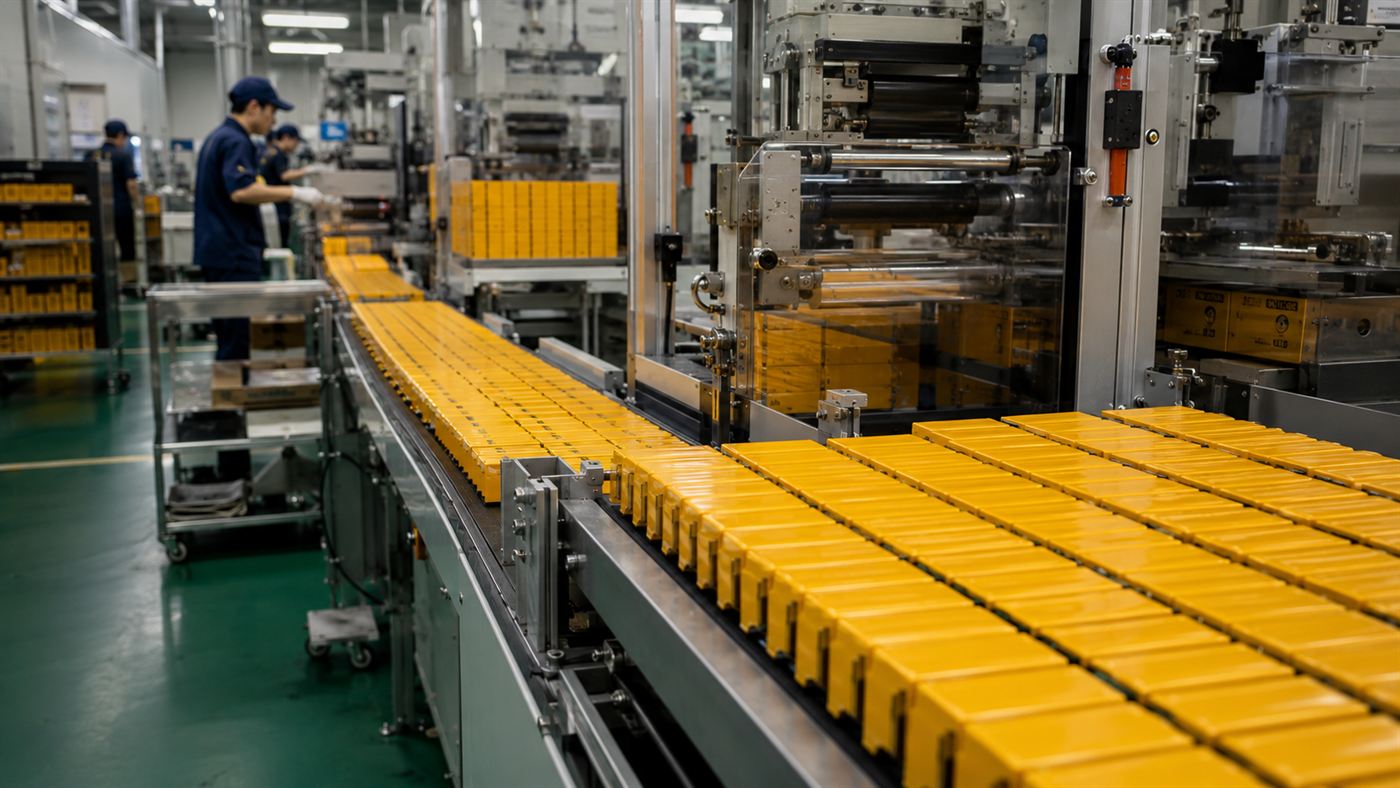
Here the popular legend needs a little honesty, because the truth is more interesting than the meme. Kodak did not literally lock the invention away and forget it. The company patented the technology in the late 1970s, and over the following decades those digital patents earned it billions of dollars in licensing fees from other manufacturers.
Kodak even sold successful digital cameras in the early 2000s and was briefly a market leader. The failure was not ignorance but nerve. Management understood digital was coming and simply could not bring itself to cannibalize the fat, comfortable film business fast enough, and by the time it committed, nimbler rivals had eaten the market.
The bankruptcy that proved him right
The ending is brutal in its irony. As phones and cheap sensors turned everyone into a photographer, demand for film cratered, exactly as that eight-pound prototype had warned. In January 2012, Eastman Kodak, a company that had defined photography for over a century, filed for bankruptcy protection.
Steven Sasson, meanwhile, was vindicated in the grandest possible way. In 2009, President Barack Obama awarded him the National Medal of Technology and Innovation, the country's highest honor for inventors. The man whose invention was treated as a threat had been right about everything, decades before his bosses were willing to believe it.
The honest catch
It is easy to sneer at Kodak from here, but the trap it fell into is one of the hardest in all of business. When you own a wildly profitable product, every incentive pushes you to protect it, and the person warning that your best product will one day destroy you sounds like a crank. Kodak's leaders were not stupid; they were successful, which can be worse.
That is the real lesson of that first prototype, and it is why the story keeps getting retold in boardrooms. The threat that kills a great company usually comes from inside it, wearing the face of its own next invention. The courage to let your cash cow die on schedule is far rarer than the genius to invent its replacement.
A young engineer built the future in a lab, and the company holding it flinched. If you ran Kodak in 1975, would you have had the nerve to kill your own golden goose before someone else did? Tell us in the comments.
Related reading: the Segway, a machine hyped to reinvent the city that almost nobody actually bought. See also the Sinclair C5, a visionary electric vehicle the public simply laughed off the road.